

Discover the diversity of Massachusetts’s nine owl species like the Great Horned Owl, with its large size and distinctive hooting calls. Encounter the Barred Owl, known for its ‘Who cooks for YOU?’ call and efficient hunting. Explore the versatile Eastern Screech-Owl, blending into various habitats with its unique vocal repertoire. Witness the Snowy Owl’s white plumage and challenges due to habitat loss. Uncover the secretive Northern Saw-whet Owl, a fierce hunter in coniferous forests. Each owl offers a glimpse into the captivating world of avian wildlife in Massachusetts.
1. Great Horned Owl

In Massachusetts, the Great Horned Owl is a prominent species known for its large size and preference for tree-dwelling habitats. These majestic birds of prey exhibit a diverse diet, preying on small mammals, birds, and even skunks. Their hunting prowess is remarkable, as they can take down prey larger than themselves, showcasing their strength and agility in the wild.
One of the most iconic features of the Great Horned Owl is its distinctive hooting calls, which echo through the night and serve as a hallmark of their presence in the region. These vocalizations play a crucial role in communication, territory establishment, and mate attraction among these owls.
Not only are Great Horned Owls captivating creatures to observe, but they also serve a fundamental ecological role by helping to control rodent populations. By preying on rodents, these owls contribute to maintaining a balance in the ecosystem, making them essential components of the local wildlife community.
2. Barred Owl
![All 9 Owls in Massachusetts [With Sounds & Pictures]](https://wildyards.com/wp-content/uploads/2022/09/barred-owl.jpg)
The Barred Owl, a nocturnal predator with a distinctive 'Who cooks for YOU?' call, is a common owl species found in Massachusetts. These owls thrive in forested surroundings where they can blend in seamlessly with their mottled brown plumage and large, dark eyes. As top predators, Barred Owls play a crucial role in controlling rodent populations by preying on small mammals, birds, and amphibians. They have adapted well to various forested environments, including those in the Northwest where they have expanded their range.
| Barred Owl | |
|---|---|
| *Scientific Name* | Strix varia |
| *Habitat* | Forested areas |
| *Call* | ‘Who cooks for YOU?’ |
Barred Owls’ ability to hunt at night gives them an advantage over their prey, making them efficient predators in the ecosystem. Their haunting call resonates through the woods, a symbol of the nighttime wilderness in Massachusetts.
3. Eastern Screech-Owl
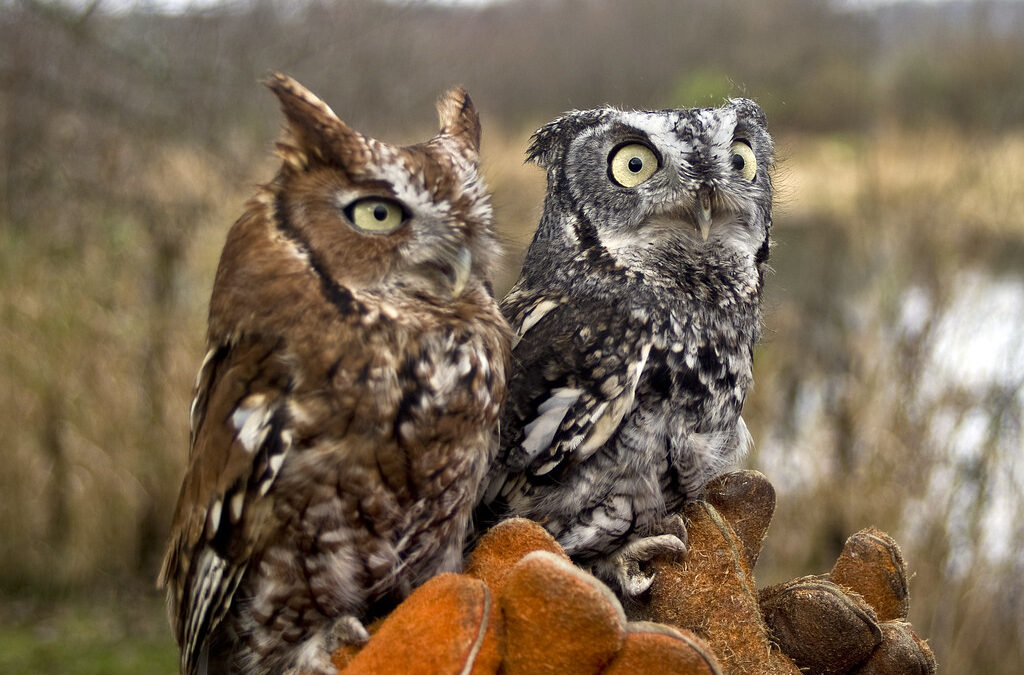
Nestled east of the Rockies, including Massachusetts, the Eastern Screech-Owl is a stocky nocturnal predator with a distinctive vocalization repertoire. These owls are fascinating creatures with unique characteristics that set them apart in the avian world.
- Habitats: Eastern Screech-Owls are versatile when it comes to habitats, being able to thrive in a range of environments. They can be found in deciduous forests, suburban neighborhoods, and even urban areas, showcasing their adaptability to different surroundings.
- Vocalizes: One of the most intriguing features of the Eastern Screech-Owl is its vocalization. They use a descending whinny to mark territories and a trill to communicate with potential mates. These vocalizations are essential for their social interactions and reproductive success.
- Plumage: Sporting camouflaged plumage in shades of gray and reddish-brown, Eastern Screech-Owls blend seamlessly into their surroundings. This cryptic coloration helps them remain hidden from predators and prey alike, making them efficient hunters in the night.
4. Snowy Owl

With their distinctive white plumage standing out in winter landscapes, Snowy Owls are easily identifiable in regions like Massachusetts. These majestic birds, known scientifically as Bubo scandiacus, are not native to Massachusetts but migrate seasonally from the Arctic. Snowy Owls can often be seen along coastlines and open fields, where their white feathers provide excellent camouflage in the snow-covered terrain.
During their breeding season in the Arctic, Snowy Owls emit a loud, raspy call that can be heard over long distances. This call is essential for communication and mate attraction in their harsh northern habitats. Unfortunately, due to climate change and habitat loss, Snowy Owls are facing significant challenges, leading to their classification as Vulnerable on the IUCN Red List of Threatened Species.
Studying Snowy Owls is crucial for understanding the impacts of environmental changes on Arctic ecosystems and wildlife populations. By monitoring these magnificent birds, researchers can gain valuable insights into the broader effects of climate change on the delicate balance of our planet’s ecosystems.
5. Northern Saw-whet Owl
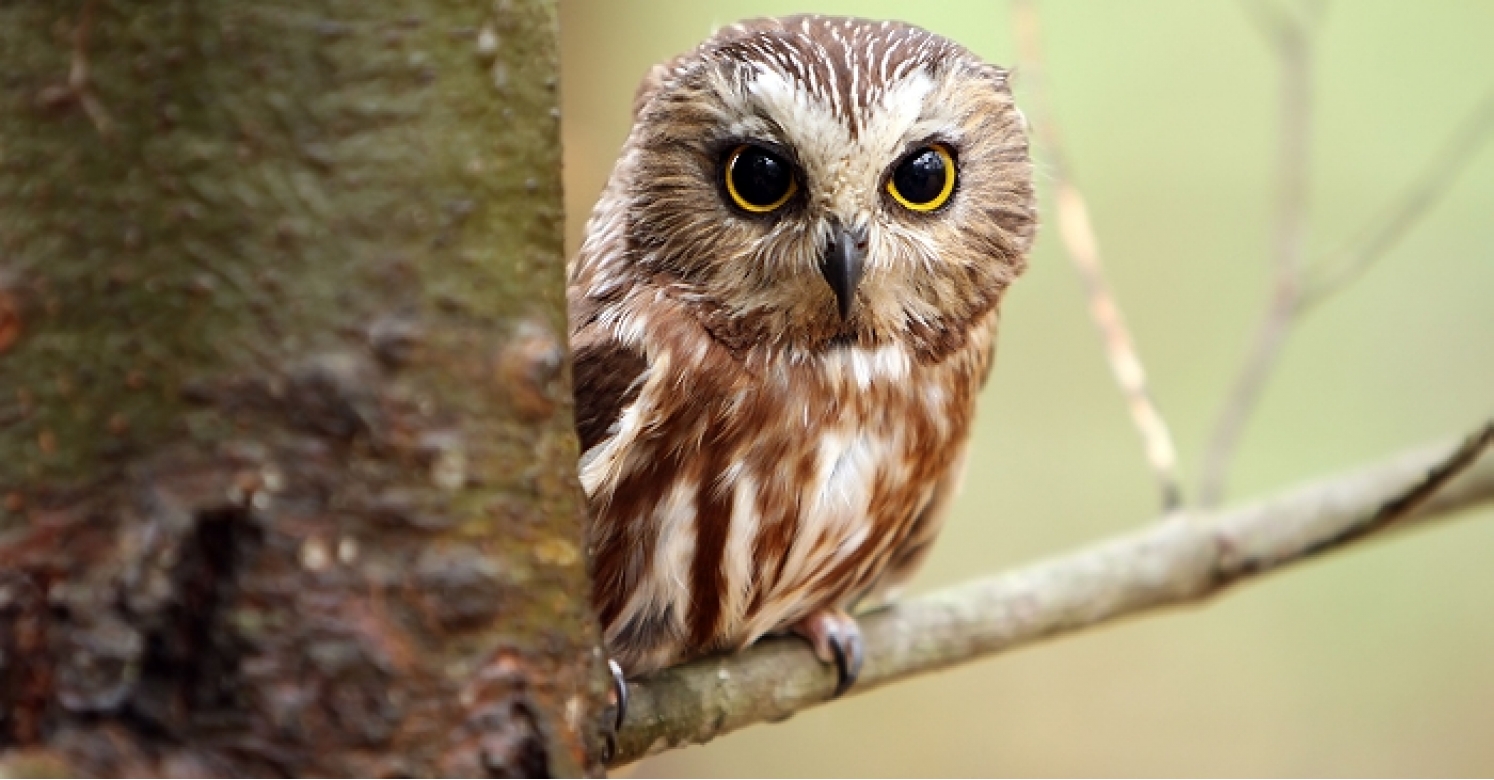
Snowy Owls are known for their striking white plumage, and transitioning to the Northern Saw-whet Owl brings attention to a smaller but equally fascinating owl species found in Massachusetts. The Northern Saw-whet Owl is the smallest owl species in the eastern US, measuring around 7-8 inches in length. These owls have a high-pitched tooting call that sounds like a saw being sharpened, hence their name. Northern Saw-whet Owls primarily inhabit coniferous forests and dense woodlands, where they roost in dense foliage during the day.
- Despite their small size, Northern Saw-whet Owls are fierce hunters, preying on small mammals like mice and voles.
- Conservation efforts are underway to protect the declining population of Northern Saw-whet Owls in Massachusetts.
- The intricate adaptation of these owls to their forest habitats showcases the delicate balance of ecosystems and the importance of preserving their habitats for future generations.
6. Long-eared Owl
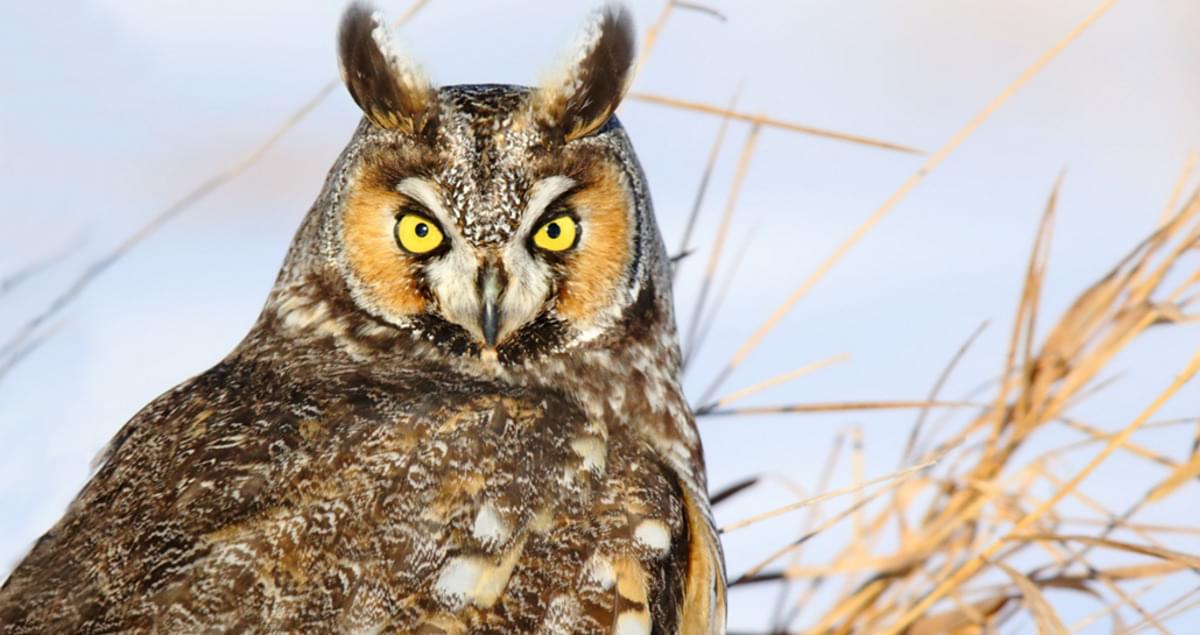
The Long-eared Owl, a species known for its preference for conifer forests, has been rarely observed in Massachusetts over the past two decades. These elusive owls are characterized by their tufted feathers on the head, often mistaken for ears, but are merely for display. Long-eared Owls are nocturnal predators, adept at hunting at night. They rely on their keen eyesight and silent flight to capture small mammals, birds, and insects in the cover of darkness. Due to their secretive nature and excellent camouflage, spotting a Long-eared Owl in the wild can be quite challenging.
Conservation efforts are crucial to safeguard the declining population of Long-eared Owls in Massachusetts. Protecting their habitat, especially conifer forests, and raising awareness about the importance of these majestic birds in the ecosystem are essential steps in ensuring their survival. By understanding their behavior and needs, we can work towards preserving the presence of Long-eared Owls in the state for future generations to appreciate.
7. American Barn Owl
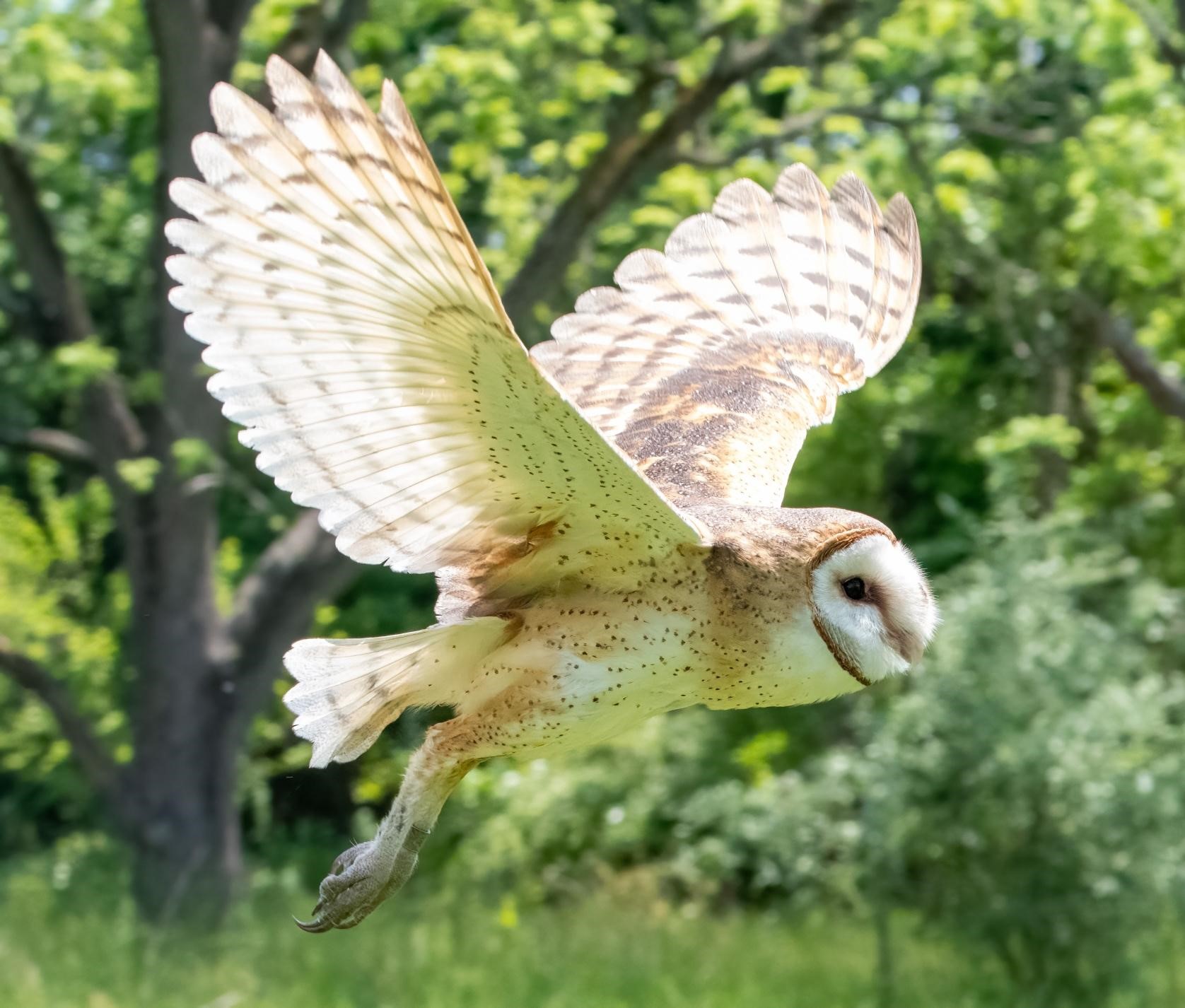
An iconic inhabitant of various Massachusetts habitats, the American Barn Owl is distinguished by its heart-shaped facial disc and screechy calls. These birds are non-migratory and are skilled hunters, primarily preying on small mammals like rodents. Utilizing their exceptional hearing and silent flight, Barn Owls swoop down on their unsuspecting prey with remarkable precision.
- Habitat: Barn Owls are adaptable birds that can be found in a range of habitats, including grasslands, deserts, and agricultural areas throughout Massachusetts.
- Conservation Efforts: Due to factors such as habitat loss, pesticide use, and vehicle collisions, the Barn Owl population has faced declines in some regions. Conservation efforts are essential to safeguarding these birds and maintaining their crucial role in controlling rodent populations.
- Massachusetts: In Massachusetts, efforts to protect the Barn Owl population include habitat restoration projects, raising awareness about the importance of these birds, and implementing measures to reduce human-related threats.
8. Great Gray Owl

Adapted to a variety of habitats, the Great Gray Owl is renowned for its imposing size and remarkable hunting prowess. This owl species, with a length of up to 33 inches and an impressive wingspan of 60 inches, dominates the skies of North America. Being an essential predator in its ecosystem, the Great Gray Owl preys mainly on small mammals such as voles and mice, ensuring the balance of its forested habitat. One of its distinctive features is the unique facial disk adorned with concentric circles of gray and white feathers, aiding in precise sound localization during hunting. Despite its large size, this owl is a master of camouflage, seamlessly blending with the trees and foliage in its surroundings.
| Great Gray Owl Facts | Details |
|---|---|
| Size | Up to 33 inches in length |
| Wingspan | Up to 60 inches |
| Diet | Small mammals like voles and mice |
9. Short-eared Owl
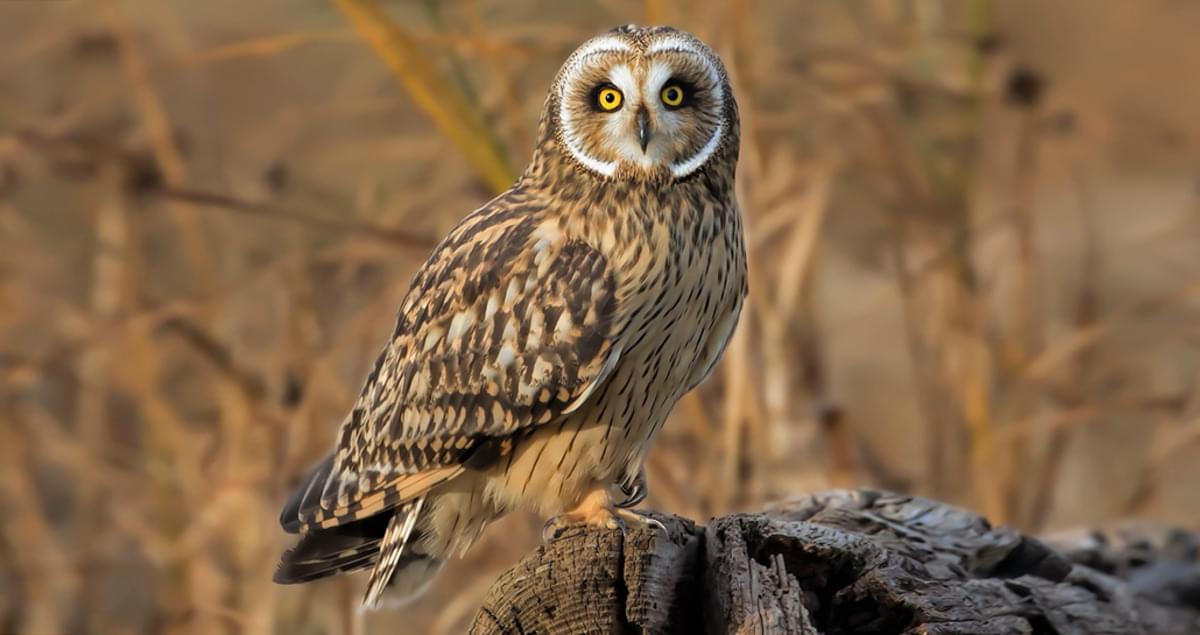
Inhabiting open country habitats in Massachusetts, Short-eared Owls are diurnal hunters with a unique call distinct from other owl species. These fascinating creatures are known for their distinctive facial disc and short ear tufts. Here are some interesting facts about Short-eared Owls:
- Daytime Hunters: Short-eared Owls are one of the few owl species that are active during the day, making them a captivating sight for birdwatchers and researchers alike.
- Habitat Preferences: Their preference for open areas like grasslands and marshes sets them apart from other Massachusetts owl species, showcasing their adaptability to diverse environments.
- Hunting Behavior: Observing Short-eared Owls can provide valuable insights into their hunting behavior, as they soar low over fields in search of small mammals like voles and mice, showcasing their impressive aerial agility and keen hunting skills.