

Discover Virginia’s diverse owl species! Encounter the grand Great Horned Owl with ear tufts, the common Barred Owl with its unmistakable call, the pale Barn Owl with heart-shaped face, the camouflaged Eastern Screech Owl, the diurnal Short-Eared Owl, the vigilant Long-Eared Owl, the elusive Northern Saw-Whet Owl, and the iconic Snowy Owl. Each owl boasts unique sounds and striking visuals. Get ready for an owl exploration like no other.
1. Great Horned Owl

The Great Horned Owl, the largest owl species in Virginia, is known for its distinctive ear tufts and impressive wingspan. These majestic creatures start their lives measuring between 17 to 25 inches in size, with a wingspan ranging from 3 to 5 feet. Their diet primarily consists of small mammals, birds, and reptiles, establishing them as top predators in their ecosystem. Great Horned Owls are easily recognizable by their deep hooting calls that resonate through the night, often starting the conversation in the darkness. Nesting in trees or repurposed abandoned nests, they provide a safe haven for their young, showcasing their adaptability and resourcefulness in the wild. With their keen hunting skills and powerful presence, the Great Horned Owl plays a vital role in maintaining the ecological balance of Virginia’s forests and woodlands.
2. Barred Owl
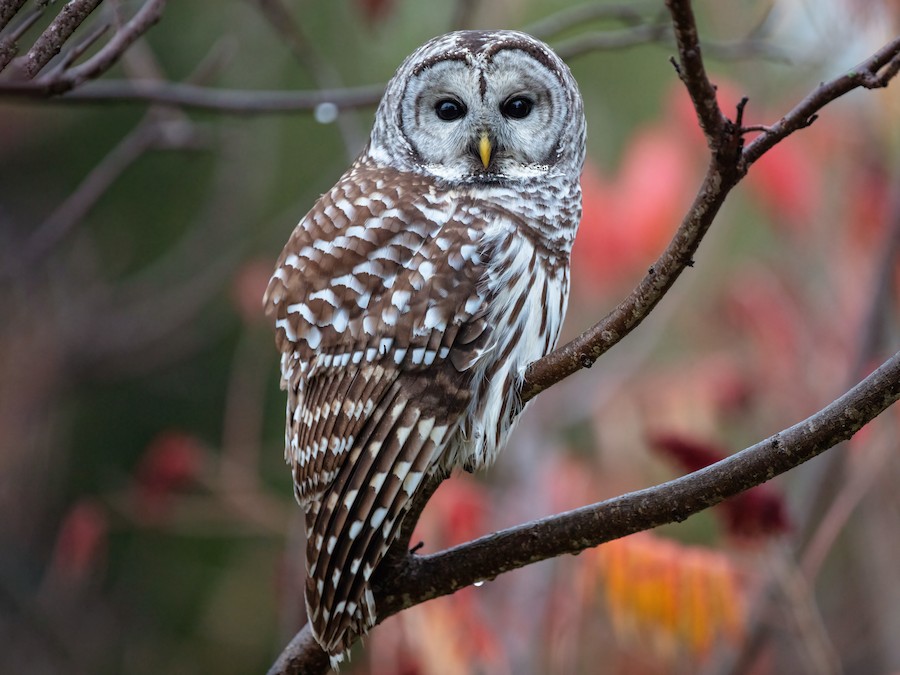
Recognizable by their distinctive barred plumage and large round head, Barred Owls are a common owl species found in Virginia. These nocturnal hunters play a vital role in the state’s ecosystem by preying on rodents, amphibians, and small mammals in the dense forests. Their unique call, often described as ‘Who cooks for you?’, resonates through the night, filling the woodlands with their presence.
Barred Owls are cavity nesters, utilizing tree hollows for shelter and breeding. By controlling rodent populations, they help maintain the balance of the ecosystem. Despite their essential role, Barred Owls face threats such as habitat loss and collision with vehicles.
Observing a Barred Owl in Virginia’s wilderness provides a glimpse into the intricate web of nature’s interactions. Their silent flight and piercing gaze make them a captivating sight in the moonlit forests. With their critical role in the environment, Barred Owls are a species worth cherishing and protecting for future generations to appreciate.
3. Barn Owl

With their pale plumage and heart-shaped face, the Barn Owls found in Virginia are renowned for their exceptional rodent-hunting abilities. These majestic creatures exhibit fascinating nesting behavior, often choosing to make their homes in barns, silos, and abandoned buildings. This preference for man-made structures provides them with shelter and protection for raising their young.
Barn Owls are skilled predators, aiding in the control of rodent populations by preying on mice and rats. Their specialized feathers allow for silent flight, enabling them to swoop down on unsuspecting prey with precision and stealth. Additionally, these owls emit distinctive screeching vocalizations, particularly during the night, which serve various communication purposes among their kind.
4. Eastern Screech Owl
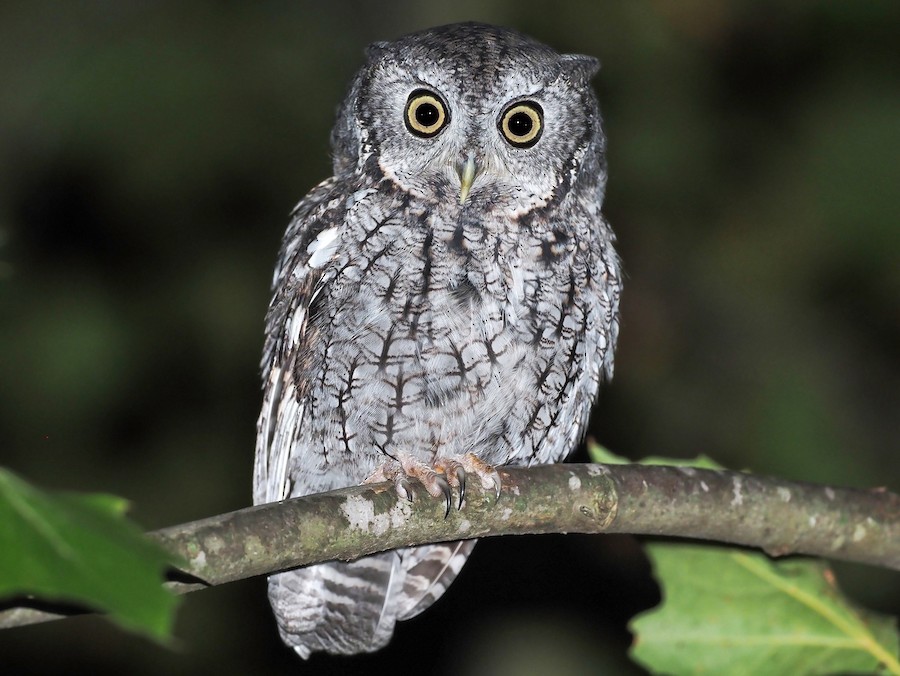
In Virginia, the Eastern Screech Owl, a small owl species measuring 6.3 to 9.8 inches in size, is known for its camouflaged plumage in red, gray, or brown. These owls have remarkable adaptations for blending into their surroundings, making them elusive to predators and efficient hunters. One striking feature of Eastern Screech Owls is their nesting habits. They typically nest in tree holes or nest boxes, showcasing their ability to adapt to various environments in Virginia.
Let’s delve deeper into the fascinating world of Eastern Screech Owls through the table below:
| Eastern Screech Owl | Facts |
|---|---|
| Nesting habits | Tree holes or nest boxes |
| Camouflage adaptations | Red, gray, or brown plumage |
| Hunting techniques | Prey on insects, small mammals, and birds using sharp talons |
These owls employ various hunting techniques, relying on their sharp talons to capture insects, small mammals, and birds. Their trilling calls echo through Virginia forests, especially at night, adding to the mystique of these captivating creatures.
5. Short-Eared Owl
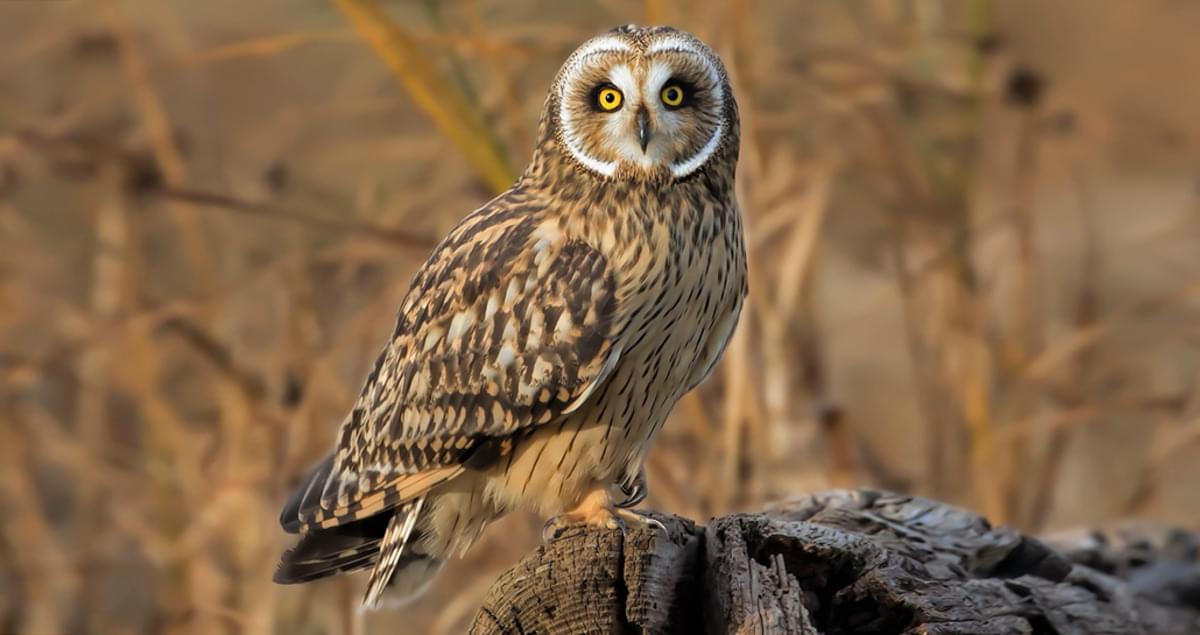
The Short-Eared Owl, a diurnal and crepuscular species found in Virginia, is known for its unique nesting habits on the ground in open habitats such as grasslands and marshes. Unlike many other owl species that nest in trees, Short-Eared Owls create their nests directly on the ground, using vegetation or old nests from other birds. This behavior helps them blend into their surroundings and provides easy access to hunting grounds.
Speaking of hunting, Short-Eared Owls primarily feed on rodents and small birds. Their hunting behavior is distinctive, characterized by a moth-like flight pattern as they search for prey over grasslands and marshes. This owl species is quite skilled at catching their meals mid-air, showcasing their agility and precision in flight.
In Virginia, Short-Eared Owls are winter visitors, migrating to the area during the colder months. Their presence adds to the diversity of owl species in the region, offering birdwatchers a chance to observe these fascinating creatures in their natural habitat.
6. Long-Eared Owl
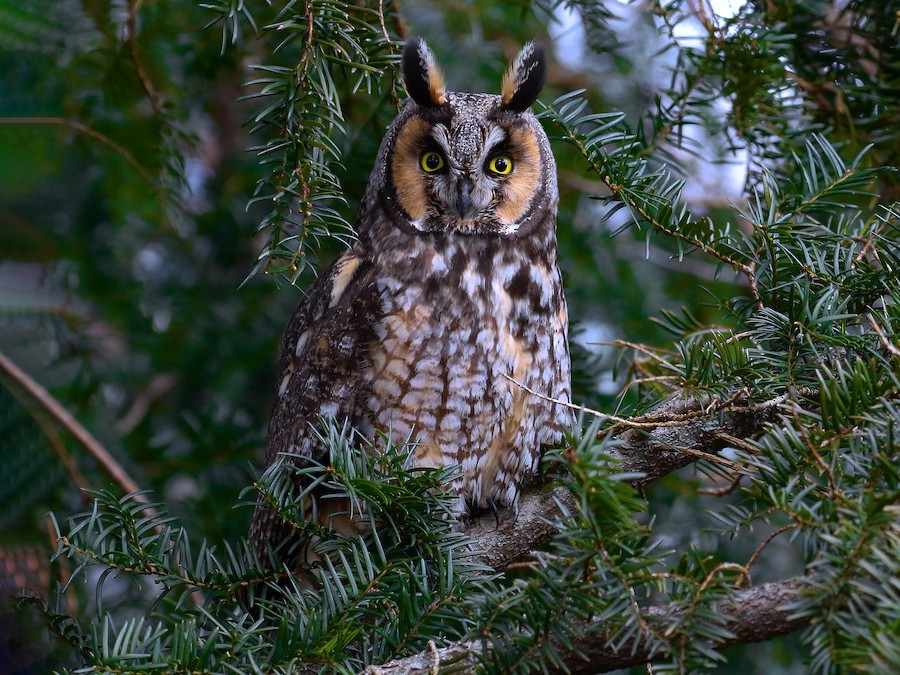
Nesting primarily in dense coniferous forests of Virginia, the Long-Eared Owl is easily identified by its slender frame and prominent long ear tufts. These fascinating owls have specific habitat preferences, dining habits, and nesting behaviors that distinguish them in the wild:
- Habitat: Long-Eared Owls are commonly found in dense coniferous forests, where they seek out the seclusion and cover provided by the thick vegetation.
- Diet: Their primary diet consists of small mammals and birds, making them efficient predators within their woodland habitats.
- Nesting Habits: Long-Eared Owls typically nest in tree branches or utilize old crow nests, demonstrating adaptability in their choice of nesting sites.
- Vocalizations: Their low hooting calls are distinctive and often heard echoing through the forest, serving as a means of communication and territory establishment.
- Appearance: The slender frame and long ear tufts make the Long-Eared Owl easily recognizable, adding to the allure of spotting these elusive creatures in the wild.
7. Northern Saw-Whet Owl

With its small size and distinctive saw-like call, the Northern Saw-Whet Owl is a captivating species found in Virginia’s forests. These compact owls are primarily nocturnal hunters, preying on small mammals under the cover of darkness. Their nesting habits are intriguing, as they often choose tree cavities or nest boxes for shelter and raising their young. Conservation efforts play a crucial role in preserving the population of Northern Saw-Whet Owls, as habitat loss and deforestation threaten their nesting sites.
Due to their secretive nature and elusive behavior, studying and protecting these owls can be challenging. Researchers and conservationists work diligently to monitor their populations and implement measures to safeguard their habitats. Understanding the Northern Saw-Whet Owl’s habits and needs is essential for effective conservation strategies. By raising awareness and taking steps to protect their nesting sites, we can help ensure the continued existence of these enchanting owls in Virginia’s forests.
8. Snowy Owl

During the winter months in Virginia, Snowy Owls, large white birds originating from the Arctic, can be observed hunting in coastal areas and open fields. These magnificent creatures exhibit fascinating behaviors and migration patterns that captivate bird enthusiasts. Here are some key points about Snowy Owls:
- Snowy Owl behavior: They are known for their diurnal and nocturnal hunting habits, primarily preying on lemmings.
- Snowy Owl nesting habits: They nest on the ground in the Arctic tundra, often in open spaces.
- Snowy Owl physical characteristics: These owls boast an impressive wingspan of up to 57 inches and can weigh between 56.4 to 104.1 ounces.
- Snowy Owl habitat in Virginia: When in Virginia, they can be spotted in coastal areas and open fields, showcasing their striking white plumage.
- Snowy Owl conservation efforts: Conservationists work to protect Snowy Owls by monitoring their populations, studying their behaviors, and preserving their habitats.