

Discover the enchanting world of Illinois’ nine owl species. From the large and powerful Great Horned Owl to the vital pest control American Barn Owl. Witness the unique calls of the Barred Owl and explore the camouflaged plumage of the Eastern Screech-Owl. Delve into the exceptional camouflage skills of the Long-eared Owl and observe the unique hunting behaviors of the Short-eared Owl. The Northern Saw-whet Owl, Snowy Owl, and Northern Hawk Owl add to the diverse owl population, offering a fascinating opportunity for bird enthusiasts in Illinois to witness these captivating creatures in action.
Great Horned Owl
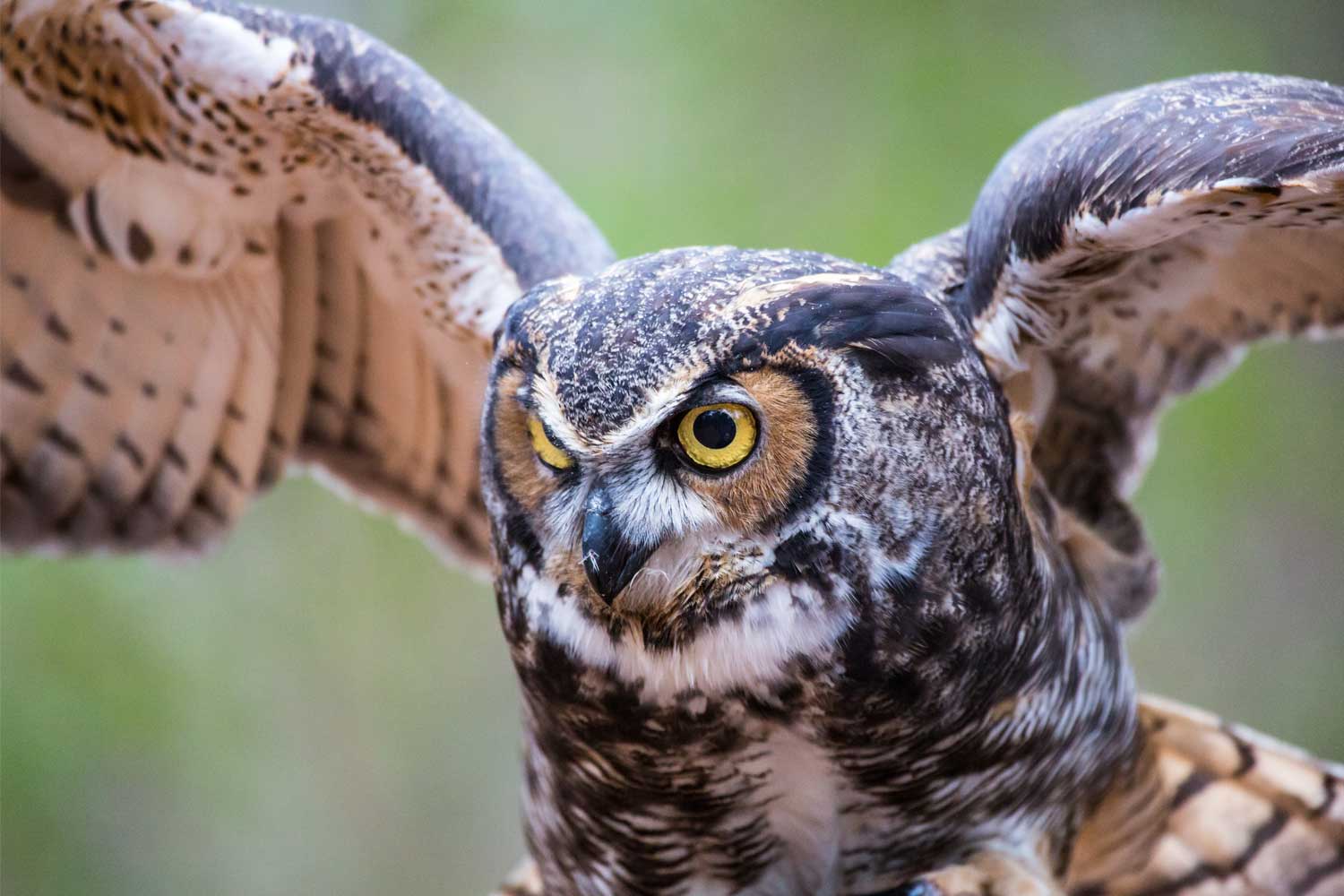
The Great Horned Owl, a formidable predator of the Illinois skies, is a large and powerful owl species known for its impressive physical attributes and hunting prowess. Found in various habitats like woodlands and prairies, these nocturnal hunters primarily prey on small mammals, birds, and even larger animals such as skunks and raccoons, using their sharp talons and beak. Nesting in open abandoned nests, Great Horned Owls display remarkable camouflaged appearances with mottled brown feathers and distinctive plumicorns on their heads.
Despite their adaptability and hunting skills, Great Horned Owls in Illinois are facing a declining population due to human intervention, emphasizing the importance of conservation efforts for their survival. Ensuring the protection of these majestic creatures is crucial to maintaining the ecological balance in Illinois and preserving the rich biodiversity of the region. By understanding their behaviors and habitat requirements, conservationists can work towards safeguarding the future of the Great Horned Owl population in Illinois.
American Barn Owl
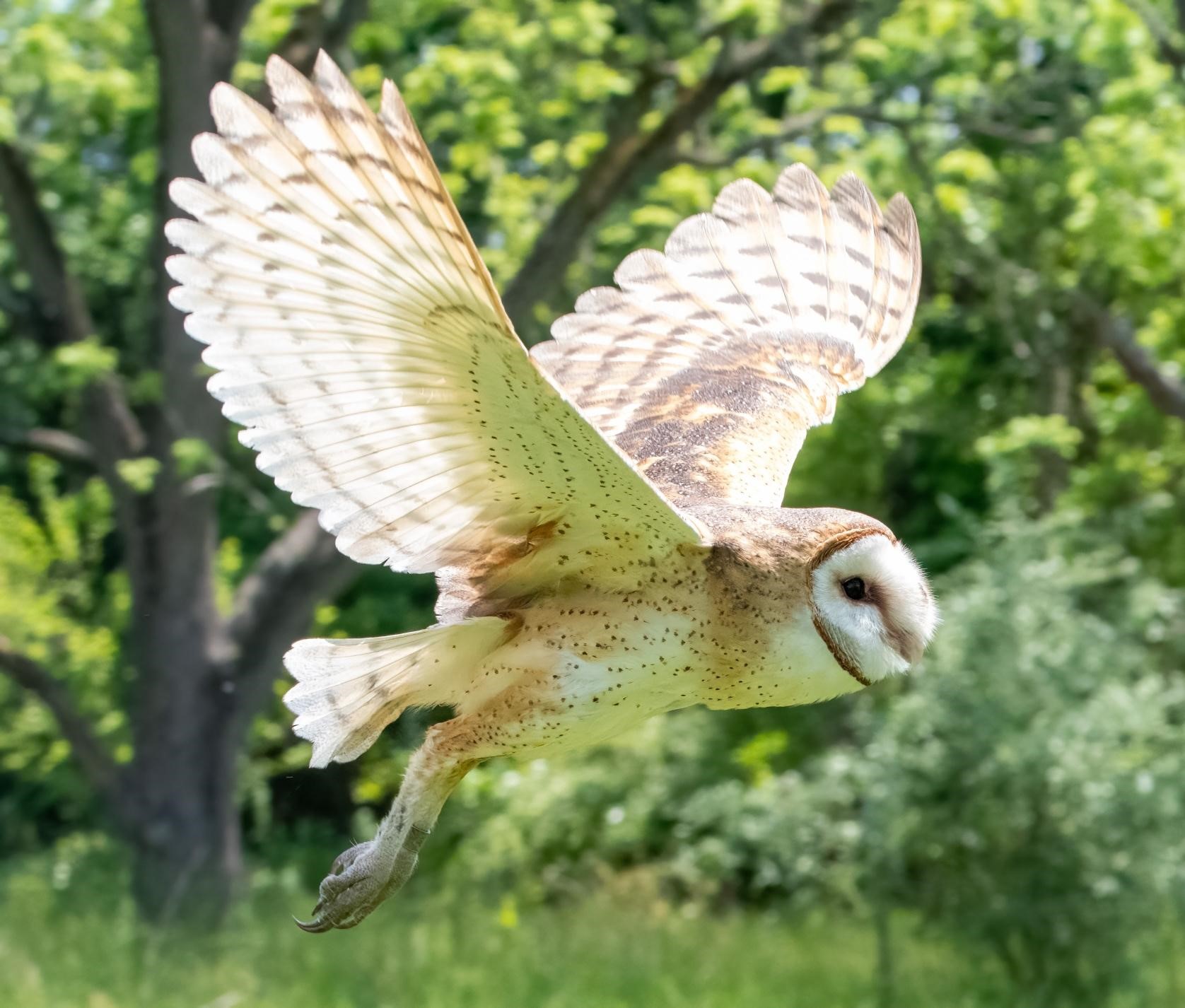
Adapting to a new focus, turn your attention to the American Barn Owl, a species characterized by its nocturnal hunting habits and preference for rural landscapes with open fields and wooded areas. Weighing between 400 to 600 grams and with a lifespan of about 10 years, American Barn Owls primarily hunt small mammals using sound as their main hunting tool. These owls form monogamous pair bonds and are commonly found in rural areas where they nest in cavities in trees or man-made nest boxes. Active hunters in agricultural fields, they play a vital role in pest control. Unfortunately, populations of American Barn Owls have decreased due to the use of pesticides in their habitats. Conservation efforts are crucial to ensure the survival of these fascinating creatures that contribute to maintaining the balance of ecosystems in rural regions.
Barred Owl
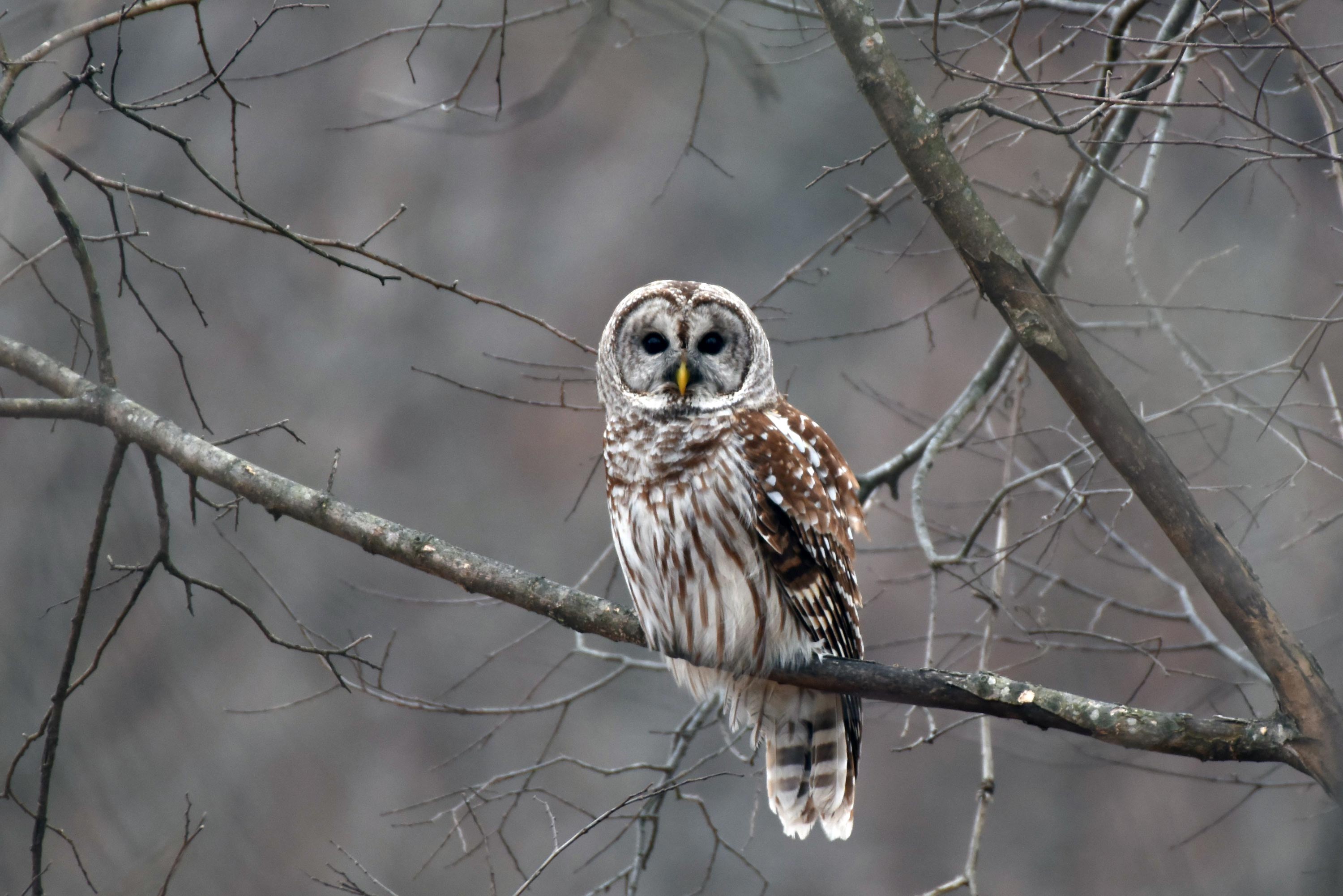)
Preferring dark forests for nesting and hunting, the Barred Owl, scientifically known as Strix varia, showcases a size range from 40 to 63 cm and a weight varying between 610 to 1,150 grams. This owl species forms monogamous pair bonds for life and occupies small territories within their habitat. Nesting in hollow tree trunks, Barred Owls are integral to forest ecosystems, where they play a vital role in controlling populations of small mammals, birds, and reptiles. Their distinctive call, often described as ‘Who cooks for you, who cooks for you all,’ is a characteristic feature. Listed as Least Concern on the IUCN Red list, the global population of Barred Owls is estimated at approximately 3 million individuals. Their non-migratory behavior further emphasizes their significance in maintaining the balance of forest ecosystems.
Eastern Screech-Owl
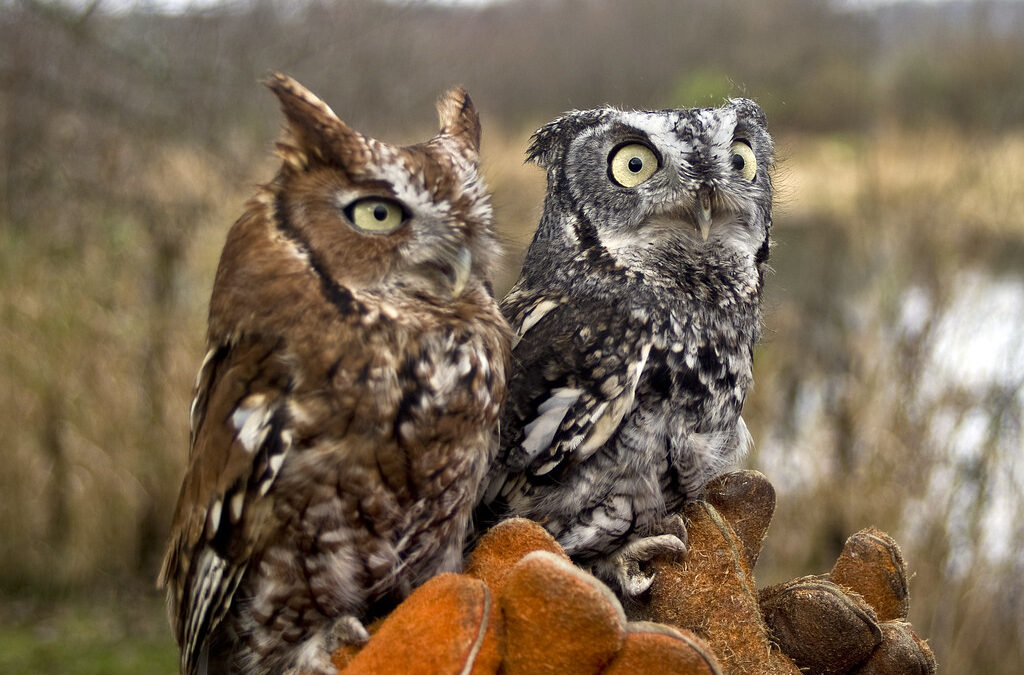
Nesting in tree cavities or man-made nest boxes, the Eastern Screech-Owl, a small owl species found in Illinois, is known for its nocturnal hunting habits and distinctive trill-like call. These owls are primarily nocturnal hunters, relying on their keen hearing to locate prey like insects, small mammals, and birds. They are commonly found in woodlands, parks, and suburban areas throughout Illinois, showcasing their adaptability to various habitats. Here are some key features of the Eastern Screech-Owl:
- Small Owl Species: The Eastern Screech-Owl measures 16-25 cm in size, weighing 121-244 grams, with a wingspan of 46-61 cm.
- Monogamous Pair Bonds: These owls form strong monogamous pair bonds, often staying together for life.
- Camouflaged Plumage: Their camouflaged plumage helps them blend seamlessly into their surroundings, aiding in both hunting and avoiding predators.
- Distinctive Call: The Eastern Screech-Owl’s trill-like call is unique and can vary between the red and gray color morphs of this owl species.
Long-eared Owl
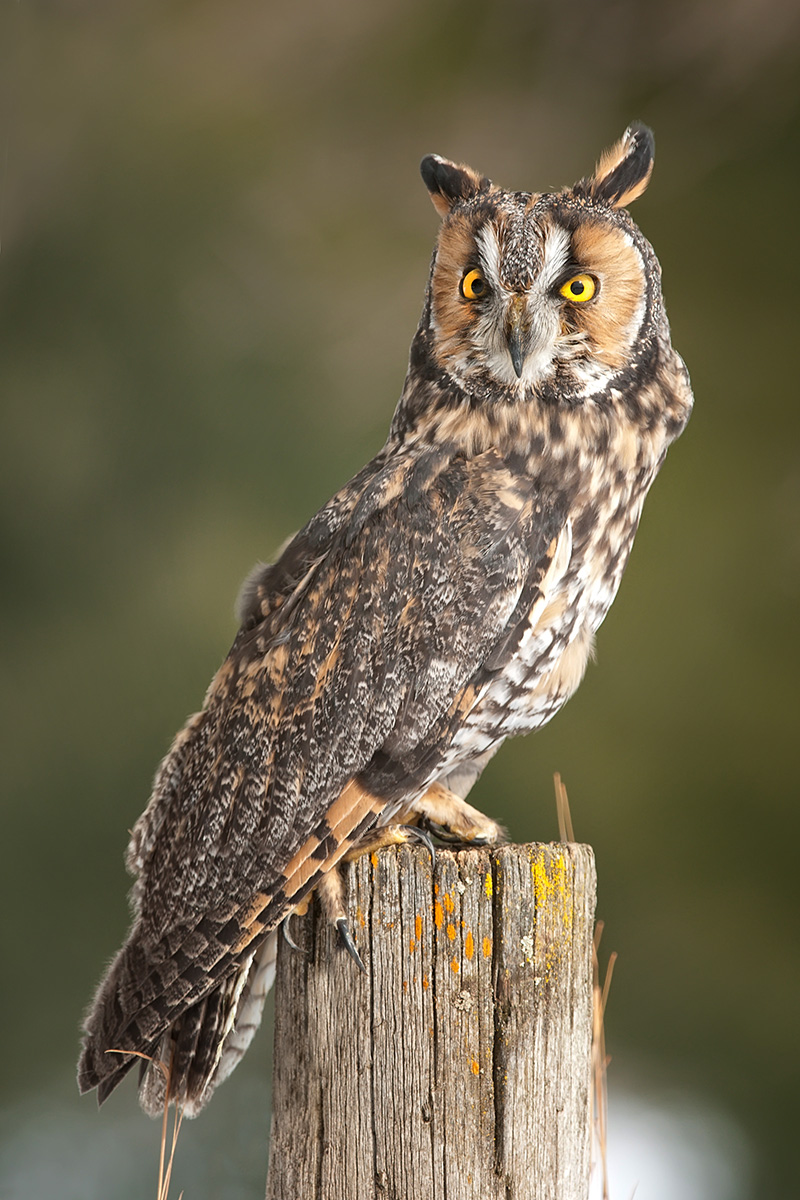
Long-eared Owls in Illinois feature distinctive long ear tufts, which are actually feather tufts rather than ears, distinguishing them from other owl species in the region. With a wingspan ranging between 86-100 cm and a weight of 178-435 grams, these owls are known for their preference for dense forests where they roost, especially during the winter months. Their elusive nature and exceptional camouflage skills make them expert nocturnal hunters, preying on small mammals and birds under the cover of darkness. Long-eared Owls are masters of blending into their forest habitats, using their feather tufts to break up their outline and remain hidden from potential threats. Their slender bodies and silent flight enable them to navigate through the trees with precision as they search for prey. Observing these fascinating creatures in their natural environment provides a glimpse into the intricate balance of nature and the importance of conservation efforts to protect these remarkable nocturnal hunters.
Short-eared Owl
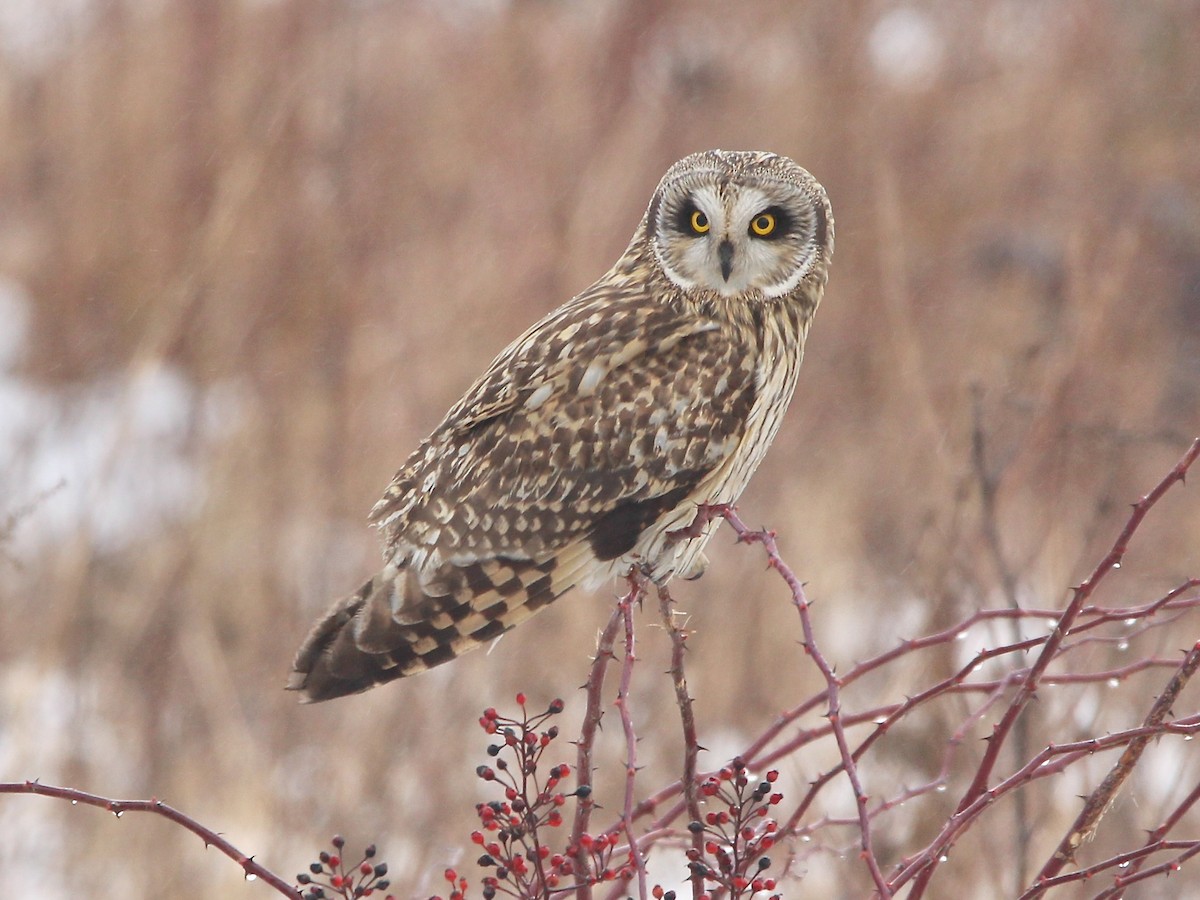
Short-Eared Owls in Illinois exhibit a size range of 34-43 cm and a weight range of 206-475 grams. These medium-sized owls boast a wingspan of 85-110 cm, making them prominent residents in the state. When it comes to their habitat and behavior, Short-Eared Owls prefer open areas such as grasslands and marshes for hunting purposes. Their year-round presence in Illinois allows for ample opportunities to observe these fascinating creatures up close. One of the most distinctive features of Short-Eared Owls is their facial disc, which aids in capturing sound and locating prey efficiently.
- Short-Eared Owls in Illinois prefer open areas for hunting.
- These owls are year-round residents in the state.
- The facial disc of Short-Eared Owls is a key feature aiding in their hunting abilities.
- Spotting Short-Eared Owls is most likely during the twilight hours of dawn and dusk.
Northern Saw-whet Owl
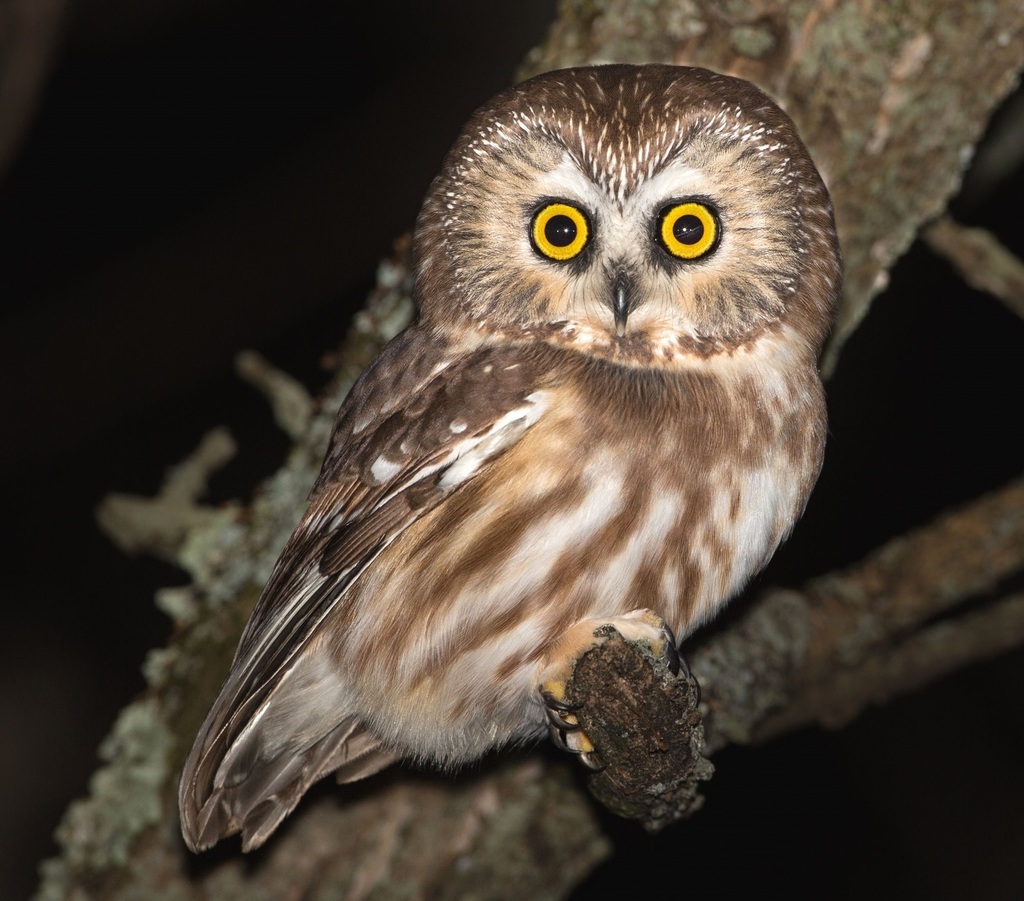
A small owl species found in Illinois, the Northern Saw-whet Owl measures 18-20 cm in size and weighs 54-151 grams. Recognized for its distinctive saw-whet call, resembling the sound of a saw being sharpened, these migratory birds are frequently observed during the fall season in locations like Starved Rock State Park in Illinois. With a wingspan ranging from 42-56.3 cm, these owls prey primarily on small mammals such as mice and voles, utilizing their sharp talons and exceptional night vision for nocturnal hunting activities. Conservation efforts play a vital role in safeguarding the Northern Saw-whet Owl population, especially during their migration periods. Monitoring and protecting these owls during their travels are essential to ensure their survival and contribute to the biodiversity of Illinois. By understanding their habits, habitats, and the challenges they face, conservationists can devise strategies to support these fascinating creatures and maintain a sustainable environment for them in Illinois.
Snowy Owl

The Snowy Owl, a winter visitor to Illinois, is a majestic species known for its striking white plumage and impressive wingspan, making it one of the largest owl species found in the state.
- Snowy Owls are well-adapted to their Arctic habitat with a wingspan ranging from 125-150 cm, allowing them to soar gracefully through the cold skies.
- Their pristine white plumage, adorned with dark markings, provides effective camouflage against the snowy landscapes they inhabit.
- These owls primarily feed on lemmings, but during their stay in Illinois, they also hunt birds and small mammals to sustain themselves.
- Snowy Owls are recognized for their distinctive hoots and calls, which echo across the winter landscape, adding to the allure of encountering these magnificent creatures.
Observing Snowy Owls in Illinois during the winter months is a special opportunity to witness their beauty and adaptability in a different environment.
Northern Hawk Owl

Rarely seen in Illinois except during the winter months, the Northern Hawk Owl (Surnia ulula) possesses distinct physical characteristics that set it apart from other owl species. This rare owl species showcases a unique appearance with a long tail, short wings, and a rounded head devoid of ear tufts. Weighing between 300 to 400 grams and sporting a wingspan ranging from 69 to 82 cm, these owls prefer open habitats such as fields, meadows, and marshes, making them stand out among their counterparts. Notably, Northern Hawk Owls exhibit an uncommon perching behavior, often perched conspicuously on tree tops while on the hunt for small mammals. Their presence in Illinois adds to the diverse owl population in the state, providing a fascinating opportunity for bird enthusiasts to witness this distinctive species in action during the colder months.