

Discover Ohio’s 7 woodpeckers, each with unique traits. From the smallest Downy Woodpecker, adept at hunting insects, to the largest Hairy Woodpecker with longer bills for bark pecking. Meet the vibrant Red-bellied Woodpecker, skilled at foraging with chisel-like beaks. Explore the ground-foraging Northern Flicker, forming lasting pair bonds. Encounter the impressive Pileated Woodpecker, important for forest insect control. Spot the speckled Yellow-bellied Sapsucker with a specialized diet. Finally, admire the Red-headed Woodpecker with its conspicuous red head. Ohio’s woodpeckers are diverse wonders essential to the state’s ecosystem.
Downy Woodpecker

The Downy Woodpecker, the smallest woodpecker species in Ohio, is known for its distinctive features and feeding habits. Measuring between 5 to 7 inches in length, these woodpeckers sport striking black and white markings, with males showcasing a small red spot on the back of their heads, a feature absent in females. Found commonly in Ohio, these birds are adept at foraging for insects, spiders, and tree sap using their pointed beaks. Downy Woodpeckers prefer nesting in cavities within dead or dying trees, where they raise their young. With a lifespan of 6-8 years in the wild, these woodpeckers contribute to the ecosystem through their feeding habits and nesting practices. Despite their small size, Downy Woodpeckers play a significant role in the biodiversity of Ohio, distinguishing themselves from the larger Hairy Woodpeckers through their shorter bills and red patches.
Hairy Woodpecker
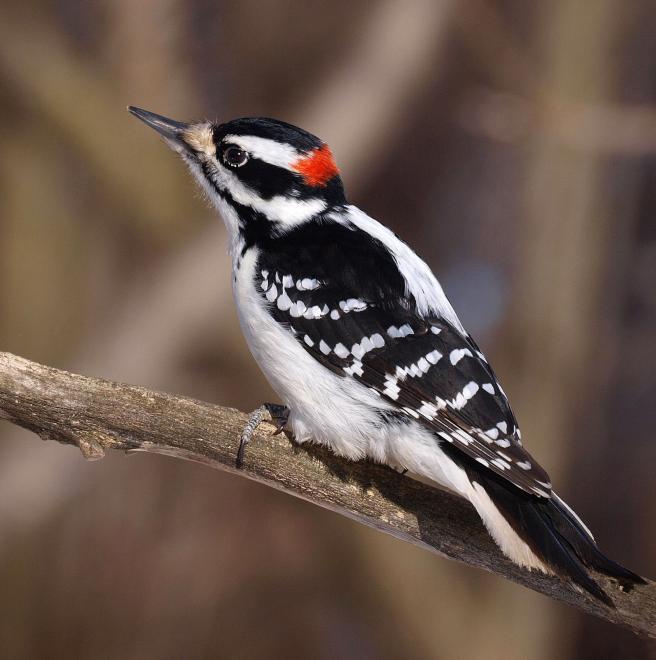
With their larger size and distinct plumage pattern, the Hairy Woodpeckers in Ohio stand out as a notable species within the woodpecker family. Here are some fascinating facts about these impressive birds:
- Size Matters: The Hairy Woodpecker is the largest woodpecker species in Ohio, measuring between 9.25 to 10 inches in length, making them a striking sight among the trees.
- Plumage Patterns: Sporting a plumage pattern akin to the smaller Downy Woodpecker, the Hairy Woodpecker showcases less white feathers in the Western U.S. variants, adding to its unique appearance.
- Adaptations for Survival: Equipped with longer bills in proportion to their head length, Hairy Woodpeckers expertly use them to peck at tree bark for insects. Their adapted feet and claws allow them to cling securely to tree trunks while foraging for food, showcasing their specialized adaptations for thriving in their forest habitat.
Red-bellied Woodpecker
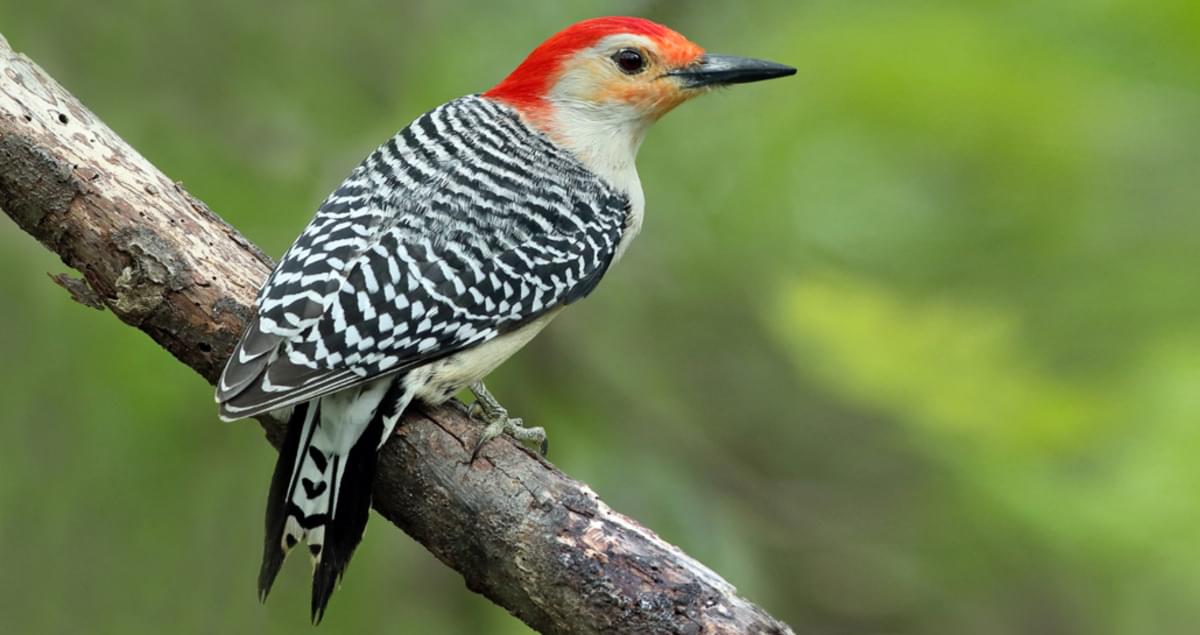
Occasionally showcasing vibrant red caps, the Red-bellied Woodpeckers in Ohio possess distinct features that set them apart in the woodpecker family. These cavity-nesting birds are known for their striking red plumage, with males boasting a bright red cap and females displaying red on their napes. Measuring around 9.25 inches in length with an impressive wingspan of 16 inches, Red-bellied Woodpeckers use their long, dark, chisel-like beaks for foraging insects and excavating cavities in trees. Their tan bodies with a black and white back pattern make them easily distinguishable in Ohio’s woodlands. These woodpeckers play a crucial role in the ecosystem by providing nesting opportunities for other cavity-nesting birds.
| Feature | Description |
|---|---|
| Size | Around 9.25 inches in length with a 16-inch wingspan |
| Plumage | Vibrant red caps on males, red napes on females |
| Beak | Long, dark, chisel-like for foraging and excavating |
Northern Flicker

Distinct from the Red-bellied Woodpecker, the Northern Flicker in Ohio stands out with its unique black crescent marking on the chest, aiding in easy identification of this ground-foraging woodpecker species. Here are some intriguing facts about Northern Flickers:
- Distinctive Plumage: Northern Flickers boast a speckled brown back and a spotted breast, making them easily recognizable among other woodpecker species.
- Foraging Behavior: These woodpeckers are known for their ground-foraging habits, where they search for ants, fruits, and seeds, rather than relying solely on tree trunks for food.
- Breeding Habits: Northern Flickers are cavity nesters that form long-term monogamous pair bonds. They can be found nesting in various habitats, including open woodlands, meadows, and parks, where they excavate cavities for shelter and raising their young. Their commitment to their partners and unique nesting habits make them fascinating subjects for observation in Ohio’s diverse woodlands.
Pileated Woodpecker

Inhabiting mature forests primarily, the Pileated Woodpecker is the largest woodpecker species in North America, measuring 16.5 inches in length with a wingspan of 29 inches. These impressive birds are easily recognizable by their striking black and white plumage accented by a vibrant red crest atop their heads. Pileated Woodpeckers are skilled excavators, using their powerful beaks to create large holes in trees as they search for insects to feed on and to carve out nesting cavities.
| Key Facts | Description |
|---|---|
| Size | Largest woodpecker species in North America |
| Habitat | Primarily found in mature forests, rare in urban areas |
| Feeding Habits | Excavates trees for insects, creates nesting cavities |
| Physical Characteristics | Black and white markings, red crest on head, wingspan of 29 inches |
Pileated Woodpeckers play a vital role in forest ecosystems by controlling insect populations and creating habitats for themselves and other cavity-nesting species. Though less common in urban settings, these magnificent birds can still be observed in various parts of Ohio where suitable mature forests provide them with ample foraging and nesting opportunities.
Yellow-bellied Sapsucker

The Yellow-bellied Sapsucker, a smaller woodpecker species in Ohio, stands out with its distinctive plumage and specialized feeding habits. Here are some fascinating facts about the Yellow-bellied Sapsucker:
- Size and Appearance: Yellow-bellied Sapsuckers in Ohio measure around 8.5 inches in length with an impressive wingspan of 16 inches. Males sport a striking red throat bordered by black, while females exhibit a contrasting white throat.
- Plumage: These woodpeckers feature yellow undersides with speckled plumage that provides excellent camouflage in their woodland habitats. Additionally, their wings and tail are adorned with distinct white stripes, adding to their unique appearance.
- Feeding Habits: Yellow-bellied Sapsuckers have a specialized diet consisting of sap, insects, and fruit. Their feeding behavior involves drilling small holes in trees to extract sap, making them important contributors to their ecosystem’s balance.
The Yellow-bellied Sapsucker’s remarkable characteristics make it a fascinating species to observe in the diverse woodpecker population of Ohio.
Red-headed Woodpecker
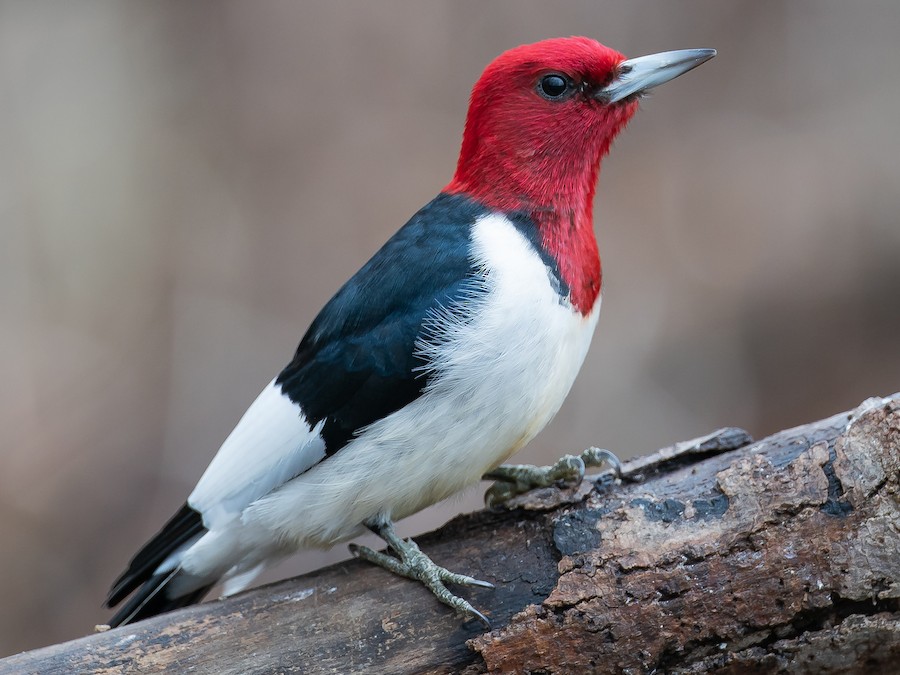
With its striking red head, black back, and white belly, the Red-headed Woodpecker in Ohio is easily recognizable among its woodland counterparts. Sadly, this distinctive species has experienced population declines in the state primarily due to habitat loss. Red-headed Woodpeckers are known for their unique food storage behaviors, where they hide nuts, seeds, and insects for later consumption. Their specific habitat preferences and distinctive call make them stand out among Ohio woodpeckers. Conservation efforts are crucial to protect these beautiful birds. Observers are encouraged to keep an eye out for Red-headed Woodpeckers in suitable habitats and report sightings to contribute to conservation initiatives. By understanding their behaviors and needs, we can work towards preserving the Red-headed Woodpecker population in Ohio for future generations to enjoy.