

Defend your plants naturally with these 9 homemade insecticide recipes. Craft a dish soap spray to tackle soft-bodied pests like aphids. Use oil spray to suffocate insects such as mites and scale. Employ tomato leaf insecticide for an eco-friendly deterrent. Try garlic repellent spray to keep pests like aphids and slugs at bay. Mix hot pepper spray for an organic insect deterrent. Consider essential oils, soap-based solutions, neem oil, garlic, and herbal insecticides for a safer option. Uncover effective ways to safeguard your garden and promote plant growth with these homemade insecticides.
Dish Soap Spray

Creating a dish soap spray can effectively combat soft-bodied pests in your garden. This homemade insecticide is a simple yet powerful solution made by mixing mild liquid soap with water. When applied to plants, the dish soap spray targets insects like aphids, mites, and mealybugs. The soap works by disrupting the pests’ cell membranes, leading to dehydration and suffocation. One of the key advantages of using dish soap spray is that it is a natural and safe option for pest control, as long as it is properly diluted and applied. Regularly using this spray can help not only control existing insect infestations but also prevent future ones from occurring in your garden. By incorporating dish soap spray into your pest management routine, you can protect your plants from harm without resorting to harsh chemicals.
Oil Spray

To effectively combat soft-bodied pests in your garden, consider using oil spray as a homemade insecticide solution. Oil spray is a potent mixture of vegetable oil, mild liquid soap, and water that effectively suffocates and disrupts the cell membranes of insects like aphids, mites, and scale. By applying oil spray to your plants, you can control and deter pests while being environmentally conscious.
To make your own oil spray, mix together 1 cup of vegetable oil, 1 tablespoon of mild liquid soap, and 1 quart of water. Shake well before use and spray it directly onto the infested plants, ensuring good coverage of both the tops and bottoms of leaves. Remember to avoid applying oil spray during the hottest parts of the day to prevent plant damage.
Here is a table outlining the ingredients and steps to create your own oil spray:
| Ingredients | Amount |
|---|---|
| Vegetable oil | 1 cup |
| Mild liquid soap | 1 tablespoon |
| Water | 1 quart |
Tomato Leaf Insecticide

Consider soaking chopped tomato leaves in water to create a natural spray that effectively deters pests in your garden. This homemade remedy utilizes the alkaloids present in tomato leaves, which are toxic to aphids and mites, providing an eco-friendly pest control solution. By using tomato leaf insecticide, you not only protect your plants but also contribute to a sustainable gardening approach. Here are some key benefits of using tomato leaf spray:
- Eco-Friendly: Tomato leaf insecticide is a natural spray that does not harm the environment, making it a great choice for eco-conscious gardeners.
- Cost-Effective: Making your own tomato leaf spray is a budget-friendly alternative to purchasing commercial pesticides, saving you money in the long run.
- Effective Pest Control: The alkaloids in tomato leaves act as a natural defense mechanism against pests, helping you control infestations and prevent damage to your plants.
Garlic Repellent Spray

For creating an effective garlic repellent spray, start by pureeing garlic with water and oil to create a potent natural pest deterrent. This DIY spray is an organic alternative for pest control in gardens, repelling pests like aphids, slugs, and carrot flies without harming plants or the environment. The strong odor of garlic in the spray acts as a powerful repellent against a wide range of garden pests, making it a sustainable option for gardeners. This cost-effective and easy-to-make garlic spray provides a safe way to protect your plants while avoiding the use of chemical insecticides. Its effectiveness in repelling pests makes it a popular choice among those seeking natural solutions for pest control. Additionally, the garlic repellent spray is safe to use around children, pets, and beneficial insects, making it a versatile and environmentally friendly pest deterrent for your garden.
Hot Pepper Repellent Spray
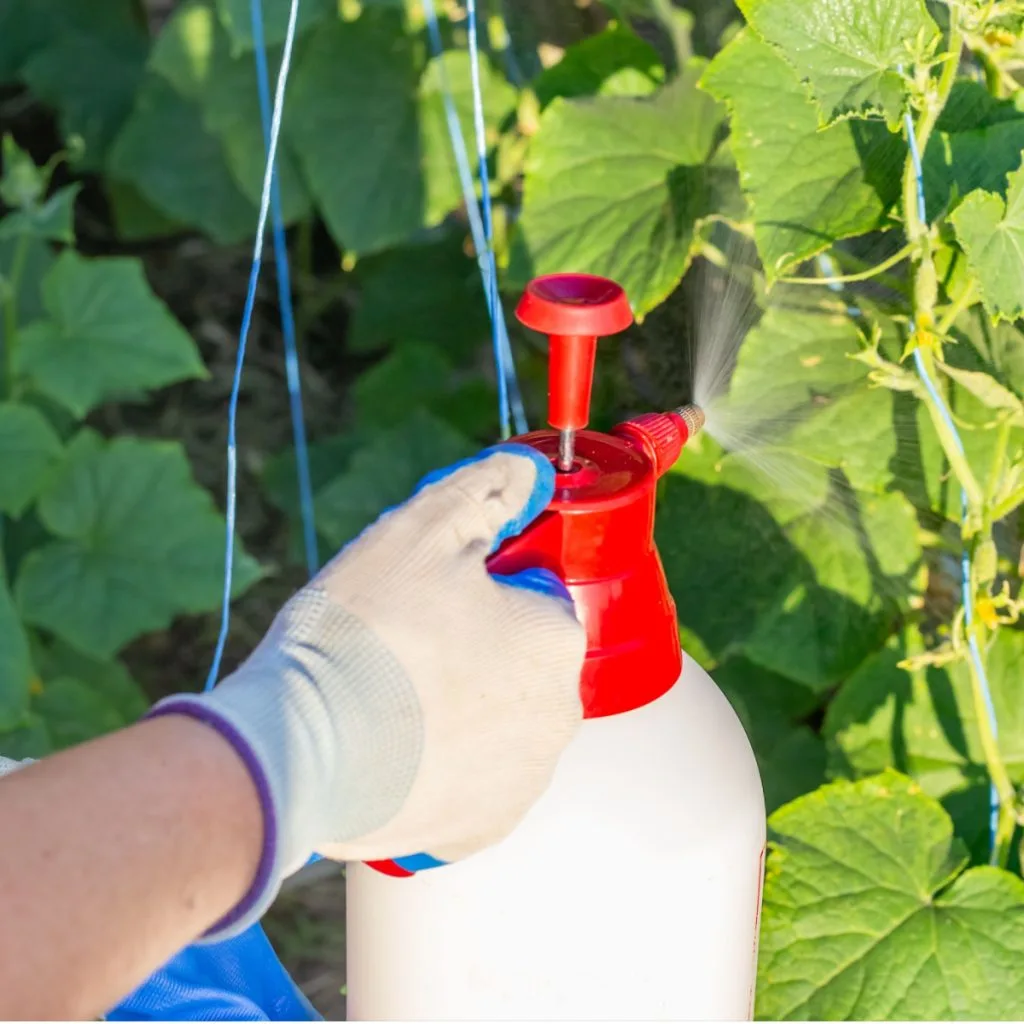
Craft a powerful insect deterrent by mixing chile powder, water, and soap to create a natural hot pepper repellent spray. This homemade bug spray utilizes the spiciness of hot pepper to repel a variety of garden pests effectively. Here’s why this Organic Insect repellent is a great addition to your pest control arsenal:
- Natural Insect Repellent: Hot pepper spray offers an organic and eco-friendly solution to repelling bugs from your plants.
- Effective Pest Control: The combination of chile powder, water, and soap acts as a potent garden spray that helps in deterring insects like aphids, caterpillars, and beetles.
- Safe Alternative: Unlike chemical insecticides, this insecticidal soap-based hot pepper spray provides a safe yet efficient method for protecting your plants from insect damage.
Neem Oil Bug Spray

Derived from the Azadirachta indica tree, neem oil bug spray is a potent insect deterrent with anti-fungal and pesticide properties. This homemade insecticidal spray is effective against a variety of garden pests such as aphids, thrips, and whiteflies. Neem oil contains Azadirachtin, which works on contact with insects, making it a powerful and deadly weapon against unwanted bugs in your garden. Not only does neem oil help protect your plants, but it is also safe for birds, pets, and beneficial insects present in your garden.
| Benefits of Neem Oil Bug Spray |
|---|
| Natural insect deterrent |
| Anti-fungal properties |
| Safe for birds and pets |
Vinegar Spray

Neem oil bug spray offers effective protection against garden pests, and another natural alternative to consider is vinegar spray, which is potent against a variety of common insects. Vinegar spray, made from a mixture of vinegar, water, and dish soap, serves as a natural insecticide that is highly effective against pests like ants, moths, roaches, and mosquitoes. The acetic acid present in vinegar is the key ingredient responsible for eliminating these pests without causing any harm to your plants. Additionally, this eco-friendly solution can also be used to repel ants from windows and entry points, providing a versatile pest control option that is safe for both your plants and the environment.
- Vinegar spray is effective against a variety of pests like ants, moths, roaches, and mosquitoes.
- Mixing vinegar with water and dish soap creates a potent natural insecticide.
- The acetic acid in vinegar helps eliminate pests without harming plants.
Cinnamon Spray

Cinnamon spray, a natural insecticide created by mixing cinnamon powder with warm water, offers an effective solution for repelling ants in potting soil and on plants. The strong scent of cinnamon serves as a deterrent for insects, making it a valuable tool in protecting your plants from pests. This homemade insecticide is safe for plants and provides a non-toxic pest control option for your garden.
To make cinnamon spray, simply combine a few tablespoons of cinnamon powder with warm water in a spray bottle. Shake the mixture well to ensure the cinnamon is evenly distributed in the water. Then, you can apply the spray directly onto areas where ants are present or on plants that need protection. The cinnamon scent will help drive away pests without harming your plants, offering a natural and effective way to keep your garden healthy. Try using cinnamon spray as a targeted solution for pesky insect problems in your garden.
Witch Hazel and Essential Oils

To expand on natural insecticide options beyond cinnamon spray, consider utilizing witch hazel and essential oils for an effective homemade bug repellent solution. When combined, witch hazel and essential oils create a potent insect repellent spray that can help keep garden pests at bay. Here’s how you can make your own natural insect repellent using witch hazel and essential oils:
- Mix essential oils such as citronella, eucalyptus, and lavender with witch hazel to create a bug repellent spray.
- Utilize witch hazel as a carrier for essential oils in homemade bug sprays to enhance their effectiveness.
- Take advantage of witch hazel’s astringent properties to boost the bug repellent properties of essential oils in your insect control sprays.