

For top-notch planter boxes, opt for Redwood with its rot resistance and durability lasting for 20 years. Eastern Red Cedar, abundant in Texas, offers decay resistance and a pleasant scent. Western Red Cedar boasts exceptional durability and a beautiful reddish-brown hue. Cypress is durable, lightweight, and environmentally sustainable. Douglas Fir strikes a balance of affordability and longevity with a Janka hardness rating of 660 lbf. Larch and Eastern Hemlock also stand out. Each wood type brings unique benefits for your garden. Make your planters last for years with these excellent choices.
1. Redwood

Redwood, renowned for its natural resistance to rot and impressive durability, is a top choice for crafting long-lasting and low-maintenance planter boxes. With a high Janka rating of 3,190 lbf, redwood stands out for its ability to withstand outdoor elements while maintaining its structural integrity. It can endure up to 20 years of use, making it a reliable option for those seeking longevity in their planter boxes. Despite being more expensive than other woods, the minimal maintenance required and the beautiful aesthetics of redwood justify its cost. Its rot-resistant properties make it a preferred material for outdoor planters, as it can withstand moisture and soil exposure without deteriorating quickly. Choosing redwood for your planter boxes ensures not only durability but also a timeless appeal that enhances the overall look of your outdoor space.
2. Eastern Red Cedar

Abundant in Texas, Eastern Red Cedar presents a practical option for crafting durable and long-lasting planter boxes. This wood type, known for its natural resistance to decay and insects, ensures that your planter boxes will stand the test of time without succumbing to environmental factors. Eastern Red Cedar’s durability makes it an excellent choice for raised garden beds, as it can withstand the moisture and soil present in these settings.
When considering the best wood for planter boxes, Eastern Red Cedar stands out for its lightweight nature, making it easy to handle and work with for DIY projects. Its pleasant aroma adds a touch of natural fragrance to your garden, enhancing the overall ambiance of your outdoor space. With its reputation for longevity and low maintenance requirements, Eastern Red Cedar emerges as a reliable and attractive option for those looking to invest in high-quality planter boxes that will endure for years to come.
3. Western Red Cedar
When considering Western Red Cedar for your planter boxes, you’ll benefit from its exceptional durability against the elements. The wood’s natural resistance to rot and insects ensures longevity, while its attractive reddish-brown hue adds a touch of elegance to your garden. Incorporating Western Red Cedar in your DIY projects guarantees both a visually pleasing and long-lasting solution for your gardening needs.

Durability of Cedar
Known for its exceptional durability, Western Red Cedar is a top choice for outdoor planter boxes due to its resistance to decay and insect damage. Cedar’s natural oils act as preservatives, enhancing its longevity and making it an excellent option for outdoor use. With a Janka hardness rating of 900 lbf, cedar is not prone to dents or damage from impacts, ensuring your planter boxes remain sturdy over time. Additionally, the lightweight nature of Western Red Cedar makes it easy to handle and work with, perfect for DIY projects. The longevity of cedar planter boxes can exceed 15 years when properly maintained, offering a sustainable and enduring solution for your gardening needs.
Aesthetic Appeal

Enhancing your outdoor space with a touch of rustic elegance, Western Red Cedar’s aesthetic appeal for planter boxes is unmatched. The rich color of Western Red Cedar not only adds vibrancy to your garden but also matures gracefully, exuding a timeless rustic charm. Its natural grain patterns and knots create a visually striking appearance, making each planter box unique in design. Additionally, the distinct cedar scent emanating from the wood enhances the ambiance of your outdoor area, providing a sensory delight.
| Key Feature | Description |
|---|---|
| Rich Color | Vibrant hues that age beautifully, adding a rustic charm. |
| Natural Grain Patterns | Unique patterns and knots that enhance visual appeal. |
| Distinct Cedar Scent | Pleasant aroma that elevates the outdoor experience. |
| Fine Texture | Smooth finish and fine texture for an elegant look. |
| Minimal Maintenance | Natural resistance to decay and insects, requiring minimal upkeep to maintain its aesthetic allure. |
Western Red Cedar’s fine texture and minimal maintenance requirements make it a top choice for those seeking both beauty and practicality in their planter boxes.
4. Cypress
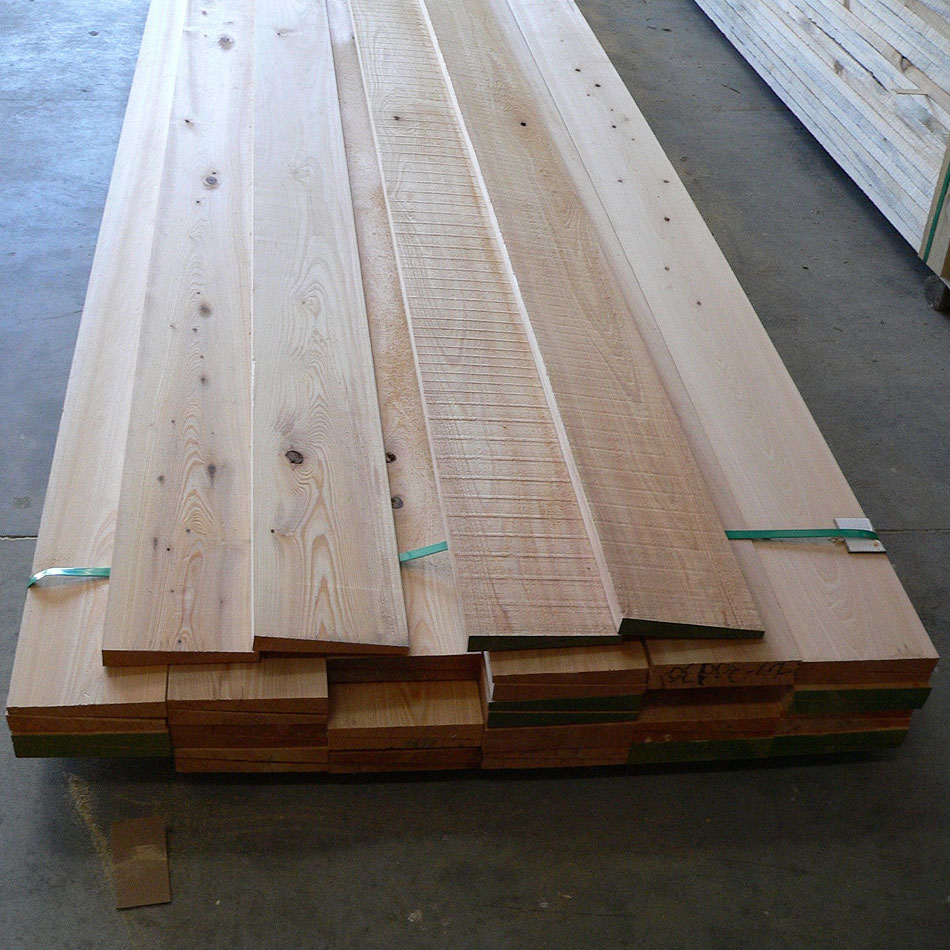
Cypress wood, with its exceptional durability and resistance to decay, stands out as an excellent choice for crafting outdoor planter boxes. Here are some key points to consider when using cypress wood for your planter boxes:
- Durability and Decay-Resistance: Cypress wood is highly durable and naturally resistant to decay, ensuring longevity for your outdoor planter boxes.
- Aesthetic Appeal: Known for its natural beauty, cypress wood showcases a unique grain pattern and color that adds an elegant touch to your garden or patio.
- Lightweight and Easy to Handle: Being relatively lightweight, cypress wood makes it easier to move or rearrange your planter boxes as needed.
Cypress wood’s weather-resistant properties make it a popular choice for outdoor furniture and structures. Sourced sustainably from the cypress tree, which thrives in swampy environments, using cypress wood for your planter boxes not only provides functionality but also contributes to environmentally friendly practices.
5. Douglas Fir

Considered a popular choice for planter boxes, Douglas Fir offers a balance of affordability and durability, making it a practical option for outdoor gardening projects. This wood is widely available and is favored for its moderate pricing, making it a budget-friendly option for DIY enthusiasts. With a Janka hardness rating of 660 lbf, Douglas Fir is a durable choice that can withstand outdoor elements. Its resistance to decay adds to its longevity, allowing your planter boxes to last for several years with proper care. Additionally, Douglas Fir is lightweight, which not only makes it easy to handle but also ideal for crafting custom-sized planters without much effort. While it may not be as rot-resistant as cedar or redwood, Douglas Fir remains a solid choice for those looking for a cost-effective yet durable wood for their gardening projects.
6. Larch
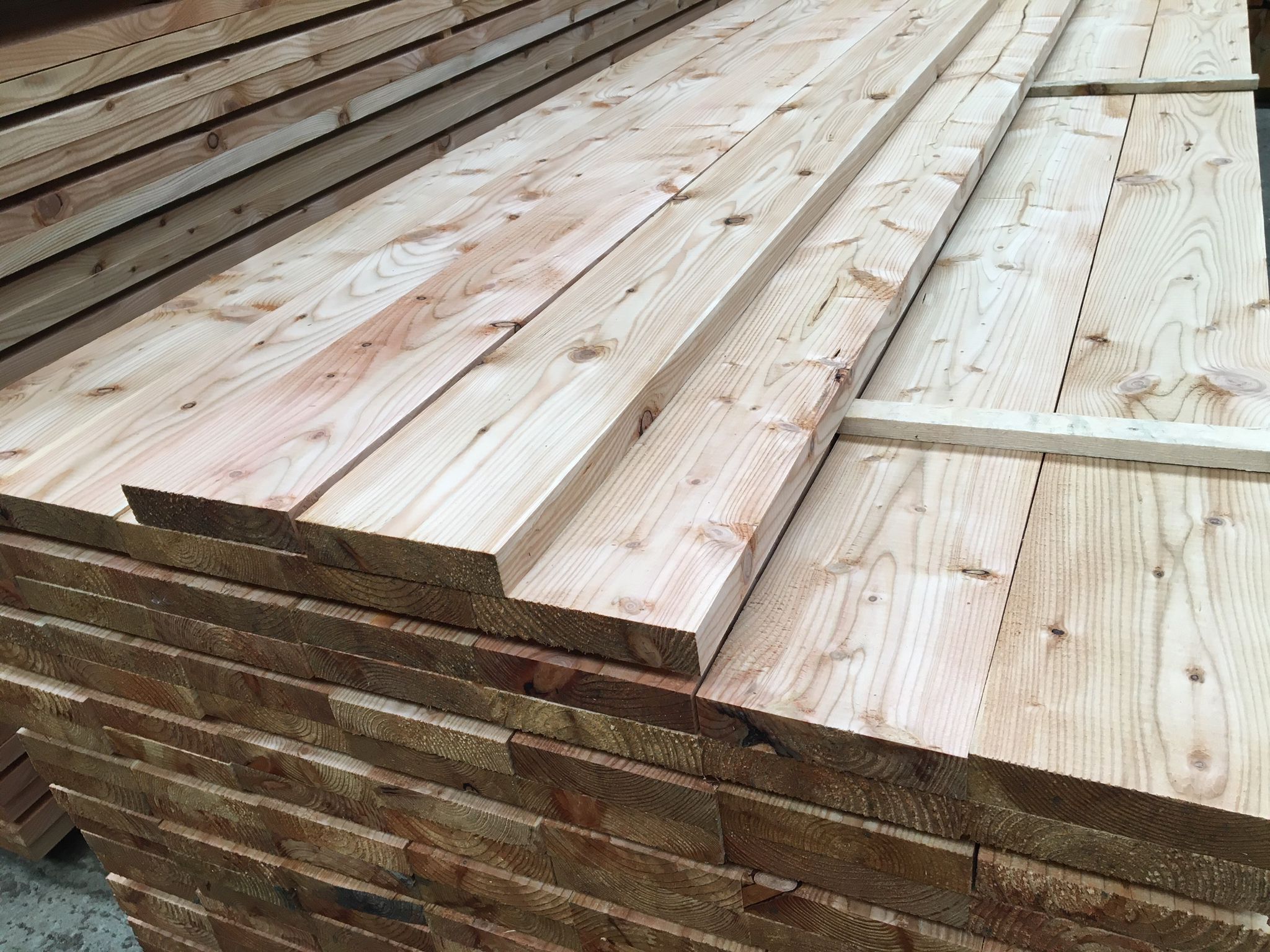
What makes Larch wood a top choice for planter boxes? Larch stands out as an excellent option due to its exceptional durability and resistance to rot, ensuring your planter boxes remain in top condition for years to come. The unique grain pattern of Larch wood adds a touch of natural beauty to your garden, creating a rustic and charming aesthetic. Additionally, its environmentally friendly nature, sourced from sustainably managed forests, makes it a sustainable choice for eco-conscious gardeners. Larch wood’s lightweight yet strong characteristics make it a practical material for DIY projects, allowing for easy handling during construction. When properly cared for, Larch planter boxes can withstand the test of time, offering a long-lasting solution for your gardening needs. Consider Larch wood for your next planter box project to enjoy both its aesthetic appeal and practical benefits.
7. Eastern Hemlock

Eastern Hemlock stands out as a durable and cost-effective wood choice for constructing planter boxes, known for its resistance to decay and insects. This wood species, with a Janka hardness rating of 800 lbf, is a sturdy option suitable for outdoor use. Eastern Hemlock’s availability in North America, particularly in the Eastern United States and Canada, makes it a convenient choice for many woodworking projects, including planter boxes. Its natural beauty adds an aesthetic appeal to any garden or outdoor space.
—
| Attribute | Details |
|---|---|
| Durability | Resistant to decay and insects |
| Janka Hardness | 800 lbf |
| Cost-Effectiveness | Affordable option for long-lasting planter boxes |
| Availability | Commonly found in North America |
| Aesthetic Appeal | Adds natural beauty to woodworking projects |