

Discover all eight hummingbird species in Kansas, including the vibrant Ruby-throated with males showcasing red throats. The iridescent Black-chinned, Rufous with orange-red throats, and the diminutive Calliope known for its magenta throat feathers. Encounter the stunning Broad-tailed with rose-colored throat patch, the vibrant Anna’s with iridescent green plumage, the rare Allen’s with rusty-orange sides, and the elusive Buff-bellied with emerald green back. These diverse species bring vibrancy to Kansas’ birdlife. Explore these unique hummingbirds and their habitats, adding color and beauty to the state’s flying jewels.
1. Ruby-throated Hummingbird

The Ruby-throated Hummingbird, the sole breeding hummingbird species in Kansas, displays distinct coloration differences between males and females. Males exhibit a vibrant red throat, which shimmers when light hits it at the right angle, while females have a white throat that contrasts with their green and white underparts. During breeding season, which lasts around one year, males perform impressive aerial displays to attract female mates. To make sure these tiny birds thrive in your area, consider planting a variety of tubular flowers like bee balm, cardinal flower, and trumpet vine to provide nectar. Ruby-throated Hummingbirds are attracted to areas with abundant flowers, making woodland edges, gardens, and open spaces ideal locations for spotting them. These migratory birds travel from Central America to breed in the eastern United States, including Kansas, and sustain themselves mainly on flower nectar, supplementing their diet with insects for protein.
2. Black-chinned Hummingbird

Identified by its iridescent purple throat in males and white throat with dusky spots in females, the Black-chinned Hummingbird is a common summer resident in western Kansas, with occasional sightings in other parts of the state. These hummingbirds are often found in open woodlands, riparian areas, and scrublands where they build their nests and forage for food. Their diet primarily consists of nectar obtained from various flowers, supplemented with small insects for protein.
During migration periods, Black-chinned Hummingbirds can be observed in Kansas from late April to early May and then again from late July to early September. Their presence adds to the vibrant hummingbird diversity in the state. If you’re lucky enough to spot one, you may witness their quick, darting flight patterns as they move from flower to flower in search of food. Keep an eye out for these enchanting creatures with their distinctive plumage and unique feeding habits when exploring the natural landscapes of Kansas.
3. Rufous Hummingbird

To further explore the hummingbird diversity in Kansas, let’s now shift our focus to the Rufous Hummingbird, a small and aggressive species known for its distinctive orange-red throats in males and green and orange coloring in females. These hummingbirds breed in the Pacific Northwest and Alaska, undertaking impressive migrations through Kansas during spring and fall. Rufous Hummingbirds prefer open areas with abundant flowers, making gardens, meadows, and forest edges their ideal habitats. Their territorial behavior is marked by fierce protection of food sources and nesting sites.
| Rufous Hummingbird | |
|---|---|
| Migration Patterns | Breed in the Pacific Northwest and Alaska, migrate through Kansas during spring and fall. |
| Color Variations | Males have bright orange-red throats and upperparts, while females show green and orange coloring. |
| Feeding Habits | Prefer areas with ample flowers for nectar consumption. |
| Habitat Preferences | Found in gardens, meadows, and forest edges. |
4. Calliope Hummingbird
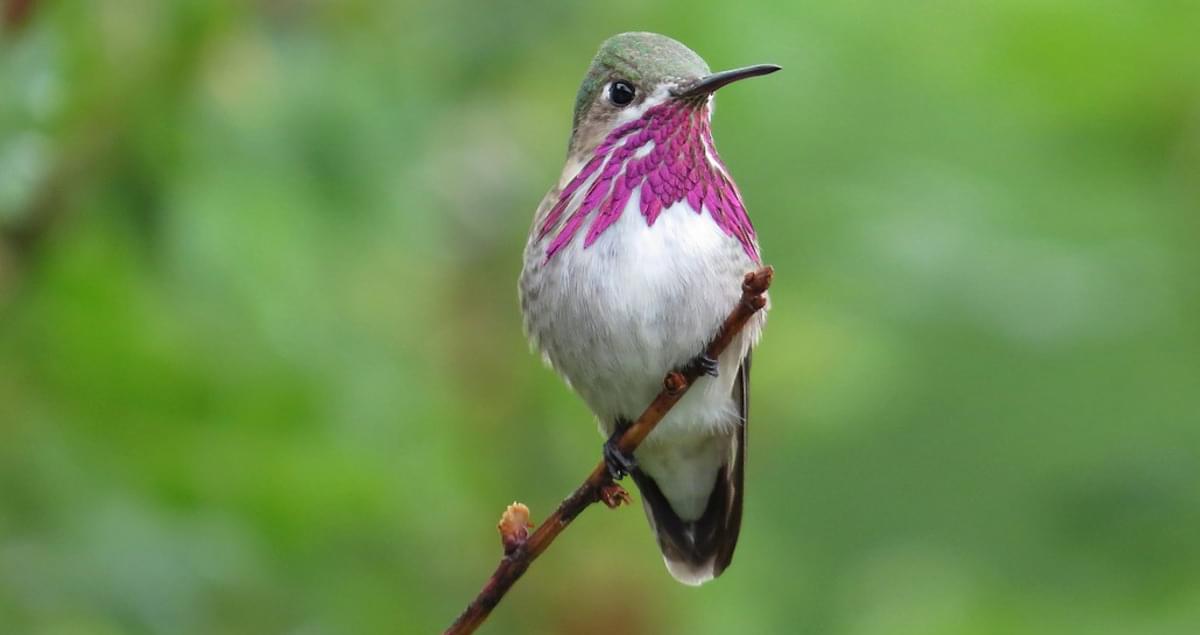
With vibrant magenta streaks adorning their throats, the diminutive Calliope Hummingbird holds the title of the smallest breeding bird in North America. These tiny birds, measuring only about 3 inches in length, are known for their remarkable migration patterns. Calliope Hummingbirds breed in mountainous regions of the western United States and then embark on a journey to Mexico and Central America for the winter.
During courtship displays, male Calliope Hummingbirds showcase their striking magenta throat feathers and perform elaborate aerial acrobatics to attract females. Their courtship rituals often involve high-pitched, insect-like trill vocalizations that resonate through their alpine habitats.
In Kansas, the Calliope Hummingbird is a rare visitor during migration, mainly spotted in the western part of the state. Birdwatchers are delighted by the opportunity to catch a glimpse of these elusive birds as they traverse through the region on their seasonal journeys.
5. Broad-tailed Hummingbird

The Broad-tailed Hummingbird, a rare visitor to Kansas, is typically found in the western part of the state during migration. This species showcases a striking appearance with a metallic green back, white underparts, and a distinctive rose-colored throat patch in males. Known for their buzzing sound created by rapid wingbeats during flight, Broad-tailed Hummingbirds have a breeding range extending from the western United States into Mexico, where they favor mountainous habitats. Their migration patterns are impressive, as these tiny birds travel long distances between their breeding grounds and wintering areas. During migration, they may pass through Kansas, offering a unique opportunity for birdwatchers to catch a glimpse of this captivating species. Keep an eye out for these elegant hummingbirds as they navigate their way through the western landscapes of Kansas on their awe-inspiring migratory journey.
6. Anna’s Hummingbird

A strikingly vibrant visitor to Kansas during migration, Anna’s Hummingbird (Calypte anna) displays iridescent green plumage and a prominent pinkish-red crown and throat, particularly noticeable in males. These hummingbirds are rare in Kansas, mainly found in the western part of the state during their migration periods. Anna’s Hummingbirds are year-round residents of the western United States, from California to British Columbia, favoring a range of habitats. In Kansas, they are often spotted in backyard feeders that offer sugar water solutions.
Known for their preference for various plant types, Anna’s Hummingbirds feed on nectar from garden flowers, shrubs, and trees. Their feeding behavior contributes to the pollination of these plants. During migration, they seek out areas rich in nectar sources to fuel their journey. Observing these beautiful creatures in Kansas provides a rare opportunity to witness their colorful plumage and graceful flight patterns.
7. Allen’s Hummingbird

Allen’s Hummingbird, a rare vagrant species in Kansas, is primarily known for its vibrant green back and forehead, complemented by a rusty-orange throat and sides. This unique coloring sets it apart from other hummingbird species and makes it a distinctive sight for birdwatchers. When it comes to Allen’s Hummingbird sightings in Kansas, these occurrences are sporadic but tend to peak during migration seasons. Here are some key points to consider:
- Migration Patterns: Allen’s Hummingbirds are typically seen in Kansas during the spring and fall as they journey to and from their breeding grounds along the Pacific Coast. Their presence in the state is transient, emphasizing the importance of timing for bird enthusiasts hoping to catch a glimpse.
- Preferred Habitats: These hummingbirds are attracted to open areas with abundant nectar sources. Gardens with suitable flowers or feeders are likely hotspots for Allen’s Hummingbird sightings in Kansas, providing opportunities for observation and study.
- Western Sightings: In Kansas, sightings of Allen’s Hummingbirds are more commonly reported in the western regions of the state, aligning with their general distribution pattern in the United States.
8. Buff-bellied Hummingbird
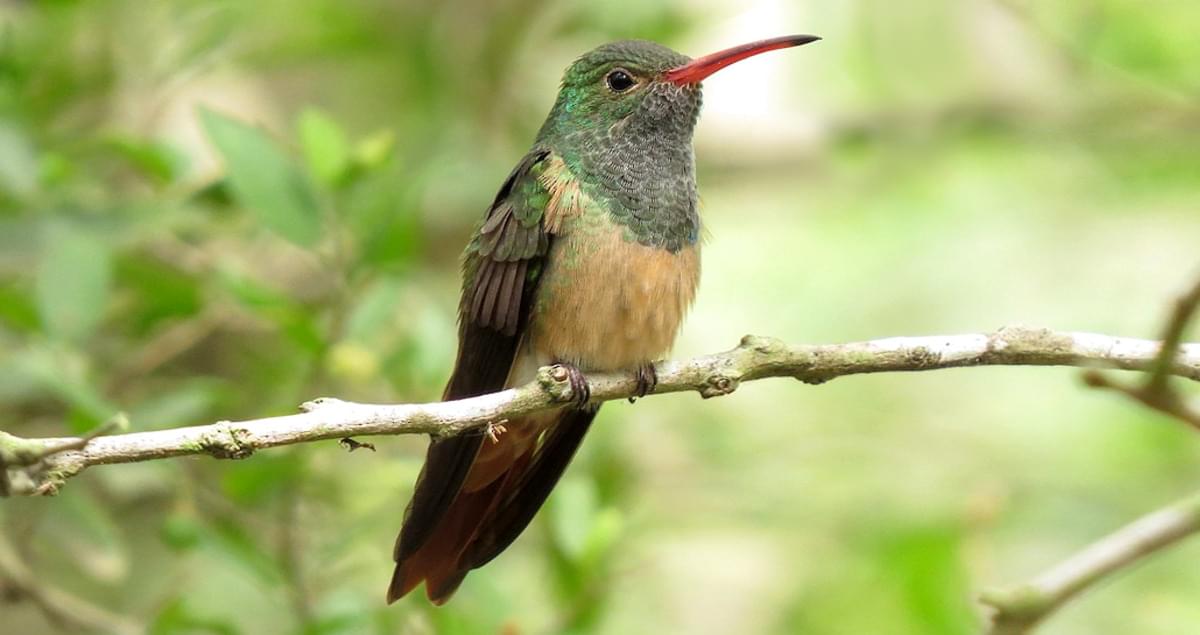
With its distinctive emerald green back and cinnamon-colored flanks, the Buff-bellied Hummingbird is a rare visitor to Kansas. These hummingbirds typically inhabit regions along the Gulf Coast and southern Texas but venture north during migration periods. Known for their striking appearance, which includes a buff-colored belly, Buff-bellied Hummingbirds seek out habitats abundant in nectar-rich flowers and insects for protein.
During migration, these hummingbirds may pass through Kansas, making occasional sightings possible for birdwatchers lucky enough to spot them. To attract Buff-bellied Hummingbirds, consider planting a variety of nectar-rich flowers in your garden or setting up feeders with a sugar water solution. Creating an inviting environment with suitable food sources can increase the chances of these rare visitors gracing your backyard.
Keep an eye out for these beautiful hummingbirds with their unique coloring and distinct features, adding a touch of vibrancy to the birdlife in Kansas during their migration periods.