

Embark on a journey through New Jersey’s owl kingdom, home to eight mesmerizing species. From the majestic Great Horned Owl with its exceptional care for young to the elusive Long-eared Owl, each owl boasts unique traits. The Barn Owl, with its heart-shaped facial disc, and the Northern Saw-whet Owl, known for its saw-like call, add diversity. You’ll be captivated by the Barred Owl’s curious nature and the Eastern Screech-Owl’s small size but big hunting skills. The Snowy Owl’s Arctic hunting feats and the Short-eared Owl’s cat-like calls enrich this owl tapestry. Explore sounds, pictures, and more.
1. Great Horned Owl
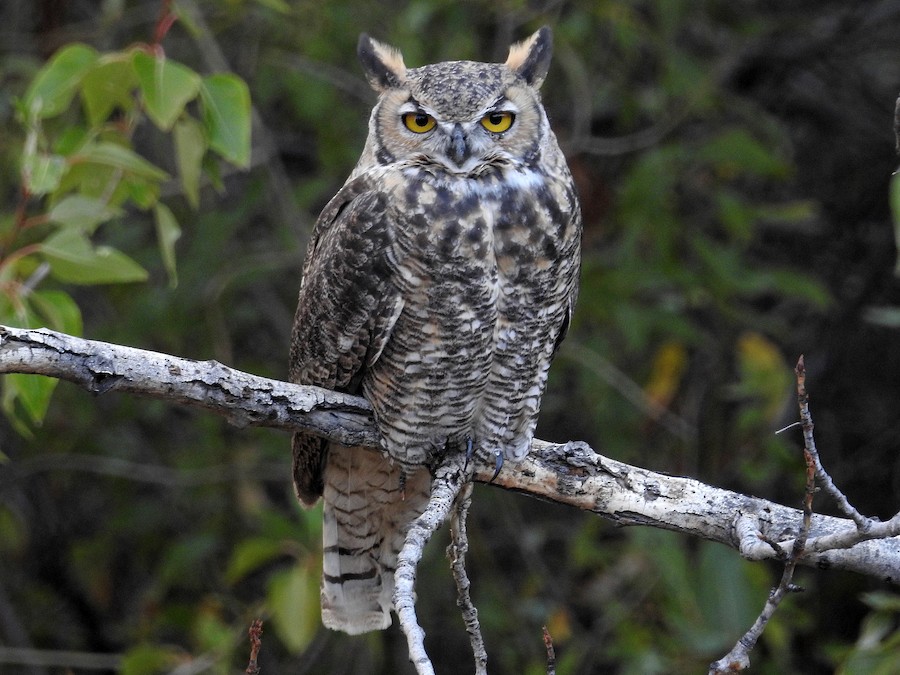
Great Horned Owls, such as Doro at The Raptor Trust, are renowned residents in New Jersey known for their exceptional care of orphaned wild babies. These majestic owls, with their distinctive ear tufts and piercing yellow eyes, are not only skilled hunters but also nurturing foster parents. In New Jersey, Great Horned Owls select diverse habitats like second growth woodlands, farms, and even urban areas for nesting sites. Their diet is varied, consisting of mammals, birds, and insects, making them vital for maintaining the balance of local ecosystems by controlling prey populations.
Orphaned owls, like the nestlings at The Raptor Trust, are carefully fed killed mice to ensure they receive the necessary nutrition for healthy growth and development. Great Horned Owls typically fledge at around eight to ten weeks of age, displaying their early independence. By fostering orphaned wild babies and contributing to the ecosystem through their hunting habits, Great Horned Owls play a crucial role in the biodiversity of New Jersey’s wildlife.
2. Barn Owl

One of the non-migratory owl species found in New Jersey is the Barn Owl, known for its distinctive heart-shaped facial disc that aids in efficient hunting. These owls, with a lifespan of around 4 years, inhabit a variety of terrains, including deserts, grasslands, agricultural lands, and urban areas in the state. Barn Owls, weighing between 14.1 to 24.7 ounces and measuring 12.6 to 15.8 inches in size, typically nest in abandoned barns and structures, where they play a crucial role in controlling rodent populations.
Their screechy calls, resembling those of a red-tailed hawk, help distinguish Barn Owls from other owl species in New Jersey. Conservation efforts are being made to support Barn Owl populations, with initiatives such as habitat preservation and the installation of nest boxes. These efforts aim to address the threats faced by Barn Owls, including habitat loss and contaminated food sources, ensuring the continued presence of these fascinating birds in the Garden State.
3. Northern Saw-whet Owl
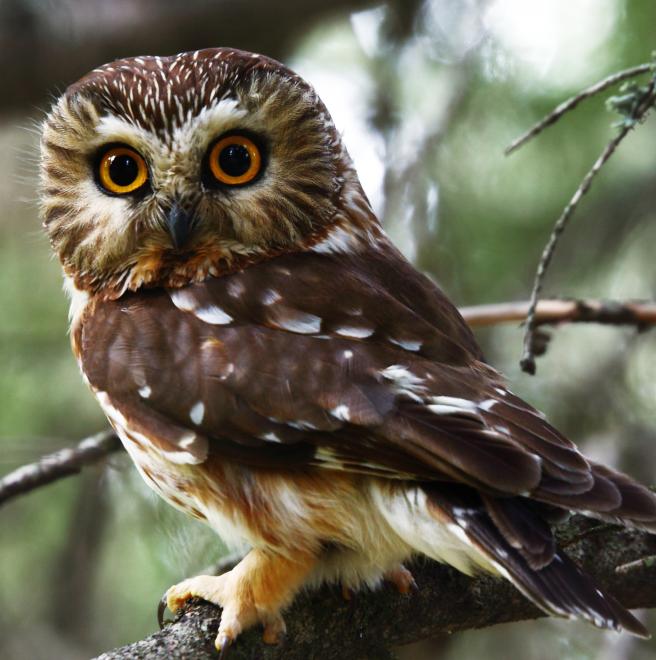
In New Jersey, the Northern Saw-whet Owl, one of the smallest owl species, thrives in dense forests near rivers as its preferred habitat. These small owls, measuring between 7.1 to 8.3 inches in length, exhibit intriguing breeding behavior. During the mating season, female Northern Saw-whet Owls are known to mate with multiple males. One of the striking features of this owl species is its distinct call, often likened to the sound of a saw being sharpened.
Moreover, the secretive nesting habits of the Northern Saw-whet Owl add to its mystique. These owls nest in abandoned woodpecker holes, contributing to their elusive nature. Their choice of nesting sites and the secretive behavior make them challenging to spot in the wild. Despite their small size, Northern Saw-whet Owls play a vital role in the ecosystem, preying on insects and small mammals, thereby contributing to the delicate balance of the New Jersey habitat.
4. Barred Owl
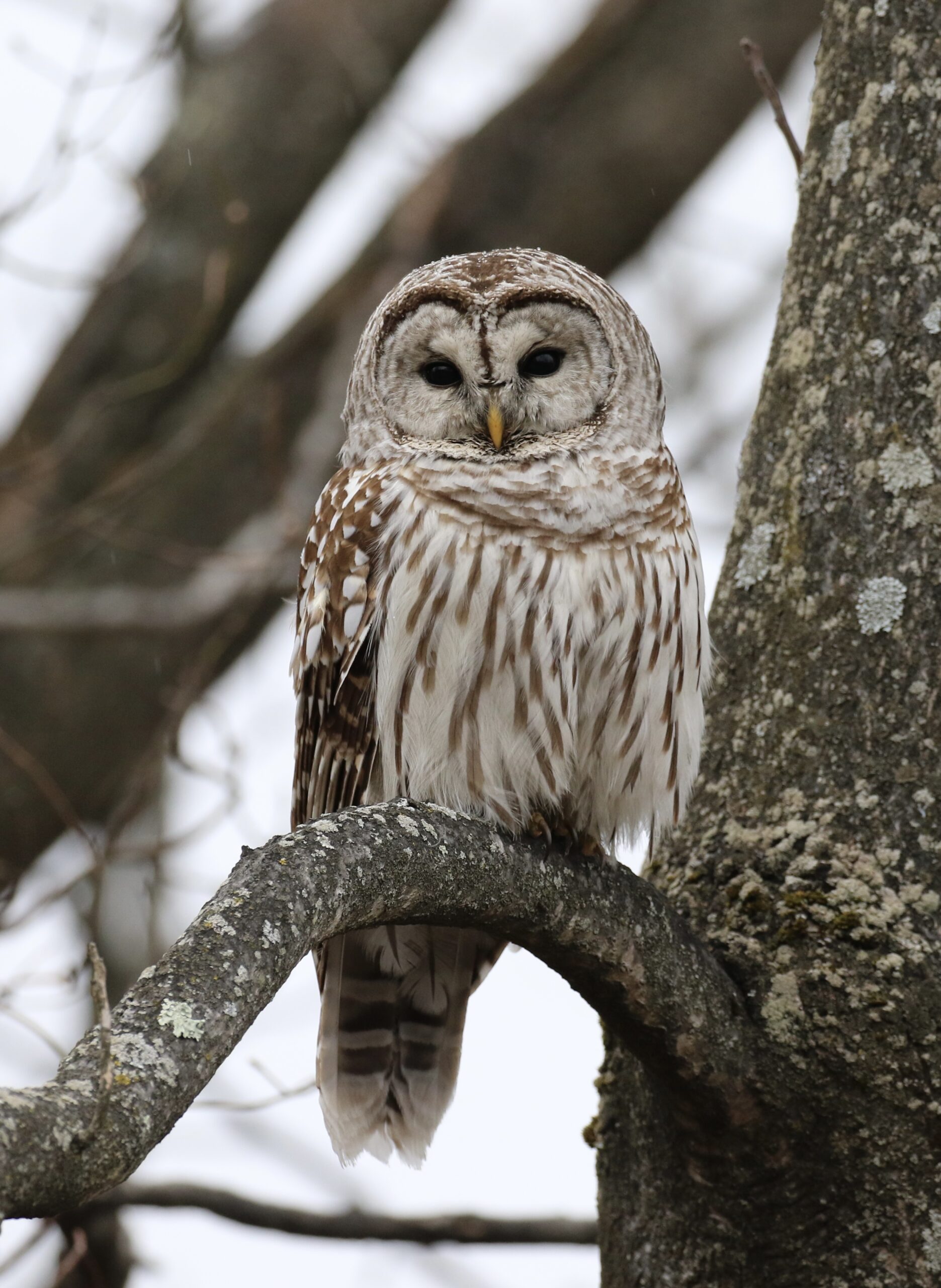
The Barred Owl, a species with a scientific name Strix varia, thrives in a variety of habitats across New Jersey, including forests, wetlands, and urban areas. These owls are skilled hunters, feeding on a diverse diet that includes rodents, birds, insects, and other small animals. Their unique heart-shaped facial disc aids in efficient hunting, while their distinctive hooting calls mark their presence in the ecosystem.
Barred Owl Habitat
Barred Owls in New Jersey thrive in mature forests with dense canopy cover and access to water sources for hunting, showcasing their preference for specific habitat conditions. These adaptable owls can also be found in wooded swamps, suburban parks, and wooded residential areas throughout the state. Here are some key points about the Barred Owl habitat in New Jersey:
- Preferential Habitat: Barred Owls favor mixed woodlands with ample nesting sites and prey, making mature forests with water sources ideal hunting grounds.
- Versatility: While they primarily inhabit mature forests, Barred Owls demonstrate adaptability by thriving in various environments, including wooded swamps and urban areas.
- Habitat Sensitivity: Despite their adaptability, Barred Owls are sensitive to habitat disturbances. They may abandon territories if significant changes occur, emphasizing the importance of conservation efforts to preserve their preferred habitats.
Barred Owl Diet
Feeding primarily on small mammals, birds, amphibians, and insects, Barred Owls showcase a diverse diet in their natural habitat. These owls are skilled hunters, preying on small mammals such as mice, voles, and rabbits. Additionally, they incorporate birds, amphibians, reptiles, and insects into their diet. Barred Owls are known for their opportunistic nature, adapting their feeding habits based on what is available in their surroundings.
One interesting aspect of Barred Owl behavior is their inclination to hunt near water sources. By doing so, they have access to aquatic prey like fish and crayfish. This unique strategy allows Barred Owls to expand their dietary choices and thrive in varied environments. The flexibility in their diet, coupled with their adaptability as opportunistic hunters, enables Barred Owls to sustain themselves by capitalizing on the resources present in their habitats.
Barred Owl Behavior
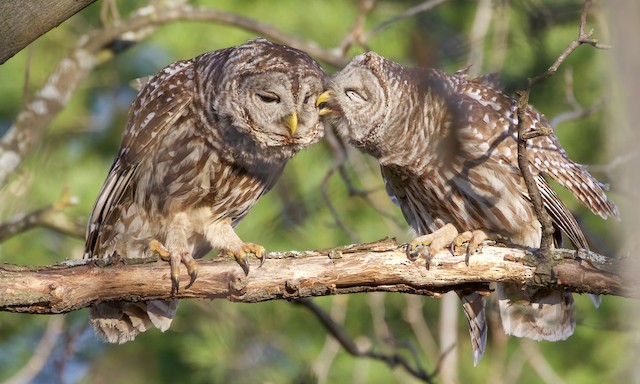
With a curious and inquisitive nature, Barred Owls in New Jersey showcase behavior that involves investigating their surroundings. These top predators play a crucial role in maintaining the ecosystem’s balance by preying on various animals such as rodents, birds, and insects. Here are some fascinating aspects of Barred Owl behavior:
- Curiosity: Barred Owls are known for their curiosity, often exploring their environment and interacting with different objects they encounter.
- Distinctive Call: One of the most notable behaviors of Barred Owls is their screechy call, which can be mistaken for a red-tailed hawk’s vocalization. This distinctive sound helps in communication and territorial defense.
- Predatory Instincts: Despite their inquisitive nature, Barred Owls are formidable hunters, showcasing their predatory instincts when hunting for prey. Their diverse diet, ranging from small mammals to invertebrates, highlights their adaptability as top predators in the region.
5. Eastern Screech-Owl

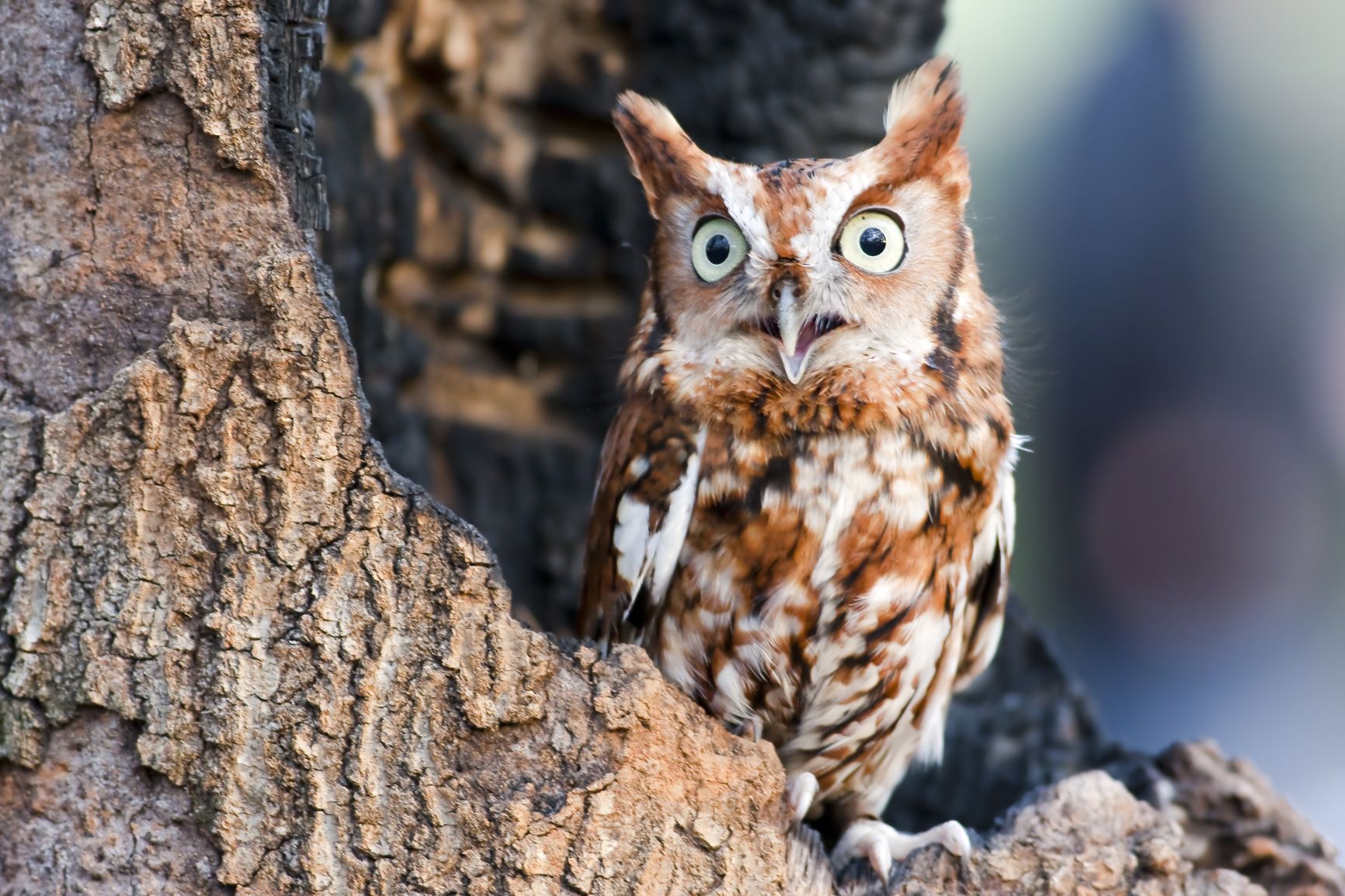
You’ll find Eastern Screech-Owls, the smallest owl species in New Jersey, measuring between 6.3 to 9.8 inches. These owls come in either grey or red color variations, showcasing their distinctive stocky appearance. Their fake ear-tufts serve dual purposes, aiding in communication and blending seamlessly in wooded habitats.
Size and Appearance
Measuring between 6.3 to 9.8 inches in size, the Eastern Screech-Owl is a small owl species found in New Jersey with distinct color variations of grey and red. These owls exhibit intricate patterns that aid in their camouflage within the woodland habitat. Here are some key features of the Eastern Screech-Owl:
- Size: Despite their small stature, Eastern Screech-Owls are efficient hunters, preying on small mammals, insects, and even other birds.
- Color Variations: The grey morph of this owl species blends seamlessly with tree bark, while the red morph can be harder to spot against autumn leaves.
- Ear Tufts: Although they might look like ears, the ear tufts on the Eastern Screech-Owl serve mainly for communication and camouflage rather than actual hearing.
These characteristics collectively contribute to the Eastern Screech-Owl’s ability to thrive in its woodland habitat, utilizing its size and appearance to its advantage.
Habitat and Behavior
Inhabiting woodlands, forests, and urban areas in New Jersey, Eastern Screech-Owls are the smallest and most common owl species in the region, displaying distinctive gray and red color variations. These adaptable birds are known for nesting in tree cavities and bird boxes, using these locations to raise their young. Their nesting behavior is essential for their survival, as it provides protection for their offspring from predators.
Eastern Screech-Owls exhibit sit-and-wait hunting behavior, perching and patiently waiting for prey to come within striking distance. This method, combined with their excellent camouflage, makes them efficient hunters, preying on insects, small mammals, and birds. To attract these fascinating birds, individuals can create suitable habitats by leaving dead trees standing and setting up nest boxes in strategic locations.
Despite their small size, Eastern Screech-Owls are territorial and will avoid areas where larger owl species reside. Their ability to thrive in diverse wooded habitats, from dense forests to urban parks, showcases their remarkable adaptability to different environments.
Call and Vocalization
The Eastern Screech-Owl, a small but vocal owl species found in New Jersey, produces a diverse array of vocalizations for communication purposes. When exploring the call and vocalization behavior of these intriguing birds, you’ll find:
- Variety of Vocalizations: Eastern Screech-Owls are known to emit a range of sounds including whinnies, trills, and soft hoots, each serving different communication functions.
- Territorial Communication: These owls use their vocalizations to mark and defend territories, ensuring other owls stay out of their claimed areas.
- Mating and Family Bonds: Vocalizations play a crucial role in attracting mates during the breeding season and maintaining communication within family groups. The eerie descending trill, a signature sound of the Eastern Screech-Owl, can often be heard echoing through the night in wooded habitats, offering a glimpse into the intricate communication network of these fascinating birds.
6. Long-eared Owl
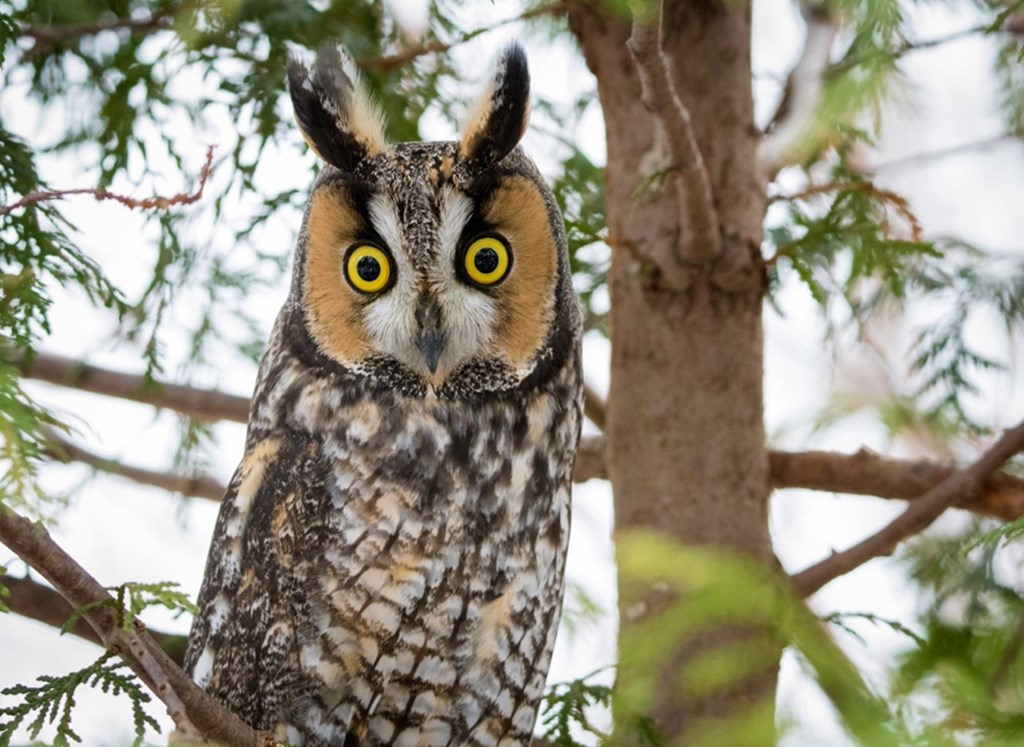
Long-eared Owls, also referred to as Lesser Horned Owls, are elusive avian species that exhibit a preference for secluded roosting areas within dense foliage. These secretive birds are masters of disguise, blending seamlessly with their surroundings due to their excellent camouflage. Named for the long tufts of feathers on their heads, Long-eared Owls are social creatures, often found living in clusters and sharing roosts. Despite their elusive nature, these owls are known to be sociable and adaptable to various wooded habitats. In New Jersey, Long-eared Owls are frequently spotted nesting in abandoned woodpecker holes located in dense forests near rivers. Their preference for these secluded areas allows them to remain hidden from predators and undisturbed by human activities. Observing these fascinating owls in the wild requires patience and a keen eye due to their remarkable ability to blend in with the dense foliage that they call home.
7. Snowy Owl

Snowy Owls, recognized for their stunning white plumage and distinctive dark markings, are migratory birds that breed in northern Canada and journey southward during the winter months. Here are some fascinating facts about Snowy Owls:
- Migration: Snowy Owls undertake long migratory journeys from their breeding grounds in the Arctic tundra to more southern regions during the winter, where food is more abundant.
- Irruption: In certain years, there is an irruption of Snowy Owls, leading to an increased number of these majestic birds moving further south than usual in search of prey due to factors such as food availability in their breeding grounds.
- Hunting: Snowy Owls are skilled predators that primarily feed on lemmings and ptarmigan. They use their keen eyesight and sharp talons to hunt these small mammals efficiently, with lemmings being a staple in their diet.
These large owls, with impressive wingspans, adapt to hunting in the continuous daylight of the Arctic summer, making them a remarkable species to observe.
8. Short-eared Owl
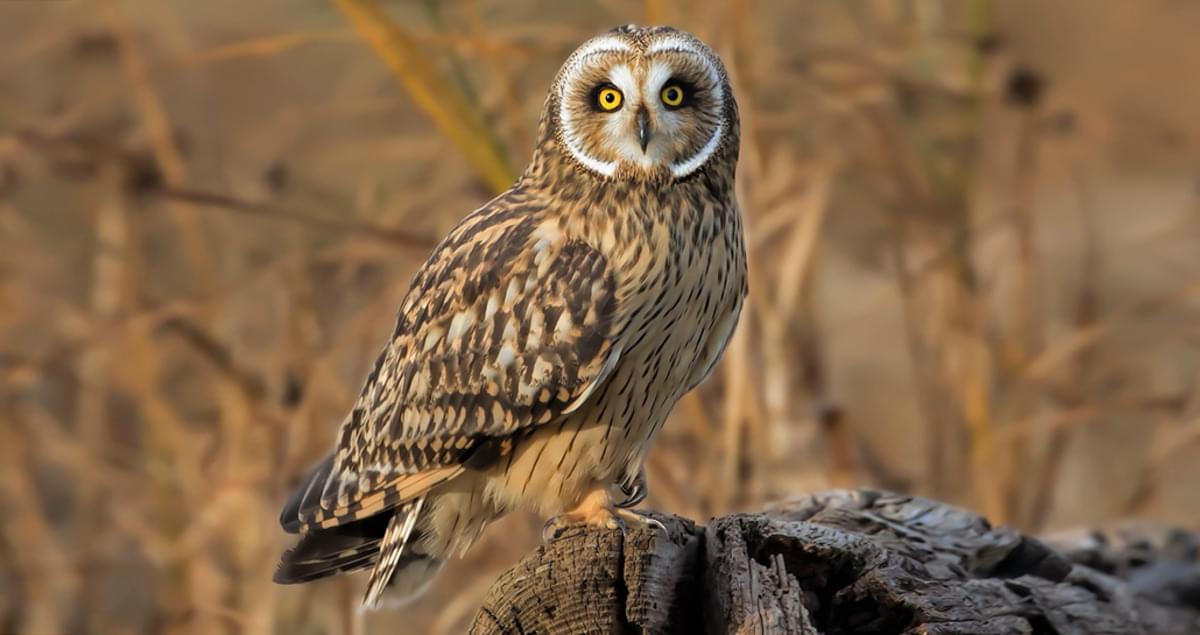
Widely distributed across North America, Short-eared Owls are distinctive owl species known for their daytime hunting habits and preference for open country habitats. These owls are often found in grasslands, marshes, and meadows, where they hunt small mammals like voles and mice. Short-eared Owls are ground nesters, choosing to lay their eggs directly on the ground, well-hidden among vegetation.
One of the fascinating features of Short-eared Owls is their cat-like calls, which are distinctive and help in identifying them. With an average lifespan of 4 years, these owls can live up to 12 years in the wild. They have a size range of 13.4 to 16.9 inches, a weight range of 7.3 to 16.8 ounces, and a wingspan of 33.5 to 40.5 inches.
Observing Short-eared Owls in their natural habitat showcases their unique hunting techniques and adaptability to open fields, making them a captivating species to encounter in New Jersey’s diverse ecosystem.