

Discover Michigan’s diverse hummingbird species: Ruby-throated with its ruby-red throat, Rufous known for its aerobatics, Anna’s vibrant pinkish-red allure, Black-chinned’s black chin band, Costa’s preference for arid habitats, and Mexican Violetear’s unique presence in the state. Each species showcases a different color palette, behavior, and habitat, enriching Michigan’s ecosystem with their graceful presence.
1. Ruby-throated Hummingbird
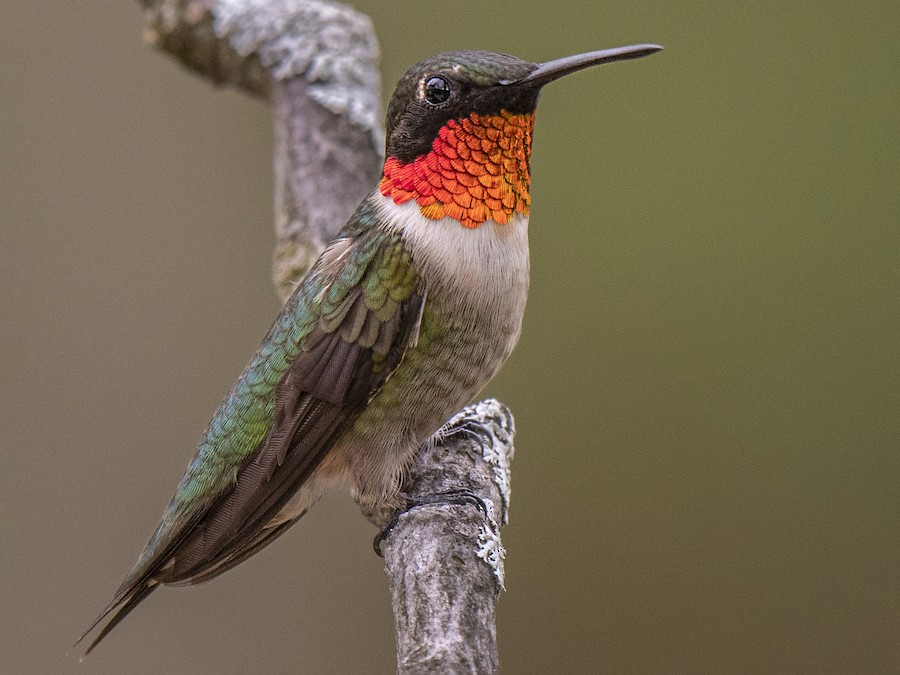
The Ruby-throated Hummingbird, a common and vibrant species in eastern North America, captivates observers with its striking plumage and agile flight. These small hummingbirds, with males showcasing green feathers, a white chest, and a ruby-red throat, are a sight to behold. Females, on the other hand, boast a green hue with a grayish throat and a unique white-tipped tail. Often found flitting around woods, gardens, and feeding from a variety of small flowers, these hummingbirds are a common summer resident in Michigan. Their arrival in April and departure in November mark their presence in the region. Their primary source of sustenance is nectar, which they diligently gather from flowers with their specialized long, slender bills. The delicate and precise manner in which they feed on nectar showcases their remarkable adaptability and grace in flight, making them a joy to watch for bird enthusiasts and nature lovers alike.
2. Rufous Hummingbird

A rare fall visitor to Michigan, the Rufous Hummingbird is distinguished by its reddish-orange coloring and energetic demeanor. These Rufous hummingbirds are specialized for feeding on nectar and insects, with a particular preference for red and orange tubular flowers during their migration. Despite their small size, ranging from 2.8 to 3.5 inches, these birds undertake impressive long-distance journeys from the Pacific Northwest to Mexico and occasionally Michigan.
Known for their aerobatic displays, Rufous Hummingbirds have a wingspan of about 4.3 inches, enabling them to maneuver swiftly through the air. With a lifespan of up to 8 years, these tiny creatures showcase remarkable endurance during their migration travels. Observing a Rufous Hummingbird darting among flowers is a delightful sight, especially when they display their territorial behavior and agility in flight. Michigan’s occasional guests, these hummingbirds bring a burst of vibrant color and energy to the state’s natural landscapes during the fall season.
3. Anna’s Hummingbird

With its vibrant pinkish-red head and throat that glistens like a jewel in the sunlight, Anna’s Hummingbird stands out as a striking species found primarily along the west coast of North America. These hummingbirds are known for being territorial creatures, often fiercely defending their feeding areas, particularly in gardens abundant with nectar-rich plants. Anna’s Hummingbirds have adapted to a wide variety of habitats along the west coast, from the temperate rainforests of British Columbia to the arid regions of Baja California.
- Anna’s Hummingbirds have a distinctive call that can be described as a sharp “chee-chee-chee” sound.
- Males perform elaborate courtship displays, including impressive aerial dives and loud wing sounds to attract females.
- These hummingbirds are resilient and have been known to survive in urban environments, making them a common sight in parks and backyard gardens.
4. Black-chinned Hummingbird

Arriving during fall migration, the Black-chinned Hummingbird is a small species commonly sighted in Michigan, distinguished by its distinct black band under the chin. This hummingbird species, with a size of about 3.5 inches and a weight of 0.1 oz, showcases a wingspan of approximately 4.3 inches. Black-chinned Hummingbirds are known for their preference for nectar and insects, often seen feeding on red and yellow flowers.
| Black-chinned Hummingbird | |
|---|---|
| Size | About 3.5 inches |
| Weight | 0.1 oz |
| Wingspan | Around 4.3 inches |
| Distinguishing Feature | Black band under chin |
These delightful creatures add to the vibrant birdlife in Michigan, bringing a touch of elegance with their aerial acrobatics and iridescent plumage. Keep an eye out for the Black-chinned Hummingbird during the fall season, as they dart around, sipping nectar from flowers and enchanting observers with their beauty.
5. Costa’s Hummingbird

Costa’s Hummingbird, recognized by its green upperparts and distinctive violet crown, throat, and chest, is primarily found in the southwestern United States and Mexico. These tiny birds have fascinating behaviors and preferences that make them unique in the hummingbird world. When observing Costa’s Hummingbirds, you may notice:
- Habitat Preference: Costa’s Hummingbirds prefer arid scrublands, deserts, and mountain canyons as their primary habitats.
- Diet: Their diet mainly consists of nectar from desert plants, supplemented occasionally by small insects for protein.
- Territorial Behavior: These hummingbirds are highly territorial, fiercely defending their feeding and nesting areas from intruders.
In addition to their distinctive physical features, Costa’s Hummingbirds are also known for their energetic flight displays and their buzzing vocalizations that fill the air. If you ever find yourself in the southwestern United States or Mexico, keep an eye out for these enchanting creatures as they flit among the desert flora, their tiny bodies shimmering in the sunlight.
6. Mexican Violetear

The Mexican Violetear, distinguished by its vibrant metallic green plumage and violet breast, is a captivating hummingbird native to Mexico and Central America. Occasionally venturing as far north as Canada, this species, scientifically known as Archilochus, can be a rare but thrilling sight for bird enthusiasts in Michigan. With a preference for forest edges, woodlands, and gardens where they can feed on nectar and insects, Mexican Violetears bring a touch of exotic beauty to regions they visit. Their unique metallic, jerky song is a distinguishing feature that sets them apart from other hummingbirds. Despite their striking appearance and distinct vocalizations, these hummingbirds are not commonly found in Michigan, making any sighting of them a special and memorable event. With a wingspan of about 4-5 inches, the Mexican Violetear’s presence in the far north adds a touch of wonder to the diverse hummingbird population.