

When butterflies hatch, they don’t bleed. Instead, they expel a waste product called meconium. This substance is vital for their post-metamorphosis cleansing and wing expansion. Meconium helps pump fluids into their wings, preparing them for flight. Understanding this process sheds light on butterfly emergence and physiology. By differentiating between blood and meconium, you gain insight into their intricate biological mechanisms. This distinction clarifies misconceptions about butterfly ‘bleeding’ and highlights the significance of meconium in their biology. Further exploration post-hatch reveals the complexities of their physiological changes and adaptations for survival.
Red Liquid on Emerging Butterflies
During the emergence of butterflies, the appearance of red liquid, known as meconium, is a common and natural occurrence that signifies the completion of their metamorphosis. This red liquid is often observed on the butterfly’s abdomen as it pumps fluids into its wings to expand them fully. Meconium is not blood but rather a waste product that the butterfly excretes after the chrysalis stage, aiding in the removal of metabolic waste accumulated during the transformation process.
When you witness this red liquid on an emerging butterfly, it is essential to understand that it serves a crucial purpose in the butterfly’s development. To clean the meconium, gently dab the butterfly’s abdomen with a soft paper towel. This process helps the butterfly by ensuring that its wings can dry properly and that it can take flight successfully. The presence of meconium, though initially surprising, is a natural and intriguing aspect of the butterfly’s transformation journey.

Differentiating Blood From Meconium
When observing emerging butterflies, distinguishing between blood and meconium is crucial for understanding their physiological processes accurately. As a butterfly emerges from its chrysalis, you may notice red drops on its abdomen. Contrary to bleeding, this fluid is likely meconium, a waste product accumulated during the transformation process. While meconium can appear blood-like, it serves a different purpose in butterflies. Unlike human blood, which primarily transports oxygen, a butterfly’s hemolymph has additional functions, including nutrient transport and immune responses. The reddish markings on a butterfly’s abdomen are not indicative of injury but rather a natural expulsion of waste. By differentiating between blood and meconium, you can gain insights into the butterfly’s health and behavior. Understanding this distinction is essential for accurately interpreting the physiological changes occurring during a butterfly’s metamorphosis. So, next time you observe a butterfly with red markings on its abdomen, remember it’s likely meconium, not blood.
Understanding Butterfly Hemolymph
Butterfly hemolymph serves as a multifunctional fluid responsible for transporting proteins, water, and waste products throughout their bodies. Understanding the composition of butterfly hemolymph can help clarify misconceptions about their ‘bleeding’ upon hatching. Here are some key points to consider:
- Hemolymph Composition: Unlike human blood, butterfly hemolymph does not primarily transport oxygen but rather essential nutrients and waste materials.
- Meconium Function: The reddish fluid seen when butterflies hatch is meconium, a waste product accumulated during the chrysalis stage, not blood.
- Misconceptions Clarified: The expulsion of meconium is a natural process for newly emerged butterflies and is not a cause for concern or indicative of injury.
- Waste Transport: Hemolymph plays a vital role in transporting waste materials out of the butterfly’s body, maintaining internal balance.
- Natural Process: The presence of meconium and the release of hemolymph are part of the natural life cycle of butterflies, aiding in their transition to adulthood.
Common Misconceptions About Butterfly “Bleeding”
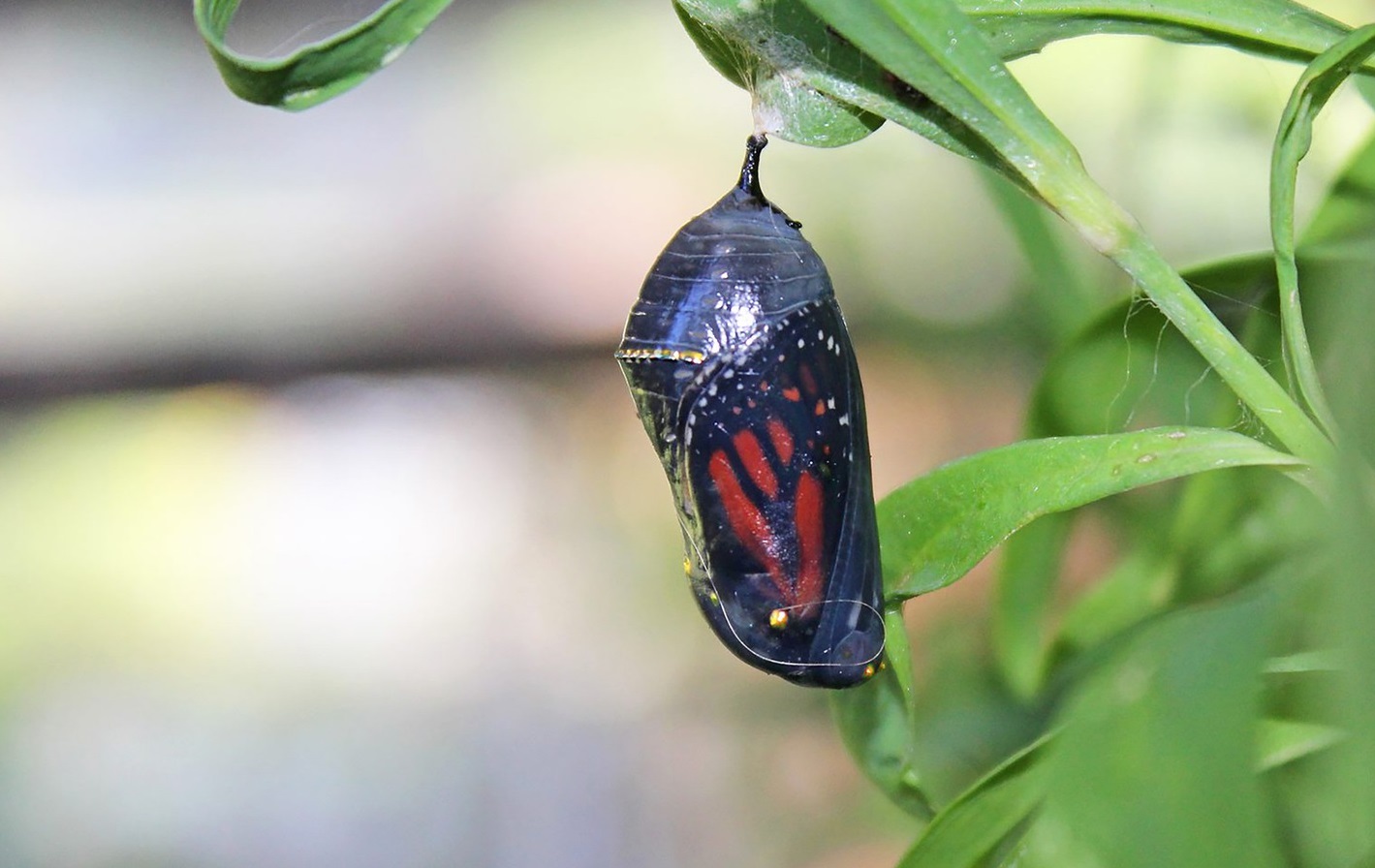
Common misconceptions surrounding the phenomenon of ‘bleeding’ in butterflies during hatching often stem from a lack of understanding about their unique biological processes. Insect biology explains that the red liquid observed during butterfly emergence is not blood but meconium, a waste product accumulated during the chrysalis stage. Unlike humans, butterflies lack red blood cells; instead, they rely on hemolymph for the transportation of nutrients and waste. The reddish markings seen on butterflies are not indicative of injury but are a natural occurrence during the emergence process. Meconium plays a crucial role in expelling waste material from the butterfly’s body as it emerges from its chrysalis. By grasping the distinction between meconium and blood, entomology myths perpetuating the idea of butterflies bleeding upon hatching can be dispelled. Understanding these aspects of butterfly behavior and biology can help clarify misconceptions and foster a more accurate appreciation of their remarkable life cycle.
Role of Meconium in Butterfly Emergence
The expulsion of meconium during butterfly emergence signifies a crucial stage in their metamorphosis process. This red liquid waste material is not blood but a residue from the chrysalis stage, playing a vital role in clearing the butterfly’s system and indicating the completion of metamorphosis. Understanding the role of meconium in butterfly development can provide valuable insights into their transformation process. Here are some key points to consider:
- Meconium expulsion is a normal and essential part of a butterfly’s emergence.
- It helps to cleanse the digestive system of the butterfly.
- The presence of meconium signifies that the butterfly has successfully transitioned from its pupal stage.
- Observing meconium expulsion can be a fascinating aspect of witnessing butterfly metamorphosis.
- Meconium expulsion marks the completion of the metamorphosis process, preparing the butterfly for its new life.
Examining Butterfly Abdominal Fluid
Examining the abdominal fluid of emerging butterflies provides valuable insights into their physiological processes during metamorphosis. The red fluid, known as meconium, is not blood but a waste product accumulated during the chrysalis stage. This meconium expulsion is a natural process essential for post-metamorphosis cleansing. Meconium plays a crucial role in preparing the butterfly for its first flight by clearing out remnants from the transformation within the chrysalis. This expulsion of meconium serves as a scientific explanation for the visible fluid discharge often observed during butterfly hatching. Witnessing this process can be a fascinating experience, showcasing the intricate mechanisms at play during a butterfly’s emergence. Understanding the purpose behind meconium discharge sheds light on the meticulous adaptations these delicate creatures undergo to ensure a successful transition from one life stage to another.
Implications of Handling Newly Hatched Butterflies
Handling newly hatched butterflies requires a delicate touch to safeguard their intricate wings and promote their well-being. When dealing with these delicate creatures, it is crucial to consider ethical considerations and the impact of stress on their development. Proper care during this critical stage can significantly influence the butterfly’s well-being and overall development. Here are some key implications to keep in mind when handling newly hatched butterflies:
- Butterfly handling: Use gentle movements and avoid touching the wings to prevent damage.
- Ethical considerations: Respect the butterfly’s natural processes and avoid unnecessary stress.
- Impact of stress on butterflies: Minimize handling to reduce stress levels and promote healthy development.
- Proper care: Provide a suitable environment with food and resting spots for the butterflies.
- Butterfly development: Observe the natural behaviors of the butterflies without interfering with their growth process.

Origins of the Red Substance on Butterflies
During the emergence process of butterflies, the red substance present is known as meconium, originating as a waste material from the chrysalis stage. Meconium is composed of metabolic waste products accumulated during the transformation inside the chrysalis. This red substance serves an evolutionary purpose by aiding in expelling waste and excess fluids that the butterfly no longer requires after metamorphosis. It is crucial for the butterfly’s survival post-emergence. Meconium disposal is a natural and necessary process for the butterfly as it prepares to take flight. It is important to note that meconium is distinct from hemolymph, the insect’s version of blood responsible for circulation. Witnessing the expulsion of meconium is a normal part of a butterfly’s emergence and should be observed without interference to allow the butterfly to complete this essential process smoothly.
Importance of Gentle Butterfly Observation
To understand the intricate details of a butterfly’s emergence process, it is imperative to approach observation with a gentle and non-intrusive demeanor. Ethical observation of butterfly behavior is crucial for a respectful study with minimal environmental impact. Here are five key points highlighting the importance of gentle butterfly observation:
- Minimize Handling: Avoid excessive touching to prevent unintentional harm during the delicate emergence process.
- Observe Natural Behaviors: Gentle observation allows for a closer look at how newly emerged butterflies interact with their surroundings.
- Facilitate Acclimation: By refraining from excessive handling, butterflies can acclimate better to their environment post-hatching.
- Stress Reduction: Observing with care enables the witnessing of fascinating details without causing stress to the butterflies.
- Promote Respect: Practicing gentle observation techniques promotes a respectful approach to studying butterflies in their natural habitat.
Significance of Meconium in Butterfly Biology
The expulsion of meconium by butterflies serves as a crucial indicator of their metamorphosis completion. Meconium, a red liquid waste material, is not blood but a residue from the chrysalis stage. Its primary function lies in purging waste from the butterfly’s system. The observation of meconium expulsion holds behavioral impacts as it marks the transition from the inactive pupal stage to an active adult butterfly. The color and composition of meconium can vary among species, influenced by factors like diet and environmental conditions. This variation in meconium characteristics adds to the complexity of butterfly biology studies. Ecologically, meconium expulsion plays a role in nutrient recycling as it releases nutrients back into the ecosystem. Understanding the significance of meconium in butterfly biology provides valuable insights into their development and ecological contributions post-emergence.
Caring for Butterflies Post-Emergence
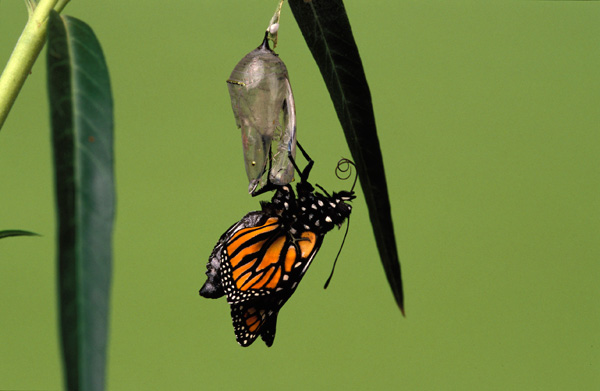
Caring for butterflies post-emergence involves ensuring a safe environment and facilitating the natural processes of their transition. Here are some essential care tips for handling newly hatched butterflies:
- Gently Clean Surroundings: After emergence, delicately remove any silk or frass around the chrysalides to support their hardening process.
- Careful Relocation: If a chrysalis falls, relocate it cautiously to a secure spot within the habitat to avoid damaging the emerging butterfly.
- Understand Shaking: Note that shaking chrysalides are a natural defense mechanism and are normal during the emergence process.
- Witness Transformation: Observe the mesmerizing metamorphosis as caterpillar parts liquefy inside the chrysalis to form the emerging butterfly.
- Meconium Disposal: The red liquid seen during butterfly emergence is meconium, a natural waste product from the metamorphosis process. Allow this process to occur naturally.
Exploring Butterfly Physiology Post-Hatch
Exploring the physiological changes in butterflies post-hatch reveals intricate adaptations for their newfound life in the ecosystem. After emerging from the chrysalis, butterflies enter various growth stages that are crucial for their development. Post-hatch, butterflies exhibit specific behaviors such as wing expansion, pumping hemolymph into their wings to extend and dry them, and preparing for flight. These activities are essential for their survival in the wild.
Physiological changes occur rapidly post-hatch, with the digestive system transforming to accommodate their new diet of nectar and other liquids. The butterfly’s excretory system also undergoes modifications to efficiently process waste. Additionally, their respiratory system adapts to meet the oxygen demands of their active adult life. These changes are vital for the butterfly to thrive in its environment.
Understanding the physiological adaptations of butterflies post-hatch provides valuable insights into their remarkable transformation and ability to navigate the ecosystem successfully. Witnessing these changes firsthand can deepen one’s appreciation for the complexity of the butterfly life cycle.

Measuring Impact of Handling on Butterflies
Measuring the impact of handling on butterflies involves assessing the physiological and behavioral responses of these delicate insects to human interaction. Proper stress management and maintaining butterfly health are crucial considerations in research involving the handling of these fragile creatures. Here are some key points to consider:
- Gentle Handling: Using gentle handling techniques can significantly reduce stress on butterflies during capture and study sessions.
- Conservation Impact: Observing butterflies in their natural habitat and releasing them unharmed after study sessions can have a positive impact on conservation efforts.
- Research Techniques: Monitoring captured butterflies provides essential data for better understanding butterfly populations and implementing effective conservation strategies.
- Ethical Considerations: Ethical considerations must be at the forefront of any research involving the handling of butterflies to ensure their well-being and respect their natural behaviors.
- Training Importance: Proper training in butterfly capture methods is essential for conducting research that promotes butterfly conservation and sustainability.
Analyzing Fluid Discharge in Butterfly Species
Analyzing fluid discharge in butterfly species provides valuable insights into the transformation process and physiological mechanisms of these delicate insects. One common misconception is the belief that the red liquid observed during butterfly emergence is blood. In reality, this liquid is known as meconium, a waste product accumulated during the chrysalis stage. Understanding the distinction between meconium and blood is crucial for accurately interpreting the health of the emerging butterfly.
The examination of this red fluid aids in differentiating between harmless meconium discharge and potentially harmful bleeding. While meconium serves as a natural residue of the metamorphosis process, hemolymph is the fluid that circulates in the insect’s body, carrying essential substances like proteins and waste. Recognizing the functions of hemolymph and the significance of meconium can dispel myths surrounding butterfly bleeding and highlight the importance of correctly interpreting fluid discharge in these delicate creatures.

Preventing Harm During Butterfly Emergence
Newly emerged butterflies should be handled with care to prevent unintentional harm during the expulsion of meconium. As you witness these delicate creatures emerging, it’s crucial to take precautions to ensure their safety. Here are some essential butterfly care and emergence precautions to follow:
- Observe from a distance: Allow the butterflies to naturally release meconium without interference by patiently watching from afar.
- Handle gently: If intervention is necessary, handle the butterflies with utmost care to avoid causing harm during the hatching process.
- Avoid touching: Refrain from touching or disturbing the butterflies as they emerge to prevent unnecessary stress or injury.
- Provide a peaceful environment: Create a calm and undisturbed setting for the butterflies to complete their emergence without disruptions.
- Understand the red liquid: Remember that the red liquid observed during hatching is a natural process, indicating the expulsion of meconium and not a cause for concern.