

Discover the array of Wisconsin’s 11 owls, from the haunting hoots of the Barred Owl in mature forests to the imposing presence of the Great Horned Owl, a year-round resident with ‘horns’. Witness the compact Eastern Screech Owl’s adaptability in urban landscapes and the acrobatic Short-eared Owl thriving in open prairies. Admire the Snowy Owl’s tundra habitat dominance and majestic wingspan of 4.8 feet, migrating during irruption years. Marvel at Barn Owls with agile flight and Great Gray Owls hunting small mammals in forests. Not to forget Northern Hawk Owls with distinctive calls and Burrowing Owls with sandy brown camouflaged plumage.
1. Barred Owl

Frequently observed in mature forests across Wisconsin, the Barred Owl, scientifically known as Strix varia, stands out with its distinctive hooting call reminiscent of ‘Who cooks for you? Who cooks for you-all?’ These medium-sized owls are easily recognizable by their round heads, white underparts with brown streaks, and brown backs. Barred Owls are well-adapted to wooded areas, preferring mature forests with dense canopies and bodies of water, where they hunt for small mammals, birds, and amphibians.
Their white underparts with brown streaks provide camouflage against tree bark, aiding in their hunting prowess. These owls are skilled predators, hunting mostly at night and relying on their keen eyesight and sharp talons to catch prey. Barred Owls play a crucial role in controlling small mammal populations, helping maintain the balance of ecosystems in Wisconsin’s forests. Conservation efforts are vital to protect the habitats of these majestic birds and ensure their populations thrive in the region.
2. Great Horned Owl
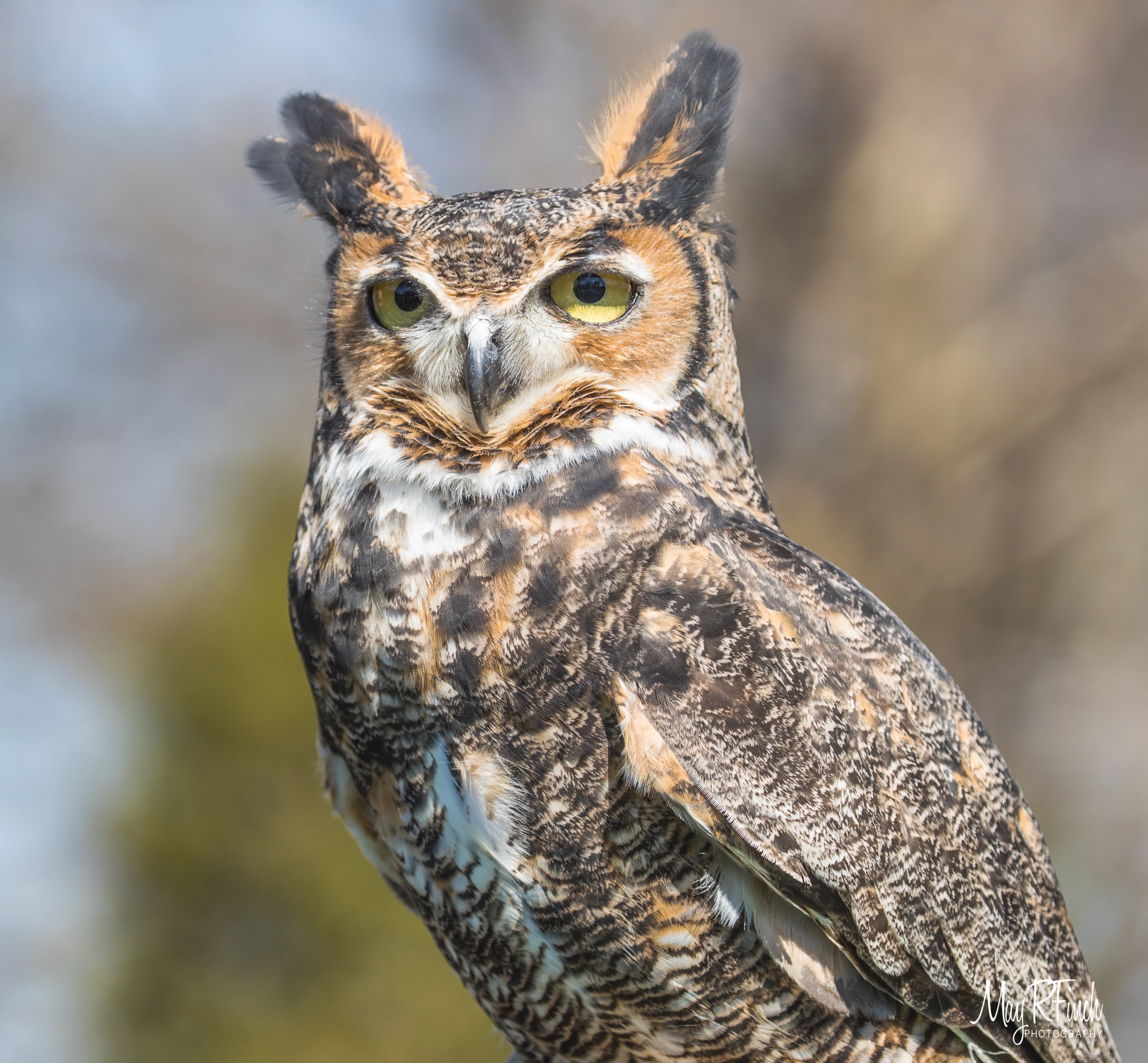
The Great Horned Owl, a large owl species known scientifically as Bubo virginianus, is a prominent year-round resident in Wisconsin. These majestic birds are skilled nocturnal hunters, preying on a variety of animals such as small mammals, birds, and even skunks. Their distinctive ‘horns,’ or tufts of feathers on their heads, contribute to their imposing appearance. Great Horned Owls possess excellent camouflage feathers that help them blend seamlessly into their surroundings, making them efficient predators.
Known for their deep hooting calls that resonate across the night sky, especially during the breeding season, these owls are a recognizable feature of Wisconsin’s wildlife. Their adaptability allows them to thrive in diverse habitats, ranging from forests to urban areas. With keen eyesight and silent flight, Great Horned Owls are formidable hunters, playing a vital role in controlling populations of prey species in the ecosystem.
3. Eastern Screech Owl

Eastern Screech Owls, with their compact size and remarkable adaptability, are a distinctive owl species widely recognized for their presence in various habitats across North America. Measuring between 6.3 to 9.8 inches (16 to 25 cm) and weighing around 4.3 to 8.6 ounces (121 to 244 g), these small-sized birds boast a wingspan ranging from 18.9 to 24 inches (48 to 61 cm). They exhibit a remarkable ability to thrive in diverse environments, including urban areas where they often nest. Eastern Screech Owls primarily prey on small mammals, insects, and birds, contributing to the delicate balance of their ecosystems. However, these owls face challenges due to habitat loss and competition with invasive species, underscoring the importance of conservation efforts. If you venture into forests, wooded areas, or even residential neighborhoods in the Eastern US, Northeastern Mexico, and parts of Southeastern Canada, you may catch a glimpse of these fascinating Eastern Screech Owls blending into their surroundings with their impressive habitat adaptation skills.
4. Short-eared Owl
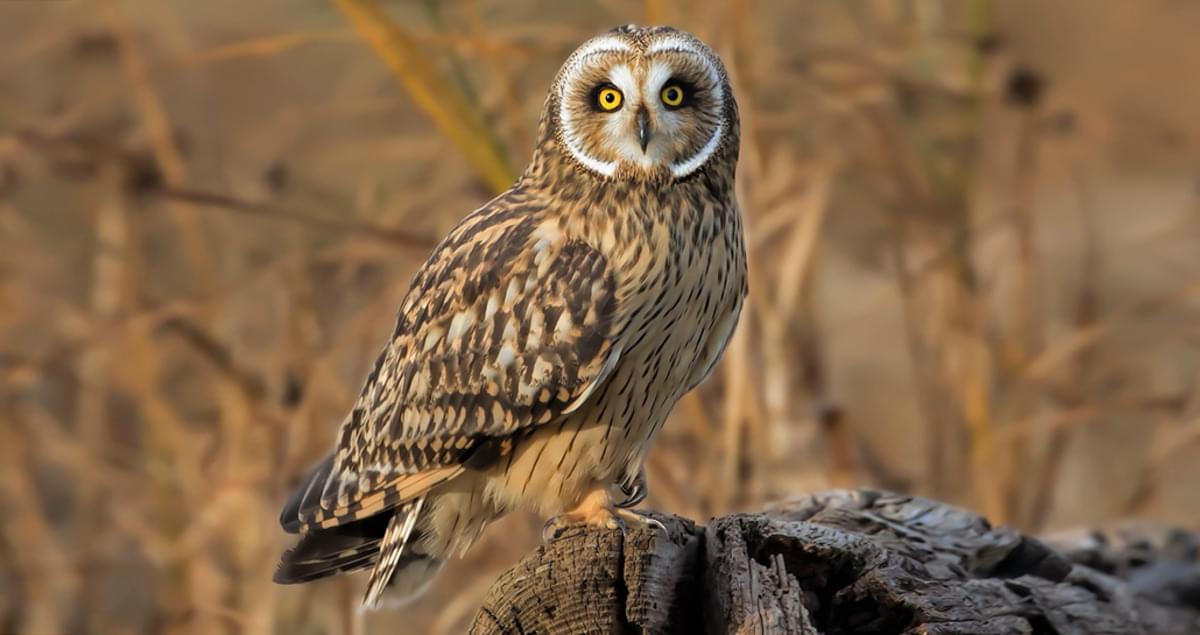
How does the Short-eared Owl’s distinctive light sandy plumage aid in its hunting strategies and habitat adaptation in Wisconsin? Short-eared Owls, with their light sandy back, wings, and tail adorned with dark brown mottling, utilize their unique plumage to blend seamlessly into the grasslands of Wisconsin. This cryptic coloration provides them with effective camouflage against the open prairies, enabling them to ambush prey with precision.
These owls exhibit remarkable acrobatic flight patterns, reminiscent of moths, as they gracefully maneuver low over the grasslands in search of small mammals like mice, lemmings, and shrews, along with small to medium-sized birds. Their hunting prowess is further honed by their crepuscular behavior, making them most active during the dim light of dawn and dusk.
Thriving in habitats such as Paradise Valley, Killsnake Wildlife Area, and Buena Vista Grasslands, Short-eared Owls have adapted well to Wisconsin’s open prairies, where their hunting skills and distinctive plumage make them a captivating sight to behold.
5. Snowy Owl

Sporting their iconic white plumage, Snowy Owls are easily distinguishable in their tundra habitats. These large owls, with a wingspan of up to 4.8 feet (152 cm), soar gracefully over open landscapes in search of prey. Snowy Owls primarily feed on small mammals and birds, with lemmings being a crucial component of their diet. During irruption years, these majestic birds migrate further south, sometimes gracing locations like Wisconsin with their presence.
| Characteristic | Description |
|---|---|
| Plumage | Iconic white feathers |
| Wingspan | Up to 4.8 feet (152 cm) |
| Habitat | Tundra regions and open areas |
| Diet | Predominantly small mammals and birds |
| Migration Pattern | Irruption years lead to migrations southward |
Observing Snowy Owls in Wisconsin, especially along Lake Michigan’s coastline and other open areas during their winter visits, offers a unique opportunity to witness these stunning creatures in their natural habitat.
6. Northern Saw-whet Owl
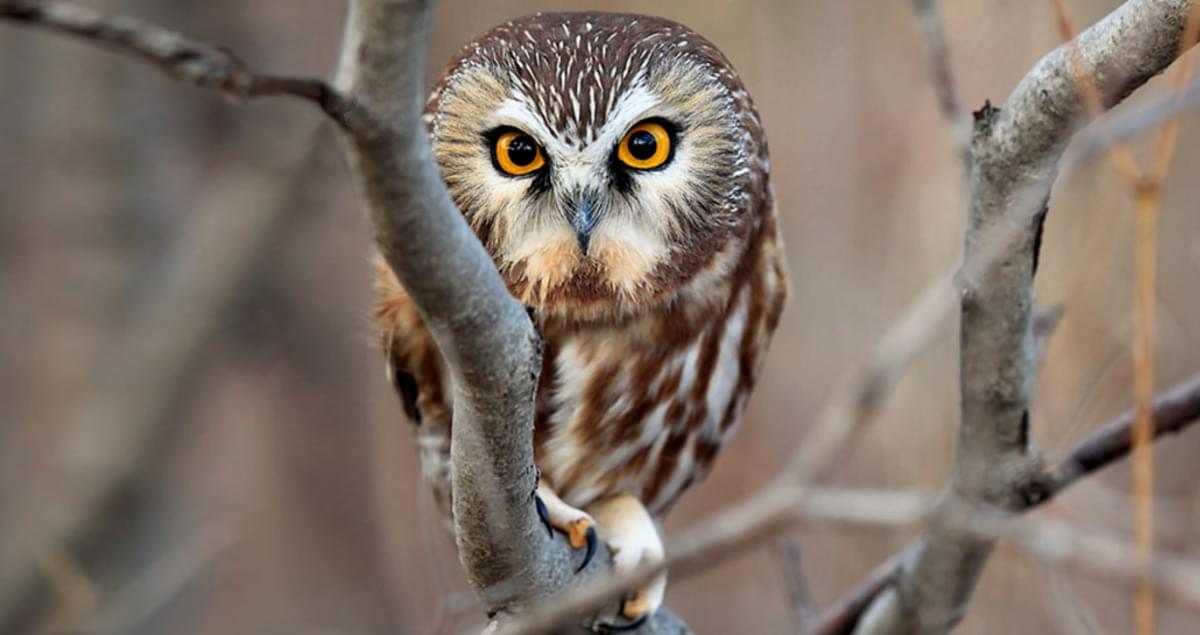
The Northern Saw-whet Owl, a small and dark brown species with distinct white streaks on its feathers, is known for its high-pitched, quiet call reminiscent of a sharpening saw. This nocturnal owl, found in coniferous forests of Canada and the northern/western USA, preys mainly on small mammals like mice and voles. With exceptional hearing abilities, the Northern Saw-whet Owl can pinpoint the slightest sounds of scurrying prey beneath the dense forest canopy.
During the breeding season, these owls select nest sites that provide ample cover and protection within their preferred coniferous habitats. Their camouflaged plumage helps them blend seamlessly with the bark of trees, enhancing their ability to ambush unsuspecting prey. Conservation efforts for the Northern Saw-whet Owl concentrate on preserving their breeding ranges and ensuring the availability of suitable habitats to support their populations. By safeguarding these vital ecosystems, conservationists aim to secure the future of these enigmatic and vital predators in the wild.
7. Long-eared Owl
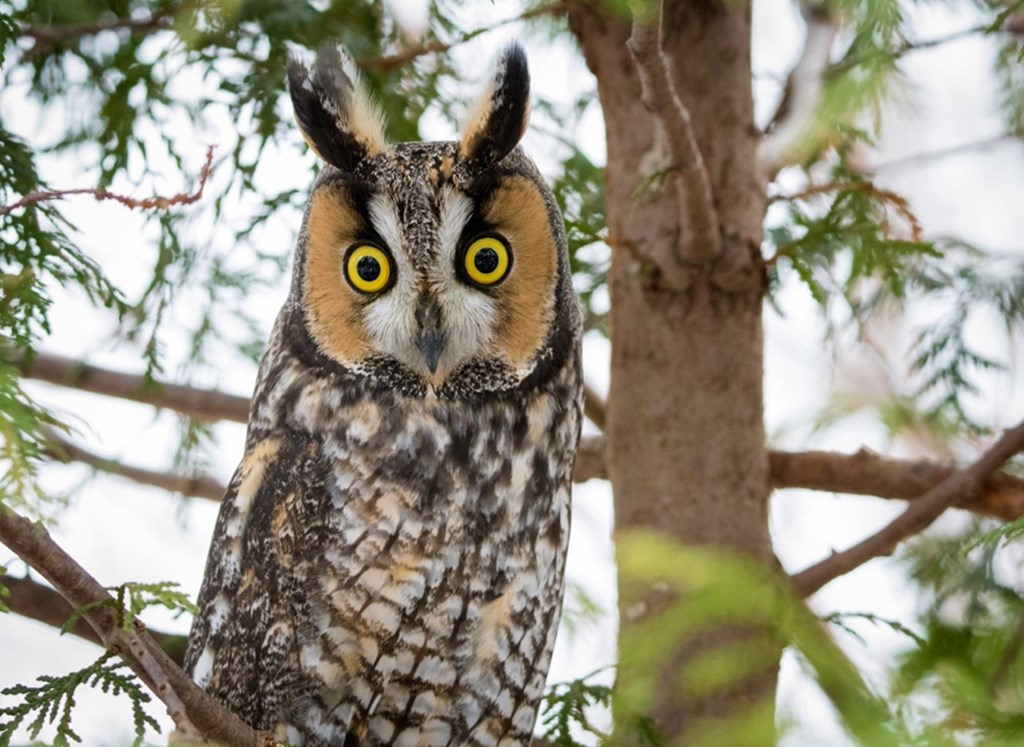
The Long-eared Owl inhabits Wisconsin as a medium-sized species recognized by distinctive ear tufts and a wingspan that ranges from 35.4 to 39.4 inches. Long-eared Owls, scientifically known as Asio otus, exhibit a preference for coniferous forests, where they can be observed perched in dense foliage or flying silently through the trees. These owls weigh between 7.8 to 15.3 ounces, making them agile hunters of small mammals and birds.
Their adaptability extends to various habitats, but they commonly choose coniferous forests for nesting. Long-eared Owls are often found in close proximity to water sources, where they hunt for prey under the cover of darkness. Their global status highlights the importance of conserving their habitats to ensure their continued presence in Wisconsin. Conservation efforts focus on providing suitable nesting sites within coniferous forests to support breeding success and sustain the Long-eared Owl population in the region.
8. Barn Owl

Nesting primarily in abandoned buildings and tree hollows, the Barn Owl (Tyto alba) is a medium-sized owl species known for its distinctive heart-shaped facial disk and silent flight. These owls can be found in Wisconsin, where conservation efforts are focused on providing suitable nesting sites and protecting their habitats from human disturbance.
- The Barn Owl emits a screeching call that is distinct and can be heard in their nesting areas.
- Their diet mainly consists of small mammals such as mice and voles, making open grasslands, farmlands, and marshes ideal hunting grounds.
- With a wingspan of about 42 inches (107 cm), Barn Owls are agile fliers, aided by their lightweight bodies that weigh between 14 to 24 ounces (400 to 700 grams).
- Cavity nesters by nature, Barn Owls seek out abandoned structures like buildings, barns, and tree hollows for breeding and roosting.
- In Wisconsin, efforts are underway to ensure the preservation of suitable nesting sites for the Barn Owl population to thrive.
9. Great Gray Owl
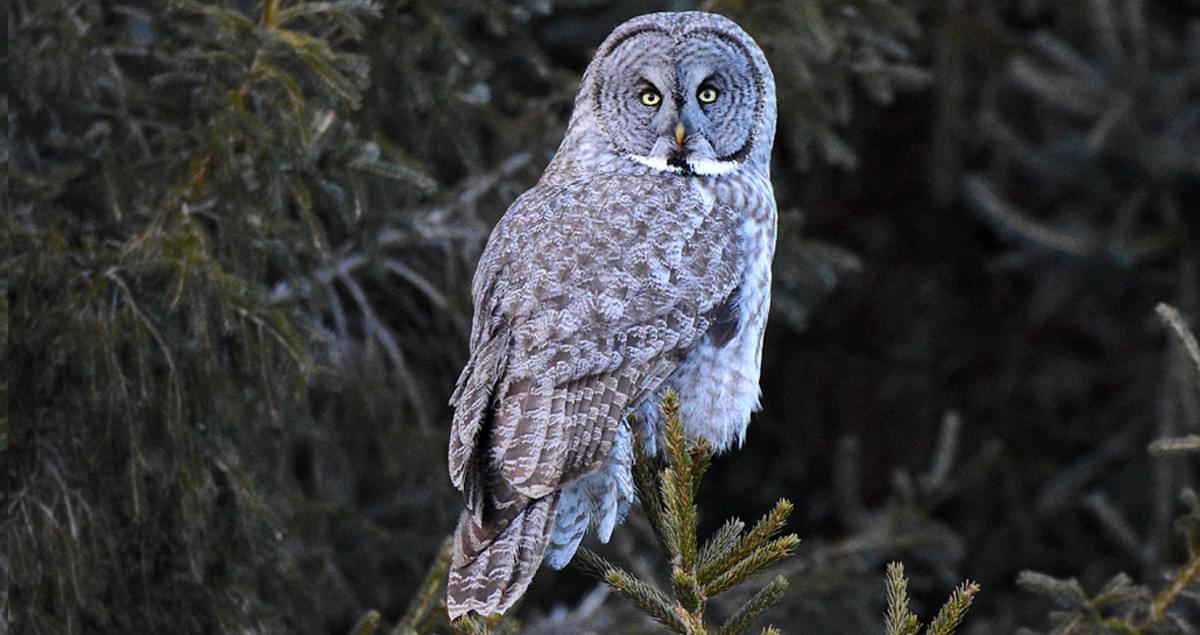
Measuring between 24 to 33 inches in length, the impressive Great Gray Owl is the largest owl species to be found in Wisconsin. With a wingspan ranging from 4 feet 8 inches to 5 feet, these owls are formidable hunters in open landscapes. Their light gray plumage, adorned with dark mottling, allows them to blend seamlessly into their forested habitats. Great Gray Owls possess a unique facial disk that aids in locating and capturing prey, primarily small mammals. Conservation efforts are vital for safeguarding the Great Gray Owl population in Wisconsin, as habitat destruction and climate change pose significant threats.
| Great Gray Owls Facts | Details |
|---|---|
| Size | 24 to 33 inches in length |
| Wingspan | 4 feet 8 inches to 5 feet |
| Plumage | Light gray with dark mottling |
| Prey | Hunt small mammals |
| Conservation Status | Threatened by habitat destruction and climate change |
10. Northern Hawk Owl
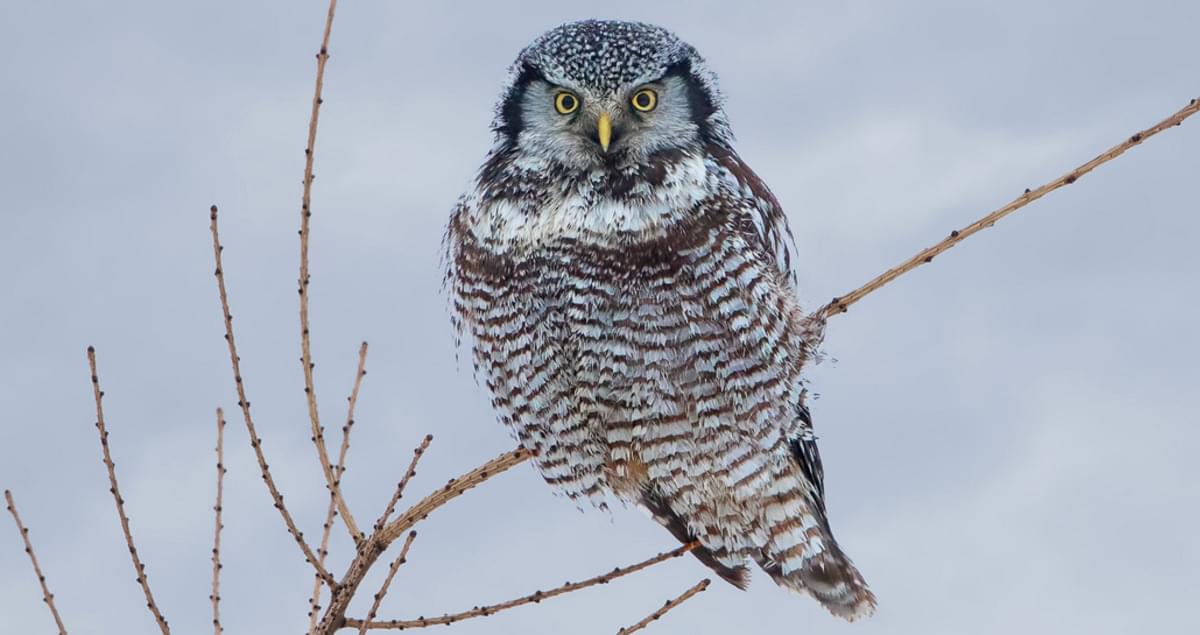
Impressively adapted to diurnal hunting, the Northern Hawk Owl in Wisconsin stands out with its unique appearance and exceptional predatory skills. This medium-sized owl lacks ear tufts and sports a distinctive long tail, making it easily identifiable in its boreal forest habitat. Here are some key observations about the Northern Hawk Owl:
- The Northern Hawk Owl is known for its diurnal hunting habits, often perching in open areas to scan for prey during the day.
- Its call is a high-pitched, repeated ‘kee-kee-kee’ sound that echoes through the coniferous forests where it resides.
- This owl species primarily preys on small mammals like voles and mice, showcasing its adept hunting skills and agility in capturing prey.
- With a widespread distribution across North America, the Northern Hawk Owl can frequently be spotted in the northern regions of Wisconsin, particularly in coniferous forests and open fields.
11. Burrowing Owl

Inhabiting underground burrows in open habitats with sandy soil, the Burrowing Owl is a unique species characterized by its diurnal behavior and distinctive physical features. These small owls can be found in areas like grasslands, deserts, and prairies, where they are active during the day, unlike most other owl species. Burrowing Owls have adapted to ground living with their long legs and short tails, allowing them to run swiftly and capture prey on the ground. Their sandy brown plumage provides effective camouflage in their sandy habitats. Conservation efforts are crucial for protecting Burrowing Owls and their burrowing sites from threats like habitat destruction and human disturbance. By safeguarding these unique owls and their specialized habitats, we can ensure the continued survival of this fascinating diurnal owl species.