

Explore Heart-Shaped Hoya, String of Hearts Plant, and Heart-Leaf Philodendron in your garden. These plants boast unique heart-shaped leaves for a touch of elegance. Benefit from their efficient photosynthesis and air-purifying properties. Pothos, Anthurium, Cyclamen, Split-Leaf Philodendron, and Dutchmans Pipe also offer beauty and functionality. Discover how these plants enhance biodiversity and attract beneficial insects. Uncover the wide array of heart-shaped leaf plants and their benefits for your garden’s ecosystem and aesthetic appeal.
1. Heart-Shaped Hoya

Hoya kerrii, commonly known as the sweetheart Hoya, showcases distinctive heart-shaped leaves that have made it a sought-after plant for gifting purposes. This charming succulent is particularly popular around Valentines Day when it is often sold as a single leaf, symbolizing love and affection. The heart-shaped leaves of the Hoya kerrii are thick and fleshy, serving as a water reservoir for the plant during dry periods. To care for your Heart-Shaped Hoya, place it in a location with bright, indirect light and water it sparingly, approximately twice a month or when the leaf begins to feel limp. As the Hoya matures, it will develop a vining habit, cascading down and producing more of its signature heart-shaped leaves. With its unique foliage and easy care requirements, the Heart-Shaped Hoya is a delightful addition to any indoor space, adding a touch of whimsy and greenery to your surroundings.
2. String of Hearts Plant

The String of Hearts Plant, scientifically known as Ceropegia woodii, is a vining succulent species characterized by its delicate, trailing stems bearing small, silver-patterned heart-shaped leaves. Native to South Africa, this plant is commonly grown as a hanging or trailing plant due to its cascading growth habit. The String of Hearts is a charming addition to any garden, with its dainty foliage adding a touch of elegance. Its heart-shaped leaves are a distinctive feature, making it a popular choice for those seeking unique and eye-catching plants.
Thriving in bright, indirect light, the String of Hearts requires well-draining soil to prevent issues like root rot. Its easy propagation from stem cuttings makes it a favorite among plant enthusiasts looking to expand their collection. Whether displayed in a hanging basket or allowed to trail down a shelf, the String of Hearts is sure to bring a delightful touch of greenery to any indoor space.
3. Heart-Leaf Philodendron

Ceropegia woodii was a captivating example of a plant with heart-shaped leaves, and now turning to another noteworthy species, Philodendron hederaceum, commonly known as the Heart-Leaf Philodendron. The Heart-Leaf Philodendron is a beloved houseplant admired for its distinctive heart-shaped leaves, making it a popular choice for indoor decoration. These green leaves can be solid in color or exhibit variegated patterns, adding a touch of elegance to any living space. Philodendron hederaceum is a versatile plant that can be grown as a climber or in hanging baskets, allowing for creative arrangements in your home. Thriving in bright, indirect light conditions, this plant requires moderate watering, making it a low-maintenance option for plant enthusiasts. The lush and tropical ambiance created by the heart-shaped leaves of the Heart-Leaf Philodendron is ideal for enhancing the greenery in your home decor, bringing a touch of nature indoors.
4. Pothos

Pothos, a widely recognized indoor plant, features distinctive heart-shaped leaves that contribute to its popularity among plant enthusiasts. The scientific name for Pothos is Epipremnum aureum. This plant is favored not only for its charming heart-shaped leaves but also for its ease of care and adaptability to various light conditions, ranging from low to bright indirect light. Pothos is not only aesthetically pleasing but also serves a practical purpose as a great air-purifying plant, effectively removing toxins like formaldehyde from the air.
| Feature | Description |
|---|---|
| Scientific Name | Epipremnum aureum |
| Light Conditions | Thrives in low to bright indirect light |
| Growth Habit | Versatile – can be grown in hanging baskets, on shelves, or as a trailing vine |
| Variegated Types | Comes in different varieties with variegated leaves, adding a pop of color to any space |
With its unique heart-shaped leaves, Pothos makes an excellent addition to any indoor garden, bringing both beauty and functionality to your living space.
5. Anthurium
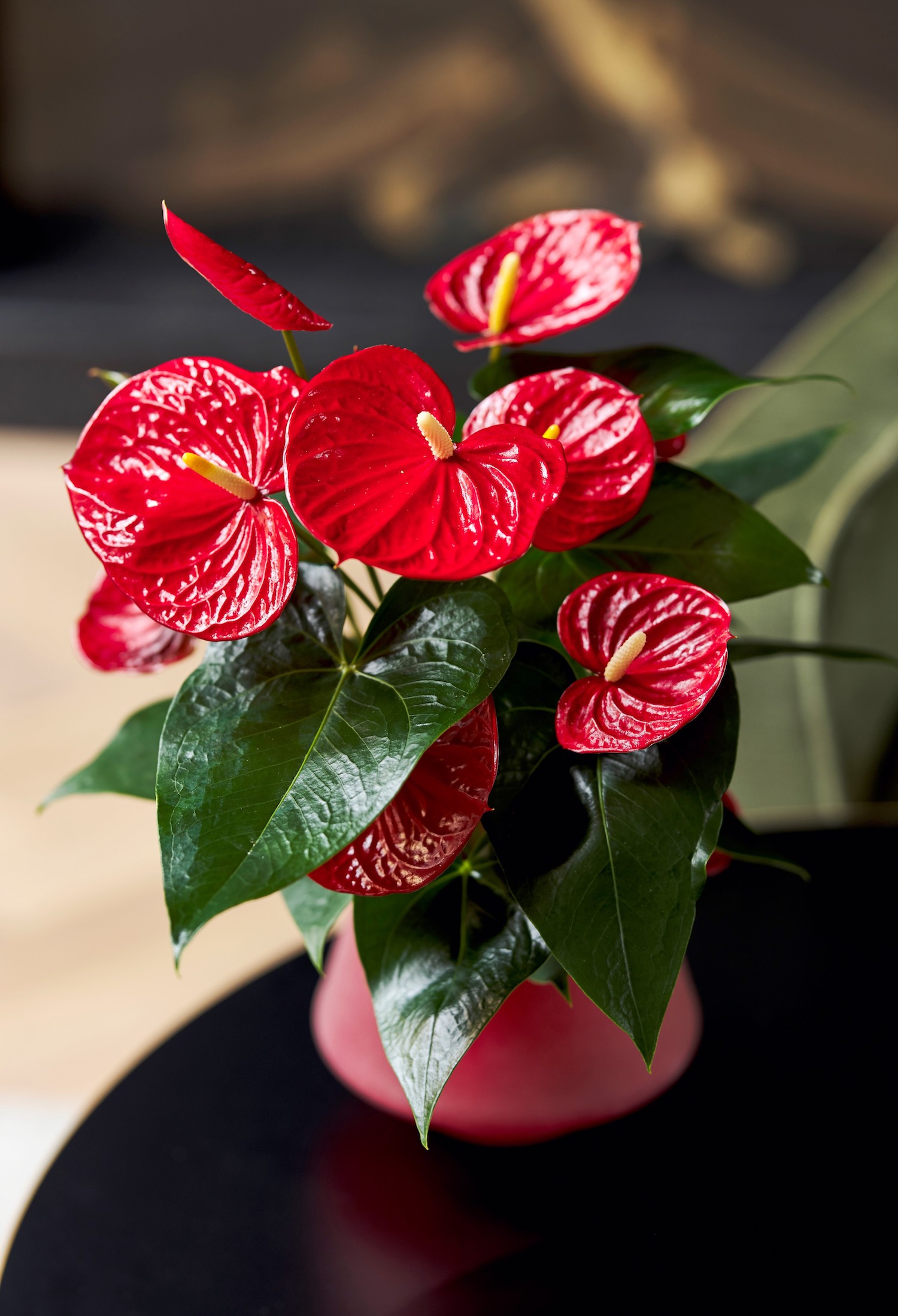
Anthurium, also known as the flamingo flower, is a plant belonging to the Anthurium genus and is characterized by oblong green heart-shaped leaves. This tropical plant is not only admired for its heart-shaped foliage but also for its vibrant and exotic blooms. Here are some key points about the anthurium:
- The heart-shaped leaves of the anthurium plant symbolize love and abundance, making it a popular choice for gifting on special occasions.
- The flamingo flower’s leaves can vary in color from dark green to shades of red, pink, or even white, adding a touch of elegance to any indoor space.
- Anthurium plants thrive in bright, indirect light and require regular watering to keep their soil moist but not waterlogged.
With its charming heart-shaped leaves and striking blooms, the anthurium is a delightful addition to any plant collection, bringing a touch of tropical beauty into your home.
6. Cyclamen

Cyclamen, known as Persian cyclamen, are houseplants characterized by their heart-shaped leaves and vibrant blooming patterns. These plants are popular for their exquisite flowers that emerge gracefully above the foliage, adding a touch of elegance to any indoor space. Cyclamen prefer cool temperatures and indirect light to thrive, making them ideal for indoor cultivation. Their heart-shaped leaves contribute to their charm, enhancing the visual appeal of these plants even when not in bloom.
| Cyclamen Facts | |
|---|---|
| Scientific Name | Cyclamen |
| Common Name | Persian Cyclamen |
| Leaf Shape | Heart-shaped |
The vibrant flowers of cyclamen come in an array of colors, including white, pink, red, and purple, making them versatile decorative additions for homes. With proper care and attention to their specific needs, cyclamen can reward you with their striking blooms throughout the winter and spring seasons.
7. Split-Leaf Philodendron

Native to tropical regions, the Split-Leaf Philodendron, scientifically known as Monstera deliciosa, is a vining plant distinguished by its large, glossy, heart-shaped leaves. This plant’s unique characteristics make it a delightful addition to any indoor garden. Here are some key points to consider:
- Distinctive Appearance: The Split-Leaf Philodendron stands out due to the fenestrations or splits present in its leaves, giving it an intriguing resemblance to Swiss cheese.
- Low-Maintenance: Monstera deliciosa is relatively easy to care for, requiring only occasional watering and well-draining soil to support its growth.
- Impressive Growth: With the right conditions, this plant can grow to impressive sizes, making it a striking statement piece in your living space.
Adding a Split-Leaf Philodendron to your collection not only brings in a touch of exotic beauty but also offers a visually captivating plant that is sure to spark conversation.
8. Dutchmans Pipe

Dutchmans Pipe, scientifically known as Aristolochia macrophylla, is a climbing plant distinguished by its expansive heart-shaped leaves. This deciduous vine, suitable for zones 6 to 9, exhibits remarkable vigor, capable of ascending to heights of 30 feet. One of its most notable features is the production of distinctive pipe-shaped flowers, which serve to attract various pollinators to the garden. Dutchmans Pipe flourishes when exposed to full sun or partial shade and planted in soil that allows for proper drainage.
The large leaves of the Dutchmans Pipe not only contribute to its aesthetic appeal but also play a crucial role in photosynthesis and transpiration processes within the plant. These leaves provide ample surface area for the absorption of sunlight and exchange of gases essential for the plant’s survival. Additionally, their heart-shaped design adds a charming aspect to the overall appearance of the climbing plant, making it a desirable addition to garden landscapes seeking botanical diversity and visual interest.