

Enhance your lemongrass garden with these top companion plants. Cilantro boosts the aromatic profile and repels pests. Basil complements lemongrass, repelling pests and attracting good bugs. Thyme and lemongrass have matching growing needs and flavors. Mint naturally deters pests and adds fresh scent. Lemon Verbena shares sunny preferences and enriches culinary experiences. Tomatoes deter pests and peppers enhance flavor. Beans and lemongrass support each other with mutual benefits. Marigolds repel harmful bugs, attracting pollinators. These plants create a harmonious garden, keeping your lemongrass thriving.
1. Lemongrass and Cilantro
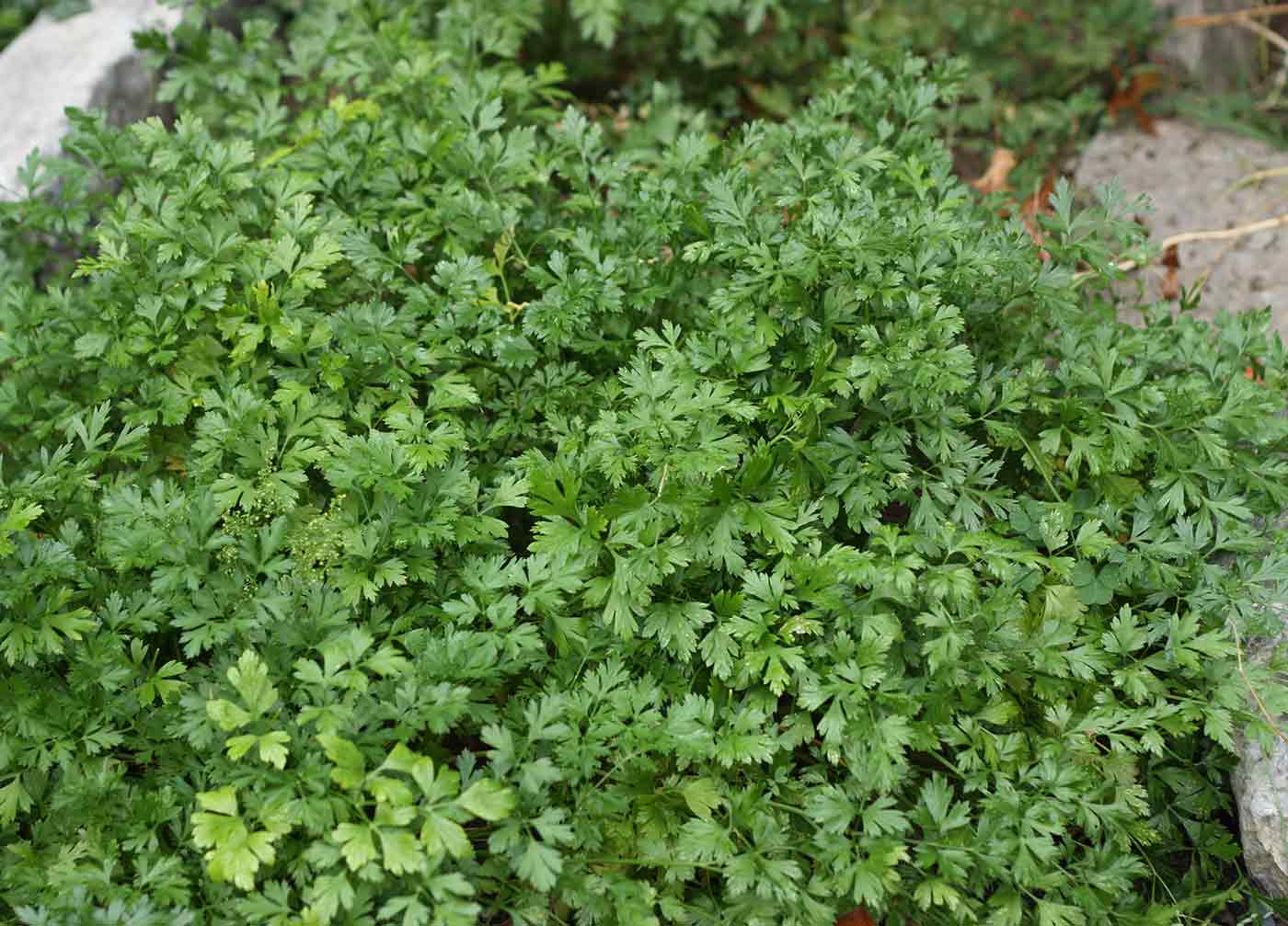
When considering companion planting options for your lemongrass, cilantro emerges as a beneficial choice due to its flavor compatibility and pest-repelling properties. Cilantro, a versatile herb, not only enhances the aromatic profile of lemongrass but also acts as a natural insect deterrent in the garden. By growing cilantro alongside lemongrass, you create a harmonious environment where both herbs thrive.
In culinary applications, the pairing of lemongrass and cilantro elevates the taste of dishes, adding a refreshing and zesty flavor profile. The aromatic qualities of these herbs combined can enhance the overall sensory experience of your culinary creations. Additionally, visually, the lush green foliage of cilantro complements the slender, graceful blades of lemongrass, creating an aesthetically pleasing herb garden bed or container.
Furthermore, cilantro’s rapid growth can provide shade and protection to lemongrass during periods of intense sunlight, fostering optimal growth conditions for both herbs. This symbiotic relationship between lemongrass and cilantro exemplifies the benefits of strategic companion planting in your garden.
2. Lemongrass and Basil

The compatibility between lemongrass and basil makes them ideal companion plants in the garden for their shared preference for well-drained soil and full sunlight. Planting lemongrass and basil together not only enhances the visual appeal of your garden but also provides practical benefits. Basil’s strong aroma acts as a natural pest deterrent, helping to repel insects like mosquitoes and flies, which complements lemongrass’s own pest-repelling properties. This combination creates a harmonious environment that can help protect your plants. Additionally, both lemongrass and basil are versatile culinary herbs, offering a diverse range of flavors and aromas for your cooking and herbal tea needs. By growing lemongrass and basil together, you can create a dynamic herb garden that not only serves your culinary interests but also attracts beneficial insects such as bees and butterflies, aiding in pollination and promoting a thriving garden ecosystem.
3. Lemongrass and Thyme

Lemongrass and thyme make excellent companion plants due to their complementary flavors and growth habits, creating a harmonious herb garden with practical benefits. Thyme enhances the taste of both herbs in culinary dishes, while its low-growing nature complements lemongrass’s upright growth, resulting in an aesthetically pleasing herb garden layout. The aromatic foliage of thyme not only adds fragrance but also serves as a natural pest deterrent, helping to keep unwanted pests at bay and attracting beneficial insects that support lemongrass growth. Both thyme and lemongrass thrive in similar growing conditions such as full sun and well-drained soil, making them compatible planting partners. By combining thyme and lemongrass in your garden, you can create a synergistic environment with multiple uses, from enhancing your dishes to naturally protecting your plants.
4. Lemongrass and Mint

Pairing lemongrass with mint in your garden can create a harmonious and beneficial relationship between two versatile herbs. Mint and lemongrass are ideal companion plants due to their shared preference for full sun and well-drained soil. The strong aroma of mint acts as a natural pest control measure, deterring pests that may harm lemongrass, thus promoting a healthier growth environment. Both herbs are not only visually appealing when planted together but also offer a delightful fragrance that enhances the overall ambiance of your garden.
When combined, lemongrass and mint provide a dual-purpose in your garden. Apart from their ornamental value, they are both highly valued for their culinary uses. Mint and lemongrass can be incorporated into various dishes, teas, and cocktails, adding a unique flavor profile. Additionally, this combination attracts beneficial insects like bees and butterflies, contributing to the biodiversity of your garden and supporting pollination efforts. By planting lemongrass and mint side by side, you are creating a multifunctional and aesthetically pleasing corner that enhances both the visual and aromatic aspects of your garden space.
5. Lemongrass and Lemon Verbena

Consider incorporating lemon verbena alongside lemongrass in your garden for a complementary and aromatic herb pairing. These fragrant herbs not only complement each other but also offer a delightful sensory experience in your garden.
- Complementary Aromas: Lemon verbena adds a refreshing lemony scent and flavor, while lemongrass provides a subtle citrus undertone, creating a harmonious blend of fragrances.
- Ideal Growing Conditions: Both lemongrass and lemon verbena thrive in full sun and well-drained soil, making them perfect companions in terms of environmental requirements.
- Versatile Planting Options: You can plant lemongrass and lemon verbena together in containers or garden beds. This versatility allows you to create a visually appealing and aromatic herb garden that is easy to maintain.
Enhance your garden with the aromatic qualities of lemongrass and lemon verbena, creating a vibrant herb pairing that will not only please your senses but also elevate your culinary experiences.
6. Lemongrass and Tomatoes

When planting tomatoes, incorporating lemongrass as a companion plant can help deter common pests and promote overall plant health. Lemongrass serves as a natural pest repellent, keeping harmful insects like aphids and whiteflies away from your tomato plants. The potent fragrance of lemongrass also acts as a mask, potentially deterring pests such as thrips and spider mites by confusing their olfactory senses. Additionally, planting lemongrass near tomatoes can attract beneficial insects like ladybugs and lacewings, which feed on these harmful pests, creating a balanced ecosystem in your garden.
Both lemongrass and tomatoes require similar amounts of sunlight and water, making them ideal companions in terms of care and maintenance. By combining these plants, you not only enhance the visual appeal of your garden with their complementary growth habits but also contribute to the overall plant health and diversity in your garden bed. Consider planting lemongrass alongside tomatoes for a mutually beneficial relationship that supports a thriving garden ecosystem.
7. Lemongrass and Peppers

The symbiotic relationship between lemongrass and peppers in the garden is characterized by their shared preference for full sun and well-drained soil. When planted together, they form a beneficial partnership that goes beyond just sharing growing conditions. Here are some key points to consider about growing lemongrass and peppers as companions:
- Lemongrass acts as a natural insect-repellent, benefiting pepper plants by creating a healthier environment free from pests like aphids and spider mites.
- The aromatic qualities of lemongrass not only help in pest control but also enhance the flavor of peppers, resulting in more flavorful harvests.
- Both lemongrass and peppers require similar care routines, making them convenient companions for gardeners looking to streamline their gardening tasks.
8. Lemongrass and Beans

Lemongrass and beans thrive as complementary companions in the garden due to their compatible light and water requirements. When planting these companion plants together, consider their mutual benefits. Beans, known for fixing nitrogen in the soil, support lemongrass by enhancing nutrient availability. On the other hand, the aromatic nature of lemongrass acts as a natural pest deterrent for beans, promoting healthier bean growth.
The relationship between lemongrass and beans goes beyond just compatibility; it’s a mutable beneficial relationship. By planting lemongrass near beans, you not only enhance the flavor of the beans but also improve the overall health and productivity of your garden. Ensure both plants receive adequate sunlight and watering to support their growth. This simple yet effective pairing of lemongrass and beans is a practical way to create a harmonious and thriving garden environment.
9. Lemongrass and Marigolds

Pairing marigolds with lemongrass in your garden enhances pest control and soil quality due to their complementary characteristics. Marigolds, known for their pest-repelling properties, make excellent companion plants for lemongrass. Here’s why this combination is beneficial for your garden:
- Marigolds repel pests: Planting marigolds near lemongrass can help keep pests like nematodes, mosquitoes, and aphids at bay, protecting your lemongrass from potential harm.
- Improve soil quality: The presence of marigolds can improve soil quality by deterring harmful insects and attracting beneficial pollinators that contribute to a healthier soil ecosystem.
- Attract beneficial pollinators: Marigolds not only repel pests but also attract beneficial pollinators like bees and butterflies, enhancing pollination in your garden for better plant growth.