

Explore South Carolina’s diverse owl population, including the Great Horned Owl with tufted ears and yellow eyes, the stealthy Eastern Screech Owl blending into landscapes, and the Barred Owl known for its distinctive hooting call. Witness the Barn Owl’s efficient hunting skills in old buildings, the Northern Saw-Whet Owl’s preference for coniferous forests, and the Long-Eared Owl’s long ear tufts aiding in communication. Lastly, encounter the Short-Eared Owl’s recognizable hooting calls during breeding season. The wonders of these magnificent creatures and their unique traits await your discovery.
1. Great Horned Owl

The Great Horned Owl’s distinctive features, including tufted ears and piercing yellow eyes, make it easily identifiable in South Carolina’s diverse habitats. As one of the most common owl species found in the state, these majestic birds can be spotted year-round in places like Marion National Forest and National Wildlife Refuges. Measuring between 46-63 cm in length and weighing 910-2500 g, Great Horned Owls boast an impressive wingspan ranging from 101-145 cm. Their adaptability is evident in their hooting calls that echo through the night, a sound that strikes both fear and wonder in those who hear it. As apex predators, they reign supreme, preying on a variety of animals, from rodents to birds and even other owls. With their mottled plumage blending seamlessly into the canopy, the Great Horned Owl epitomizes stealth and power in the wilds of South Carolina.
2. Eastern Screech Owl
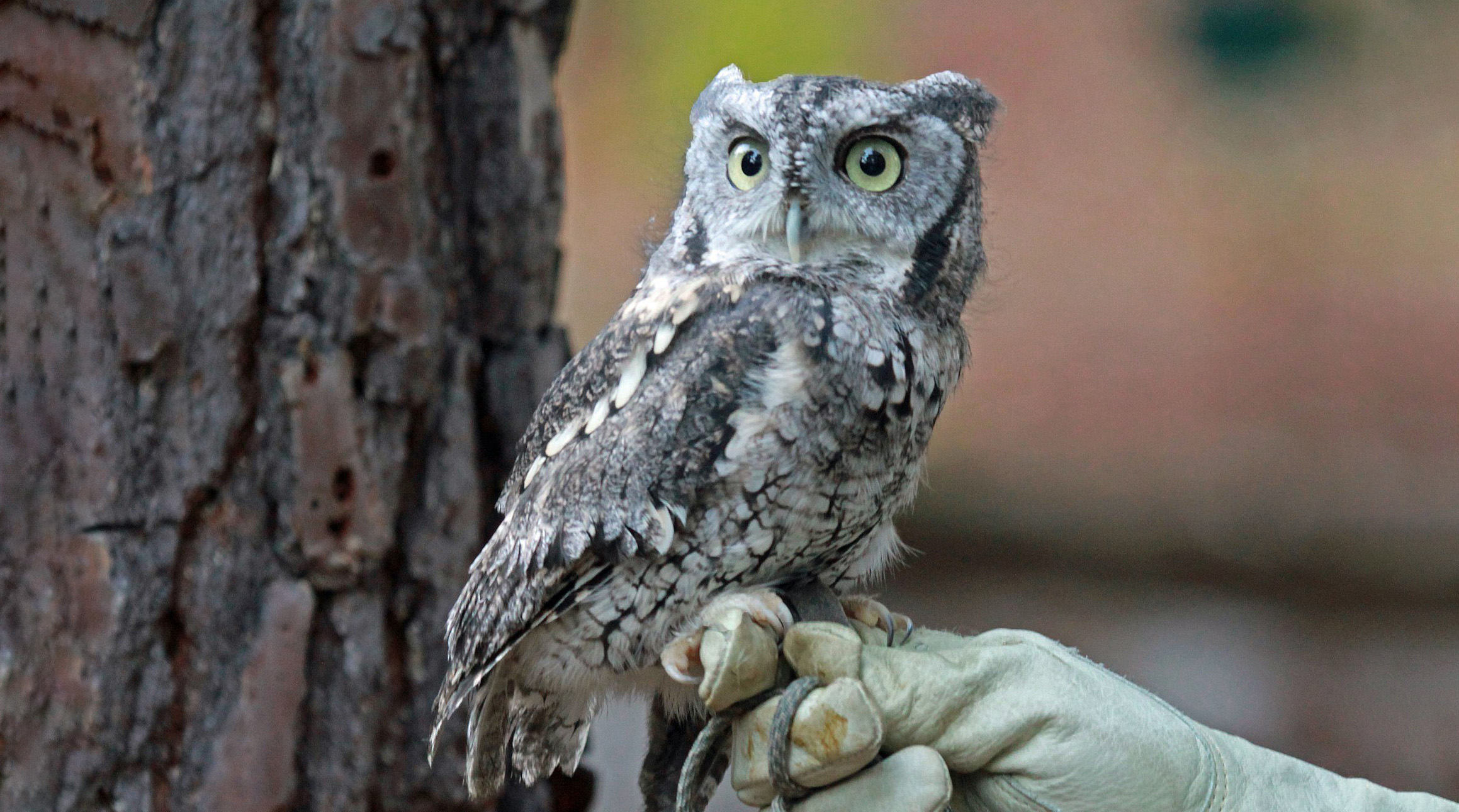
Inhabiting the diverse landscapes of South Carolina, the Eastern Screech Owl, a small owl species, is a master of camouflage and stealth in its wooded habitats. Measuring between 16-25 cm and weighing 121-244 grams, these owls blend seamlessly into their surroundings with their camouflaged plumage, making them elusive to spot during the day. Eastern Screech Owls are skilled hunters, preying on small mammals, birds, and insects with precision. Their keen eyesight and acute hearing aid in the detection of prey in the dim light of the night.
One of the striking features of the Eastern Screech Owl is its distinctive calls, characterized by trilling or whinnying sounds that echo through the quiet forests of South Carolina. These calls serve various purposes, including territorial communication and attracting mates. By utilizing their cryptic appearance and adept hunting techniques, Eastern Screech Owls thrive in the wooded habitats of South Carolina, showcasing their prowess as formidable predators in the night.
3. Barred Owl

Mastering the art of stealth and adaptation, the Barred Owl, a year-round resident in South Carolina, showcases its distinctive ‘Who cooks for you?’ hooting call. These medium-sized owls, part of the National Species of Horned Owls, exhibit a size range of 40-63 cm in length and a weight of 500-1050 g, with a wingspan of 96-125 cm. In South Carolina, their adaptable nature allows them to thrive in old forests near swamps and streams. The Barred Owl’s brown and white barred plumage, coupled with their dark eyes and rounded head, make them easily identifiable in their natural habitat. These owls play a crucial role in the ecosystem by controlling rodent populations and are safeguarded under the Migratory Bird Treaty Act. Their presence adds to the rich biodiversity of South Carolina’s wildlife, contributing to the intricate balance of the region’s natural environment.
4. Barn Owl

With its notable heart-shaped facial disc, the Barn Owl, a medium-sized owl species found year-round in South Carolina, stands out for its unique features and hunting prowess. Sporting a wingspan ranging from 80 to 95 cm and weighing between 224 to 710 g, Barn Owls are efficient hunters preying on small mammals, birds, and insects. Their remarkable hearing aids in locating prey in the darkness of night. Nesting in barns, old buildings, or nest boxes, these ghostly looking owls are captivating to observe due to their silent flight. Conservation efforts are crucial for the Barn Owl, focusing on maintaining open habitats and reducing pesticide use to protect their prey species. The distinctive appearance and hunting skills of the Barn Owl make it a fascinating subject for scientific study and wildlife enthusiasts alike in the South Carolina region.
5. Northern Saw-Whet Owl
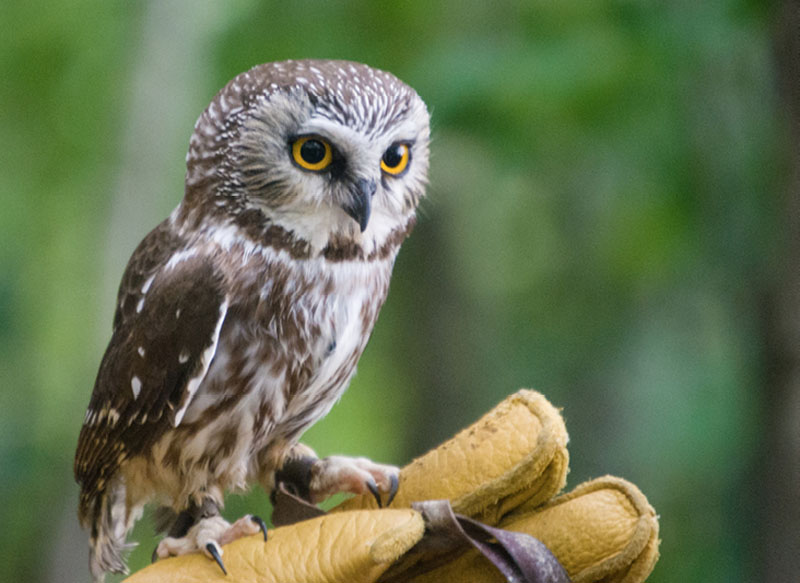
The small but distinct Northern Saw-Whet Owl, a resident of South Carolina, showcases its unique characteristics through its vocalizations and brown-backed appearance. This small owl species, measuring 18-21 cm in length and weighing 54-151 g, can be easily identified by its yellow eyes and nocturnal habits. Found year-round in South Carolina, the Northern Saw-Whet Owl prefers coniferous forests and woodlots as its habitat, where it nests in tree cavities or nest boxes. With a wingspan ranging from 42-56.3 cm, this owl feeds on small mammals, birds, and insects as part of its diet.
The Northern Saw-Whet Owl’s vocalizations are particularly distinctive, often described as a rhythmic tooting sound that resembles a saw being sharpened. Its brown-backed appearance helps it blend seamlessly into the dense foliage of its preferred habitat. Observing this owl in its natural environment offers a glimpse into the fascinating world of these nocturnal predators, adding to the rich diversity of owl species in South Carolina.
6. Long-Eared Owl
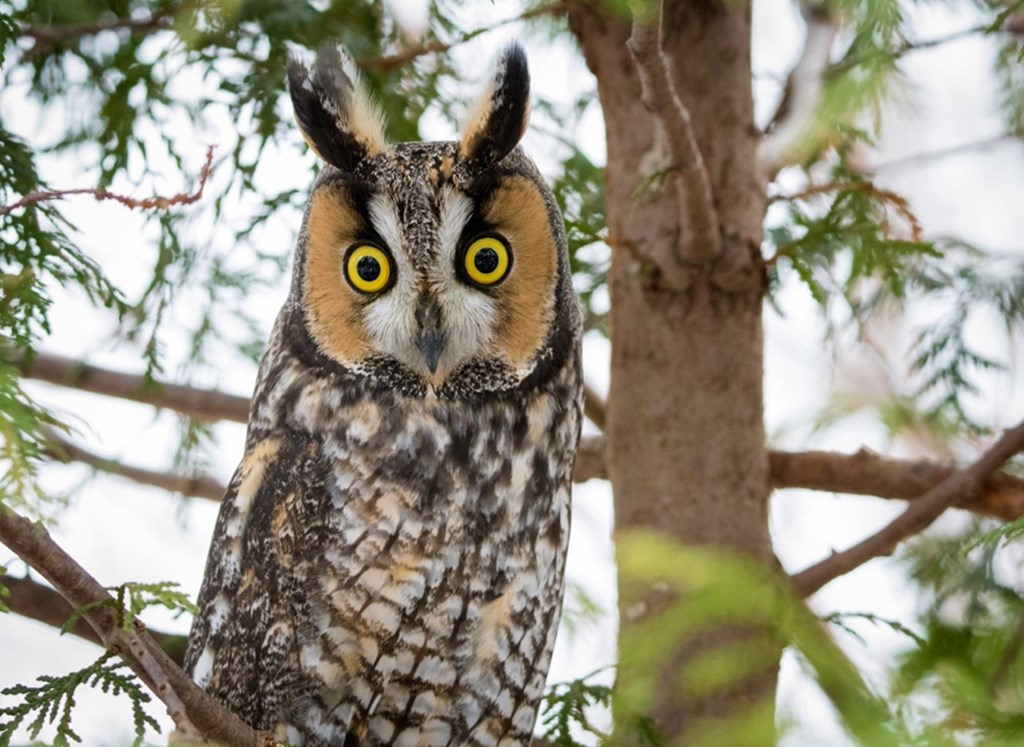
You can easily spot the Long-Eared Owl (Asio otus) as a year-round resident in South Carolina, known for its impressive length, weight, and distinct ear tufts. This owl species, a member of the nocturnal raptors, measures 31-40 cm in length and weighs 178-435 g. Long-Eared Owls boast a wingspan of 90-100 cm, making them a striking sight in the South Carolina skies. Here are some fascinating facts about the Long-Eared Owl:
- Long-Eared Owls are skilled hunters, preying on small mammals and birds in their environment.
- These owls are commonly found in a variety of habitats, including coniferous forests and woodlands, where their excellent camouflage helps them blend in seamlessly.
- One of the most distinctive features of the Long-Eared Owl is its long ear tufts, which are used for communication and are not actually its ears.
Observing these majestic creatures in their natural habitats can provide a glimpse into the fascinating world of owl behavior and adaptations.
7. Short-Eared Owl
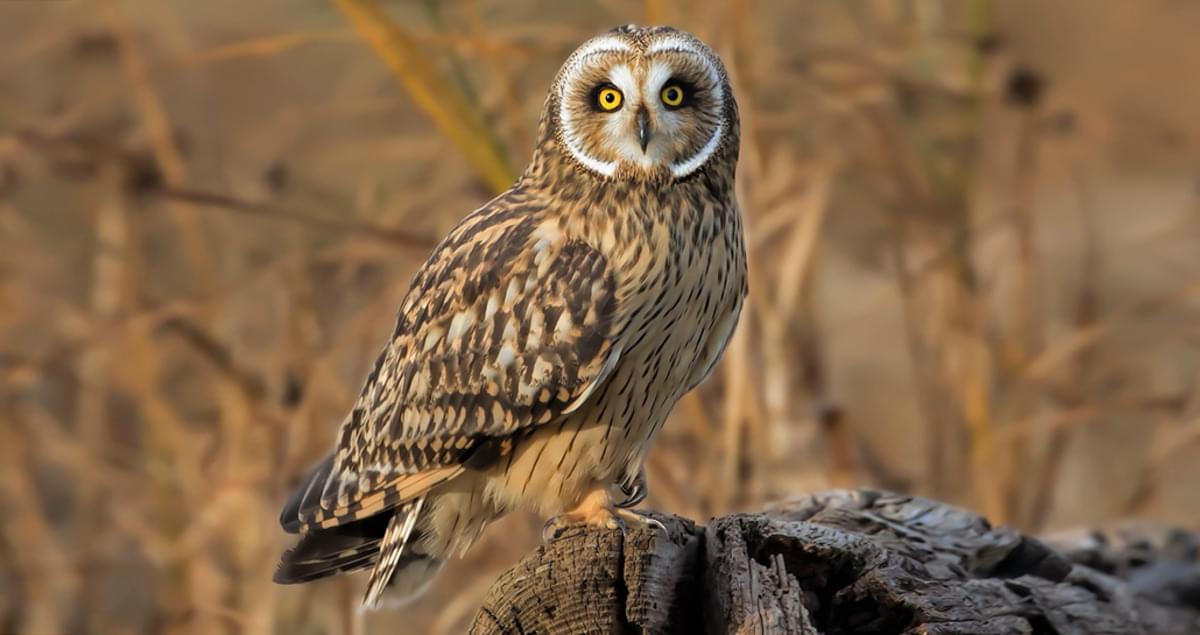
Short-Eared Owls, medium-sized raptors known for their distinctive mottled plumage, inhabit diverse habitats ranging from coastal grasslands to tundra environments. These owls with a wingspan of 85-103 cm and a length of 34-43 cm can weigh between 206-475 g and live up to 12 years. They are commonly found in coastal grasslands, prairie grasslands, meadows, and tundra regions. Short-Eared Owls are skilled hunters, preying on small mammals, birds, and insects. Their hooting calls, especially during the breeding season, are a recognizable feature of these owls.
| Physical Characteristics | Habitat | Diet |
|---|---|---|
| Wingspan: 85-103 cm | Coastal grasslands | Small mammals |
| Length: 34-43 cm | Prairie grasslands | Birds |
| Weight: 206-475 g | Meadows | Insects |