

Discover Illinois’s diverse hummingbird species: the Ruby-throated, Rufous, Black-chinned, Calliope, Broad-tailed, and Costas. Each presents unique features and habitats, enhancing the birdwatching experience. The vibrant Ruby-throated boasts a red throat and favors woodland edges and gardens. Look out for the bright orange Rufous in open areas with shrubs. Black-chinned, found in desert habitats, relies on flowering plants for sustenance. Enjoy the wonders of the Calliope in mountainous regions and the Broad-tailed in pine forests. Lastly, explore the beauty of Costas with its enchanting features. Illinois awaits your hummingbird adventure.
1. Hummingbird Species Overview
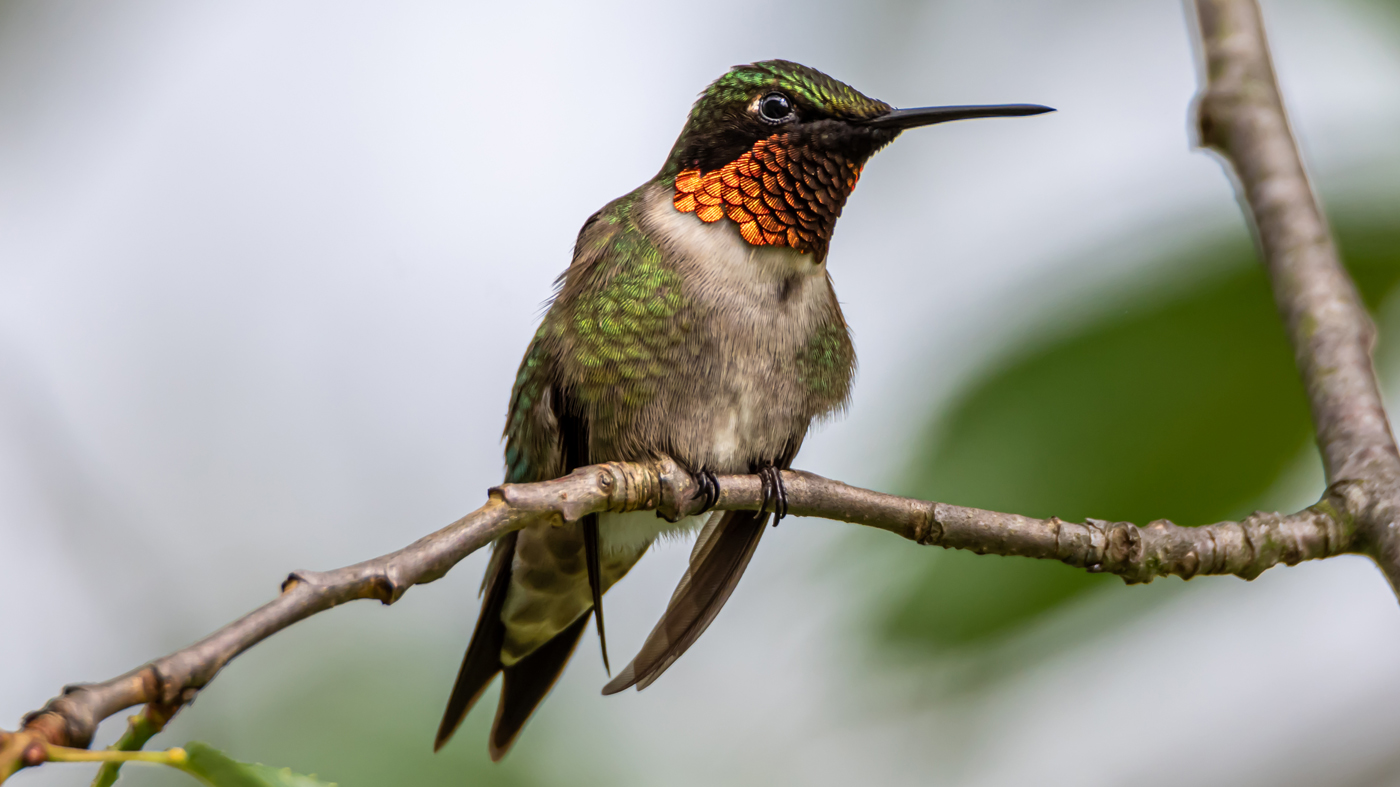
What distinguishes the six hummingbird species found in Illinois? Illinois is home to a variety of hummingbird species, each with its own unique characteristics and habitat preferences. The Ruby-throated Hummingbird, commonly found in Illinois, is known for its vibrant red throat patch on males and their preference for woodland edges and gardens. The Rufous Hummingbird, on the other hand, is easily recognizable by its bright orange plumage and is often spotted in open areas with shrubs and meadows. Black-chinned Hummingbirds can also be found in Illinois, typically favoring desert habitats with flowering plants. The Calliope and Broad-tailed Hummingbirds are less common in Illinois but can be seen during migration, with Calliope preferring mountainous regions and Broad-tailed hummingbirds thriving in pine forests. Understanding these species’ preferences can help attract them to your yard by providing nectar feeders and planting native flowers that mimic their natural habitats.
2. Allens Hummingbird Details
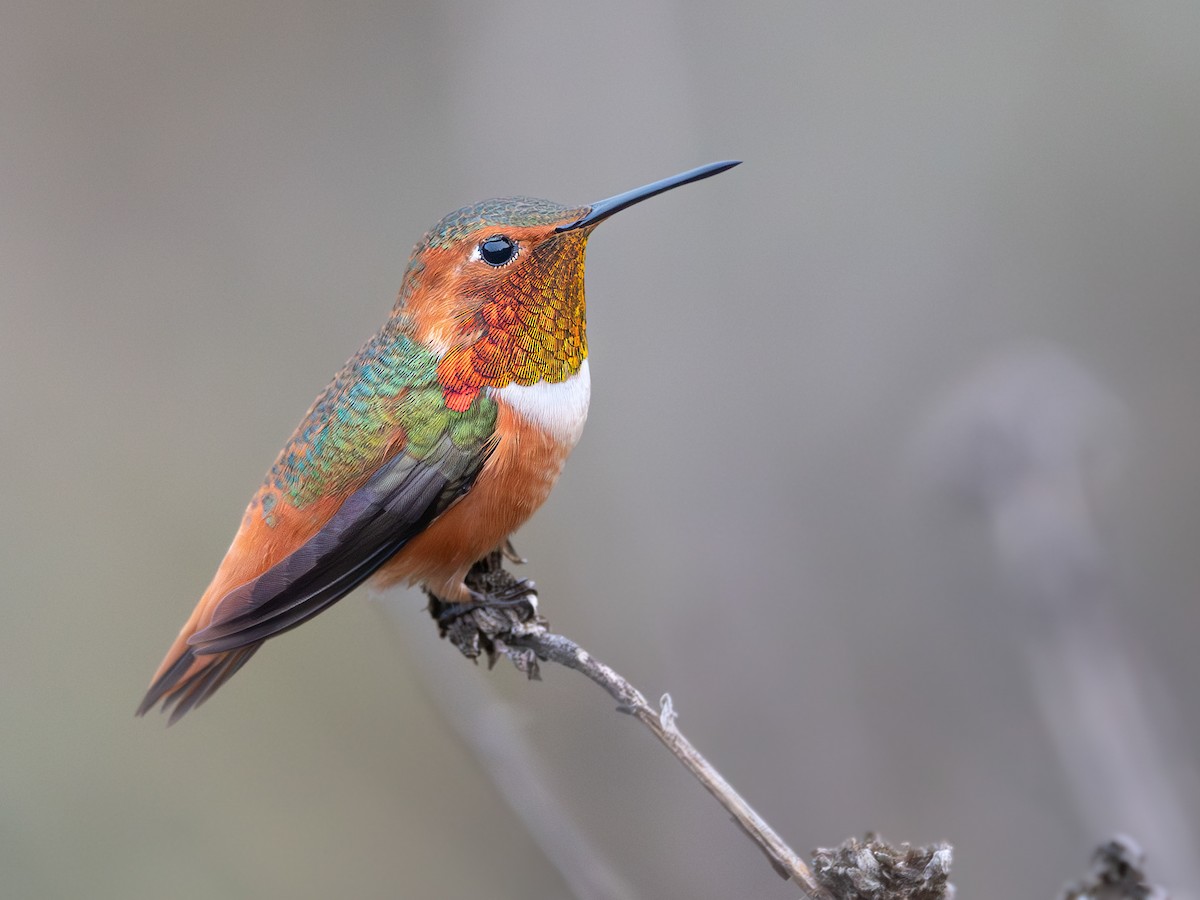
Allens Hummingbird, a species known for its vibrant green and red plumage, adds a unique and colorful presence to the hummingbird population in Illinois. These fascinating birds exhibit behaviors that set them apart from other hummingbird species:
- Distinct Buzzing Sound: Allens Hummingbirds produce a unique buzzing sound during flight, which distinguishes them audibly in their environment.
- Preferred Habitats: They are commonly found in open woodlands, gardens, and meadows, where they can easily access nectar sources and insects for their diet.
- Feeding Behavior: To attract Allens Hummingbirds to your garden, consider setting up hummingbird feeders filled with sugar water. These feeders provide a convenient and essential food source for these beautiful creatures.
Observing Allens Hummingbirds in Illinois not only offers a delightful visual experience but also provides valuable insights into their migration patterns and behavior. By creating suitable environments with hummingbird feeders, you can invite these enchanting birds to grace your surroundings with their vibrant presence.
3. Annas Hummingbird Insights

Anna’s Hummingbirds, primarily found along the West Coast of North America, boast iridescent green plumage and vibrant pink throat feathers in males. These striking colors play a crucial role in both attracting mates and establishing dominance within their territories. During the breeding season, males perform elaborate aerial displays to court females, showcasing their colorful plumage.
These hummingbirds exhibit strong territoriality, defending their chosen urban habitats vigorously against intruders, often engaging in high-speed chases to protect their feeding and nesting areas. Their adaptability to urban environments has enabled them to thrive in gardens, parks, and even chaparral areas, where they can find nectar-rich flowers to fuel their high-energy lifestyle.
In terms of feeding habits, Anna’s Hummingbirds primarily consume flower nectar but also supplement their diet with small insects and spiders. Their vocalizations include distinctive chirps and whistles, used not only for communication but also in courtship displays and territorial disputes. This combination of vibrant plumage, territorial behavior, and unique vocalizations makes Anna’s Hummingbirds a fascinating species to observe in their natural habitat.
4. Broad-tailed Hummingbird Facts

Broad-tailed Hummingbirds, distinguished by their metallic green backs and vibrant rose-colored throats, are fascinating species that exhibit unique behaviors and characteristics. These hummingbirds breed in high mountain meadows and migrate to Mexico for the winter. Their diet consists of nectar from tubular flowers, insects, and tree sap. Here are some key facts about Broad-tailed Hummingbirds:
- Migration Patterns, Diet: Broad-tailed Hummingbirds undertake long journeys from their breeding grounds to their wintering grounds in Mexico, where they find food sources like nectar, insects, and tree sap.
- Habitat Preferences, Breeding Season: These hummingbirds prefer high mountain meadows for breeding and can be found in the western United States. They typically breed during the summer months.
- Unique Behaviors, Conservation Efforts: Broad-tailed Hummingbirds are known for their distinctive trilling sound during flight, which is a unique behavior. Conservation efforts focus on protecting their high-altitude habitats and ensuring the availability of suitable food sources throughout their range.
5. Black-chinned Hummingbird Highlights
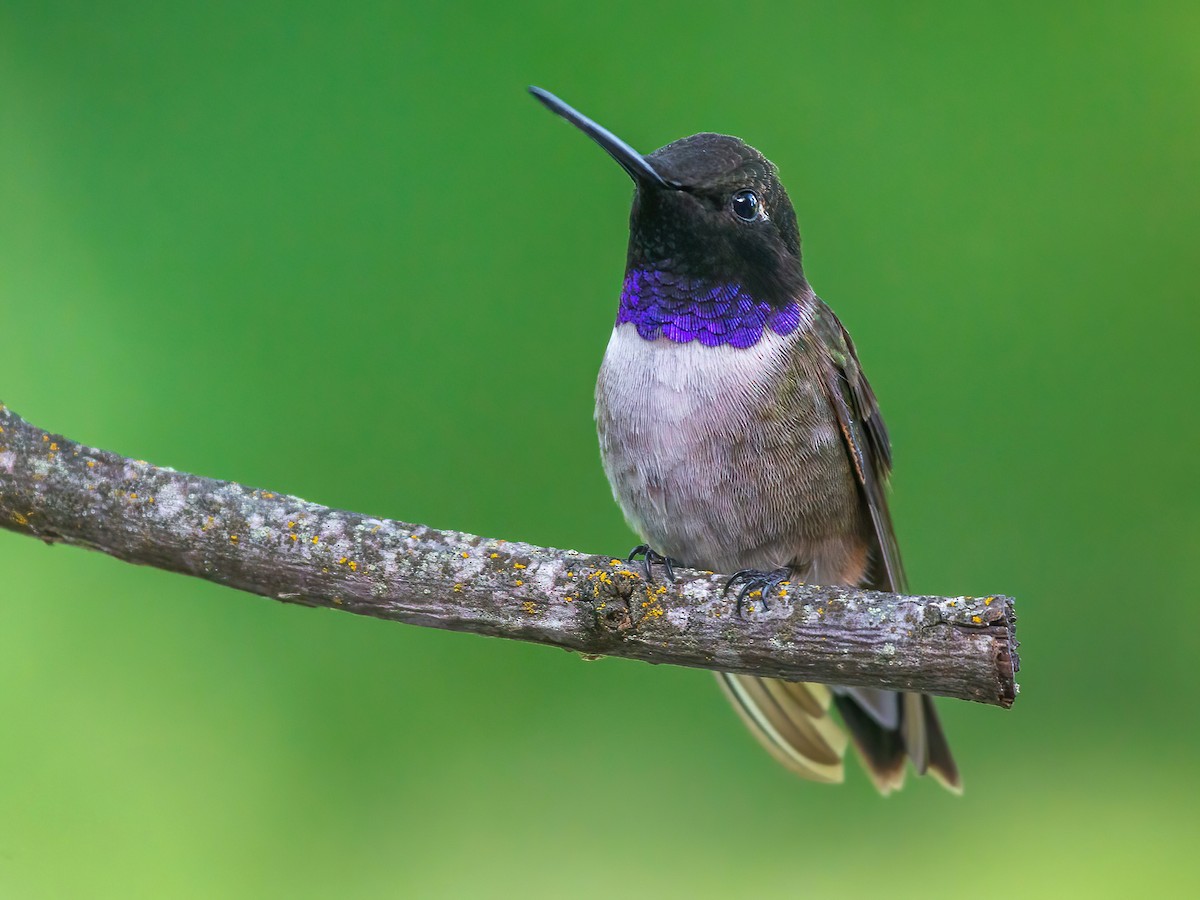
Highlighting the characteristics of the Black-chinned Hummingbird in Illinois reveals a species known for its vibrant purple throat patch on males. This distinctive feature sets them apart from other hummingbird species found in the state. Black-chinned Hummingbirds exhibit vibrant plumage, with males showcasing a shimmering purple gorget that catches the light as they flit about. These hummingbirds prefer a variety of habitats in Illinois, including open woodlands, desert scrub, and mountain meadows. During their migration patterns, they pass through the state in both spring and fall, providing birdwatchers with opportunities to spot these beautiful creatures. Sightings of Black-chinned Hummingbirds have been reported in various locations across Illinois, contributing valuable data to our understanding of their distribution within the state. To attract these stunning birds to your garden, consider planting native species like Cardinal Flower and Bee Balm, which are known to be favorites of the Black-chinned Hummingbird.
6. Costas Hummingbird Discoveries
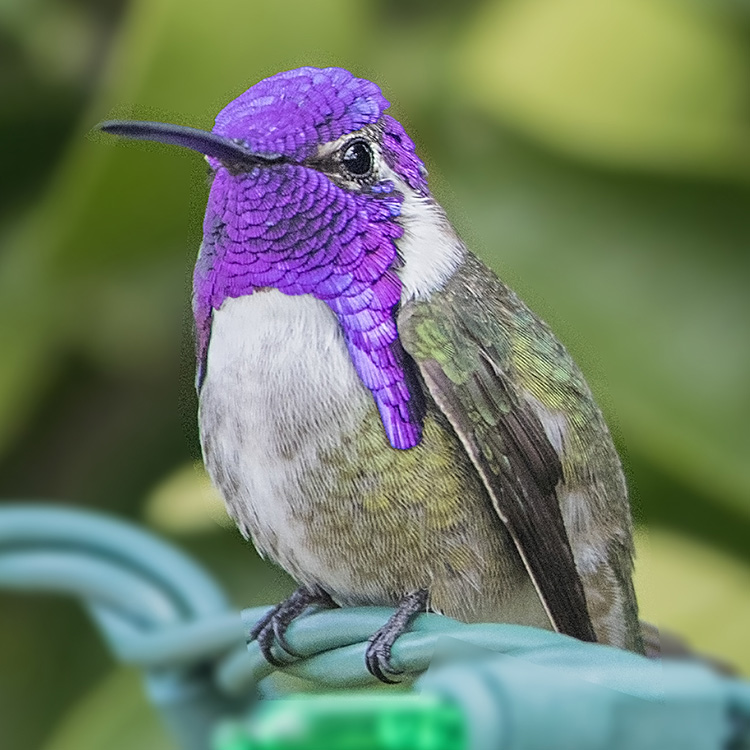
Costas Hummingbirds, known for their vibrant iridescent purple plumage, have been documented in various locations across Illinois. These sightings provide valuable insights into their migration patterns and habitat preferences. Observers have reported encountering Costas Hummingbirds in gardens, parks, and woodlands, indicating their adaptability to different environments within the state.
- Migration Patterns, Habitat Preferences
- Sightings in diverse locations suggest flexibility in habitat choices.
- Data gathered aids in understanding their movement within Illinois.
- Preference for gardens and wooded areas for foraging and nesting.
Conservation efforts and community involvement play a crucial role in supporting the presence of Costas Hummingbirds in Illinois. By promoting native plants and preserving suitable habitats, individuals can contribute to the long-term sustainability of these captivating birds in the region.
- Conservation Efforts, Community Involvement
- Planting native flowers can attract and sustain Costas Hummingbirds.
- Community initiatives raise awareness about protecting vital habitats.
- Conservation actions are essential for preserving biodiversity and supporting these hummingbirds.
Costas Hummingbirds also exhibit unique behaviors and vocalizations, adding to their charm and intrigue for birdwatchers and researchers alike.