

Discover the intricate world of hummingbird nests, where meticulous construction takes place in 5 to 7 days. Made from plant down, spider silk, twigs, and feathers, these nests are strategically placed in safe tree locations and stretch to accommodate growing chicks. They boast intricate designs using various materials like twigs, lichen, and soft fluff, showcasing the birds’ attention to detail. Different species exhibit unique nesting behaviors, ensuring the safety of their young. Learn about the challenges they face and how they overcome them, creating safe havens for their delicate eggs.
Nest Construction Process
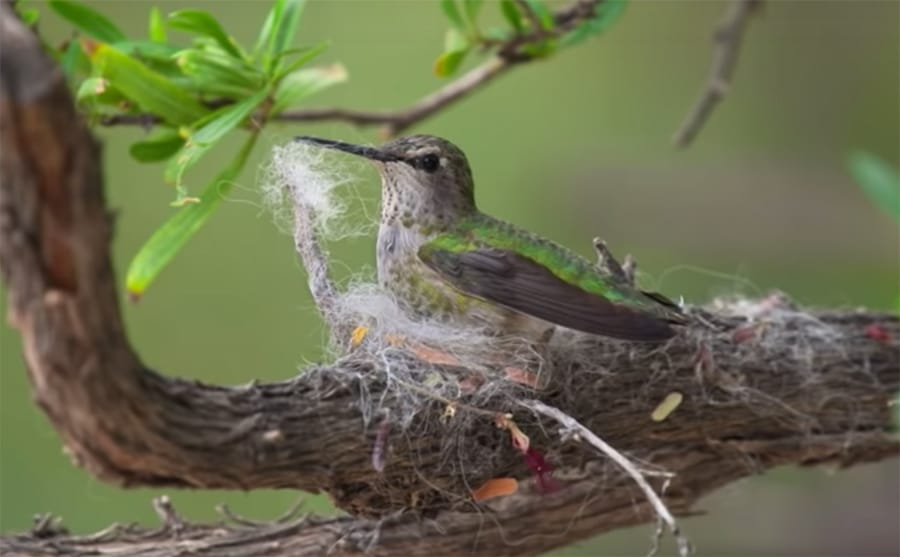
Hummingbirds meticulously construct their nests over a period of 5 to 7 days, utilizing a variety of materials such as plant down, spider silk, twigs, and feathers with remarkable precision and skill. These avian architects often choose to build their nests in trees, carefully selecting the location to provide safety from predators and a stable environment for their offspring. The use of spider silk in nest construction is particularly fascinating, as it adds strength and flexibility to the structure, ensuring durability against environmental factors.
The incorporation of spider silk allows the nests to stretch as the chicks grow, accommodating their increasing size while maintaining structural integrity. This attention to detail highlights the intricate planning and adaptability of hummingbirds in creating a suitable habitat for their young. By observing these tiny creatures at work, one can appreciate the complexity and sophistication behind the seemingly delicate nests they construct.
Intricate Nest Designs

Crafted with a meticulous attention to detail, hummingbird nests display a remarkable array of intricate designs and materials carefully selected by these avian architects. These tiny structures, though small, are marvels of engineering, showcasing the hummingbirds’ precision and skill in nest construction. Some key features of these intricate nest designs include:
- Diverse Materials: Hummingbirds incorporate a variety of materials into their nests, such as twigs, lichen, feathers, and soft fluff, creating a sturdy and insulated home for their young.
- Innovative Weaving: The birds often weave spiderwebs into the nest, providing added strength and flexibility to withstand environmental challenges.
- Protective Shelter: Despite their small size, hummingbird nests offer excellent protection for eggs and chicks, serving as effective shelters from predators and harsh weather conditions.
- Camouflaging Strategy: The intricate designs of the nests also aid in camouflage, blending seamlessly with the surrounding environment to keep the offspring safe.
The construction of these nests not only highlights the birds’ instinctual behavior but also underscores the critical role these structures play in ensuring the survival of hummingbird offspring.
Unique Nesting Locations

Nestling in a variety of unconventional spots, hummingbirds display a penchant for selecting unique locations to fashion their tiny, intricate nests. While these tiny birds typically opt for sheltered tree branches or shrubs located 5 to 10 feet above the ground, they can also be found nesting in hanging flower baskets or even among string lights. Surprisingly, hummingbirds rarely choose nesting boxes, preferring more creative options.
The nests crafted by hummingbirds are marvels of engineering, measuring around 1.5 inches in diameter. These cup-shaped structures are tightly woven and stretchy, providing a secure environment for their eggs. Despite their small size, female hummingbirds meticulously build these nests using lightweight materials such as bark, leaves, moss, feathers, spider webs, and cotton fiber.
Nesting Materials Revealed

Utilizing a diverse array of natural resources, hummingbirds intricately weave their nests using materials like twigs, lichen, feathers, soft fluff, and occasionally spiderwebs. These tiny avian architects meticulously select and combine various elements to construct cozy homes for their offspring. The materials used in hummingbird nests not only provide insulation and protection but also showcase the resourcefulness of female hummingbirds in creating safe havens for their eggs.
- Twigs
- Lichen
- Feathers
- Soft fluff
The careful selection and arrangement of these nesting materials reflect the dedication and precision with which female hummingbirds approach nest-building. Through a combination of skill and instinct, these birds transform ordinary natural items into intricate structures that serve as essential breeding grounds. The intricate weaving of twigs and soft materials, along with the occasional addition of spiderwebs for reinforcement, highlights the attention to detail that goes into the construction of hummingbird nests.
Female Nesting Behavior
During the nesting season, female hummingbirds meticulously construct their nests using lightweight materials such as plant down, spider silk, and cotton fiber. These nests are strategically positioned in trees or shrubs, typically 5 to 10 feet off the ground to evade predators. The nests themselves are incredibly small, approximately 1.5 inches in diameter, cup-shaped, tightly woven, and stretchy to accommodate the growing hatchlings. Female hummingbirds exhibit precise nesting behavior by laying two tiny eggs the size of jellybeans, which then hatch after an incubation period of 15 to 18 days. After around three weeks, the young hummingbirds fledge the nest to embark on their independent life, revealing the careful and calculated nesting behavior of female hummingbirds.
| Nesting Behavior | Description |
|---|---|
| Materials Used | Plant down, spider silk, cotton fiber |
| Nest Placement | Trees or shrubs, 5 to 10 feet above ground level |
| Nest Characteristics | 1.5 inches in diameter, cup-shaped, tightly woven, and stretchy |
| Egg Incubation | 15 to 18 days |

Quick Nesting Cycle
Constructing their nests in a remarkably short timeframe of 5 to 7 days, female hummingbirds exhibit swift and efficient nesting behavior to safeguard their eggs. During this quick nesting cycle, female hummingbirds showcase remarkable adaptability and resourcefulness in the wild. Here’s how they achieve this:
- Strategic Nest Building: Nests are strategically constructed by female hummingbirds within this rapid timeframe to ensure the safety and protection of their delicate eggs.
- Minimized Exposure: The rapid nesting cycle allows hummingbirds to focus on caring for their young while minimizing the time spent exposed to potential threats in their environment.
- Efficient Material Gathering: Female hummingbirds efficiently gather materials like plant fibers and spider silk to create secure nests in a brief timeframe, showcasing their precise and effective foraging skills.
- Adaptability in the Wild: This quick nesting cycle highlights the impressive adaptability of hummingbirds, enabling them to swiftly create safe spaces for their offspring amidst the challenges of the wild.
Nesting Habits: Surprising Facts
Female hummingbirds exhibit remarkable nesting habits, showcasing surprising facts about their nest construction and location preferences. These tiny birds often choose tree branches or thick shrubbery for their nests, opting for heights between 5 to 10 feet above the ground or even higher. While you might expect to find their nests inside nesting boxes, they actually prefer spots like hanging flower baskets or string lights.
The nests themselves are a marvel of engineering, measuring a mere 1.5 inches in diameter. They are cup-shaped, tightly woven, and remarkably stretchy. To build these intricate structures, female hummingbirds utilize lightweight materials such as bark, leaves, moss, feathers, spider webs, and cotton fiber.
Once the nest is complete, female hummingbirds lay two minuscule eggs, each resembling a jellybean in size. In just three weeks, the young hummingbirds are ready to leave the nest and embark on their journey to independence. These nesting habits truly highlight the impressive adaptability and resourcefulness of hummingbirds in creating safe havens for their offspring.

Nesting Patterns by Species
The nesting patterns of various hummingbird species showcase unique preferences and behaviors when it comes to selecting locations and constructing their nests. Different hummingbird species exhibit distinct nesting habits that reflect their adaptability and resourcefulness.
- Anna’s Hummingbirds: These birds are known for building platforms as the foundation of their nests, providing a stable base for further construction.
- Black-chinned Hummingbirds: Constructing deep cup-shaped nests, these hummingbirds create a cozy and secure space for their eggs.
- Blue-throated Hummingbirds: In some cases, these birds have been observed nesting on electric wires, showcasing their ability to adapt to urban environments.
- Broad-billed Hummingbirds: These hummingbirds have a preference for nesting on clotheslines or similar structures, demonstrating a unique choice of nesting site.
Each of these hummingbird species displays distinctive nesting preferences, highlighting the diverse ways in which these remarkable birds create their nests together.
Nesting Challenges and Solutions
Hummingbirds encounter various challenges in nesting, requiring them to employ ingenious solutions to ensure the safety of their offspring. Nest predation poses a significant threat, with squirrels, snakes, and larger birds targeting their delicate nests. To counter this, hummingbirds strategically position their nests away from easy access points, often camouflaging them with moss, lichen, and bark to blend seamlessly into their surroundings. Additionally, the choice of nesting location plays a crucial role in successful breeding. Hummingbirds typically opt for dense foliage to provide extra protection for their eggs and chicks. Female hummingbirds showcase remarkable adaptability in nest placement, showcasing a keen understanding of the environment to increase the likelihood of successful breeding. By carefully navigating these nesting challenges and implementing innovative solutions, hummingbirds demonstrate their resilience and commitment to ensuring the survival of their offspring.

Nesting Success Factors
Strategically positioning their nests away from predators is a crucial nesting success factor for hummingbirds. Hummingbird nests are meticulously constructed using a variety of materials to provide insulation and protection for eggs and chicks. The resourcefulness displayed in nest construction reflects the birds’ dedication to ensuring nesting success. Materials such as twigs, lichen, feathers, and soft fluff contribute to the importance of hummingbird nests in breeding. These nests serve as safe havens for eggs, maintaining temperature regulation and offering camouflage from predators.
- Strategic Nest Placement: Hummingbirds choose locations that are difficult for predators to access.
- Meticulous Nest Construction: Nests are intricately built to provide optimal protection for eggs and chicks.
- Diverse Materials Used: Twigs, lichen, feathers, and soft fluff are carefully selected for nest construction.
- Safe Havens for Eggs: Nests offer a secure environment for eggs, aiding in successful incubation and hatching.
Human Impact on Nesting Sites

Deforestation and urbanization pose significant threats to hummingbird nesting sites, impacting their ability to find suitable locations for building nests. Human activities not only destroy crucial habitats but also introduce harmful substances that can contaminate nectar sources and disrupt nesting environments. Pesticides and chemicals used in gardens may have adverse effects on the delicate balance required for successful hummingbird reproduction.
Moreover, climate change brings about shifts in temperature and precipitation patterns, potentially altering the availability of suitable nesting locations for hummingbirds. These changes can force these birds to adapt quickly or face the risk of reduced nesting success. To counteract these negative impacts, conservation efforts should focus on preserving natural habitats and creating safe, undisturbed environments that cater to the specific needs of hummingbirds. By establishing hummingbird-friendly spaces and safeguarding nesting sites, we can contribute to the protection and conservation of these remarkable birds for generations to come.