

If your soil is floating, it may be due to hydrophobicity or poor water absorption. Try bottom watering by placing plants in trays of water for deeper root growth. Mulch with organic matter to prevent runoff and enhance soil structure. Regular misting maintains optimal moisture levels. Surfactants reduce soil hydrophobicity and aid nutrient uptake. Amending soil with compost or adjusting pH improves plant growth. Relocating plants to appropriate spots minimizes hydrophobicity. Explore these fixes to combat floating soil and ensure healthy growth.
1. Reasons for Soil Floating
Soil floating occurs due to various factors that impede proper water absorption and retention in the soil. One significant factor contributing to this issue is the presence of hydrophobic soil. Hydrophobic soil contains organic matter that creates a water-resistant barrier, preventing water from penetrating the soil effectively. As a result, water tends to pool on the surface rather than being absorbed, leading to soil floating.
In addition to hydrophobic soil, compacted soil can also cause soil floating. When soil becomes compacted, air bubbles can get trapped within the soil, hindering water absorption. This trapped air prevents water from reaching the roots of plants and causes the soil to float. Moreover, clay-heavy soil that is densely packed can float due to clogged pores that restrict water penetration. Even sandy soil, known for its good aeration properties, may float if it is unable to retain water adequately despite its porous nature.
2. Bottom Watering Technique
.jpg)
To effectively implement the bottom watering technique for your plants, follow these step-by-step instructions. Bottom watering is a method where you place your plant pot in a tray of water, allowing the soil to soak up moisture from the bottom. This technique is beneficial because it prevents water from running off the soil surface, ensuring that your plants receive thorough hydration. Moreover, bottom watering encourages the development of deeper root systems as the plant roots naturally grow downwards in search of moisture.
3. Mulching for Soil Fix
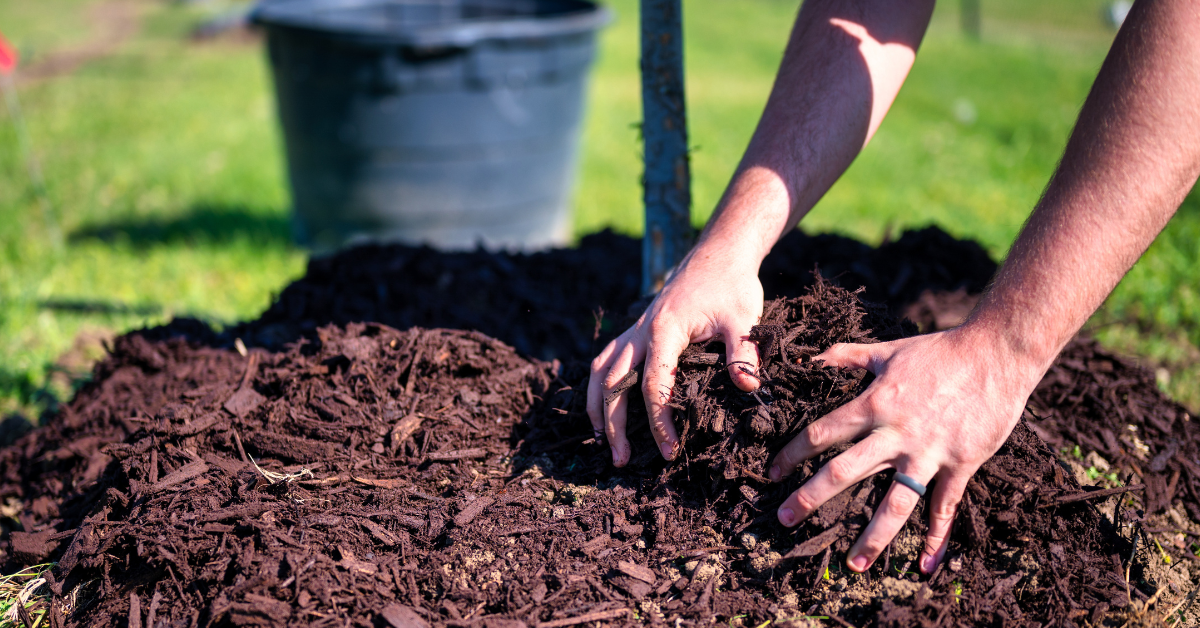
Enhance the effectiveness of your soil management by employing the beneficial practice of mulching with organic materials. Mulching with organic matter such as dead leaves or mulch can significantly improve the structure of your soil. By incorporating mulch into the soil, you create a barrier that prevents water from running off the surface, allowing for better absorption and retention of moisture.
Furthermore, mulch acts as a protective shield, reducing evaporation and keeping the soil consistently moist for extended periods. This not only benefits your plants but also helps in preventing soil erosion and compaction, maintaining a healthy and conducive growing environment. Additionally, using organic materials for mulching can enhance soil fertility over time as the mulch decomposes, releasing valuable nutrients into the soil.
Incorporating mulching into your soil management routine is a simple yet effective way to promote healthier soil and better plant growth. So, consider mulching with organic matter to reap the numerous benefits it offers.
4. Regular Soil Misting

Implementing a regular misting routine can effectively maintain optimal soil moisture levels, ensuring healthy plant growth. Consistent hydration is crucial for plant development, and misting provides a gentle method to achieve this. Especially useful for plants requiring higher humidity levels, regular misting helps prevent soil from drying out too quickly and becoming hydrophobic. By misting both the soil surface and foliage, you can ensure that the moisture is evenly distributed, promoting overall plant health.
| Benefits of Regular Soil Misting |
|---|
| Prevents soil from becoming hydrophobic |
| Ensures consistent hydration for plants |
| Helps maintain optimal soil moisture levels |
Remember to mist your plants regularly but avoid overwatering or creating waterlogged conditions. Consistent misting will keep your soil at the right moisture levels, supporting healthy plant growth.
5. Surfactants for Soil Treatment

Surfactants play a crucial role in soil treatment by reducing water surface tension, facilitating better water absorption in hydrophobic soils. These compounds enhance soil wetting, ensuring water spreads uniformly in the soil and prevents runoff. Using surfactants in agriculture and gardening can significantly improve moisture distribution and plant health.
Surfactants in Action
Utilizing surfactants in soil treatment involves introducing compounds that break down surface tension, facilitating water absorption by hydrophobic soil particles. These surfactants play a crucial role in enhancing the effectiveness of water distribution and nutrient uptake in the soil. Here are three key points about surfactants in action:
- Surface Tension Reduction: Surfactants reduce the surface tension of water, allowing it to spread evenly across hydrophobic soil surfaces. By lowering the contact angle between water and soil, these compounds help water penetrate the soil more easily, addressing hydrophobicity issues.
- Improved Water Penetration: Through their action, surfactants enable water to infiltrate the soil more efficiently, preventing water repellency problems. This improved water penetration ensures that moisture reaches plant roots effectively, promoting healthy growth and development.
- Enhanced Nutrient Uptake: By aiding in water absorption and distribution, surfactants also enhance the uptake of essential nutrients by plants. This leads to improved plant health, vigor, and overall soil quality.
Benefits of Surfactants
Enhancing soil treatment with surfactants involves breaking down the waxy layer on soil particles, which improves water penetration and reduces floating issues. Surfactants are particularly beneficial for treating hydrophobic soil, where water struggles to penetrate due to the soil’s water-repellent nature. These compounds work by lowering surface tension, allowing water to spread evenly and be absorbed by the hydrophobic soil, ensuring better moisture distribution and promoting plant health. By enhancing water retention and absorption, surfactants help prevent soil from floating and support healthy root development. Moreover, utilizing surfactants as a soil treatment presents a cost-effective solution to address hydrophobicity and maintain optimal soil moisture levels.
| Benefits of Surfactants | |
|---|---|
| Break down waxy layer on soil particles | Improve water penetration |
| Lower surface tension | Ensure better moisture distribution |
| Prevent soil floating | Promote healthy root development |
| Cost-effective solution for soil treatment | Maintain optimal soil moisture levels |
6. Soil Amending Solutions

To improve your soil, consider incorporating organic matter like compost or fresh soil, which can enhance moisture retention and promote nutrient availability. Adjusting the pH levels of your soil using appropriate amendments can create a more hospitable environment for plant growth. Additionally, mulching your soil can provide stability, reduce water evaporation, and protect against erosion, contributing to overall soil health.
Organic Matter Benefits
Incorporating organic matter into your soil offers numerous benefits for enhancing its structure and nutrient content. Here are three key advantages of using organic matter to amend your soil:
- Improved Soil Structure: Organic matter such as dead leaves or mulch helps to bind soil particles together, creating a more stable structure. This enhanced structure allows for better water retention and drainage, reducing the risk of waterlogging or erosion.
- Enhanced Soil Aeration: Adding organic materials promotes the formation of air pockets in the soil, leading to well-aerated soil. Well-aerated soil is crucial for root health as it ensures a good supply of oxygen to the roots and facilitates the movement of water and nutrients within the soil profile.
- Promotion of Beneficial Microbial Activity: Organic matter serves as a food source for beneficial soil microbes. These microbes play a vital role in breaking down organic materials, releasing nutrients, and improving soil fertility. By fostering microbial activity, organic matter contributes to a healthier and more vibrant soil ecosystem.
Ph Level Adjustments
Adjusting soil pH levels is crucial for addressing floating issues caused by imbalanced acidity or alkalinity. To effectively manage pH levels, it is essential to utilize suitable soil amending solutions depending on the specific needs of your plants. Below is a table outlining common soil amending solutions for adjusting pH levels:
| Soil Amending Solution | Purpose | pH Adjustment |
|---|---|---|
| Sulfur | Lowering pH for acid-loving plants | Decreases pH levels |
| Lime | Raising pH for alkaline-preferred plants | Increases pH levels |
| Compost | Improving soil structure and pH balance | Can slightly adjust pH levels |
Testing soil pH using kits or meters is recommended to accurately determine the current pH status and decide on the appropriate amendments. Remember, different plants have distinct pH preferences, so tailoring soil amendments to meet their requirements is crucial for optimal growth and nutrient absorption. Maintaining proper pH levels in the soil is fundamental for ensuring that your plants receive the necessary nutrients for healthy development.
Mulching for Stability
Mulching with organic material is an effective solution for stabilizing floating soil. When dealing with soil that tends to float, incorporating organic matter such as dead leaves or mulch can significantly improve its stability and prevent erosion. Here are three key ways mulching can help address the issue:
- Improved Soil Structure: Mulching with organic matter like dead leaves can enhance the structure of the soil, making it less prone to floating. The organic material helps bind the soil particles together, reducing the likelihood of erosion.
- Enhanced Water Retention: Organic matter acts as a sponge in the soil, increasing its water retention capacity. This improved water-holding ability helps weigh down the soil and prevent it from floating during heavy rainfall or watering.
- Moisture Regulation: Mulch serves as a top layer that helps regulate soil moisture levels. By retaining moisture at the surface, mulching prevents rapid water runoff that can lead to soil erosion and floating.
7. Plant Relocation Tips

How can you effectively relocate your plants to prevent soil hydrophobicity and maintain optimal moisture levels? Plant relocation plays a crucial role in managing soil hydrophobicity. Moving plants to shady areas can shield the soil from excessive heat and sun exposure, thus preventing hydrophobic conditions. Additionally, avoiding windy locations is essential as it helps retain moisture in the soil, reducing the chances of it drying out quickly and becoming hydrophobic.
Water pooling on the soil’s surface can lead to hydrophobicity. By relocating plants to areas where water can drain properly, you can prevent this issue. Understanding how compacted soil reduces pore spaces is vital. Relocating plants to loosen compacted soil can enhance water absorption, maintaining suitable moisture levels and preventing hydrophobic conditions. Proper plant relocation is a simple yet effective strategy to combat soil hydrophobicity and ensure optimal plant growth.