

Plants sweat due to temperature fluctuations, overly damp soil, inadequate air circulation, and non-sterile potting mixes. Temperature changes trigger condensation, creating a humid environment, aiding in plant cooling. Excessively wet soil disrupts the plant’s water balance, leading to root rot. Poor air circulation traps moisture, promoting plant sweating. Non-sterile potting mixes introduce harmful pathogens, disrupting water regulation. Careful monitoring of soil moisture, ventilation, and soil quality is essential for plant health. Understanding these reasons can help you create optimal conditions for your plants to thrive.
1. Temperature Fluctuations
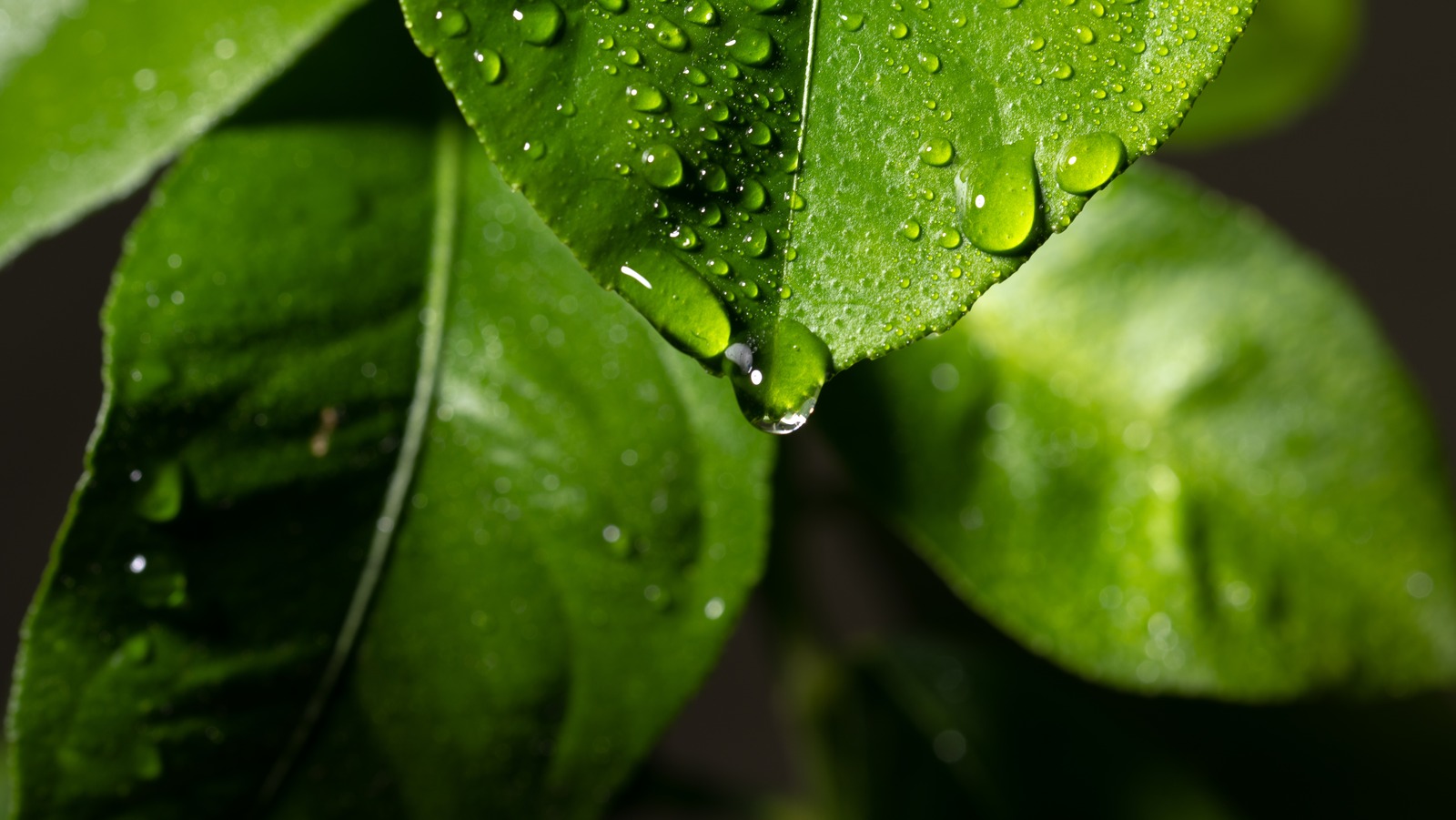
Temperature fluctuations play a significant role in causing plants to sweat, as they trigger condensation on the leaves or soil surfaces. When the temperature changes rapidly, it can lead to moisture buildup on plant surfaces, resembling the process of sweating in animals. These fluctuations create a humid environment around the plant, which can be conducive to sweating. Just like how humans sweat to regulate body temperature, plants utilize sweating as a natural response to temperature shifts. The moisture buildup on plant surfaces can aid in cooling the plant down during hot periods. Monitoring temperature changes can be crucial in understanding and managing plant sweating, as it allows for adjustments in watering schedules or environmental conditions to help the plant cope better with the varying temperatures. By recognizing the impact of temperature fluctuations on plant sweating, proper care can be provided to ensure optimal growth and health for the plant.
2. Overly Damp Soil
.jpg)
Excessive moisture in the soil can lead to plant sweating, affecting the plant’s ability to regulate its water balance effectively. When the water level in the soil is too high, the roots of the plant may sit in water, leading to issues like root rot and soil compaction. These conditions create a humid environment around the plant, making it difficult for excess moisture to evaporate properly. The lack of proper drainage in pots exacerbates the problem, as stagnant water keeps the soil excessively damp, further triggering plant sweating.
Soil compaction resulting from overwatering can also contribute to plant sweating by limiting air circulation around the roots. This compaction restricts the movement of gases like oxygen and carbon dioxide, hindering the plant’s metabolic processes and forcing it to sweat in an attempt to cool down. Therefore, monitoring soil moisture levels, ensuring adequate drainage, and preventing soil compaction are essential steps to prevent plant sweating caused by overly damp soil.
3. Inadequate Air Circulation

Improper air circulation around plants can lead to a buildup of trapped moisture, contributing to excessive sweating in plants. When there is a lack of ventilation, especially in double-potting setups, the evaporation of moisture is hindered, causing plants to sweat more profusely. This phenomenon occurs because the stagnant air prevents proper airflow, creating a humid microclimate that encourages sweating in plants. If you notice your plants sweating excessively in poorly ventilated areas, it may be a sign that better air circulation is needed to prevent the accumulation of moisture.
To further understand the impact of inadequate air circulation on plant sweating, let’s delve into the following table:
| Factors Influencing Plant Sweating Due to Inadequate Air Circulation | Description |
|---|---|
| Lack of Ventilation in Double-Potting Setups | Hinders evaporation of moisture, leading to increased plant sweating. |
| Stagnant Air Creating Humid Microclimate | Encourages sweating in plants due to inadequate airflow. |
| Sign of Poor Air Circulation in Plant Environment | Excessive plant sweating indicates the need for improved air circulation. |
Remember to ensure your site is protected by reCAPTCHA and the GooglePrivacy Policy and Terms.
4. Non-Sterile Potting Mixes

Non-sterile potting mixes introduce harmful pathogens and fungi to plant root systems, potentially stressing the plant and triggering excess moisture and sweating as a defense mechanism. The presence of these pathogens can disrupt the plant’s ability to regulate water uptake and nutrient absorption efficiently. Fungal growth in non-sterile potting mixes further compounds the issue by creating a damp environment that encourages sweating. This excess moisture can lead to a cascade of problems, including root rot and reduced plant health.
When plants are under stress due to non-sterile potting mixes, they may exhibit signs of distress such as wilting, yellowing leaves, and stunted growth. To mitigate these issues, it is crucial to use sterile potting mixes with proper drainage to prevent the introduction of harmful pathogens. By maintaining a healthy root environment, you can help your plants thrive and reduce the risk of excess sweating caused by fungal growth and plant stress.