

Revive your pale plants! Adjust lighting for optimal growth. Monitor soil moisture using a meter. Combat pests like aphids promptly. Maintain ideal temperature and humidity. Ensure a balanced diet with proper nutrients. Consider repotting if needed. For comprehensive help, consult a professional. These incredible fixes promise a lush indoor environment.
1. Adjust Lighting Conditions
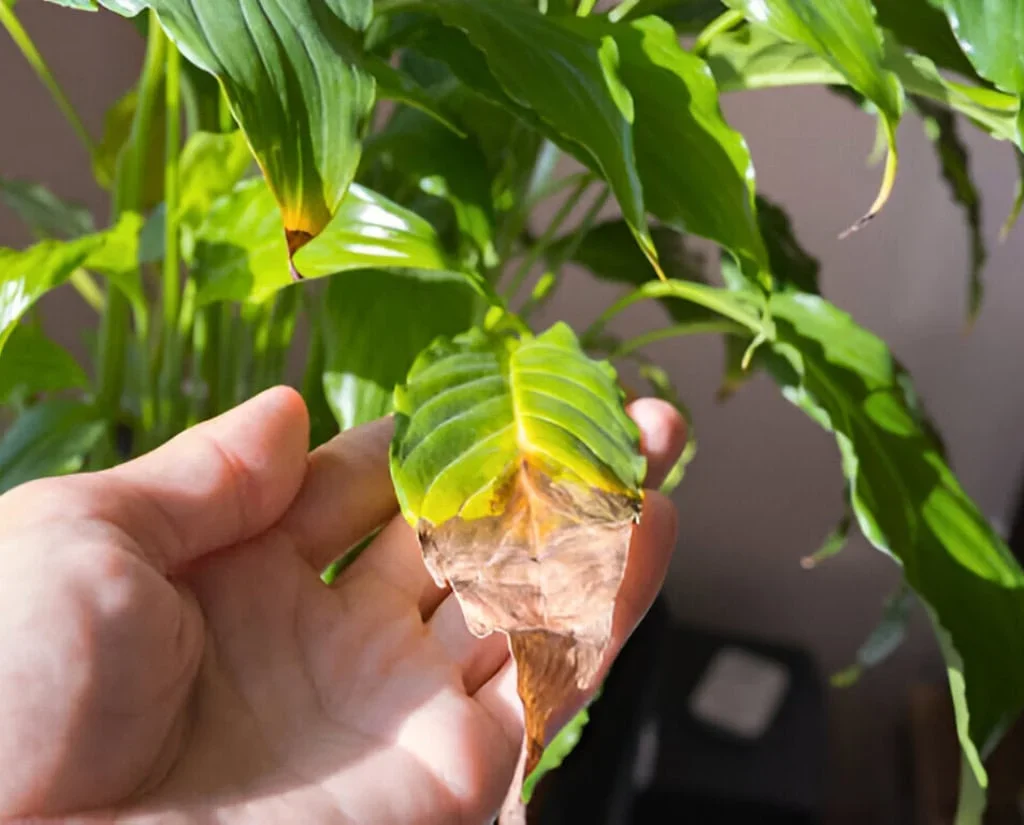
To address pale plant leaves, begin by assessing and adjusting your lighting conditions to ensure optimal growth and chlorophyll production. Insufficient light exposure can lead to reduced chlorophyll production, resulting in pale leaves. Moving your plants to a brighter location or incorporating artificial lighting can help remedy this issue. Remember, each plant has specific light requirements, so research the needs of your particular plant species.
When adjusting light exposure, do so gradually to prevent shock to your plants. Sudden changes in lighting can stress your plants, impacting their overall health and leaf color. Proper lighting is critical for photosynthesis, a process vital for plant growth and leaf pigmentation. By providing adequate light, you can support healthy chlorophyll production, leading to vibrant and lush green leaves.
Take the time to observe how your plants respond to the adjusted lighting conditions. With the right amount of light, your plants will thrive, displaying rich green foliage as a result of improved chlorophyll production.
2. Check Soil Moisture Levels
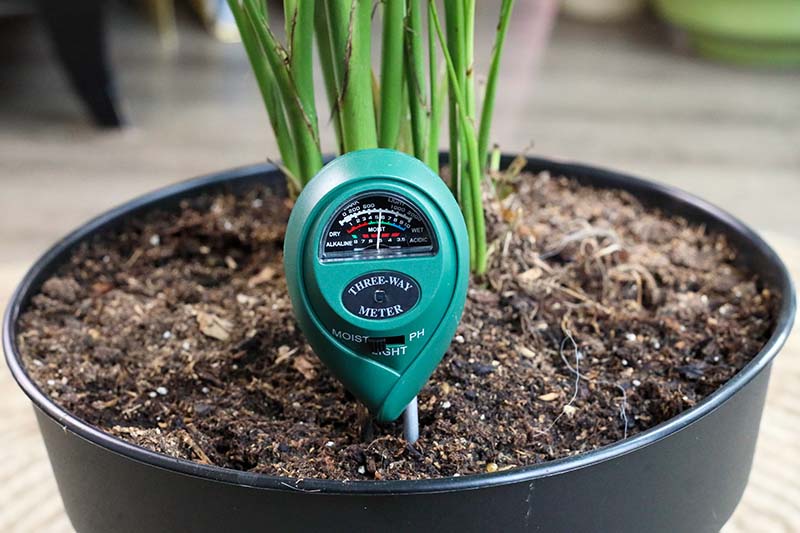
To ensure your plant’s health, use a soil moisture meter to accurately gauge the moisture levels of the soil. Overwatering can lead to root rot and pale leaves due to suffocated roots, while underwatering can result in nutrient deficiencies and wilted foliage. Adjust your watering frequency based on the plant’s specific needs to maintain optimal soil moisture levels for vibrant, healthy leaves.
Monitor Soil Moisture
Utilize a soil moisture meter to accurately assess the moisture levels present in your plant’s soil. This tool provides an instant reading, eliminating the guesswork involved in determining if your plants need watering. Insert the probe into the soil near the plant’s roots to get an accurate measurement of the moisture content. For most plant species, it’s crucial to wait until the soil has partially dried out before watering again. Overwatering can lead to root rot, while underwatering can cause nutrient deficiencies, both resulting in pale or yellow leaves. By monitoring the soil moisture regularly, you can prevent these issues and ensure your plants receive the right amount of water at the right time. Remember that different plants have varying water needs, so it’s essential to tailor your watering schedule based on the specific requirements of each plant species. Keep a close eye on your soil moisture levels to promote healthy growth and vibrant leaf color.
Adjust Watering Frequency

Check your plant’s soil moisture levels regularly by sticking your finger into the soil up to the second knuckle to determine if watering is necessary. For potted plants, it’s crucial to make sure the soil is neither too dry nor too soggy. Adjust watering frequency based on the specific needs of your plant and the moisture level of the soil. Overwatering can lead to root rot and pale leaves, while underwatering can cause nutrient deficiencies and pale leaves. Proper watering practices are essential for maintaining healthy plant leaves and overall plant vitality. By monitoring soil moisture levels regularly, you can prevent pale leaves caused by incorrect watering practices. Remember, each plant type may have different watering requirements, so understanding your plant’s individual needs is key to keeping its leaves vibrant and healthy. Take the time to check the soil moisture levels, and adapt your watering routine accordingly to promote optimal growth conditions for your plants.
3. Inspect for Pest Infestations
:max_bytes(150000):strip_icc()/houseplant-pests-whitefly-5f2ff7eb9aae4055bcbace32de766e1e.jpg)
Examine your plant closely for any signs of pest infestations that could be causing its leaves to appear pale. Pests like aphids and spider mites are common culprits for damaging plant leaves, resulting in a faded or discolored look. Look for webbing, tiny insects, or holes on the leaves, as these are indicators of a pest problem. Promptly addressing pest infestations is crucial to prevent further damage to your plant. Implementing pest prevention strategies, such as regularly checking plants for pests, can help maintain their health and prevent pale leaves. If you identify pests, consider using natural remedies like neem oil or insecticidal soap for effective pest control. These solutions can help eliminate common plant pests and restore your plant’s vitality. By staying vigilant and proactive in pest identification and control, you can ensure your plant stays healthy and vibrant, free from pale leaves.
4. Adjust Temperature and Humidity

Maintaining optimal temperature and humidity levels is key to preventing pale leaves in your plants. Temperature control is crucial, with a range of 65-75°F being ideal for most indoor plants to thrive and maintain vibrant foliage. Sudden temperature fluctuations can stress plants, leading to pale leaves, so it’s best to make gradual adjustments to create a stable environment for your green friends.
Humidity regulation is equally important in indoor plant care. Aim for humidity levels between 50-60% to prevent leaf discoloration. High humidity can invite fungal diseases, while low humidity can result in dry, pale leaves. To maintain the right moisture levels, consider using a humidity tray or a humidifier to create a balanced environment for your plants.
5. Provide Proper Nutrient Balance
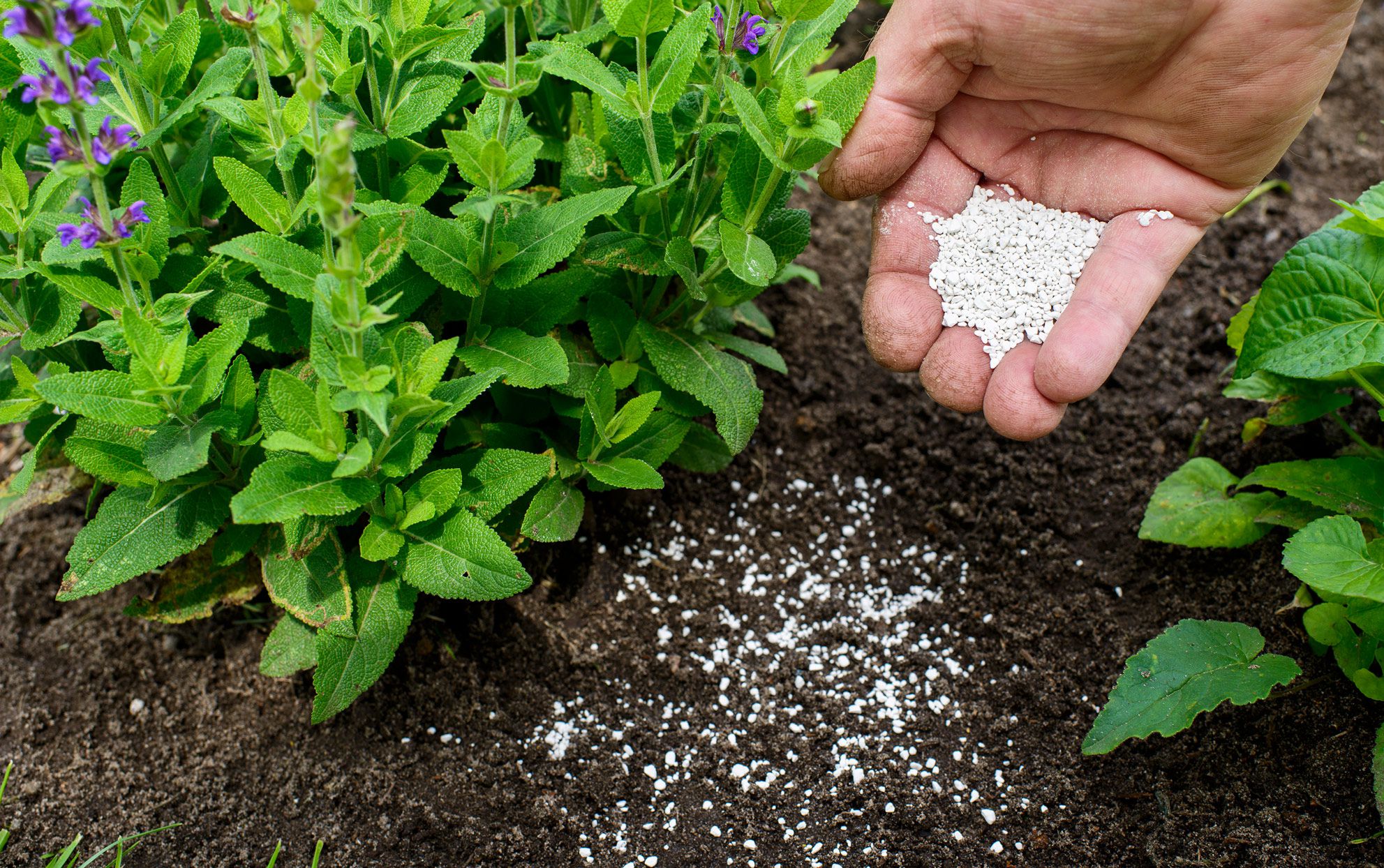
Ensuring a proper balance of nutrients is essential for correcting pale plant leaves and promoting vibrant foliage. Nutrient deficiencies, such as lack of iron or nitrogen, can lead to pale leaves. To address this, consider fertilizing your plants with a balanced liquid feed. This application can help correct the deficiencies and ultimately improve leaf color. When choosing a fertilizer, opt for one specifically designed to address the lacking nutrients in your plants.
Proper fertilizer application is crucial. Be careful not to over-fertilize, as this can cause further imbalances and harm to already pale leaves. Follow the instructions on the fertilizer packaging to ensure you are providing your plants with the right amount of nutrients without overwhelming them.
6. Consider Repotting or Transplanting
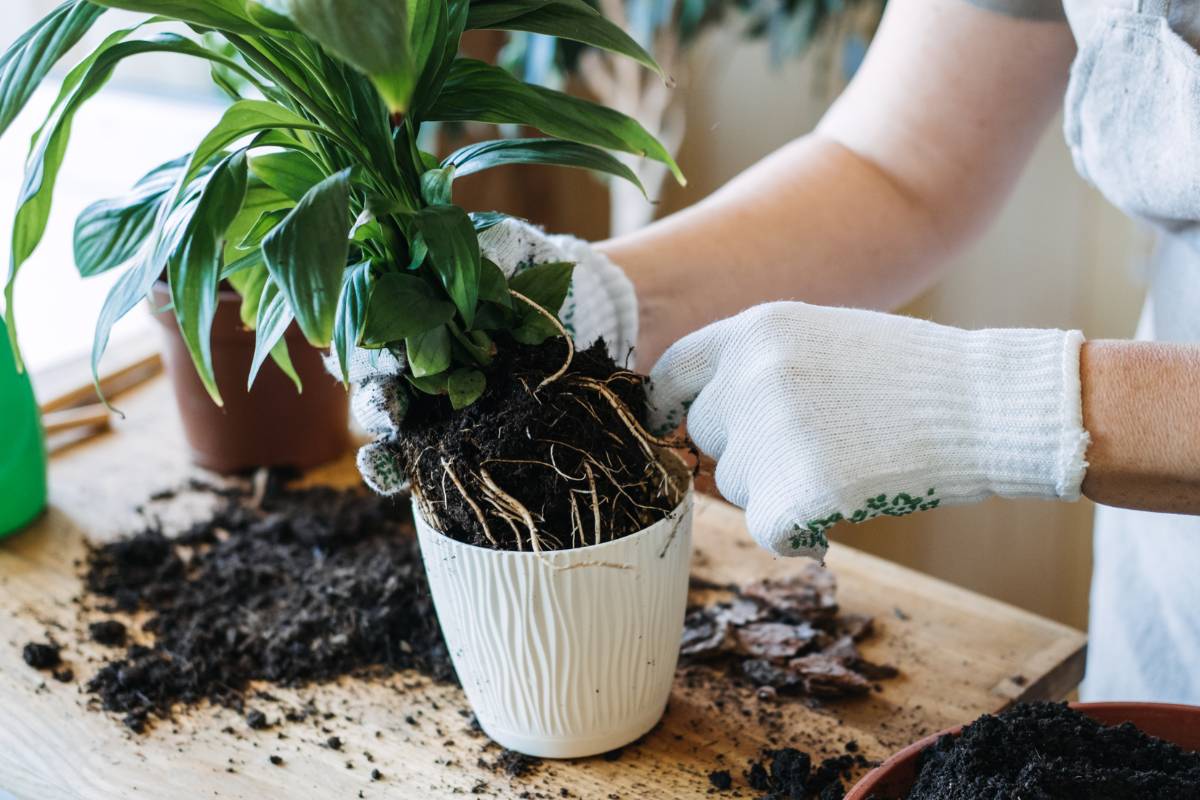
To address pale plant leaves effectively, consider the option of repotting or transplanting for improved growth and nutrient uptake. When selecting soil for repotting, opt for a nutrient-rich blend suitable for your plant species to ensure proper nourishment. Additionally, assess the root health of your plant before repotting to check for any signs of rot or overcrowding.
Container size is crucial when transplanting to provide ample space for root expansion. Moving your plant to a larger container can prevent root-bound conditions, allowing better absorption of essential nutrients.
If your pale plant is not receiving adequate sunlight in its current location, transplanting it to a sunnier spot can enhance chlorophyll production, aiding in the plant’s ability to photosynthesize effectively.
Lastly, consider changing the potting mix when repotting to address any soil nutrient deficiencies that may be causing the leaves to turn pale. By following these steps, you can help your plant thrive with vibrant, healthy foliage.
7. Seek Professional Plant Consultation

Consider seeking professional plant consultation to gain expert guidance on addressing pale plant leaves effectively. A plant professional can conduct soil pH testing to determine if an imbalance is causing the discoloration. This test helps in understanding if the soil acidity or alkalinity is affecting nutrient absorption by the plant. Additionally, they can provide specific fertilizer recommendations tailored to the needs of your plants. By understanding the nutrient deficiencies present in your soil, the professional can suggest the right fertilizers to promote healthy leaf coloration. Furthermore, a plant expert can assist in disease diagnosis, identifying any potential infections or issues that might be causing the pale leaves. Their expertise enables accurate identification of diseases and appropriate treatment plans to restore the plant’s health. Seeking professional consultation ensures that you receive precise solutions and personalized care for your plants, leading to vibrant and lush foliage once again.