

Using compost as mulch offers 9 shocking benefits. Enhance soil fertility with vital nutrients like nitrogen and phosphorus. Boost microbial diversity for healthier soil. Improve moisture retention, reduce evaporation, and support plant growth. Suppress weeds naturally and foster plant health. Enhance nutrient absorption and plant vitality. Shield against diseases and bolster plant resilience. Embrace eco-friendly practices and save on costs. Promote biodiversity and ecosystem health effortlessly. These benefits might just surprise you!
1. Enhanced Soil Fertility and Structure

Enhance your garden’s soil fertility and structure by utilizing compost as mulch, a nutrient-rich soil amendment packed with essential nutrients and organic matter. When compost is used as mulch, it not only improves soil health but also enhances the overall soil structure. The organic mulches in compost help create a favorable environment for beneficial microorganisms to thrive, promoting a balanced ecosystem in the soil. These microorganisms play a crucial role in breaking down organic materials, releasing nutrients that are vital for plant growth.
Compost mulch acts as a natural source of essential nutrients like nitrogen, phosphorus, and potassium, providing a steady supply of nourishment for your plants. By incorporating compost as mulch, you are not only enhancing soil fertility but also ensuring that your plants have access to the necessary elements for their development. Additionally, the organic matter in compost mulch aids in improving soil structure, allowing for better root penetration and water retention. This dual benefit of nutrient availability and soil structure enhancement makes compost mulch a valuable addition to any garden.
2. Increased Microbial Activity and Diversity

Promoting increased microbial activity and diversity in the soil, the use of compost as mulch is essential for fostering a thriving underground ecosystem. Compost mulch serves as a haven for beneficial microorganisms, creating a nutrient-rich environment where they can flourish. This enhanced microbial diversity plays a crucial role in maintaining soil health and efficient nutrient cycling processes. The presence of various microorganisms in the soil, supported by compost mulch, contributes to a balanced ecosystem underground, which is fundamental for robust plant growth.
The increased microbial activity resulting from compost mulch application aids in the decomposition of organic matter, breaking it down into essential nutrients that are then readily available for plants to absorb. This nutrient recycling process not only benefits the current plant growth but also enriches the soil for future vegetation. By fostering a diverse and active microbial community, compost mulch acts as a natural powerhouse, enhancing the overall vitality of the soil and promoting sustainable plant development.
3. Improved Moisture Retention and Water Efficiency

When you use compost as mulch, you are effectively enhancing the soil’s ability to retain moisture, which translates into reduced watering needs for your plants. The organic components in compost function as a water reservoir, steadily supplying moisture to plant roots. By mulching with compost, you can optimize water efficiency in your garden by minimizing water loss through evaporation and runoff.
Water Retention Benefits
By forming a protective barrier that reduces water evaporation, compost mulch significantly enhances soil moisture retention, promoting water efficiency and supporting healthy plant growth. This improved moisture retention is essential for maintaining optimal soil moisture levels, ensuring that plants have consistent access to water for their growth and development. The ability of compost mulch to conserve water resources aligns with sustainable gardening practices, allowing you to contribute to environmental conservation efforts while enjoying the benefits of healthier plants. By incorporating compost mulch into your gardening routine, you can reduce the frequency of watering sessions and minimize water wastage. This not only saves you time and effort but also plays a significant role in preserving water resources for future generations. Embracing compost mulch as a water retention solution is a practical and effective way to enhance your garden’s water efficiency and promote lush, thriving plant life.
Enhanced Water Efficiency
Compost mulch enhances water efficiency by reducing water evaporation from the soil and improving moisture retention for healthier plant growth. This results in reduced watering needs and better utilization of available water resources. Here are four key ways compost mulch benefits water efficiency:
- Moisture Retention: Compost mulch acts as a protective layer, trapping moisture in the soil and reducing evaporation rates.
- Reduced Watering: By retaining moisture effectively, compost mulch decreases the frequency of watering required for plants, saving time and resources.
- Healthy Plant Roots: Improved water efficiency leads to stronger and healthier plant roots, promoting overall plant growth and vitality.
- Effective Soil Penetration: Compost mulch aids in preventing runoff and helps water penetrate the soil more efficiently, ensuring better absorption by plant roots.
Incorporating compost as mulch in gardening and landscaping practices can significantly decrease water usage, making it a sustainable and practical choice for enhancing water efficiency and promoting healthier plant growth.
4. Reduced Weed Growth and Competition

Enhancing garden bed health and promoting plant growth, compost mulch effectively suppresses weed growth and competition through its natural properties. Acting as a natural weed suppressor, the nutrient-rich composition of compost mulch creates an environment that inhibits weed growth. By forming a barrier that blocks sunlight from reaching weed seeds, compost mulch prevents their germination and subsequent proliferation. This method not only reduces the need for chemical weed control but also fosters a more eco-friendly gardening approach. As the compost mulch nourishes the soil and supports the growth of desired plants, it simultaneously creates a weed-free environment conducive to healthier plant development. Embracing compost as mulch not only enriches the soil but also helps maintain a balanced ecosystem where plants can thrive without the disruptive presence of weeds.
5. Enhanced Plant Nutrient Uptake and Health

When you use compost as mulch, your plants benefit from a steady supply of essential nutrients such as nitrogen, phosphorus, and potassium. This nutrient-rich environment enhances your plant’s ability to absorb these vital elements, promoting overall health and growth. The gradual decomposition of compost mulch ensures a sustained release of nutrients, supporting your plants’ nutrient uptake and contributing to their resilience.
Improved Nutrient Absorption
By incorporating compost mulch into your gardening practices, you can significantly boost nutrient absorption in plants, leading to enhanced overall health and vitality. Adding compost as mulch provides numerous benefits for improved nutrient absorption:
- Enhanced Nutrient Uptake: Compost mulch improves soil structure, making it easier for plants to access essential nutrients, such as nitrogen, phosphorus, and potassium.
- Robust Root Development: Nutrients in compost mulch are readily available for plant roots, promoting healthy growth and development of root systems.
- Steady Nutrient Supply: The organic matter in compost mulch releases nutrients gradually, ensuring a continuous and balanced nutrient supply for optimal plant growth.
- Increased Vigor and Resilience: Plants mulched with compost exhibit enhanced vigor and resilience, better equipped to withstand environmental stressors and diseases due to the improved nutrient absorption.
Utilizing compost as mulch not only boosts plant health but also fosters a thriving garden ecosystem through enhanced nutrient absorption.
Plant Health Benefits
Incorporating compost mulch into your gardening practices can significantly enhance plant health by improving nutrient uptake and overall vitality. The organic matter present in compost mulch enriches the soil with essential nutrients, supporting enhanced growth and promoting healthy root development in plants. This leads to better nutrient absorption, ensuring that your plants receive the necessary elements for optimal health and development. As compost mulch decomposes, it releases nutrients that contribute to stronger and more resilient plants, increasing their disease resistance and overall well-being. By using compost as mulch, you can expect to see your plants flourish, displaying lush foliage and thriving in a nutrient-rich environment.
| Plant Health Benefits |
|---|
| Organic matter enriches soil with essential nutrients |
| Essential for enhanced growth and vitality |
| Supports healthy root development in plants |
| Ensures better nutrient absorption |
| Contributes to disease resistance and overall plant health |
6. Natural Disease Suppression and Prevention

Compost mulch harbors beneficial microorganisms crucial for combating plant diseases naturally. When you use compost as mulch, you are tapping into a powerful arsenal of natural disease suppression methods. Here are some key points to consider:
- Beneficial Microorganisms: The diverse array of microorganisms present in compost actively work to suppress harmful pathogens, helping to maintain plant health.
- Soil-Borne Pathogens Prevention: Compounds found in compost act as a shield against soil-borne pathogens, preventing them from attacking plant roots and causing diseases.
- Protective Barrier: By forming a physical barrier over the soil, compost mulch reduces the chances of disease transmission, keeping your plants safe.
- Enhanced Plant Immunity: The application of compost mulch promotes a balanced and healthy soil microbiome, boosting plant immunity and resilience against fungal infections.
Embracing compost as mulch not only nurtures your plants but also fortifies their natural defenses, ensuring a thriving and disease-resistant garden.
7. Sustainable and Eco-Friendly Gardening Practice
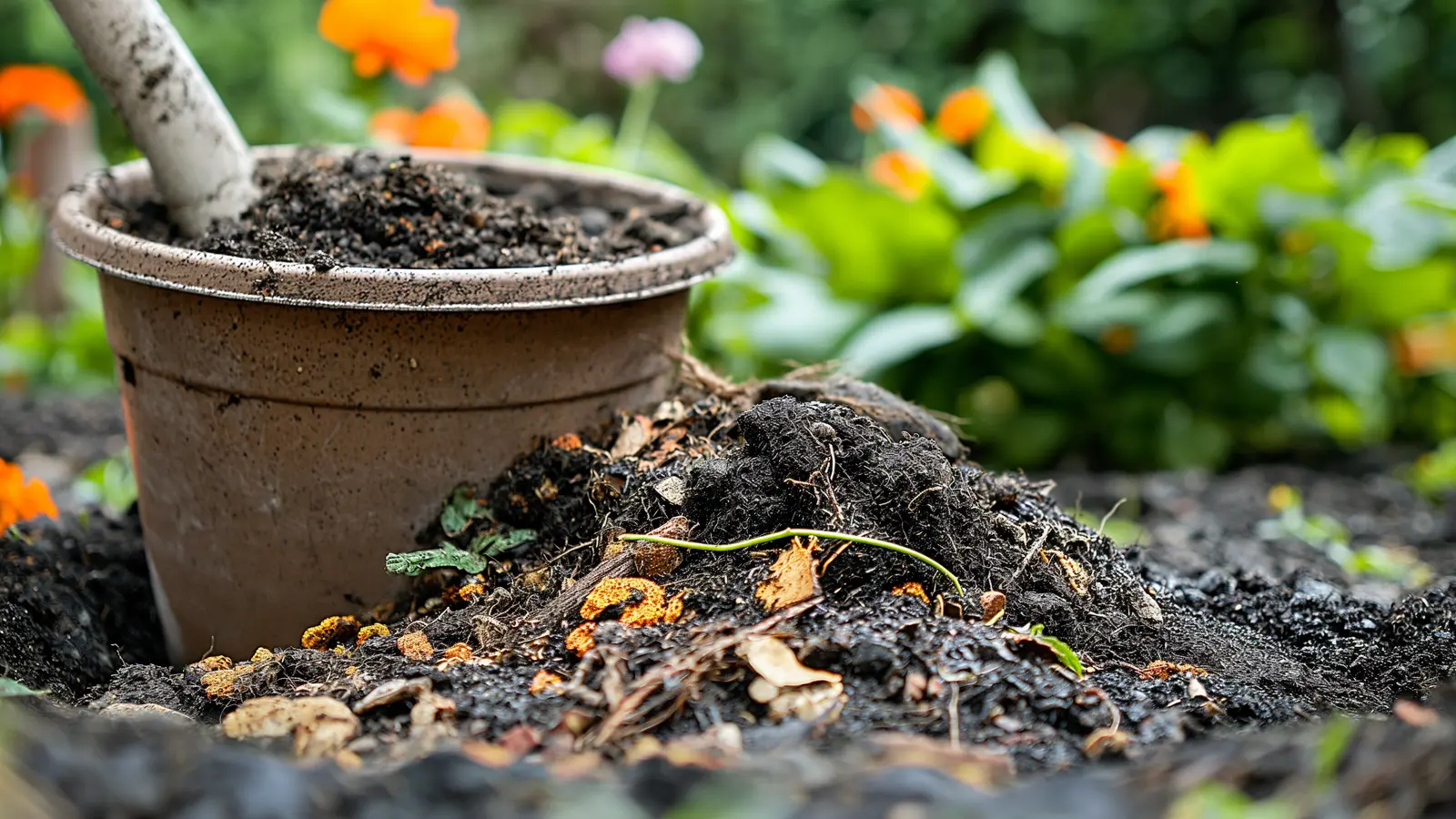
Utilizing compost as mulch in your garden promotes sustainable and eco-friendly gardening practices. When you use compost as mulch, you are not only reducing waste but also enriching the soil with essential nutrients for optimal plant growth. Compost mulch acts as a protective barrier, retaining moisture, suppressing weeds, and enhancing soil fertility through a slow-release of nutrients. This eco-friendly practice supports a healthy garden ecosystem by promoting earthworm activity, which further aids in soil aeration and nutrient cycling. By choosing compost mulch, you are opting for an environmentally friendly alternative that not only benefits your plants but also contributes positively to the overall health of the environment. Embracing compost as mulch aligns with sustainable gardening principles, ensuring that your garden thrives in a balanced and natural way while reducing your carbon footprint.
8. Cost-Effective and Long-Term Benefits
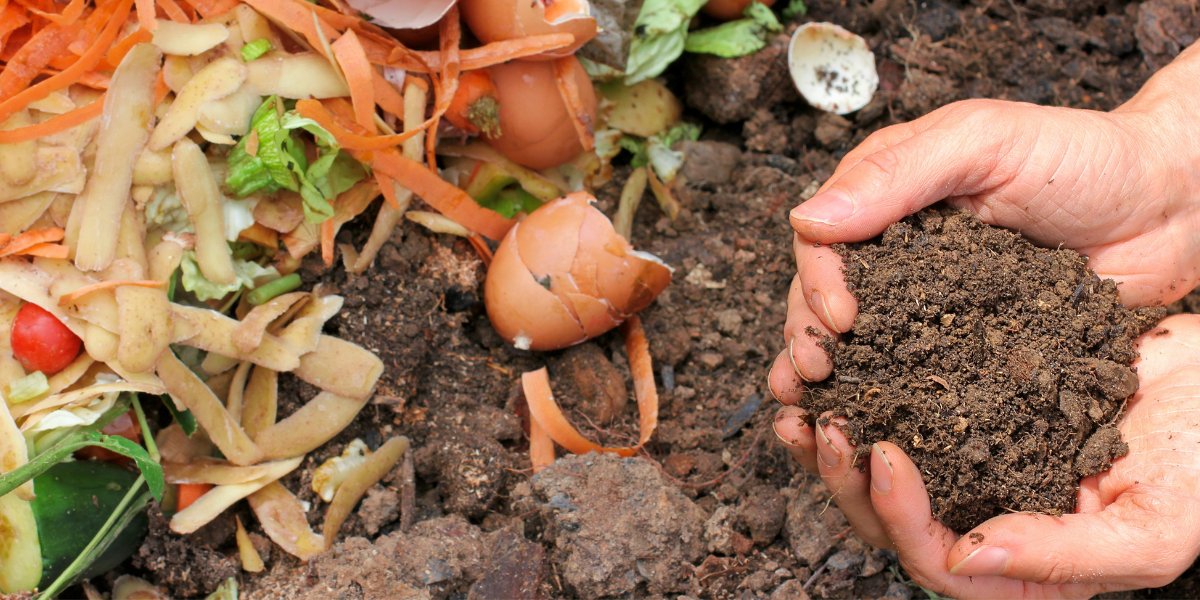
Using compost as mulch offers a cost-effective and sustainable solution for enhancing soil health and promoting long-term benefits for plant growth. Here are four key reasons why incorporating compost mulch into your gardening practices can be advantageous:
- Cost-Effective: Compost mulch provides a budget-friendly alternative to synthetic fertilizers and pesticides, reducing the overall expenses associated with maintaining a garden.
- Enriching Soil: The essential nutrients present in compost mulch enrich the soil, creating a fertile environment that supports robust plant growth over an extended period.
- Retain Moisture: By acting as a natural barrier, compost mulch helps the soil retain moisture, reducing water evaporation and the frequency of irrigation needed to sustain healthy plant growth.
- Healthy Soil Ecosystem: The organic matter in compost mulch fosters a thriving soil ecosystem, promoting beneficial microbial activity and creating a sustainable environment for plants to flourish in the long term.
Incorporating compost mulch into your gardening routine can not only save you money but also contribute to the long-term health and vitality of your plants.
9. Promotion of Biodiversity and Ecosystem Health

Promoting biodiversity and ecosystem health through compost mulch involves creating a thriving habitat for beneficial microorganisms and earthworms within the soil. The use of compost as mulch not only enhances soil fertility but also fosters a diverse microbiome, contributing to a healthy ecosystem. This diverse community of microorganisms, including beneficial fungi and bacteria, plays a crucial role in improving overall soil health. By supporting a thriving ecosystem in the soil, compost mulch boosts plant resilience, reducing the reliance on chemical interventions. Furthermore, the balanced environment created by using compost as mulch promotes sustainable practices, allowing plants to flourish naturally. Incorporating compost benefits not only enriches the soil but also establishes a foundation for a healthy and biodiverse ecosystem. Embracing compost mulch in gardening practices is an effective way to create a sustainable environment that benefits both plants and the surrounding ecosystem.