

If your plant leaves are splitting, here are common reasons: overwatering causes root rot, and underwatering results in wilting. Nutrient deficiencies weaken cell walls, while pests like spider mites contribute to splitting. Fungal infections and bacterial diseases weaken leaf tissues. Environmental stress from water scarcity and pests can also lead to splitting. Genetic factors play a role, with some species predisposed to this issue. To prevent leaf splitting, focus on proper plant hygiene, pest control, and adjusting environmental conditions. Understanding these causes can help you address the issue effectively.
1. Overwatering
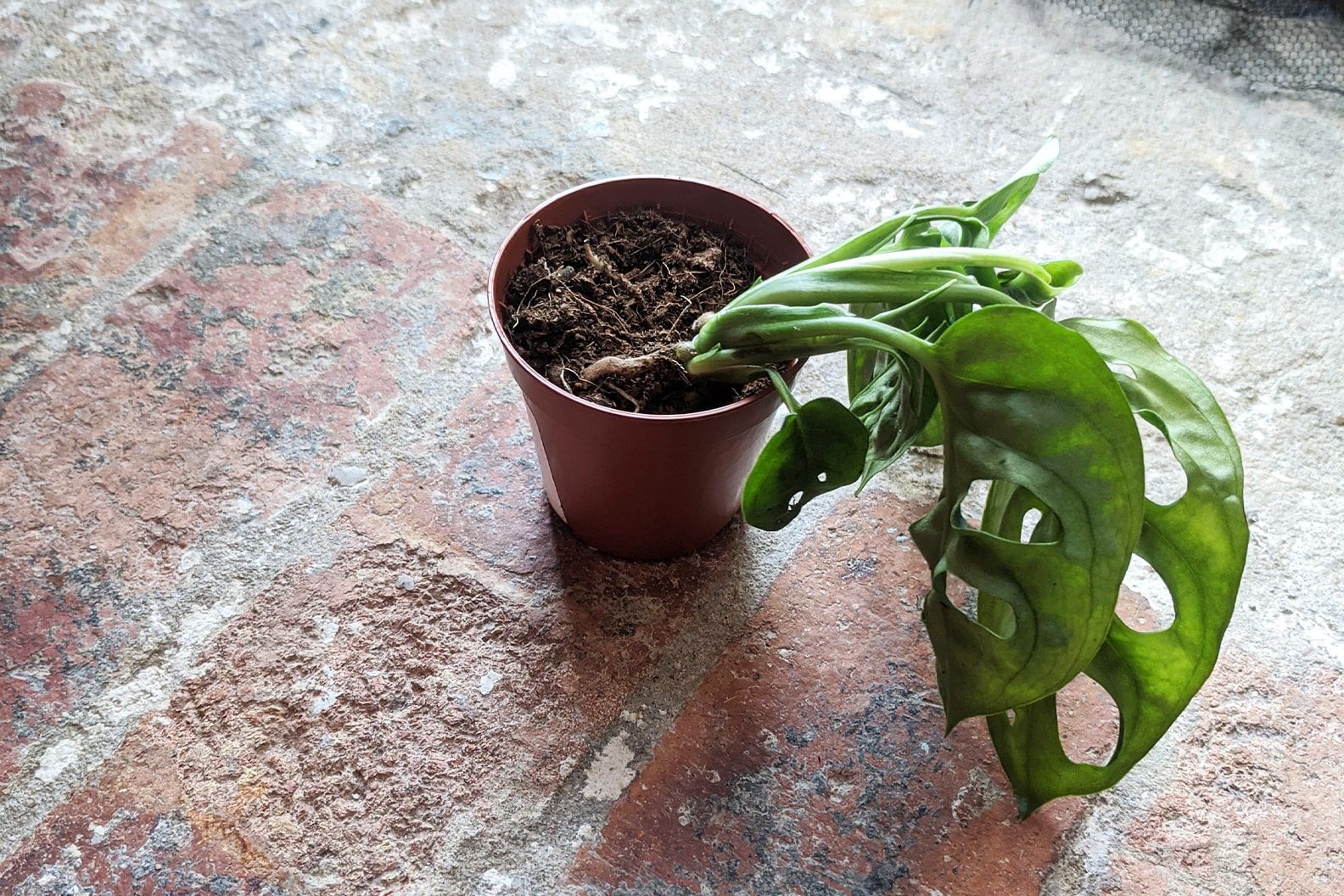
Overwatering can lead to plant leaves splitting as a result of root rot and decreased oxygen levels in the soil. When plants receive more water than they can absorb or transpire, the excess moisture causes the roots to suffocate due to reduced oxygen levels in the soil. This lack of oxygen hinders root function and leads to root rot, where the roots become waterlogged and begin to decay. As a consequence, the plant’s ability to uptake nutrients is compromised, disrupting the balance within the plant.
The stress caused by overwatering manifests in various ways, including the swelling and bursting of leaves, resulting in splitting. Additionally, plants experiencing overwatering may exhibit signs of leaf yellowing or wilting. To prevent leaf splitting due to overwatering, it is crucial to adjust the watering frequency to allow the soil to dry out between waterings. This practice helps maintain the proper moisture levels for the plant, promoting healthy root function and overall plant vitality.
2. Underwatering
:max_bytes(150000):strip_icc()/GettyImages-1356462970-d882fc11ee0e4d2c92bfce2f27d933a4.jpg)
If your plant is not receiving enough water, you may notice signs of underwatering such as wilting, dry soil, and leaf splitting. Insufficient water intake can have detrimental effects on your plant’s health, reducing turgor pressure in cells and hindering nutrient transport. To remedy underwatering, adjust your watering frequency based on soil moisture levels to ensure your plant receives the hydration it needs for healthy growth.
. Signs of Underwatering
Leaves that are splitting due to underwatering exhibit visible signs of wilting and dryness. When plants lack sufficient moisture, they display specific indicators that can help you identify the issue promptly:
- Crispy Texture: Underwatered plants often have leaves that feel dry and brittle to the touch.
- Curled Leaves: The leaves may start to curl inward or downward as a defense mechanism to retain moisture.
- Yellowing: Another common sign of underwatering is yellowing leaves, especially starting from the tips or edges.
These signs of underwatering are crucial to recognize early on as they indicate a lack of hydration that can lead to leaf splitting. Addressing watering habits promptly is essential to prevent further damage and encourage healthy plant growth. Remember, proper hydration is vital for your plants’ overall health and resilience.

Effects on Plant Health
Insufficient watering practices can have detrimental effects on plant health, particularly in relation to the turgidity and resilience of the leaves. Underwatering leads to dehydration within the plant, causing the leaves to lose their moisture content and become dry and brittle. This lack of moisture inhibits the plant’s ability to maintain proper cell structure, making the leaves more susceptible to splitting. As a result of underwatering, plants may exhibit visible signs of stress such as wilting, curling, and eventually splitting of the leaves. When a plant is deprived of an adequate water supply, it struggles to carry out essential physiological processes, impacting its overall health. Proper watering practices are crucial to prevent leaf splitting caused by dehydration in plants. Ensuring that your plants receive the right amount of water will help maintain leaf turgidity, structural integrity, and overall plant health.
How to Remedy
To address the issue of leaf splitting due to underwatering, it is imperative to focus on implementing proper watering techniques that promote optimal moisture levels within the plant. When dealing with underwatering, consider the following remedies:
- Watering Schedule: Establish a consistent watering schedule based on the plant’s specific needs to prevent fluctuations in moisture levels that can lead to leaf splitting.
- Soil Moisture: Regularly check the soil moisture by inserting your finger into the soil up to the second knuckle. Water the plant when the top inch of soil feels dry to the touch.
- Proper Drainage: Ensure proper drainage in plant pots to prevent waterlogging, which can exacerbate leaf splitting due to underwatering.
3. Nutrient Deficiency

A lack of essential nutrients like magnesium or calcium can result in weakened cell walls, leading to splitting of plant leaves. Nutrient deficiency hinders the plant’s ability to maintain the structural integrity of its cells, making them more prone to damage and splitting. When cell walls are weakened due to insufficient nutrients, the leaves may start to split as a way for the plant to get rid of excess nutrients and protect the rest of the leaf.
Plants suffering from nutrient deficiencies often display symptoms beyond leaf splitting, such as yellowing or browning of leaves. To prevent leaf splitting caused by nutrient deficiencies, it is crucial to fertilize plants properly following package instructions. Regularly inspecting plants for signs of nutrient deficiencies and promptly addressing them can promote healthy leaf growth and overall plant vitality. By ensuring that plants receive adequate levels of essential nutrients, you can help maintain strong cell walls and prevent the splitting of plant leaves.
4. Pests and Insects

Pests and insects, such as spider mites, aphids, and thrips, can contribute to the splitting of plant leaves by feeding on the plant’s tissues. These small invaders weaken plants, making them more prone to leaf damage and eventual splitting. To combat these pesky creatures and safeguard your plant’s health, consider the following:
- Regular Inspection: Periodically check your plants for any signs of pests or insects to catch infestations early.
- Pesticides and Insecticidal Soaps: Utilize these control methods to eliminate pests causing leaf splitting while ensuring minimal harm to the plant.
- Plant Care Practices: Maintain good plant hygiene and overall health to reduce the likelihood of pest-related leaf splitting.
5. Diseases
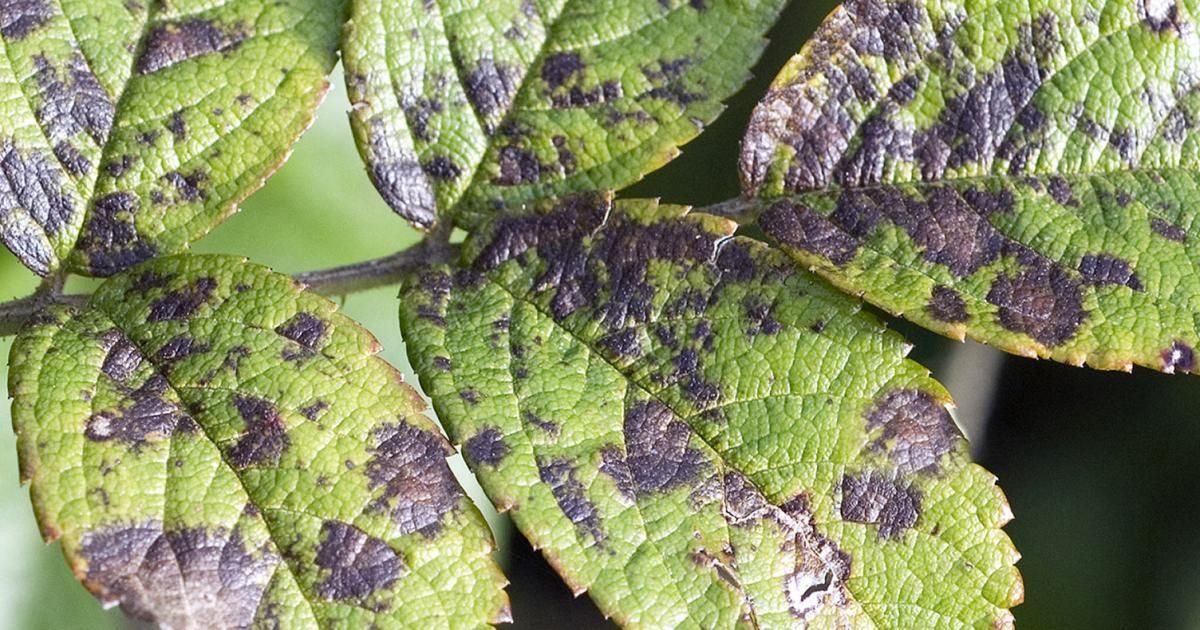
Diseases like fungal leaf infections, bacterial leaf diseases, and viral leaf infections can cause significant damage to plant leaves, potentially leading to splitting. Fungal infections such as powdery mildew can weaken leaf tissues, making them more susceptible to splitting. Proper identification and treatment of these diseases are crucial to prevent further leaf damage and maintain plant health.
Fungal Leaf Infections
Fungal leaf infections can significantly weaken the structure of plant leaves, often leading to splitting as a visible symptom. When dealing with fungal leaf infections, it is crucial to understand how these diseases can impact your plants. Here are some key points to consider:
- Impact on Plant Leaves: Fungal infections like powdery mildew and leaf spot can compromise the integrity of plant leaves, making them prone to splitting.
- Early Signs of Infection: Keep an eye out for discolored spots or patches on your plant leaves, as these are often early indicators of fungal infections that could progress to splitting.
- Preventive Measures: To safeguard your plants, maintain good plant hygiene practices, ensure proper air circulation around the foliage, and avoid overhead watering to reduce the risk of fungal leaf infections.
Bacterial Leaf Diseases
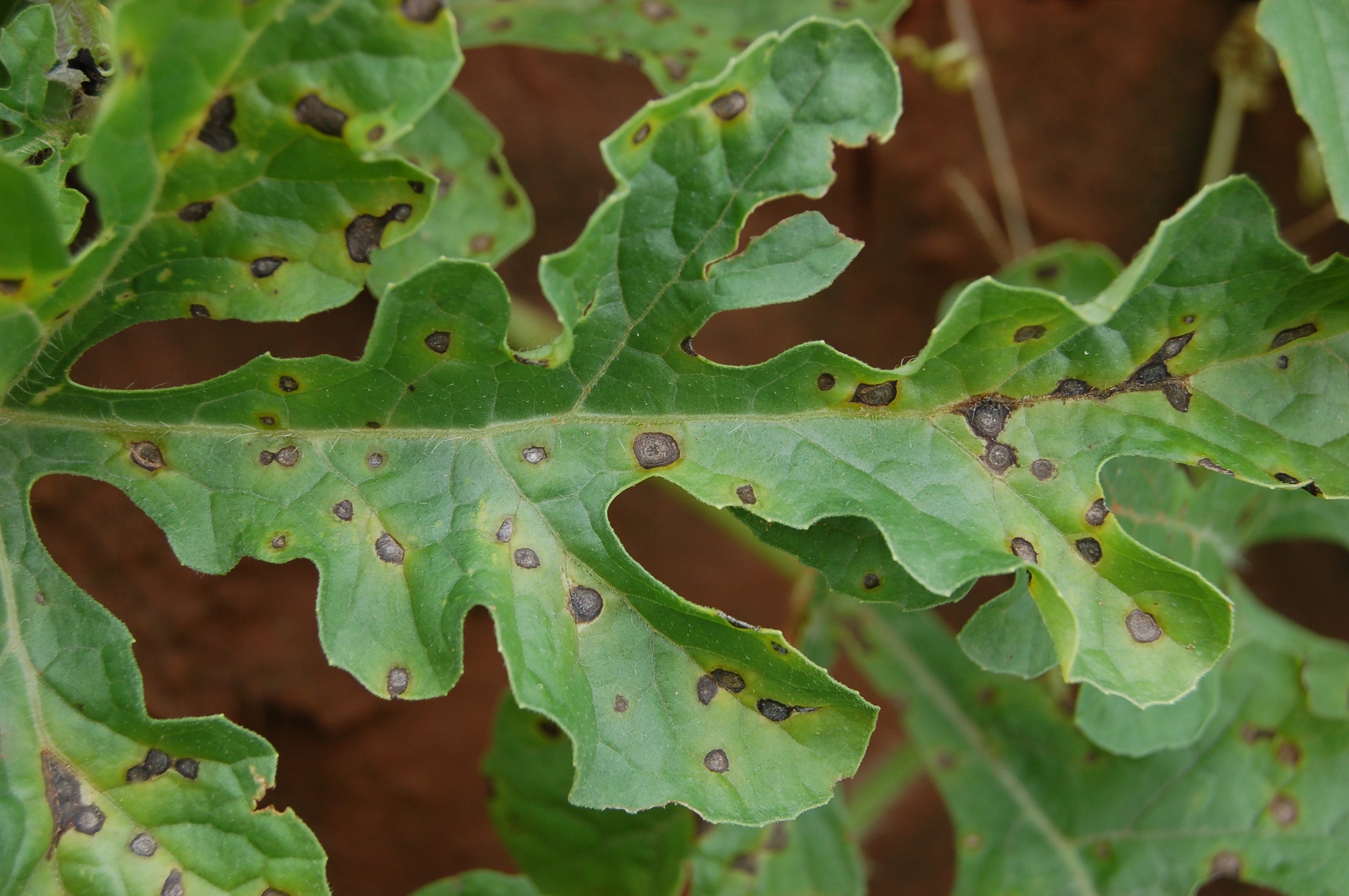
Bacterial leaf diseases pose a significant threat to plant health by targeting and weakening plant tissues, ultimately leading to the splitting of leaves. These diseases are caused by various bacteria that attack the plant’s leaves, disrupting their normal functions. Symptoms of bacterial leaf diseases often include the appearance of water-soaked spots on the leaves, followed by yellowing and, eventually, leaf splitting. Bacterial leaf diseases can spread rapidly in moist environments and are often transmitted through contaminated tools or hands during pruning or handling.
To treat bacterial leaf diseases, it is crucial to promptly remove and destroy infected plant material. Additionally, improving air circulation around the plant can help reduce moisture levels and inhibit bacterial growth. Copper-based fungicides can also be used to manage bacterial leaf diseases effectively.
Prevention is key in addressing bacterial leaf diseases. Good sanitation practices, such as cleaning tools between uses, avoiding overhead watering, and selecting disease-resistant plant varieties, can help minimize the risk of these damaging infections.
Viral Leaf Infections
Viral leaf infections in plants can lead to the splitting of leaves due to the deterioration and weakening of leaf tissues caused by the viral pathogens. Symptoms of viral leaf infections often manifest as irregular leaf splitting patterns and discoloration. The spread of viral diseases can occur through various means such as contaminated tools, soil, or insects, resulting in widespread leaf splitting in plants.
- Treatment for viral leaf infections may involve removing and destroying infected plants to prevent further spread.
- Preventing viral leaf infections through good plant hygiene practices, such as regularly sanitizing tools and ensuring proper soil drainage, can help reduce the risk of leaf splitting in plants.
- Implementing integrated pest management strategies can also aid in controlling the spread of viral diseases and minimizing leaf damage.
6. Environmental Stress
:max_bytes(150000):strip_icc()/2-61ae6b8d39a94a06af21fdfe4641753b.jpg)
Environmental stress, including factors like water scarcity and nutrient deficiencies, can trigger the splitting of plant leaves as a defensive response mechanism. When plants face environmental challenges, they may develop split leaves as a way to redistribute resources and protect vital parts. Understanding how to recognize and address these stressors is crucial for effective plant care.
| Environmental Stress Factors | Effects on Plants | Prevention and Care |
|---|---|---|
| Water Scarcity | Leads to dehydration and wilting | Ensure regular watering, especially during dry periods. |
| Nutrient Deficiencies | Weakens plant structure and function | Use balanced fertilizers and monitor nutrient levels. |
| Temperature Extremes | Can cause leaf damage and splitting | Provide shade during hot periods and protect from frost. |
| Pest Infestations | Insect feeding can trigger leaf splitting | Implement pest control measures and monitor for pests regularly. |
| Disease Outbreaks | Fungal or bacterial infections may lead to leaf splitting | Practice good sanitation and use disease-resistant plants. |
7. Genetic Factors
Some plants naturally exhibit split leaves due to genetic factors influencing their growth patterns. Genetic predisposition in certain plant species can lead to unique leaf fenestrations and patterns like Swiss cheese-like holes in Monstera deliciosa leaves. Understanding these genetic factors is crucial in distinguishing between normal leaf splitting and potential issues such as pests or diseases. Here are some key points to consider:
- Genetic factors play a significant role in the development of split leaves in certain plant species.
- Plant species like Monstera deliciosa have specific genetic traits that result in distinctive leaf patterns.
- The growth process of plants can be influenced by genetic factors, leading to variations in leaf structures and textures.