

If your lawn is cracking, it may be due to inadequate grass length and density. Ensure your grass is at the right height to retain moisture and prevent soil cracking. Proper watering practices, like deep watering and using soaker hoses, can help maintain soil moisture levels. Regular aeration is crucial to prevent soil compaction and promote healthy root development. Avoid over-fertilizing, as it can dehydrate the soil and weaken grass resilience. Address dryness by monitoring soil moisture levels and creating an ideal soil mixture. By implementing these solutions, you can restore your lawn’s health and prevent further cracking.
Grass Length and Density Maintenance

To prevent soil cracking and maintain a healthy lawn, it is crucial to consistently maintain the proper length and density of your grass. Adequate grass length promotes dew formation, aiding in water retention within the soil. This moisture is essential for the overall health of your lawn and prevents it from becoming dehydrated and prone to cracking. Additionally, maintaining the right density of grass acts as a natural barrier against evaporation, further safeguarding the soil from drying out and cracking.
Ensuring that your grass is neither too short nor too sparse is key to sustaining a lush and robust lawn. Longer grass blades help in retaining soil moisture levels, which is fundamental for a healthy lawn ecosystem. By keeping your grass at the appropriate length and density, you are actively contributing to the prevention of soil cracking and promoting the overall well-being of your lawn. Regular care and attention to these aspects are vital for maintaining a thriving outdoor space.
Proper Watering Techniques

Implementing effective watering practices is essential for maintaining a healthy and vibrant lawn ecosystem. To prevent cracks and promote optimal growth, follow these tips:
- Water deeply: Ensure water penetrates the soil to encourage deep root growth, especially crucial in clay soil to prevent surface cracks.
- Utilize soaker hoses: These aid in even water distribution, preventing overwatering that can lead to shallow roots and lawn stress.
- Time your watering: Water early in the morning or late afternoon to reduce evaporation, allowing the grass to absorb water efficiently.
- Avoid midday watering: High temperatures can cause water loss through evaporation and stress the grass, so steer clear of watering during the hottest parts of the day.
Soil Aeration Importance
Soil aeration plays a vital role in maintaining the health and vitality of your lawn. By ensuring proper air circulation and water absorption in the soil, aeration stimulates root growth and facilitates effective nutrient uptake by the grass roots. This process is essential for the overall health of your lawn as it prevents soil compaction, a common issue that can impede root growth and nutrient absorption. Compacted soil restricts the movement of air, water, and nutrients within the soil, leading to poor grass health and growth. Regular soil aeration can be achieved using a lawn aerator or by seeking help from a professional landscaping service. By incorporating soil aeration into your lawn care routine, you can enhance water penetration, promote healthy root development, and improve nutrient uptake, ultimately maintaining a lush, vibrant lawn free from cracks and other issues stemming from soil compaction.

Effects of Soil Compaction
Soil compaction can result in a myriad of detrimental effects on your lawn’s health and appearance, ultimately leading to issues like cracking in the grass surface. When soil becomes compacted, it reduces pore space, limiting the movement of water and air within the soil. This limitation prevents grass roots from accessing essential nutrients and water, further exacerbating the problem of cracking in the lawn. Factors like heavy foot traffic and machinery contribute to soil compaction, increasing the risk of lawn damage.
Effects of Soil Compaction:
- Compacted soil hinders grass roots from obtaining necessary nutrients and water.
- Reduced soil aeration due to compaction impacts microbial activity crucial for soil health.
- Heavy foot traffic and machinery can exacerbate soil compaction, leading to lawn cracking.
- Aerating the soil can help alleviate compaction, promoting healthy grass growth and preventing cracking.
Impact of Excessive Fertilizer Use
:max_bytes(150000):strip_icc()/fix-an-overfertilized-lawn-5221846-Hero-a87bd52e3a934db8a138b5e33a0bd4bd.jpg)
Excessive fertilizer use can have detrimental effects on your lawn’s health, making the grass more vulnerable to cracking and nutrient imbalances. When you over-fertilize, the soil can become dehydrated, leading to increased risk of lawn cracking. This dehydration occurs because the high salt content in fertilizers draws moisture out of the soil, making it harder for the grass to thrive. Additionally, nutrient imbalances caused by excessive fertilizer can weaken the grass, making it less able to withstand environmental stressors. Nitrogen-rich fertilizers promote rapid grass growth, resulting in shallow roots that struggle to cope with dry conditions, further contributing to the cracking of your lawn. To prevent grass burnout and maintain soil health, it is crucial to manage your fertilizer properly. By being mindful of the amount and type of fertilizer you use, you can reduce the risk of nutrient imbalances, soil dehydration, and ultimately, lawn cracking.
Addressing Dryness in Soil
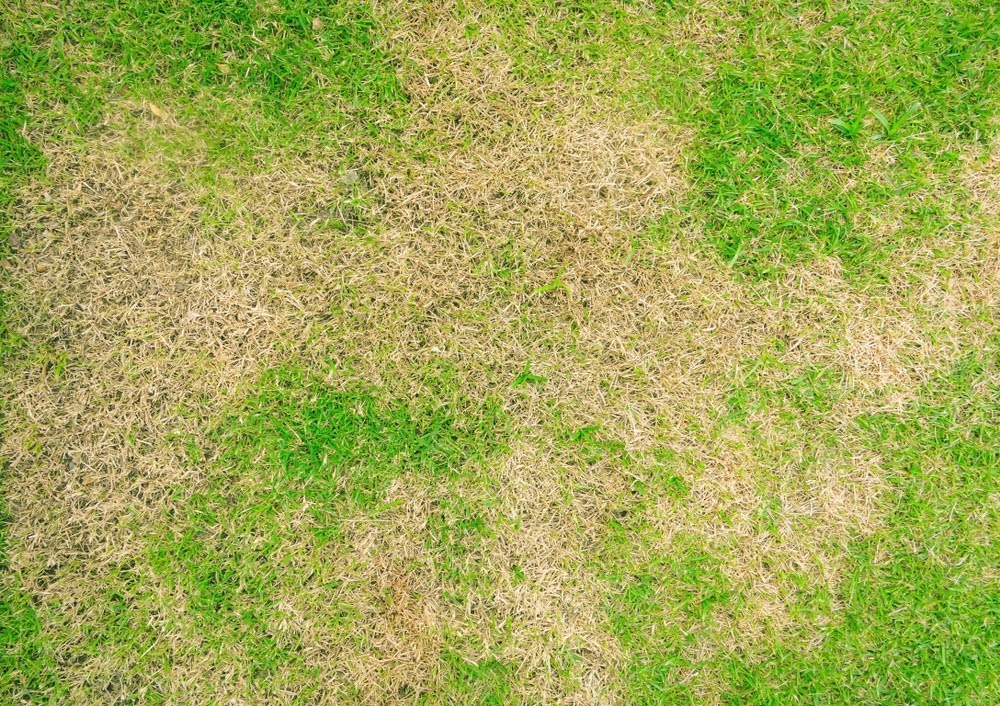
To combat cracking in your lawn caused by dryness, it is essential to address the moisture levels in the soil effectively. When dealing with dryness in soil, especially in clay soils prone to cracking, consider the following:
- Know Your Soil Type: Understanding that clay soils are more prone to cracks during dry spells helps you tailor your solutions accordingly.
- Hydration is Key: Adequate watering is crucial to maintain the right moisture content in the soil and prevent excessive dryness.
- Loosen Compacted Soil: Compacted soil can worsen cracking due to reduced water absorption, so aerate your lawn to promote better water penetration.
- Monitor and Adjust: Regularly check moisture levels in the soil and adjust your watering practices accordingly. This proactive approach helps prevent dryness-related cracking issues.
Creating an Ideal Soil Mixture
Enhancing your grass’s growth and resilience starts with creating an ideal soil mixture. The perfect blend consists of 40% sand, 40% silt, and 20% clay, creating a medium loam soil composition that fosters proper drainage and nutrient retention. This precise combination is essential in preventing soil cracking, as it helps maintain optimal moisture levels in your lawn. By adjusting the soil composition to include sand, silt, and clay in the right proportions, you can ensure that your grass receives the necessary support for healthy growth.
Understanding the significance of soil composition is key to promoting a lush and resilient lawn. By providing the right environment for your grass roots to thrive, you can prevent issues like soil cracking and promote overall lawn health. Take the time to assess and adjust your soil mixture accordingly to create an ideal foundation for your grass to flourish.
Implementing Balanced Fertilizer Application

Creating a strategic plan for balanced fertilizer application is essential in maintaining soil health and promoting vibrant grass growth in your lawn. To prevent cracking and ensure healthy grass growth, follow these practical steps:
- Conduct a soil test: Determine the nutrient levels in your soil to tailor your fertilizer application accordingly.
- Avoid over-fertilization: Excessive fertilization can lead to grass burnout and sparse growth, contributing to soil cracking problems.
- Apply the right amount: Properly balanced fertilizer application nourishes the soil without stressing the grass excessively.
- Understand the impact: Knowing how fertilizer affects soil health is crucial for sustaining a lush lawn and preventing cracking issues.