

You can definitely plant after mulching for a thriving garden. This method enhances soil structure, reduces erosion, and boosts plant health. To do it right, mark planting spots, avoid mulch buildup, choose the right type, and time your planting well. Directly plant on mulch by moving it aside, digging a hole, keeping soil separate, and replanting the mulch. This method locks in moisture, stabilizes soil temperature, and minimizes weeds and erosion. For more insights into planting after mulching and the vast benefits it offers, continue exploring the techniques and advantages to optimize your garden’s growth.
Benefits of Planting After Mulching

By planting after mulching, you can enjoy a range of benefits that enhance the health and appearance of your garden. Mulching before planting is a great way to improve the soil structure, reduce erosion, and boost overall plant health. The mulch acts as a protective barrier, regulating soil temperature and moisture levels, creating an optimal environment for plant growth. It also helps suppress weeds, saving you time and effort in maintenance.
Additionally, mulching after planting helps maintain a tidy garden appearance and reduces soil-mulch mixing, keeping your garden looking pristine. It’s important to ensure there’s a proper distance between the mulch and plant stems to prevent suffocation and root rot. This technique not only protects your plants but also enhances their growth and longevity.
Proper Mulching Techniques for Planting
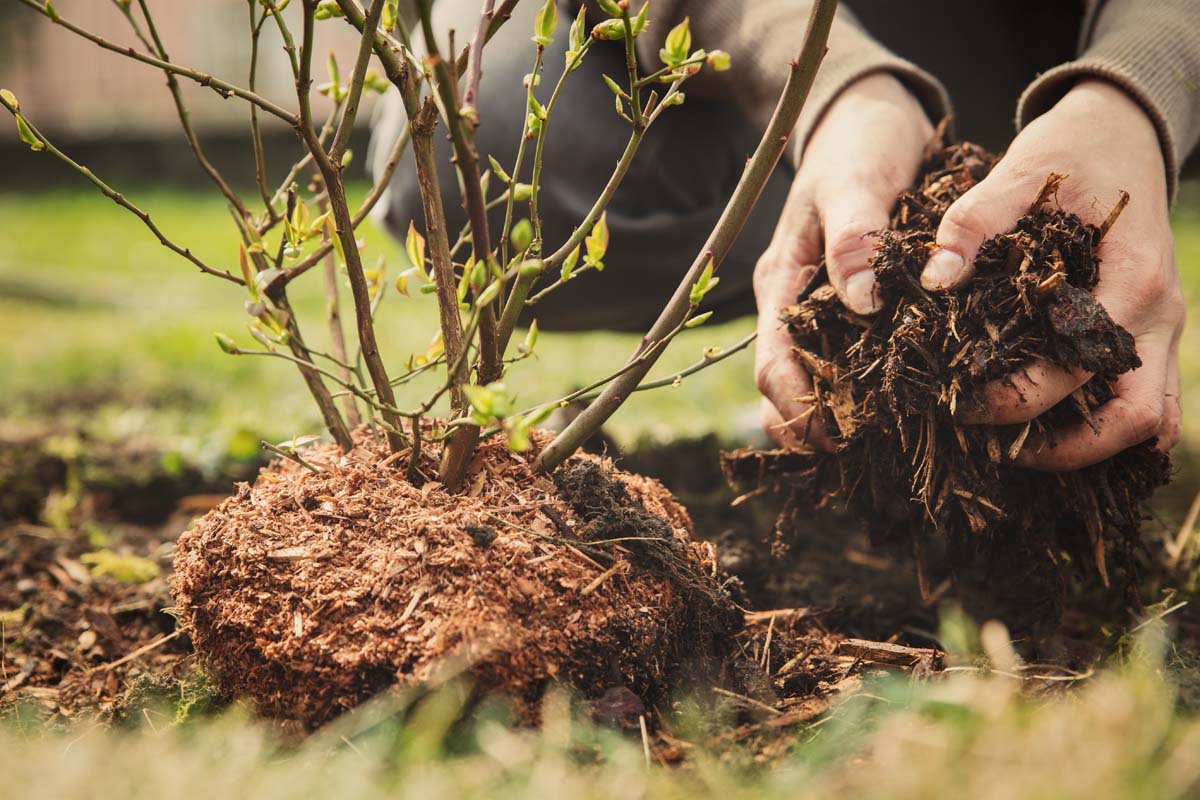
So, you’re ready to plant after mulching.
Remember, keeping the mulch separate is key to successful planting.
Mulching Before Planting
Enhance your planting process by incorporating proper mulching techniques before planting to promote weed suppression, soil health, and optimal plant growth.
Here’s how you can effectively mulch before planting:
- Mark Planting Spots: Use black plastic pots to mark where you intend to plant. Cover the planting holes with pots or plastic before mulching for an organized planting layout.
- Avoid Mulch Buildup: Prevent mulch from piling up around the bases of trees and shrubs. This helps avoid moisture retention issues and potential damage to the plants.
- Choose the Right Mulch: Consider using fine bark mulch enriched with nitrogen for nutrient-rich mulching before planting. This type of mulch can provide essential nutrients for plant growth.
- Timing is Key: Be mindful of the timing for mulching before planting. Tailor your mulching schedule based on the specific needs of the plants to maximize the benefits and ensure their optimal health.
Mulch Benefits for Planting
Maximize the benefits of mulch for planting by implementing proper mulching techniques that enhance soil health and promote optimal plant growth. Mulch plays a crucial role in maintaining soil moisture, which is essential for the healthy development of plants. By acting as a protective barrier, mulch helps to reduce water evaporation from the soil, ensuring that plants have a consistent water supply and reducing the need for frequent watering.
Additionally, mulch aids in weed control by blocking sunlight and preventing weed seeds from germinating, which can compete with plants for essential nutrients. When mulching for planting, ensure that the mulch layer isn’t directly touching plant stems to prevent moisture-related issues and potential rot. Proper mulching techniques also help regulate soil temperature, keeping it cool in hot weather and insulating it during colder periods.
This stability promotes root growth and overall plant health. By following correct mulching practices, you can create an environment that nurtures your plants, fosters healthy growth, and minimizes maintenance efforts.
Soil Exposure for Planting Success

For successful planting after mulching, ensuring proper soil exposure is crucial for the health and growth of your plants. Here are some tips to help you achieve optimal soil exposure:
- Keep Soil Separate: Avoid planting directly into the mulch layer to prevent nitrogen depletion and ensure your plants receive the necessary nutrients.
- Utilize Containers: When planting, use containers to keep the soil separate from the mulch. This method helps maintain soil quality and supports plant health.
- Dig Proper Holes: Before planting, make sure to dig adequate holes for your plants. Keep the soil in a container to prevent it from mixing with the mulch.
- Clear Planting Space: Maintain a clear space around the plant stem when planting in mulch. This practice promotes proper airflow and prevents moisture buildup, supporting optimal plant growth.
Direct Planting on Mulch
:strip_icc()/planting-cranesbill-mulch-ground-6ea2bbd5-ed8e5905564f46cab3a11857d0418cdc.jpg)
When considering direct planting on mulch, it’s crucial to understand the potential impact on your plants.
Mixing organic mulch into the soil can hinder growth by depriving plants of vital nutrients like nitrogen.
To ensure optimal conditions, keeping soil and mulch separate is key for healthy plant development.
Planting on Mulch
To successfully plant directly on mulch, it’s important to carefully prepare the area by following specific steps to ensure plant health and growth.
Here are some key tips to keep in mind:
- Move the Mulch: Before planting, gently move aside the mulch to expose the soil underneath. This step helps prevent the mulch from interfering with the plant’s root development.
- Dig a Hole: Once the mulch is set aside, dig a hole in the soil where you plan to place the plant. This will provide a fresh environment for the roots to establish themselves without the hindrance of the mulch.
- Keep Soil Separate: While planting, ensure that the soil from the hole is kept separate from the mulch. This division helps maintain the nutrient balance for the plant’s growth.
- Replant the Mulch: After placing the plant in the hole and covering it with soil, gently replant the mulch around the base of the plant. This step helps retain moisture and regulate soil temperature for optimal plant growth.
Benefits of Direct Planting
Explore the numerous advantages of directly planting your greenery on mulch, harnessing its benefits for optimal gardening results.
When you opt for direct planting on mulch, you’re setting the stage for a thriving garden. Mulch serves as a protective shield, locking in essential moisture and maintaining a stable soil temperature, creating the perfect environment for your plants to flourish.
By planting directly on mulch, you also say goodbye to pesky weeds and soil erosion, as the mulch acts as a natural deterrent, promoting a tidy and healthy garden bed.
Moreover, the barrier created by mulch not only nourishes the soil underneath but also gives your garden a polished and uniform appearance.
The beauty of direct planting on mulch lies in its time-saving nature – skip the laborious soil preparation and dive straight into planting.
Embrace the benefits of mulch for soil health, fertility, and overall sustainability, ensuring your plants receive the support they need to thrive.
Best Practices for Planting
Shift the mulch aside to create a designated planting space while maintaining its separation from the soil for optimal plant health and garden aesthetics.
When planting directly on mulch, follow these best practices:
- Create Space: Gently move the mulch to the side, exposing the soil beneath where you intend to plant.
- Prevent Mixing: Avoid mixing the mulch into the soil to prevent nitrogen depletion that could harm your plants.
- Use Containers: Utilize containers to hold the soil for your plants, ensuring a clear separation between the soil and mulch.
- Maximize Benefits: By planting correctly on the mulch, you allow it to continue providing benefits like moisture retention and weed suppression to support your plant’s growth.
Benefits of Mulch for Plant Growth
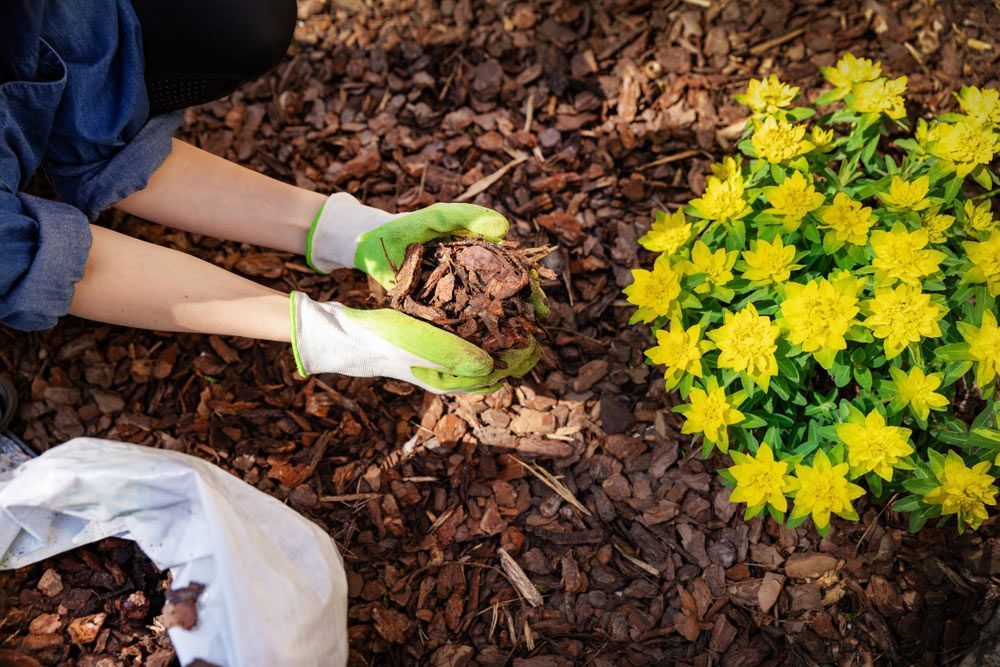
Enhancing plant growth through the use of mulch provides numerous benefits by retaining moisture, moderating soil temperature, preventing erosion, reducing weeding time, and safeguarding against diseases.
Organic mulch, such as wood chips or straw, acts as a protective shield for your plants and soil. By retaining moisture, organic mulch ensures that your plants receive a steady water supply, leading to healthier and more robust growth. Moreover, the moderation of soil temperature by organic mulch creates an ideal environment for plant roots to thrive, with temperatures regulated to enhance nutrient absorption.
Additionally, the prevention of soil erosion is a crucial benefit of using mulch. By forming a barrier against the forces of nature, mulch helps maintain the integrity of the soil structure, preventing nutrient loss and promoting overall soil fertility. This is essential for providing plants with a stable foundation for growth and development.
Embracing the benefits of mulch not only fosters healthier plants but also reduces maintenance efforts, allowing you to enjoy a flourishing garden with minimal intervention.
Mulching to Enhance Soil Health
Mulching your garden not only enhances plant growth but also plays a vital role in improving soil health. When you mulch, you’re nurturing your soil in ways that benefit the entire garden ecosystem. Here’s how mulching can enhance soil health:
- Retaining Moisture: Mulch acts as a protective blanket, reducing water evaporation and keeping the soil consistently moist, which is essential for plant growth.
- Enriching Soil with Nutrients: Organic mulches break down gradually, releasing valuable organic matter into the soil, providing essential nutrients for plants to thrive.
- Preventing Erosion: Mulch helps to stabilize the soil, preventing erosion caused by wind and water, which can expose plant roots and disrupt their growth.
- Improving Soil Structure: As organic mulches decompose, they improve soil structure by increasing its ability to retain water and nutrients, creating a healthier environment for plants to flourish.
Mulching Techniques for Gardening
When it comes to mulching techniques for gardening, choosing the right type of mulch can make a world of difference. Different mulch materials offer varying benefits, so it’s crucial to pick one that suits your garden’s needs.
Understanding how to apply mulch effectively around plants will help you reap the full advantages of this gardening practice.
Mulch Types for Gardening
Looking to boost your garden’s health and aesthetics? Choosing the right mulch type can make a significant difference in the overall well-being of your plants. When it comes to mulching, organic options like wood chips and leaves are often preferred for their numerous benefits.
Here are some mulch types commonly used in gardening:
- Wood Chip Mulch: Provides excellent insulation, retains moisture, and gradually enriches the soil as it decomposes.
- Leaves: Rich in nutrients, free if collected from your yard, and beneficial for improving soil structure.
- Straw: Ideal for vegetable gardens, helps suppress weeds, and protects soil from erosion.
- Pine Straw: Acidic in nature, suitable for acid-loving plants like azaleas and blueberries, and decomposes slowly.
Mulching Tips for Plants
Enhance your planting success and overall garden health by implementing effective mulching techniques that provide essential benefits for your plants.
When mulching around your plants, it’s crucial to maintain a proper distance between the mulch and the plant stems to prevent issues like rot or pests. Avoid piling mulch directly against the base of trees or shrubs as this can lead to moisture retention and potential damage.
Opt for fine bark mulch enriched with nitrogen to provide your plants with necessary nutrients for growth and vitality.
To streamline the mulching process, consider using black plastic pots to mark planting spots and cover the holes before mulching. This simple trick can help you efficiently organize your garden and ensure that the mulch is applied precisely where needed.
After planting, mulching can aid in suppressing weed growth and maintaining the separation between the soil and mulch, promoting a healthier environment for your plants to thrive.
Improving Plant Growth With Mulch
Mulch serves as a vital ally in bolstering plant growth, providing essential benefits that nurture and support healthy vegetation. Here’s how mulch can enhance your plant growth:
- Retaining Soil Moisture:
Mulch acts as a barrier, reducing moisture evaporation from the soil and ensuring plants have a consistent water supply for optimal growth.
- Enriching Soil Nutrients:
Organic mulches break down gradually, enriching the soil with vital nutrients that are essential for the healthy development of plants.
- Enhancing Root Systems:
Proper mulching encourages the growth of strong and healthy root systems, enabling plants to absorb water and nutrients more efficiently.
- Protecting Against Pests and Diseases:
Mulch acts as a protective layer, creating a barrier that deters pests and diseases, ultimately promoting healthier plants.
Sustainable Garden Environment
When aiming for a sustainable garden environment, remember that mulching isn’t just about aesthetics—it’s your soil’s best friend.
By retaining moisture and fostering soil fertility, mulch sets the stage for healthy plant growth.
Keep a close eye on nutrient levels and weed control to maintain a thriving garden ecosystem.
Mulch for Soil Health
By nourishing the soil with its gradual decomposition, mulch plays a crucial role in fostering a sustainable garden environment that promotes plant health and vitality. When considering mulch for soil health, organic options are particularly beneficial due to their ability to enhance soil fertility, structure, and moisture retention.
Here are some key benefits of using mulch to improve soil health:
- Nutrient-Rich Decomposition: Organic mulch breaks down over time, releasing essential nutrients that enrich the soil and support plant growth.
- Weed Suppression: Proper mulching techniques create a barrier that inhibits weed growth, reducing competition for nutrients and ensuring plant health.
- Erosion Control: Mulch helps prevent soil erosion by minimizing the impact of water runoff, preserving the integrity of the garden environment.
- Temperature Regulation: By insulating the soil, mulch regulates temperature fluctuations, creating a stable environment that fosters healthy root development and overall plant vitality.
Embracing sustainable mulching practices not only benefits your garden’s soil health but also contributes to a thriving ecosystem that supports long-term plant growth and environmental sustainability.
Planting Success Tips
For a successful and sustainable garden environment, ensuring proper planting practices is crucial to promote optimal plant growth and vitality. When it comes to planting success in a mulched garden, there are several key tips to keep in mind.
Firstly, before planting, make sure to prepare the soil by adding mulch to retain moisture and regulate temperature. This creates a healthy environment for your plants to thrive. When planting, maintain a distance between the mulch and the plant stems to prevent issues like rot and pests. Proper mulching techniques not only suppress weeds but also ensure essential nutrients are available for your plants’ development.
After planting, consider adding a layer of mulch around the base of your plants to help with moisture retention and weed control. This post-planting mulching also aids in keeping the area tidy and organized.
Mulch Types and Planting Tips
Consider using various types of mulch to enhance your planting success and aesthetics. When choosing mulch for your garden, keep in mind the following tips:
- Organic vs. Inorganic Mulches:
Organic mulches like wood chips are beneficial but should be kept as a top layer to avoid harming plants. Inorganic mulches like pebbles offer little beyond aesthetics and weed control.
- Spring Flower Growth:
Be cautious not to block the spread of spring flowers with a thick layer of mulch. Ensure the mulch layer is appropriate for the plants you’re growing.
- Using Containers:
When planting, utilize containers to separate soil from mulch. This prevents nitrogen deprivation for your plants and ensures healthy growth.
- Planting in Mulch:
To plant in mulch effectively, move the mulch aside, dig a hole, keep the soil separate, place the plant, fill with soil, and finally, replace the mulch around the flower stem.
Mulch Application for Planting
Enhance your planting success by mastering the art of mulch application before planting new greenery in your garden. When preparing to plant after mulching, remember to carefully move the mulch aside instead of mixing it into the soil. Keeping the soil and mulch separate ensures optimal plant growth, as mixing mulch into the soil can lead to nitrogen deprivation, impacting the health of your plants.
To maintain this separation and prevent nutrient depletion, consider using containers to hold the soil when planting in mulch. By keeping the mulch as a top layer, you provide insulation, retain moisture, and suppress weeds, benefiting your plants in multiple ways.
Proper mulch application before planting is crucial for enhancing soil health, regulating moisture levels, suppressing weeds, and ultimately improving the overall health of your plants. Remember, a little extra care during mulch application can go a long way in ensuring successful planting and thriving greenery in your garden.
Mulching for Soil Nutrients
Organic mulches, such as wood chips, play a vital role in enriching the soil with essential nutrients as they break down. By incorporating mulch into your gardening routine, you can ensure that your plants receive the necessary elements for robust growth. Here’s how mulching benefits soil nutrients:
- Nutrient-Rich Decomposition: Mulch decomposition releases valuable nutrients into the soil, providing a steady supply for plant uptake.
- Enhanced Soil Fertility: Mulching with nutrient-rich materials like compost can significantly boost the fertility of the soil, promoting healthy plant development.
- Balanced Nutrient Levels: Proper mulching techniques help maintain a balanced nutrient profile in the soil, preventing deficiencies that can hinder plant growth.
- Long-Term Nutrient Provision: Mulch acts as a reservoir of nutrients, gradually releasing them over time to support the needs of growing plants.
Mulch Retention and Moisture
As mulch helps retain soil moisture, your plants benefit from improved hydration and consistent water supply for optimal growth. By reducing evaporation, mulch acts as a protective barrier that prevents the soil from drying out too quickly, especially in sunny or windy conditions. This moisture retention is crucial for the health of your plants, as it ensures that their roots receive a steady water supply, reducing stress during dry periods.
With adequate moisture levels maintained through mulch retention, your plants are better equipped to grow, flower, and produce fruits. Not only does mulch support plant growth and development, but it also reduces the need for frequent watering, saving you time and conserving water resources in the long run.
Mulch for Weed Prevention
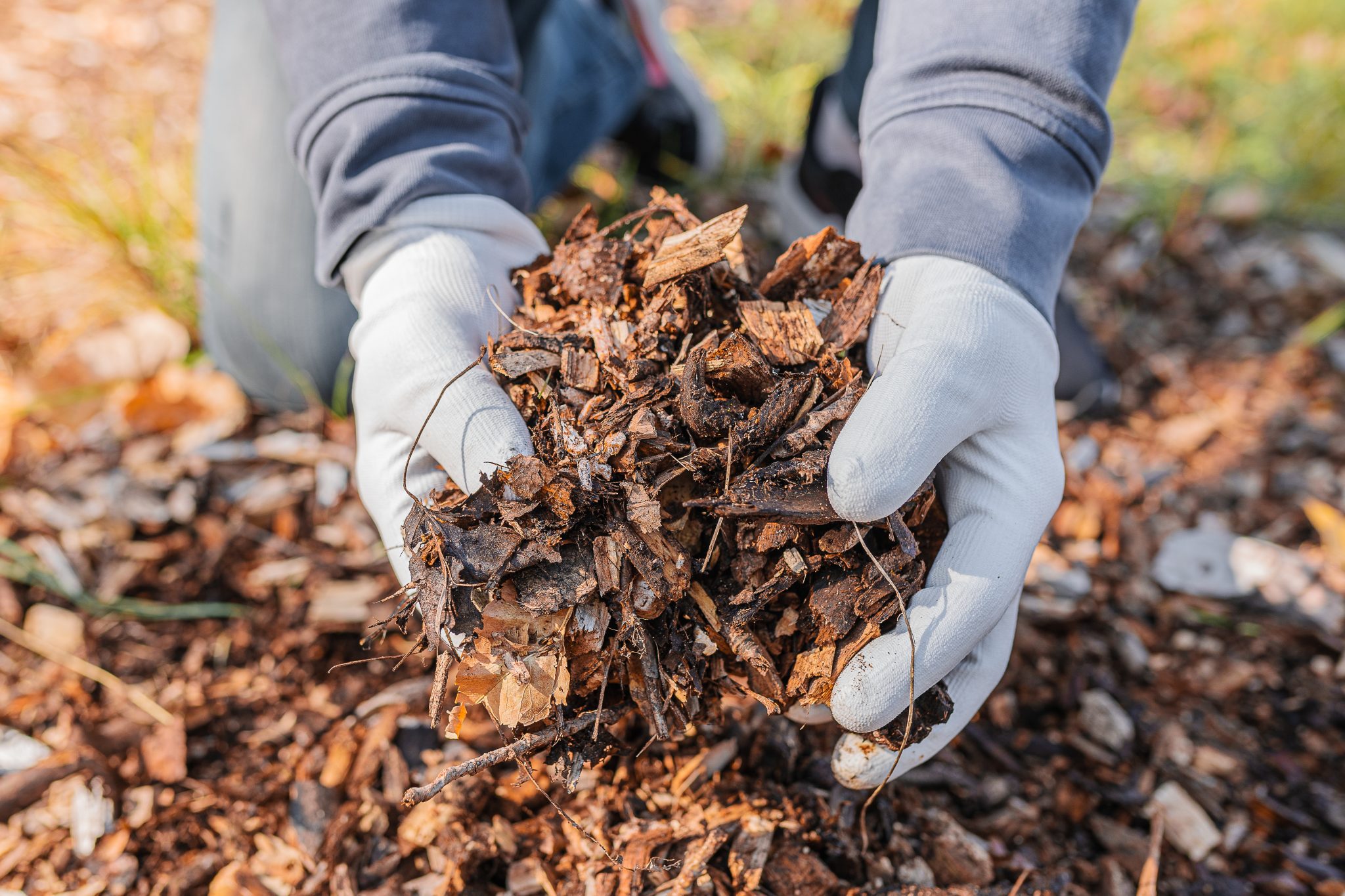
To effectively combat weed growth in your garden, utilizing mulch as a protective barrier is a practical and efficient strategy. Here’s how mulch can help prevent weeds:
- Blocking Sunlight:
- Mulch forms a barrier that blocks sunlight from reaching weed seeds, inhibiting their germination and growth.
- Seed Inhibition:
- A 10 cm thick layer of mulch can effectively prevent most weed seeds from sprouting, keeping your garden free of unwanted plants.
- Maintenance:
- Pulling back mulch when planting seeds and replacing it as plants grow can aid in weed prevention by ensuring the soil is covered at all times.
- Nutrient Boost:
- Top dressing with compost on the mulch layer not only provides nutrients to the soil but also helps control weeds by smothering them.
Disease Prevention With Mulching

Mulching not only helps combat weed growth but also plays a crucial role in preventing diseases in your garden. By acting as a protective barrier, mulch shields your plants from soil-borne diseases by preventing fungal spores from splashing onto them.
This simple yet effective method can significantly reduce the risk of plant infections caused by pathogens present in the soil. Moreover, maintaining consistent soil moisture levels with the help of mulch can prevent certain plant diseases that thrive in dry or overly wet conditions.
Organic mulches, such as compost, can further enhance disease prevention by fostering a healthier environment for your plants. These materials not only provide a protective layer but also improve soil pH, creating optimal conditions that deter disease-causing agents.
Conclusion
Now that you know the benefits of planting after mulching and the proper techniques to follow, you can confidently enhance your garden or landscaping.
By planting directly on mulch, you’ll enjoy improved soil nutrients, moisture retention, weed prevention, and disease control.
Embrace the power of mulch to create a thriving and beautiful outdoor space that will flourish for seasons to come. Happy planting!