

When your mulch displays faded color, weeds start to invade, or it sinks from elements like rain and wind, it’s time to replace it. Fresh mulch not only boosts aesthetics but also helps maintain your garden’s health. Explore the variety of organic and inorganic mulch types to suit your landscape needs. By understanding the signs of when to change old mulch, you ensure proper moisture, weed control, and soil health. Upgrading your mulch at the right times keeps your outdoor space appealing and flourishing.
Mulch Replacement Signs

If you notice fading color, weeds infiltrating, sinking due to weather, or signs of pests and diseases in your mulch, it’s time to consider replacing it for optimal garden health and aesthetics.
Mulch replacement is often necessary to maintain the benefits it provides. Over time, mulch color can fade due to exposure to sunlight and weather conditions. This fading indicates that the mulch is breaking down and may no longer be as effective in retaining moisture and suppressing weed growth.
Weeds growing through the mulch are a clear sign that the mulch layer is no longer serving its purpose adequately. Sinking mulch, caused by heavy rainfall or strong winds, can lead to uneven coverage and reduced insulation for plant roots.
Pests and diseases thriving in the mulch signal the need for immediate action and replacement to prevent further damage to your garden. By replacing mulch regularly, you can ensure that your garden remains healthy and visually appealing.
Faded Mulch Color

When faded mulch color becomes noticeable in your landscaping, it serves as a visual cue that the mulch is aging.
This color change isn’t just about looks; it can also impact plant health by reducing the mulch’s ability to regulate soil temperature and moisture levels.
Color Fading Significance
Noticing faded mulch color serves as a clear indicator for the necessity of replacing the mulch to maintain both its visual appeal and functional benefits in landscaping. Color fading in mulch is a natural process caused by exposure to sunlight and weather elements. As mulch ages, its color tends to fade, impacting the aesthetics of your garden or flower beds. The once vibrant hues can become dull and less visually appealing over time.
Replacing faded mulch with a fresh layer can revitalize the appearance of your landscaping, enhancing curb appeal and creating a more polished look.
Regularly monitoring the color of your mulch is key to determining when it’s time for a replacement. By staying attentive to the fading process, you can ensure that your mulch continues to provide its intended benefits while also contributing to the overall beauty of your outdoor space.
Impact on Plant Health
The impact of faded mulch color on plant health becomes evident through decreased effectiveness in regulating soil temperature and retaining moisture. When mulch color fades, its ability to insulate the soil and prevent moisture loss diminishes, leading to potential stress for plants. Faded mulch also allows more light to penetrate, which can promote weed growth and compete with plants for essential resources. As a result, plant health may deteriorate due to increased competition, inadequate moisture regulation, and fluctuating soil temperatures caused by faded mulch.
To maintain optimal plant health, it’s crucial to monitor the color of your mulch and replace it when it fades. By refreshing the mulch with vibrant color, you can ensure that plants receive the necessary insulation, moisture retention, and weed suppression benefits. This proactive approach helps support plant growth, reduce stressors, and promote a healthier garden environment overall.
Aesthetic Renewal Benefits
Consider replacing faded mulch color to enhance the visual appeal of your garden and landscaping. Faded mulch color not only detracts from the overall aesthetic value of your outdoor space but also indicates the need for renewal.
When mulch color starts to fade, typically after about a year, it’s a sign that it’s time to refresh your mulch to maintain the vibrant look of your landscaping. By renewing the mulch color, you can instantly revitalize the appearance of your garden.
Fresh mulch with vibrant color can bring new life to your outdoor area, making your plants and flowers stand out more against the backdrop of rich, renewed mulch. The process of replacing faded mulch can significantly improve the curb appeal of your property, creating a more visually appealing and well-maintained landscape.
Therefore, investing in renewing mulch color is a simple yet effective way to enhance the overall beauty of your garden.
Weeds in Mulch

Observing weed growth within mulch signals the necessity for timely replacement to uphold a weed-free garden environment. Weeds in mulch can pose a threat to the health and growth of your plants by competing for vital resources. Here are some key reasons why addressing weeds in mulch is crucial:
- Weeds can grow through old mulch, outcompeting your plants for water, nutrients, and sunlight.
- Mulch that has decomposed or thinned out may no longer effectively block weed growth, allowing them to thrive.
- Replacing old mulch helps prevent weed competition, ensuring your plants receive the necessary resources for optimal growth.
- Weeds in mulch can hinder the aesthetic appeal of your garden, detracting from its overall beauty.
- Regularly changing mulch can help control weed growth, maintaining a healthy garden environment free of competing vegetation.
Sinking Mulch

To maintain the effectiveness of your mulch, recognizing signs of sinking is crucial for timely replacement. Sinking mulch is a clear indicator that it needs to be refreshed with a new layer to uphold its functionality in your garden. Environmental elements such as rain, wind, and natural decomposition can cause mulch to gradually sink over time.
By adding a fresh layer of mulch, you can restore its depth and maximize its benefits in your garden space.
When mulch sinks, it can result in decreased weed suppression and moisture retention, compromising the overall health of your plants. Regularly monitoring the depth of your mulch can help you identify sinking issues early on and take necessary actions to prevent any negative impacts.
Curb Appeal Enhancement
Enhance the overall appearance of your landscape by replacing old mulch to boost curb appeal. Freshening up the mulch in your garden beds and pathways can make a significant difference in the visual appeal of your property.
Here are five key ways in which upgrading your mulch can enhance curb appeal:
- Instant Improvement: New mulch instantly improves the look of your outdoor spaces.
- Detraction Prevention: Faded or deteriorating mulch can detract from the visual appeal of your landscape.
- Polished Exterior: Regularly refreshing mulch helps maintain a polished and well-kept exterior for your home.
- Aesthetic Difference: Upgrading mulch can make a significant difference in the overall aesthetic appeal of your property.
- Enhanced Landscape: Fresh mulch enhances the overall landscape, creating a more inviting and attractive outdoor environment.
Pest & Disease Presence

Inspecting your mulch for signs of pests and diseases is crucial to prevent potential infestations that can harm your plants.
Identifying any insect activity or fungal growth early on allows you to take prompt action to protect your garden’s health.
Regular monitoring and swift intervention are key in maintaining a pest and disease-free environment for your plants.
Pest Risk Assessment
Regularly monitor your mulch for signs of pests or diseases, including insects, fungi, mold, unusual odors, or discoloration, to promptly address any issues that could impact plant health and prevent further damage to your garden. Ensuring a thorough pest risk assessment is crucial for effective mulch maintenance and overall garden health. Consider the following when evaluating the pest risk associated with your mulch:
- Look for any visible pests like insects or larvae in the mulch.
- Check for signs of fungal growth or mold development.
- Monitor the mulch for any unusual odors that could indicate decay or pest presence.
- Inspect the color of the mulch for changes that may suggest underlying issues.
- Keep an eye out for any plant diseases that can be transmitted through the mulch.
Disease Prevention Strategies
To prevent the presence of pests and diseases in your mulch, conduct thorough inspections for any signs of mold, fungi, or insect infestations regularly. If you detect any pests or diseases in your mulch, it is crucial to take immediate action to prevent their spread to your plants. Remove and replace the affected mulch promptly to eliminate the potential source of disease in your garden. Implementing pest control measures and disease prevention strategies before applying new mulch is essential to maintain a healthy garden environment.
| Disease Prevention Strategies | Pest Control Measures |
|---|---|
| Regularly inspect mulch for signs of pests or diseases | Implement pest control measures |
| Remove and replace mulch if pests or diseases are present | Address underlying issues like poor drainage |
| Properly dispose of old mulch to eliminate disease sources | Conduct thorough inspections regularly |
Organic Mulch Types

Organic mulch types, such as bark, leaves, wood chips, and compost, play a vital role in providing essential nutrients to the soil. These materials are environmentally friendly, improve water retention, and reduce soil compaction and erosion. Despite their numerous benefits, organic mulches require regular refreshing or replacement due to weather elements and decomposition processes.
The varying colors of organic mulches not only contribute to the aesthetics of your garden but also enhance soil health by promoting microbial activity and nutrient cycling. Gardeners looking to improve soil quality and foster robust plant growth will find organic mulches to be an ideal choice.
- Bark, leaves, wood chips, and compost offer essential nutrients to the soil.
- Environmentally friendly materials that enhance water retention.
- Reduce soil compaction and erosion.
- Require regular refreshing or replacement.
- Various colors contribute to garden aesthetics and soil health.
Inorganic Mulch Options

When considering inorganic mulch options, you’ll find materials like rubber, rocks, gravel, and landscape fabric among the choices available. These hardier mulches require less frequent replenishment and can last up to five years, providing long-lasting benefits for your landscape.
Inorganic mulches offer advantages such as regulating soil temperature, promoting good soil drainage, and enhancing curb appeal with their durability.
Durability of Inorganic Mulch
Inorganic mulches such as rocks and rubber offer a durable and long-lasting option for landscaping needs, lasting up to five years before requiring replacement. These types of mulch require less frequent replenishment compared to organic mulches. Inorganic mulches are hardier and more durable, making them suitable for low-maintenance landscapes. Gravel, landscape fabric, pebbles, and rubber are popular choices for inorganic mulch. They contribute to good soil drainage, regulate soil temperature, and enhance curb appeal.
Inorganic mulches like rocks and rubber can last up to five years without needing replacement.
These mulches require less frequent replenishment compared to organic options.
Inorganic choices are hardier and more durable, perfect for low-maintenance landscapes.
Gravel, landscape fabric, pebbles, and rubber are common inorganic mulch options.
They aid in soil drainage, help regulate soil temperature, and boost overall curb appeal.
Benefits of Inorganic Mulch
In landscaping, opting for inorganic mulch varieties like gravel, landscape fabric, pebbles, and rubber can offer extended durability and low-maintenance benefits. These inorganic mulches are designed to last longer, with a lifespan of up to five years, requiring less frequent replenishment compared to organic mulches. Their hardier nature makes them ideal for areas where longevity is a priority and maintenance needs to be minimized.
One of the significant benefits of using inorganic mulches is their ability to regulate soil temperature effectively. By acting as a barrier between the soil and external elements, they help maintain a more stable temperature, which is beneficial for plant growth and root development. Additionally, inorganic mulches contribute to good soil drainage, preventing waterlogging and enhancing overall soil health.
For individuals concerned about allergies or seeking a low-maintenance landscaping solution, inorganic mulches are an excellent choice. They not only provide lasting benefits but also enhance curb appeal, making them a versatile option for various outdoor spaces.
Mulch Longevity Factors
Factors influencing the longevity of mulch include material type, particle size, and environmental conditions. Organic mulches like bark or wood chips typically last 1-2 years due to their decomposition rate, influenced by soil moisture and organic matter content. In contrast, inorganic mulches such as rubber or rocks can endure up to 5 years, as they aren’t biodegradable.
Particle size plays a role, with finer mulch decomposing faster than larger particles. Weather conditions like heavy rainfall or extreme heat can also affect mulch lifespan, causing it to break down more rapidly. Proper maintenance, such as fluffing mulch to prevent compaction and applying additional layers as needed, can help extend its longevity.
Regularly monitoring the mulch’s condition, looking for signs of deterioration, and assessing soil moisture levels can aid in determining when replacement is necessary.
- Material type: organic vs. inorganic mulch
- Particle size: fine vs. large particles
- Soil moisture content
- Organic matter presence
- Weather conditions
Benefits of Mulch Replacement
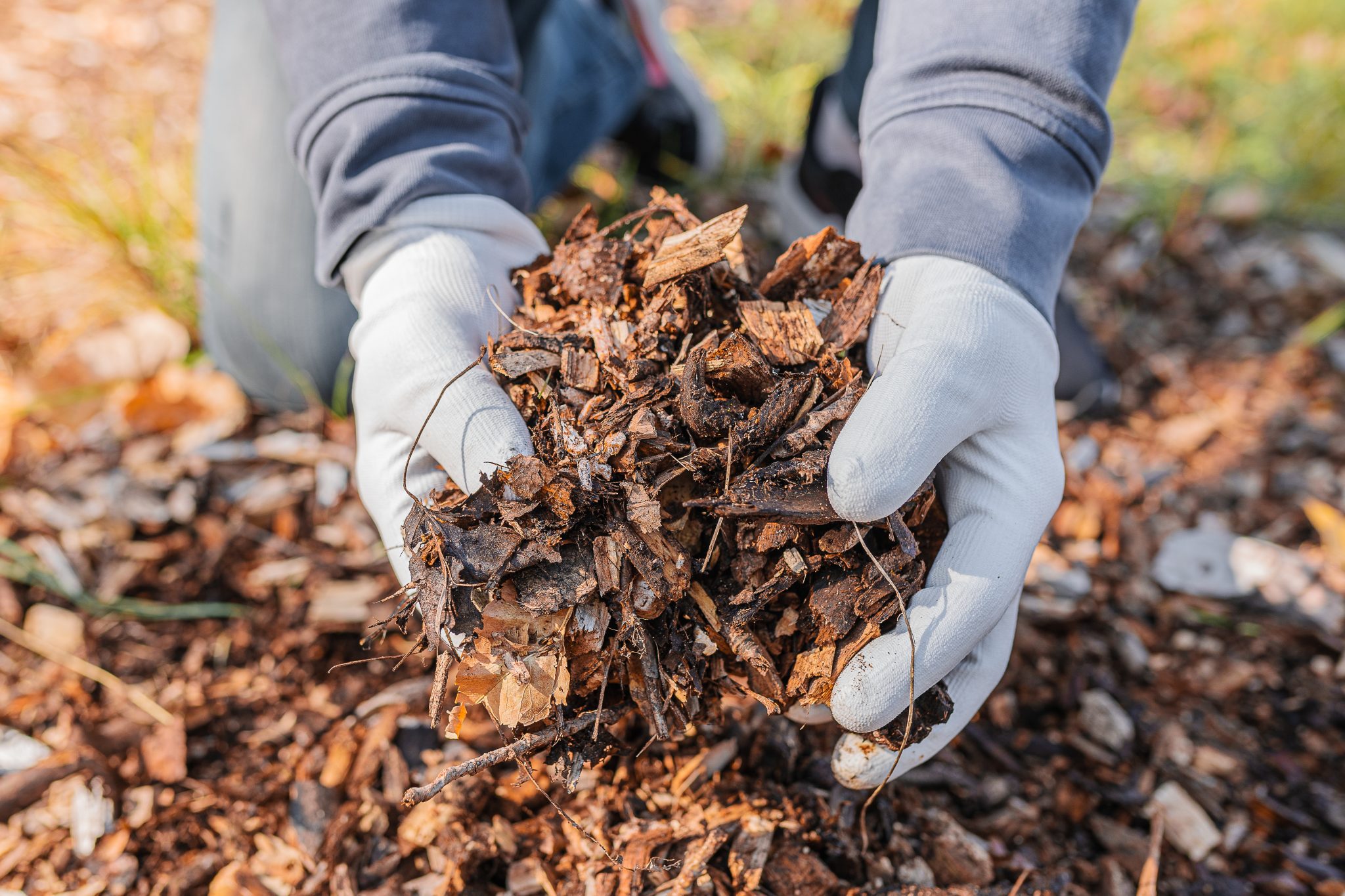
Considering the factors influencing mulch longevity, understanding the benefits of mulch replacement becomes imperative for maintaining a healthy garden ecosystem. Regularly replacing old mulch plays a vital role in moisture retention, especially in arid regions like Texas, where water conservation is crucial for plant health.
By refreshing the mulch layer, you can prevent weed growth, saving you time and effort typically spent on weeding tasks. Furthermore, fresh mulch aids in enhancing soil quality by releasing essential nutrients and improving the soil structure, creating a more conducive environment for plant growth. This process is particularly beneficial for plants in sandy or clay soils that may lack adequate nutrients.
Additionally, mulch replacement helps regulate soil temperature, ensuring optimal conditions for your garden to flourish. In summary, the benefits of mulch replacement extend beyond aesthetic appeal, impacting moisture levels, weed control, and soil health, all of which are vital for a thriving garden ecosystem.
Spring Vs. Fall Mulch Replacement
When deciding between spring and fall mulch replacement, consider the timing and seasonal needs of your plants. Spring replacement readies plants for growth and is best done in mid to late spring under dry, warm conditions.
Fall replacement protects against winter elements and is recommended in late fall to maintain plant health and prevent heaving.
Timing for Mulch Replacement
For optimal plant health and protection, it’s crucial to understand the distinct advantages of replacing mulch in spring versus fall. When considering the timing for mulch replacement, it’s essential to take into account the specific benefits each season offers. Here are some key points to consider:
- Spring Mulch Replacement:
- Best time to apply: Mid to late spring or early May.
- Ideal for dry, warm conditions.
- Helps prepare plants for the growing season.
- Ensures continuous plant protection.
- Enhances overall garden aesthetics.
Spring mulch replacement provides plants with the necessary protection and nutrients as they enter their active growth phase.
On the other hand, fall mulching, done in late fall, serves to shield plants from harsh winter conditions and prevents soil heaving.
Seasonal Considerations
Optimizing plant health and protection involves strategic timing for mulch replacement between spring and fall, each offering unique benefits for your garden’s well-being.
In spring, replacing mulch prepares your garden for the upcoming growing season. This timing allows for the soil to warm up and provides a fresh layer of protection and nutrients for your plants as they start to thrive. Late spring, when the soil is dry and warm, is particularly suitable for this task.
On the other hand, fall mulch replacement is geared towards shielding your plants from the harsh winter conditions. Late fall is the ideal timing for this, ensuring that your plants are well-insulated and protected during the colder months.
Old Mulch Removal
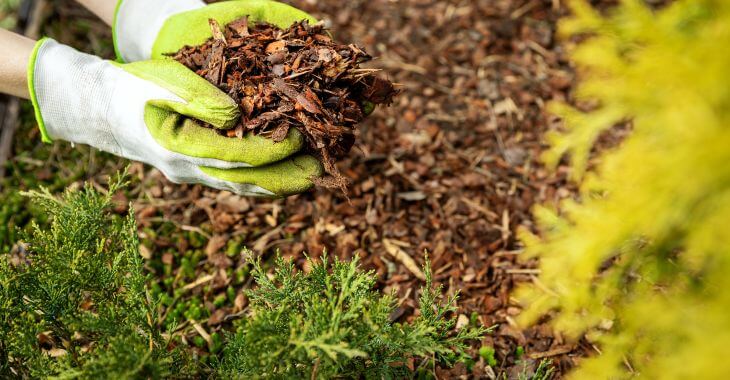
To maintain the health of your garden and ensure optimal plant growth, it’s crucial to properly remove old mulch. Here are some key steps to consider when clearing old mulch:
- Rake and Remove: Use a rake to loosen and remove decomposed mulch, as it can become compacted and hinder water penetration, leading to issues like root rot.
- Prevent Suffocation: Clearing old mulch prevents it from suffocating plants by allowing better air circulation around the roots.
- Prepare for Fresh Mulch: Removing old mulch creates a clean slate for applying fresh mulch, maximizing its benefits for your plants.
- Disease Prevention: Proper removal of old mulch helps prevent the spread of diseases that may have developed in the decomposing material.
- Aesthetic Appeal: Keeping your garden free of old mulch maintains its visual appeal and reduces the likelihood of weed growth in the area.
Mulch Application Tips
Clearing old mulch sets the foundation for implementing effective mulch application tips that promote plant health and garden aesthetics.
To ensure proper coverage and weed prevention, weed and level the soil surface before mulching.
For optimal benefits throughout the growing season, apply mulch every early spring after planting.
Use a rake or your hands to spread mulch evenly across the soil surface, aiming for a depth of 3 to 4 inches. This depth provides adequate insulation and weed suppression.
When mulching around trees, remember to leave space at the base. This practice prevents the formation of mulch volcanoes, which can harm tree health.
Long-Lasting Mulch Choices
Selecting long-lasting mulch is essential for minimizing maintenance and maximizing the durability of your garden landscape. When choosing mulch that will stand the test of time, consider options like cedar mulch and inorganic mulches.
Cedar mulch, with a lifespan ranging from 4 to 7 years, provides a natural aesthetic while lasting longer than many organic alternatives. Inorganic mulches, such as rocks, offer even greater longevity compared to organic options, reducing the frequency of replacement and maintenance tasks.
Factors like soil drainage also play a significant role in preserving mulch integrity over time. Well-draining soils like sandy or loamy soil types can support the longevity of mulch by preventing waterlogging and decay.
Additionally, stone or rubber mulches, though pricier initially, serve as durable choices that require less frequent replacements, ultimately saving you time and effort in maintaining your garden landscape.
Mulch Budget Considerations
For those aiming to maintain a budget while still ensuring effective mulching, examining various mulch budget considerations becomes imperative. When looking at mulch materials, seeking free sources such as city disposal or grass clippings can help keep costs down.
Stone or rubber mulches, although pricier initially, are long-term investments that can be more cost-effective over time due to their durability. Higher budgets allow for the purchase of durable mulch options that reduce maintenance efforts in the long run.
It’s essential to consider the environmental impact of mulch materials when working within budget constraints, as opting for sustainable choices can benefit both your wallet and the planet. By assessing budget limitations carefully, you can determine the most cost-effective and sustainable mulch option that aligns with your landscaping needs.
Conclusion
In conclusion, knowing when to change old mulch is crucial for maintaining a healthy and visually appealing landscape. Look for signs such as faded color, weeds, and sinking mulch to determine when it’s time for a replacement.
By choosing long-lasting mulch options and following proper application techniques, you can enhance your curb appeal and save money in the long run. Keep these tips in mind for optimal mulch maintenance.