

When tackling plant removal, consider rototilling for large areas, sod cutters for grassy sections, and hand tools for precision work. Rototilling breaks up soil efficiently, while sod cutters swiftly remove grass. Hand tools offer control and work best in moist soil. Solarization with clear plastic sterilizes weeds, while smothering techniques suppress growth. Hand pulling is ideal for shallow-rooted weeds. Herbicides, when used cautiously, target specific plants. Each method caters to different plant types and sizes.
Benefits of Rototilling

When preparing a large area for planting, rototilling proves to be a highly effective method for loosening the topsoil and facilitating optimal growing conditions. By using a rototiller, you can break up compacted soil, allowing plant roots to penetrate easily and access essential nutrients.
One significant advantage of rototilling is its ability to bring weed seeds to the surface, making it simpler to remove unwanted plants before planting your desired vegetation. This process helps in reducing weed competition, giving your plants a better chance to thrive.
To achieve the best results, consider making multiple passes with the rototiller at varying depths. This method ensures that the soil is thoroughly turned and aerated, creating a healthy environment for your plants to grow.
Additionally, after rototilling, raking the area can help level the soil and remove debris, further enhancing the conditions for successful planting. Remember, the timing of rototilling is crucial and should be based on the existing seed base in the soil to prevent weed growth and promote plant health.
Utilizing Sod Cutters
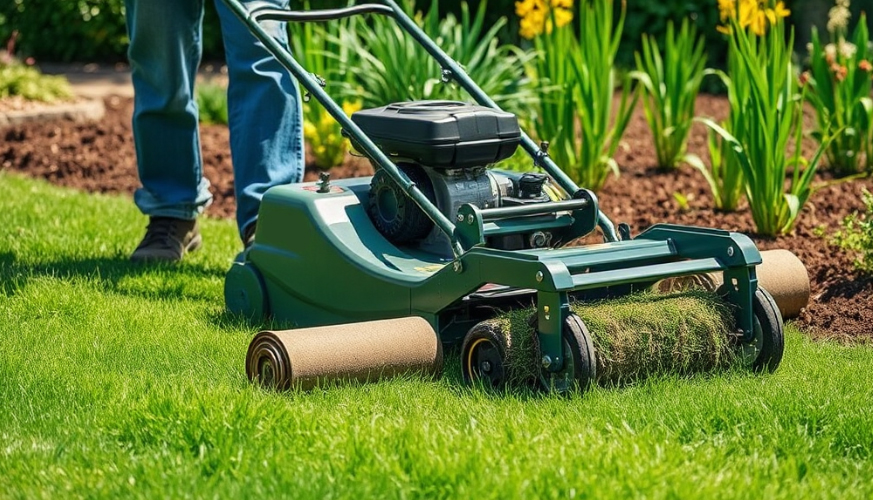
To efficiently remove large sections of grass like a carpet, sod cutters prove to be highly effective tools requiring moderate physical effort. These machines are designed to swiftly cut through the roots and soil, allowing you to lift and roll up the unwanted plants with ease.
Before operating a sod cutter, make sure to water the area thoroughly to soften the soil and then divide the lawn into manageable sections for smoother removal. After cutting the grass, use a wheelbarrow to transport the sod strips and a rake to loosen the soil, preparing the area for replanting.
It’s crucial to carefully follow the instructions provided with the machine and wear appropriate protective gear while working with sod cutters to ensure a safe and effective process. By using sod cutters correctly, you can efficiently clear out unwanted grass and weeds, making way for new plants or landscaping projects.
Effectiveness of Hand Tools

Hand tools are essential for effectively removing plants of varying sizes and root structures, providing precision and control in your gardening tasks. For small plants with taproots, tools like the dandelion/forked weeder and the hori-hori soil knife are ideal choices. These tools allow you to target the root system accurately, ensuring complete removal.
When dealing with larger plants with sturdy stalks, tools such as digging bars and garden forks offer the strength needed to uproot them effectively.
It’s crucial to match the hand tool to the specific plant species you’re dealing with. For plants with tough stalks, using linemans pliers can make the removal process smoother. For shrubs, employing a weed wrench can simplify the task, while woody weeds can be tackled using a chain and winch.
Remember that working in moist soil conditions is optimal for hand tool use, especially when removing annual or biennial weeds. By selecting the right hand tools and techniques for the job, you can make plant removal a more manageable and efficient process.
Solarization for Weed Removal

Implementing solarization as a weed removal method involves covering the soil with clear plastic to harness heat for eradicating weeds, seeds, and pathogens effectively. This eco-friendly technique utilizes the sun’s energy to sterilize the soil and control weed growth without the need for chemicals or pesticides.
To ensure successful solarization, it’s crucial to prepare the soil adequately by clearing debris and watering the area before laying down the plastic. The process typically spans 4-6 weeks, ideally during the hottest part of the year, to maximize heat absorption and weed elimination. The success of solarization hinges on various factors such as the intensity of sunlight, soil moisture levels, and the duration of plastic coverage.
Understanding Smothering Techniques

To effectively smother unwanted plants, consider using mulch or plastic sheeting to block out sunlight and suppress growth. Mulch can be a natural choice that also adds nutrients to the soil as it breaks down, while plastic sheeting provides a more impermeable barrier.
These techniques are non-toxic and can be particularly useful for long-term weed control and soil improvement.
Smothering With Mulch
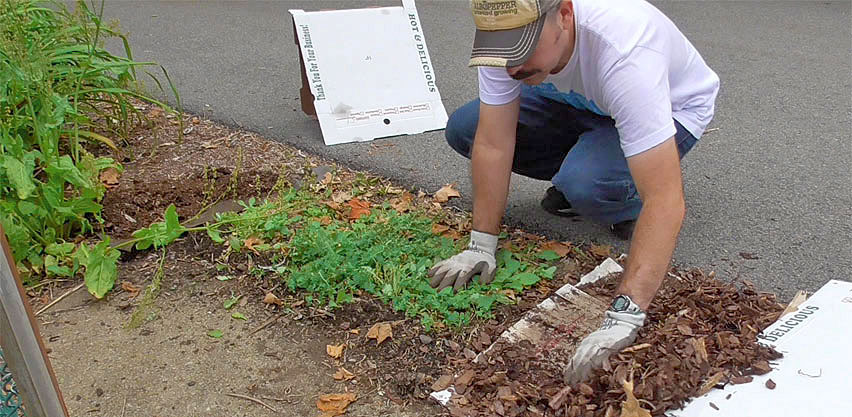
Utilizing smothering techniques with mulch involves strategically covering the soil with a dense layer of organic material to effectively suppress weed growth. By applying a thick blanket of mulch such as wood chips or straw, you can block sunlight from reaching weed seeds, inhibiting their germination and growth. This method not only keeps weeds at bay but also helps retain soil moisture, enhance soil health, and lessen the need for frequent weeding.
Whether you’re dealing with a large garden or a small flower bed, smothering with mulch is a natural and eco-friendly way to control weeds. Regularly replenishing the mulch layer is crucial to ensure its continued effectiveness in suppressing weeds over time.
Plastic Sheeting Method
For effective weed control without the use of chemicals, consider employing the plastic sheeting method, a smothering technique that blocks sunlight and oxygen to eliminate unwanted plants.
Plastic sheeting is a highly effective way to kill weeds and other vegetation by depriving them of essential resources. By covering the area with heavy-duty plastic, you create a barrier that prevents sunlight from reaching the plants below, hindering their ability to photosynthesize and survive. This lack of sunlight and oxygen eventually causes the plants to wither and die off.
One of the advantages of using plastic sheeting for smothering is its non-toxic nature, making it an environmentally friendly option for vegetation control. This method is particularly useful when preparing a planting area, as it clears the space of existing plants, providing a clean canvas for new growth.
Remember to leave the plastic in place for several weeks to several months for optimal results.
Pros of Hand Pulling

Hand pulling proves to be an effective method for removing small, shallow-rooted weeds, such as dandelions and annual plants. By manually uprooting these weeds, you not only eliminate the visible parts but also prevent the spread of weed seeds and reduce the chances of regrowth. This method is environmentally friendly as it avoids the use of chemicals, making it a safe option for both your plants and the ecosystem. Additionally, hand pulling allows for precise targeting, making it ideal for maintaining the aesthetics of your garden or landscape. Moreover, it is a cost-effective and sustainable approach, particularly suitable for smaller areas where other methods may not be as practical.
| Pros of Hand Pulling | |
|---|---|
| Prevents seed spread | Environmentally friendly |
| Minimizes regrowth | Cost-effective |
Using Herbicides Safely
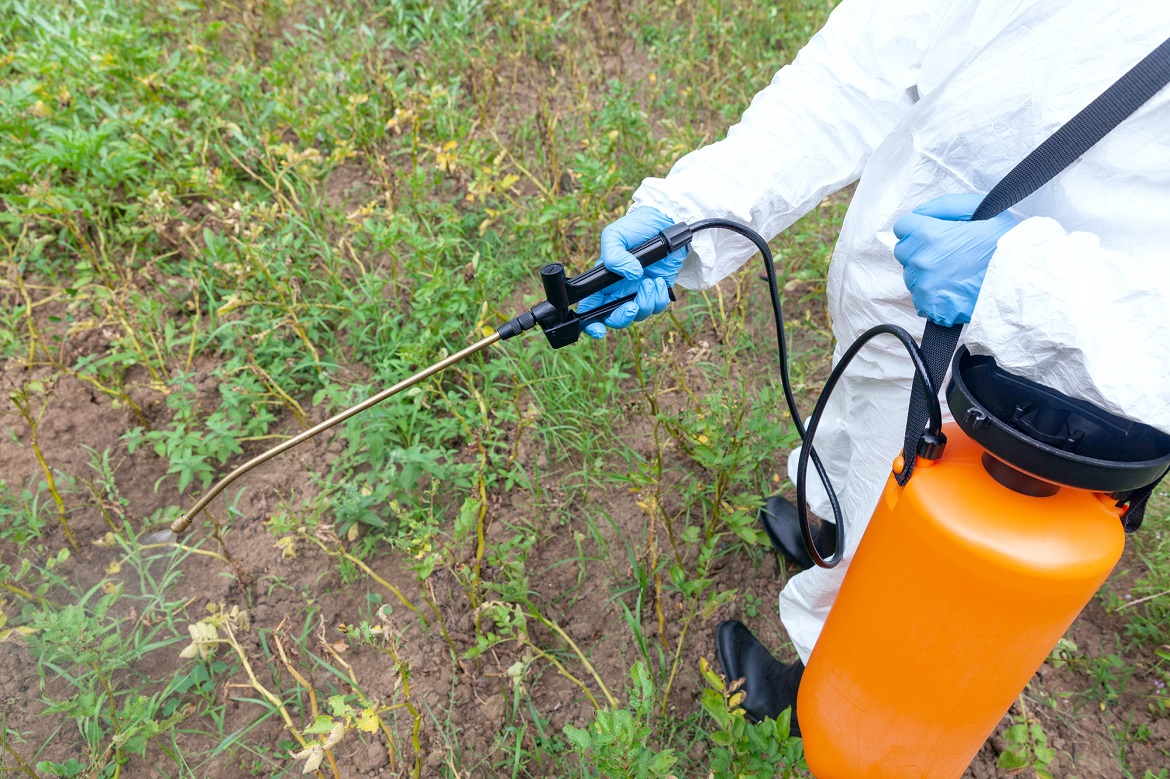
When using herbicides safely, always adhere to the label instructions meticulously to ensure proper application.
Remember to equip yourself with protective gear such as gloves, goggles, and long sleeves to prevent exposure.
Consider the environmental impact by selecting herbicides tailored to the target plant species and being mindful of factors like wind direction and water sources.
Herbicide Application Techniques
To ensure safe and effective herbicide application techniques, always carefully adhere to the label instructions provided with the product. When using herbicides, consider spot treatments for precise application on weeds while minimizing herbicide use in the environment.
Remember to rotate herbicides with different modes of action to prevent weed resistance and enhance long-term effectiveness. It’s essential to use protective gear such as gloves, goggles, and masks when handling herbicides to prevent skin contact and inhalation.
Apply herbicides on calm days to prevent drift and unintended damage to non-target plants.
- Follow Label Instructions: Always read and follow the instructions on the herbicide label for proper application.
- Spot Treatments: Opt for spot treatments to target weeds directly, reducing the impact on surrounding plants.
- Rotation of Herbicides: Rotate between herbicides with different modes of action to maintain effectiveness.
- Protective Gear: Wear appropriate protective gear like gloves, goggles, and masks to ensure personal safety during application.
Safety Precautions for Herbicides
For safe and effective use of herbicides, it’s crucial to prioritize following proper safety precautions to protect yourself and the environment. When handling herbicides, always wear protective gear such as gloves, goggles, and a mask to prevent skin and eye irritation, as well as inhalation of harmful chemicals. It’s essential to follow the manufacturer’s instructions diligently, including dilution ratios, application methods, and safety precautions, to ensure the safe and effective use of herbicides.
Furthermore, store herbicides in their original containers in a secure, dry, and well-ventilated area away from children, pets, food, and water sources to prevent accidental poisoning or environmental contamination. Avoid applying herbicides on windy days to prevent drift onto non-target plants, water bodies, or neighboring properties, which can cause unintended damage or harm.
Lastly, remember to properly dispose of empty herbicide containers according to local regulations or recycling guidelines to prevent environmental pollution and contamination of soil and water sources.
Environmental Impact Considerations
Minimizing environmental impact when using herbicides safely requires precise application techniques, strategic timing, and proper dosage considerations.
When dealing with invasive plants, it’s crucial to employ selective herbicides that target specific species, reducing harm to non-target plants and wildlife.
Here are key considerations for using herbicides safely:
- Targeted Application: Direct herbicide application only on the invasive plants to prevent unintentional damage to surrounding vegetation.
- Timing: Apply herbicides during optimal growth stages of the invasive plants to maximize effectiveness and minimize environmental impact.
- Dosage Control: Follow recommended dosage rates to ensure effective control of invasive species while minimizing excess usage that could harm the environment.
- Compliance: Adhere to label instructions and regulations to prevent contamination of water sources and protect ecosystems from negative herbicide effects.
Advantages of Mowing

Mowing provides a practical solution for controlling invasive plant species by preventing seed production and promoting desired plant growth in meadows and fields. By cutting invasive plants before they’ve a chance to produce seeds, mowing effectively limits their spread and helps maintain the biodiversity of the ecosystem.
Regular mowing not only prevents the establishment of woody plants and shrubs but also serves as a maintenance strategy to manage plant populations. Spot-mowing after flowering but before seed set can be particularly effective in controlling the spread of unwanted plants without impacting desired species. This targeted approach allows for the selective management of invasive plants while encouraging the growth of native vegetation.
Moreover, mowing is a convenient method for managing large areas affected by invasive species, reducing their impact on the surrounding environment. By implementing a consistent mowing schedule, you can effectively control invasive plants and create space for the growth of beneficial plant species, contributing to the overall health and stability of the ecosystem.
Cut and Daub Method Explained
Exploring an effective technique for managing invasive plants, the cut and daub method involves cutting above-ground vegetation and promptly applying herbicide to the cut stump. This method is particularly useful for controlling invasive plants on steep slopes where other methods may not be practical.
Here are some key points to consider:
- Erosion Control: By removing vegetation and preventing regrowth, cut and daub minimizes the risk of erosion in areas with invasive plant infestations.
- Timing: To be effective, the cut and daub method should be applied after the plants have bolted but before they seed, ensuring maximum impact on the invasive species.
- Targeted Approach: This method focuses on treating individual plants, making it an ideal choice for managing small to moderate infestations of invasive species.
- Efficiency: The immediate application of herbicide to the cut stump ensures that the invasive plant is effectively targeted, reducing the chances of regrowth and spread.
No-Till Sheet Mulching Benefits
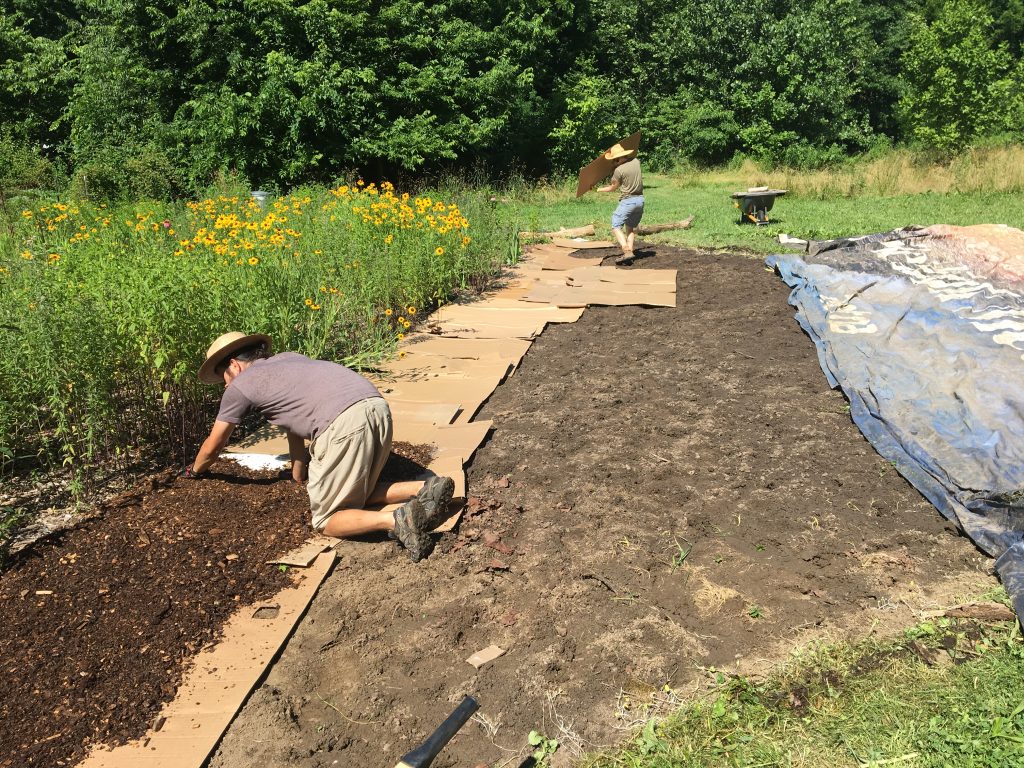
No-till sheet mulching offers you a practical way to suppress weeds naturally while simultaneously enhancing the health of your soil.
By layering organic materials without disturbing the earth, this method promotes beneficial microbial activity and nutrient retention.
Embracing this technique can lead to improved plant growth and reduced maintenance in your garden or landscape.
Weed Suppression Techniques
Implementing effective weed suppression techniques like sheet mulching can significantly benefit your gardening efforts by reducing the need for herbicides and promoting soil health. No-till sheet mulching is a practical and sustainable approach to prevent weeds while enhancing your garden’s ecosystem.
Here are some key points to consider:
- Natural Weed Control: By smothering weeds under layers of cardboard and organic materials, sheet mulching creates a barrier that inhibits weed growth.
- Soil Health Promotion: This method promotes soil health by preserving soil structure, moisture retention, and fostering beneficial soil organisms.
- Reduction of Herbicide Usage: With no-till sheet mulching, you can minimize or eliminate the need for chemical herbicides, reducing environmental impact.
- Labor Efficiency: This technique saves time and effort by providing long-term weed suppression, making it ideal for areas with challenging weeding conditions.
Soil Health Improvement
Enhancing soil health through the practice of no-till sheet mulching involves building organic layers, promoting beneficial microbial activity, and creating a nutrient-rich environment for plants.
By layering organic materials such as cardboard, compost, and mulch, you can improve soil health significantly. This method not only enriches the soil but also helps in retaining moisture, suppressing weed growth, and reducing soil erosion.
The organic layers break down over time, adding valuable nutrients to the soil and enhancing its structure. Additionally, by eliminating the need for tilling, sheet mulching preserves soil integrity and minimizes disruption to the ecosystem.
This eco-friendly approach is particularly beneficial for revitalizing poor soil conditions, promoting biodiversity, and supporting healthy plant growth in various settings like meadows, gardens, and landscaping projects.
Embracing no-till sheet mulching can lead to long-term soil health improvement, making it a sustainable choice for cultivating thriving plant environments.
Benefits of Meadowscaping
:max_bytes(150000):strip_icc()/flower-garden-ideas-4174111-10-5a88fc3c907e45b89fcdd0fbc086b51a.jpg)
Utilizing meadowscaping in your outdoor spaces can significantly enhance biodiversity while offering a natural and low-maintenance landscape solution. By incorporating native species into your meadowscaping design, you not only support the local ecosystem but also provide habitats for essential pollinators, birds, and other wildlife.
Here are a few benefits of meadowscaping to consider:
- Reduce Weeds: Native meadow plants compete effectively with weeds, naturally suppressing their growth and reducing the need for chemical herbicides.
- Time and Energy Savings: Meadowscaping eliminates the need for frequent mowing, saving you time, energy, and resources in the long run.
- Water and Resource Efficiency: Native plants are adapted to local conditions, requiring less water and fertilizers compared to non-native species, promoting a more sustainable landscape.
- Soil Health Promotion: Meadowscaping practices encourage healthy soil by reducing erosion, enhancing nutrient cycling, and fostering a balanced ecosystem underground.
Incorporating meadowscaping into your outdoor spaces not only benefits the environment but also offers a beautiful and functional landscape that requires minimal upkeep.
Preventing Weed Regrowth
To prevent weed regrowth effectively, mulch the treated areas to inhibit new growth, ensuring thorough coverage for optimal control.
Properly dispose of plant material to prevent the spread of seeds and potential regrowth, eliminating any chance of further infestation.
Consider applying herbicides with care, following recommended guidelines for successful eradication without harming surrounding vegetation.
Mulching for Weed Control

Mulching is an effective method for preventing weed regrowth by creating a barrier that suppresses weed germination. Organic mulches like wood chips, straw, or shredded leaves can be used to cover soil and inhibit weed growth.
Here are some key points to consider:
- Soil Health: Mulching helps retain soil moisture, regulate soil temperature, and improve soil structure, creating a healthier environment for desired plants to thrive while minimizing weed growth.
- Weed Suppression: Applying a layer of mulch 2-4 inches thick can smother existing weeds by blocking sunlight and air, preventing them from photosynthesizing and regrowing. This also inhibits new weed seeds from sprouting in the soil.
- Sustainability: Mulching is a sustainable and environmentally friendly weed control method that reduces the need for chemical herbicides, promoting a more natural approach to gardening and landscaping maintenance.
- Long-Term Benefits: By incorporating mulching into your gardening routine, you can enjoy a weed-free garden or landscape with improved soil quality and plant health over time.
Proper Plant Disposal
Dispose of pulled plants properly to prevent weed regrowth and maintain a pristine garden or landscape. When disposing of plant material, it’s crucial to keep it away from compost piles to avoid the risk of seeds or root fragments regenerating.
One effective method is to submerge the pulled plants in water for decomposition, ensuring they don’t reestablish themselves in your garden. Proper plant disposal involves taking precautions to prevent any plant material from spreading or regrowing, safeguarding the cleanliness of your outdoor space.
To further prevent unintentional spread, refrain from composting invasive or persistent plants. Instead, consider disposing of them through municipal green waste collection or other suitable waste management services. By implementing these practices, you contribute to maintaining a weed-free environment and preserving the aesthetic appeal of your garden or landscape.
Herbicide Application Tips
Implementing strategic herbicide applications is key to effectively preventing weed regrowth in your garden or landscape. To ensure success, consider the following herbicide application tips:
- Timing is Crucial: Apply herbicides during early growth stages of weeds to halt regrowth effectively.
- Know the Residual Effects: Understanding how long a herbicide remains active in the soil helps in planning follow-up applications to prevent regrowth.
- Choose Systemic Herbicides: Opt for herbicides with systemic action to target weed roots, decreasing the likelihood of regrowth.
- Calibrate Equipment Properly: Accurate calibration of herbicide equipment ensures precise application rates, maximizing effectiveness against regrowth.
Organic Weed Removal Methods
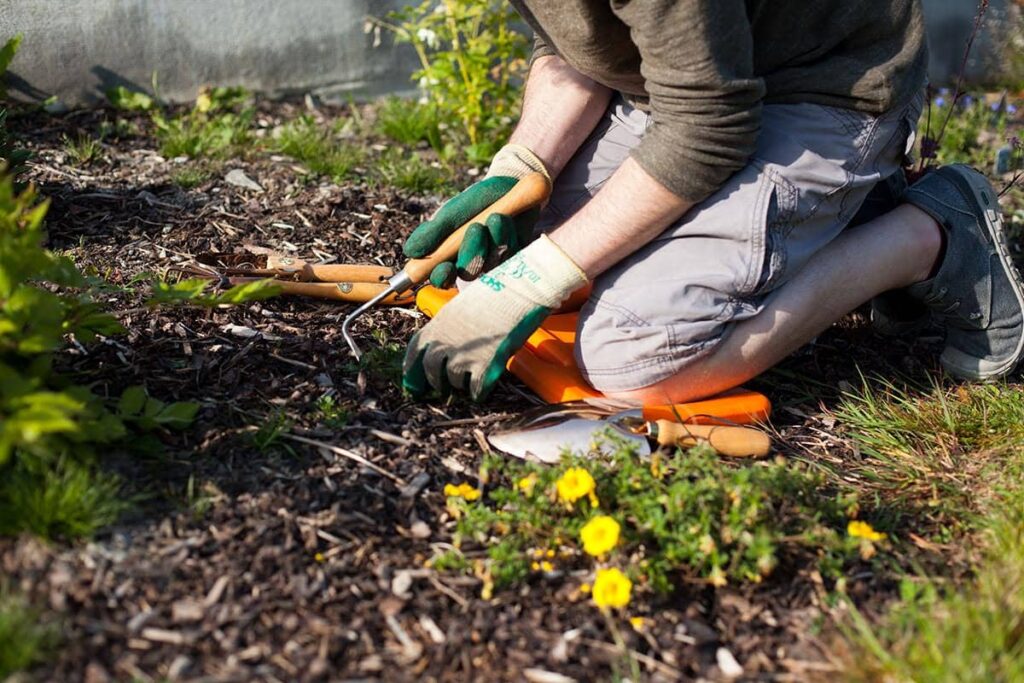
To effectively control weeds in your garden or landscape without using chemical herbicides, consider utilizing organic weed removal methods such as vinegar mixtures, salt solutions, and hand pulling techniques. Organic weed removal methods are environmentally friendly alternatives to chemical herbicides. Vinegar mixtures can be sprayed on unwanted plants on dry, hot days for effective weed control. Salt and water mixtures dehydrate plants to prevent growth, ideal for use on stone pathways and in between pavers. Manual weeding is a traditional yet effective way to control weeds without the use of chemicals.
| Organic Weed Removal Methods | Description | Best Use |
|---|---|---|
| Vinegar Mixtures | Spray on dry, hot days for effective weed control | Flower beds, garden paths, driveway cracks |
| Salt Solutions | Dehydrate plants to prevent growth | Stone pathways, in between pavers, sidewalk cracks |
| Hand Pulling Techniques | Manual weeding for precise control | Around delicate plants, small garden areas, vegetable beds |
Eco-Friendly Plant Removal Techniques
Eco-friendly plant removal techniques involve utilizing manual methods such as hand pulling, cutting, and digging to eliminate plants without the use of chemicals. These methods are particularly effective for tackling invasive species while minimizing harm to the environment.
Here are some key points to consider when employing eco-friendly plant removal techniques:
- Precision is Key: Hand pulling allows you to target specific plants without affecting surrounding vegetation.
- Root Removal: Digging ensures that the entire root system is extracted, preventing regrowth.
- Regular Monitoring: Consistent hand pulling can help prevent invasive species from spreading and establishing.
- Composting: Instead of disposing of removed plants, consider composting them to enrich the soil and reduce waste.
Landscaping With Ground Cover
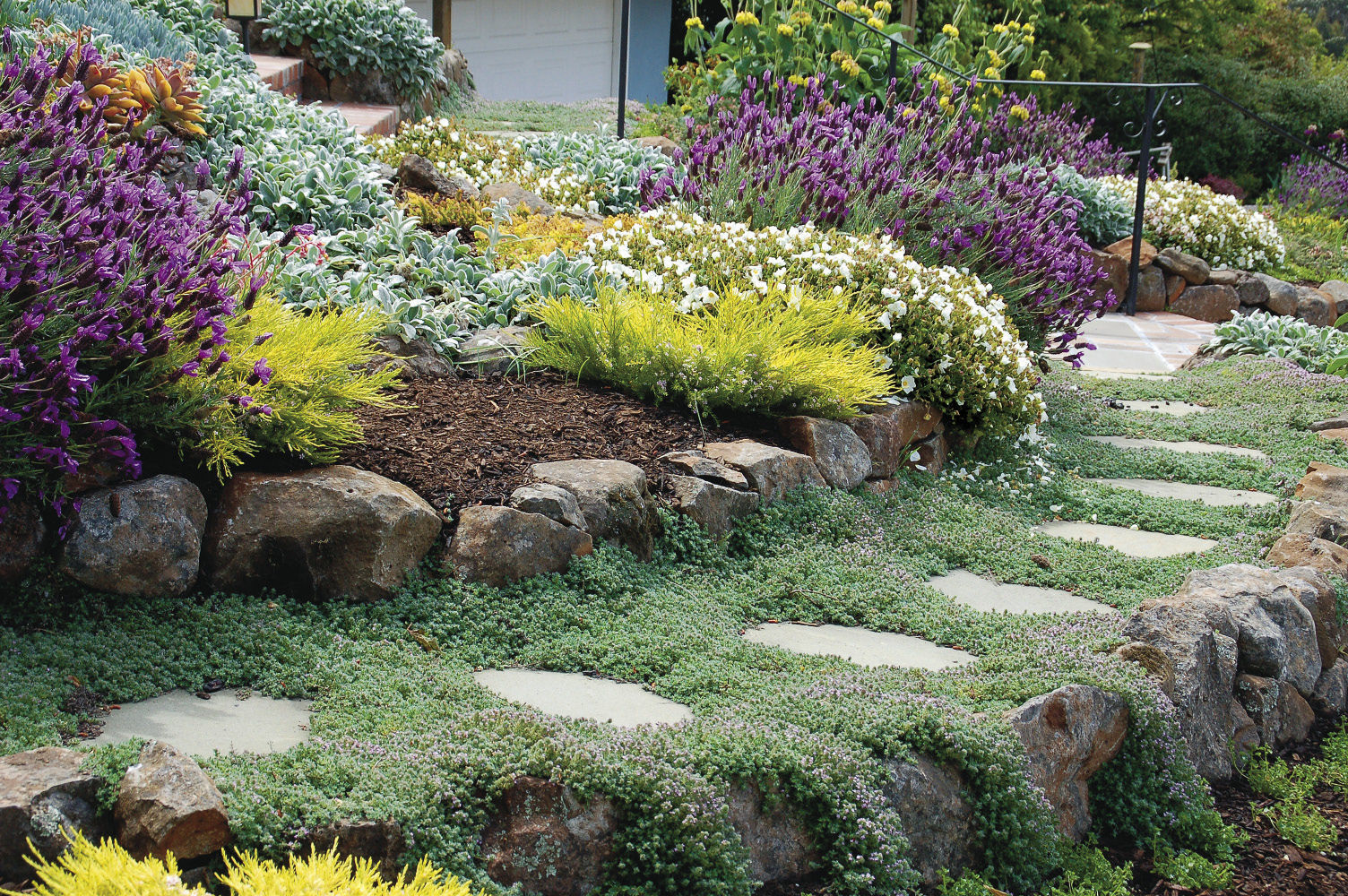
When considering landscaping with ground cover, explore how these low-growing plants can enhance your outdoor space by providing visual interest, soil insulation, and reduced maintenance needs.
Ground cover plants serve as a practical solution for covering large areas, reducing soil erosion, and suppressing weed growth.
In landscaping, these plants offer a variety of species to choose from, including creeping thyme, sedum, vinca minor, and ajuga, each with unique characteristics and benefits. They thrive in areas where grass may struggle to grow, such as under trees, on slopes, or in shady spots.
To successfully incorporate ground cover into your landscaping, consider factors like soil type, sun exposure, water requirements, and desired aesthetic appeal. By carefully selecting and planting ground cover, you can create a visually appealing outdoor space that’s both environmentally friendly and low-maintenance, making it a practical landscaping choice for various areas in your yard.
Conclusion
In conclusion, there are several effective methods for removing plants of all sizes from your garden or landscape.
From using rototillers and sod cutters to hand tools and eco-friendly techniques like solarization and smothering, you have a range of options to choose from.
By understanding the benefits of each method and taking preventive measures against regrowth, you can successfully clear unwanted vegetation and create a healthy, weed-free environment for your plants to thrive.