

If your snake plant leaves are narrow, it’s likely due to insufficient light exposure stunting their growth. To fix this, ensure your plant gets 6-8 hours of sunlight daily or use grow lights. Rotate your plant for even sun exposure and prune for fuller foliage. Well-draining soil and balanced fertilizer also aid in healthy leaf development. Monitoring root health is crucial. By adjusting light levels and taking these steps, you can promote wider leaves over time. Additional care tips can further enhance your plant’s appearance and long-term health.
Inadequate Light Exposure
![HELP] How can I revive this sad, droopy Snake Plant I rescued ?!? : r/houseplants](https://i.redd.it/uqll2dtk5olz.jpg)
Insufficient light exposure can lead to narrow leaves on snake plants, affecting their growth and overall health. Snake plants, scientifically known as Sansevieria trifasciata, require a moderate amount of light to maintain their characteristic wide, sturdy leaves. When deprived of adequate light, the leaves may become narrower as a result of the plant’s attempt to maximize light absorption for photosynthesis. This phenomenon alters the plant’s appearance and can hinder its overall development.
To address narrow leaves caused by insufficient light exposure, consider relocating your snake plant to a brighter spot. South-facing rooms are typically optimal as they receive ample sunlight, which is crucial for promoting healthy leaf growth.
If natural light is limited, supplementing with artificial light sources can also help maintain the plant’s vigor and prevent further narrowing of the leaves. By adjusting the plant’s positioning or providing additional light, you can ensure that your snake plant thrives and retains its natural characteristics in accordance with its Privacy Policy.
Excessive Direct Sunlight

Excessive direct sunlight can lead to snake plant leaves becoming narrow and skinny, resulting from the stress induced by intense light exposure. Snake plants, thriving in indirect light, can suffer when subjected to too much direct sunlight, causing their leaves to appear thin.
Rooms facing south with strong sunlight can contribute to this issue if the plants aren’t adequately shielded or relocated to a more suitable area. To address narrow leaves caused by excessive direct sunlight, consider moving the plant to a spot with filtered light or adjusting the amount of sun exposure it receives.
Monitoring the plant’s reactions to light conditions is crucial in promoting healthier, fuller leaves. By being attentive to indoor conditions and light intensity, you can help maintain optimal plant health and prevent stress-induced growth patterns resulting from excessive sunlight exposure.
Adjusting Light Levels
To optimize the health and growth of snake plant leaves, adjusting light levels is essential in maintaining their natural width and promoting healthy development.
Light intensity plays a crucial role in ensuring the snake plant receives an adequate amount of sunlight for photosynthesis. Insufficient light exposure can lead to narrow leaves, indicating the need for adjustments.
Consider the light duration as well; snake plants typically thrive with about 6-8 hours of sunlight each day. If natural light is limited, supplementing with artificial grow lights can provide the necessary light sources for optimal growth.
Position the plant in a brighter location, especially south-facing rooms, to prevent leaf narrowing and encourage wider, healthier leaves.

Rotating for Even Growth
Regularly rotating your snake plant is crucial for promoting even growth and ensuring all sides receive adequate light. Lack of rotation can lead to leaves leaning towards the light source, resulting in uneven growth patterns. By rotating the plant every few weeks, you can prevent one-sided growth and encourage a balanced appearance, enhancing the visual appeal of your snake plant.
The consistent rotation of your plant will provide even light exposure, which is essential for the development of healthier and more symmetrical leaves. This practice not only maintains the overall appearance of your snake plant but also contributes to its long-term health. Ensuring that each side receives an equal amount of sunlight through consistent rotation is a simple yet effective way to promote balanced growth, resulting in a more aesthetically pleasing and thriving plant.
Make rotating your snake plant a regular part of your care routine to achieve optimal growth and visual appeal.
Pruning for Fuller Foliage
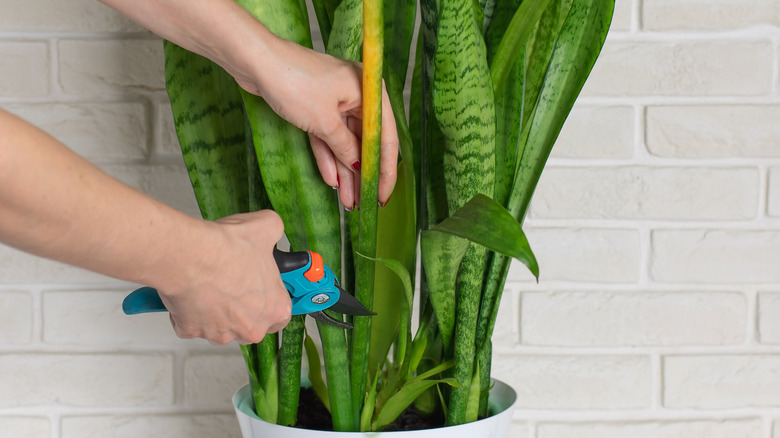
When pruning your snake plant, focus on removing any dead or damaged leaves to stimulate new growth and achieve a fuller foliage appearance. Pruning benefits the plant by encouraging new growth to replace the removed leaves, leading to a denser and healthier look. Trimming back overgrown or leggy leaves can prompt the plant to produce fresh, more robust foliage, enhancing the overall aesthetic appeal of your snake plant. Cutting off brown or yellowing leaves redirects the plant’s energy towards developing new, wider leaves, aiding in maintaining a vibrant and lush appearance. To ensure successful pruning, use clean, sharp scissors or pruning shears to prevent unnecessary harm to the plant. Regularly removing older leaves is a key foliage maintenance strategy that not only keeps your snake plant looking its best but also contributes to its long-term health and vitality.
| Pruning Benefits | New Growth Stimulation | Foliage Maintenance Strategies |
|---|---|---|
| Encourages new growth | Promotes healthier foliage | Removes dead or damaged leaves |
| Enhances plant appearance | Stimulates denser foliage | Trims overgrown or leggy leaves |
| Redirects energy for growth | Increases overall plant vitality | Maintains plant health |
Monitoring Growth Patterns

Monitoring the growth patterns of your snake plant allows you to track changes in leaf width over time. By conducting growth trends analysis, you can observe any variations in leaf width and identify potential issues affecting your plant.
It’s crucial to keep a close eye on the development of new leaves to ensure they’re growing to their full potential. Note any inconsistencies in leaf width to pinpoint environmental stressors that may be hindering proper growth.
Regularly observing the overall appearance of your snake plant will help you detect patterns or trends in leaf width variations. This monitoring process is essential as it enables you to make informed care routine adjustments.
Tracking these growth patterns allows you to tailor your care routines to promote healthier, wider leaves and address any issues promptly. Stay vigilant in monitoring your snake plant’s growth to ensure its well-being and vitality.
Using Suitable Soil

For optimal growth and leaf development of your snake plant, selecting suitable soil is essential for promoting healthy foliage. The soil composition plays a crucial role in the overall health of your plant, particularly in terms of drainage.
It’s imperative to use well-draining soil to prevent waterlogged conditions that can lead to narrow leaves. A mix of cactus/succulent soil with perlite or sand can aid in maintaining the ideal soil structure for snake plants, ensuring proper aeration for the roots.
Avoid heavy, compacted soils that may restrict root growth and hinder nutrient absorption, ultimately resulting in thin leaves. The soil texture is equally important as it influences aeration and nutrient availability, crucial for healthy leaf development.
Choosing a soil blend that promotes root health and overall plant vigor will support the growth of wider snake plant leaves by facilitating nutrient absorption and maintaining proper soil structure.
Ensuring Proper Watering
To ensure your snake plant’s leaves remain healthy and robust, it’s crucial to pay close attention to its watering needs. Proper watering frequency plays a significant role in maintaining optimal soil moisture levels, preventing issues like narrow leaves.
Adjusting your watering routine based on the plant’s requirements can promote vigorous leaf growth and overall plant vitality.
:strip_icc()/bhg-watering-snake-plant-FiPPwU5NKaBBb77HGMs4V8-99520ead9402475da8d0623f2db0bcaa.jpg)
Watering Frequency
Ensuring proper watering for your snake plant involves allowing the soil to dry out between waterings to prevent issues like root rot and nutrient deficiencies.
Maintaining watering consistency is key to achieving a healthy moisture balance in the soil. Snake plants prefer drying intervals between waterings to mimic their natural habitat conditions.
To determine when your plant needs watering, insert a finger into the soil; water only when the top inch feels dry to the touch. This practice helps prevent waterlogging, ensuring that excess moisture doesn’t accumulate around the roots.
Adequate drainage in the pot and using well-draining soil further aid in maintaining the right moisture levels for your snake plant. Remember to adjust your watering frequency based on seasonal changes; during dormant periods, your snake plant may require less water to prevent issues associated with overwatering.
Soil Moisture Levels
Maintaining optimal soil moisture levels is crucial for the health and vitality of your snake plant leaves. Proper soil moisture is essential for root health, as it directly impacts the plant’s ability to absorb nutrients and water.
To ensure your snake plant thrives, consider the following watering tips: Use a well-draining soil mix to prevent waterlogging, which can lead to root rot and narrow leaves. Allow the soil to dry out completely between waterings to prevent overwatering, as stagnant water can suffocate the roots and hinder nutrient uptake. Additionally, ensure proper moisture control by watering the plant thoroughly but allowing excess water to drain out completely.
To maintain a healthy hydration balance, it’s important to consider the soil composition. A well-aerated soil mix that retains some moisture without becoming waterlogged is ideal for snake plants. Implementing drainage solutions, such as adding perlite or coarse sand to the soil, can help improve moisture control and prevent issues associated with improper soil moisture levels.
Promoting Healthier Leaves
Enhancing the health of your snake plant leaves can be achieved through strategic adjustments in light exposure and regular plant maintenance practices. To promote healthier leaves, consider the following leaf care tips and growth strategies:
:max_bytes(150000):strip_icc()/eight-houseplants-that-thrive-in-low-light-8-0922-2000-39845777816b4f1f8a49b6ef758ef35e.jpg)
- Leaf width enhancement with natural remedies: Adjust the light exposure to ensure your snake plant receives adequate but indirect sunlight for optimal leaf growth.
- Leaf health promotion via DIY solutions: Rotate your plant regularly to promote even light distribution, which can result in healthier and wider leaves.
- Leaf care tips for fuller growth: Prune any dead or damaged leaves to stimulate new growth and encourage the development of fuller and wider leaves.
- Growth strategies through monitoring: Keep track of your plant’s growth patterns to identify any issues early on and address them promptly for overall leaf health.
- Optimizing soil for wider leaves: Use well-draining soil that allows for proper root growth, contributing to wider and healthier leaves on your snake plant.
Addressing Persistent Issues
To troubleshoot narrow leaves on your snake plant, start by evaluating its watering routine and environmental conditions.
Correct any issues by adjusting the watering schedule and addressing factors like drafts or extreme temperatures.
Implement corrective measures promptly to promote healthier, wider leaves and overall plant vitality.

Troubleshooting Leaf Width
Persistent issues with snake plant leaf width can be indicative of underlying environmental stressors or nutrient deficiencies. To troubleshoot and potentially resolve these concerns, consider the following factors:
- Fertilizing routine: Evaluate your current fertilizing schedule to ensure that the plant is receiving adequate nutrients for healthy leaf development.
- Temperature fluctuations: Monitor the temperature around the plant and make adjustments as needed to provide a stable and suitable environment for optimal growth.
- Air circulation benefits: Enhance air circulation around the snake plant to promote better transpiration and nutrient uptake, which can positively impact leaf width.
- Signs of stress: Watch out for signs of stress such as yellowing or browning leaves, which could indicate underlying issues affecting leaf width.
- Professional advice: If troubleshooting efforts prove ineffective, seek guidance from a plant expert to diagnose and address any persistent problems that may be hindering leaf development. Remember, a well-maintained snake plant will exhibit healthy leaf growth over time with proper care.
Implementing Corrective Measures
Consider adjusting the light exposure and regularly rotating your snake plant to address persistent issues related to leaf width. Ensure the plant receives indirect sunlight to promote wider leaf growth and prevent leaning towards a single light source. Pruning back leggy growth can stimulate fuller foliage and potentially wider leaves.
Monitoring growth patterns is crucial to detect signs of stress or nutrient deficiencies affecting leaf width. Use well-draining soil to prevent overwatering, which can lead to root rot and impact leaf development.
Leaf fertilization is essential for providing the necessary nutrients to support healthy leaf growth. Consider a balanced fertilizer specifically formulated for indoor plants to ensure your snake plant receives adequate nourishment.
Maintaining proper temperature control is also vital, as extreme temperatures can stress the plant and affect leaf width. Lastly, effective pest management is crucial to prevent infestations that can weaken the plant and hinder leaf development.
Seeking Professional Advice
When facing challenges with narrow snake plant leaves, one effective strategy is to seek professional advice from a plant specialist or horticulturist. Expert consultation can provide customized solutions tailored to your specific plant care needs.
Professionals will conduct a thorough assessment of your snake plant’s environment and health. They can help determine the root cause of narrow leaves by identifying any underlying issues affecting growth. Specific recommendations may be provided on lighting, watering, soil quality, and other crucial factors for the plant’s well-being.
The advice offered will be personalized, taking into account the individual care requirements of your snake plant. Seeking help from a plant professional can lead to tailored solutions aimed at fostering healthy leaf growth and overall plant vitality.
Maintaining Optimal Health
To maintain optimal health for your snake plant, ensure you water it appropriately by allowing the soil to dry out between waterings.
Adequate sunlight exposure is crucial for healthy growth, so consider placing your plant in a spot where it can receive ample light.
Additionally, using well-draining soil that allows for proper root aeration can help keep your snake plant thriving.
Watering Frequency Tips
Maintaining optimal health for your snake plant involves watering it when the top 1-2 inches of soil are dry, typically every 2-6 weeks depending on environmental conditions.
To ensure your snake plant thrives, consider the following watering frequency tips:
- Watering frequency variations: Adjust the frequency based on the moisture levels in the soil and the humidity of your home.
- Seasonal hydration adjustments: Increase watering during the plant’s active growth period in spring and summer, and reduce it during the plant’s dormant phase in fall and winter.
- Moisture level monitoring: Use a moisture meter or simply stick your finger into the soil to assess dryness before watering.
- Proper drainage: Ensure your pot has drainage holes to prevent waterlogging, which can lead to root rot.
- Room temperature water: Use water at room temperature to avoid shocking the roots and water the soil directly to prevent fungal issues.
Adequate Sunlight Requirements
Proper sunlight exposure is crucial for ensuring the optimal health of your snake plant. Light placement and duration play a vital role in the growth and development of your plant. Snake plants typically thrive in indirect light but can tolerate some direct sunlight.
Insufficient light exposure may result in narrow leaves as the plant tries to maximize light absorption. For the best results, consider placing your snake plant in a south-facing room to provide the optimal balance of light for healthy leaf growth.
Light intensity and growth direction are closely linked, as the plant will adjust its leaf development based on the sun exposure it receives. If you notice narrow leaves due to lack of sunlight, it’s essential to act promptly. To remedy this, consider moving the plant to a brighter location or supplementing with grow lights.
Proper Soil Conditions
Ensuring the health and vitality of your snake plant begins with providing optimal soil conditions. To maintain robust leaf growth and prevent issues like narrow leaves, consider the following:
- Soil Aeration: Use well-draining soil with good aeration to prevent root rot and support healthy root development.
- Fertilizer Application: Supplement the soil with a balanced fertilizer to ensure your snake plant receives essential nutrients for growth.
- Root Health: Monitor the root health of your plant by ensuring the soil is well-draining and not waterlogged to prevent root rot.
- Nutrient Deficiency: Watch for signs of nutrient deficiency such as yellowing leaves, which can indicate the need for fertilization.
- Drainage Improvement: Improve soil drainage by choosing a cactus or succulent mix or adding perlite to regular potting soil to prevent waterlogging and promote healthy root function.
Maintaining proper soil conditions is vital for your snake plant’s overall health and well-being, influencing its growth and leaf width. By focusing on soil aeration, fertilizer application, root health, nutrient levels, and drainage, you can help your snake plant thrive and showcase vibrant, healthy leaves.
Enhancing Plant Appearance
To enhance the appearance of your snake plant, consider rotating it regularly to ensure balanced leaf growth and prevent narrow leaves. By rotating the plant, you promote even light exposure on all sides, encouraging uniform development of the leaves. This practice can help prevent the plant from leaning towards a light source, which may result in narrower leaves on one side.
Additionally, pruning your snake plant can stimulate fuller growth and potentially wider leaves, thereby improving its visual appeal. By carefully monitoring the growth patterns of your plant, you can identify any issues early on and take necessary steps to promote healthier leaf development.
Utilizing well-draining soil is crucial in providing optimal conditions for your snake plant, supporting healthy root growth that can directly influence leaf width and overall aesthetic foliage development. If narrow leaves persist despite adjustments, seeking professional advice can help address any underlying issues affecting the plant’s appearance.
Preventing Further Narrowing
Ensure adequate light exposure for your snake plant to promote wider leaf growth and prevent further narrowing. Adjust the positioning of your plant to receive sufficient but indirect sunlight, as direct exposure can lead to leaf burn.
Here are some tips to prevent further narrowing and promote healthier growth patterns:
- Rotate the Plant: Regularly rotate your snake plant to ensure all sides receive equal light, preventing uneven leaf development.
- Prune Wisely: Use proper pruning techniques to encourage fuller growth, potentially resulting in wider leaves over time.
- Monitor Growth Patterns: Keep a close eye on your plant’s growth patterns to identify any signs of stress or issues affecting leaf width.
- Avoid Overwatering: Ensure you’re using well-draining soil to prevent waterlogged conditions, as overwatering can lead to narrower leaves in snake plants.
- Consider Artificial Lighting: If natural light is limited, supplement with artificial lighting to provide the necessary light exposure for healthy leaf width.
Ensuring Long-Term Leaf Health
To ensure long-term leaf health in your snake plant, focus on perfecting your watering techniques. Providing the right amount of water at the proper intervals prevents issues like root rot, which can lead to narrow leaves.
Additionally, maintaining ideal light conditions and preventing overcrowding around the plant are crucial factors in promoting healthy leaf growth.
Proper Watering Techniques

Properly managing the watering frequency and technique is crucial for maintaining long-term leaf health in snake plants.
To ensure your snake plant’s leaves stay healthy and robust, follow these essential watering tips:
- Watering consistency: Maintain a regular watering schedule to avoid extremes in soil moisture levels.
- Root health: Prevent root rot by allowing the soil to dry out between waterings, ensuring the roots have access to oxygen.
- Leaf hydration: Adequately hydrate the plant by watering thoroughly but allowing excess water to drain away.
- Well-draining soil mix: Use a well-draining potting mix to prevent waterlogging and promote healthy root growth.
- Monitoring water needs: Adjust your watering frequency based on environmental factors like humidity and temperature, as well as the plant’s growth stage to prevent narrow leaves.
Ideal Light Conditions
Maintaining an ideal light exposure is essential for ensuring the long-term health and development of snake plant leaves. Adequate light exposure benefits snake plants by promoting wider leaves and vigorous growth. Direct sunlight plays a crucial role in enhancing leaf width, as it provides the necessary energy for the plant’s photosynthesis processes.
Rooms with a southern exposure offer advantages for snake plants, as they receive ample sunlight throughout the day, helping the leaves to reach their full potential in terms of width.
Leaf width is of utmost importance for snake plants, as it indicates the overall health and vitality of the plant. Insufficient light can lead to narrow leaves and stunted growth, affecting the plant’s aesthetic appeal and overall well-being.
To improve leaf width over time, consider adjusting the light levels by placing the plant in a sunnier spot or rotating it periodically to ensure all sides receive adequate light. By prioritizing ideal light conditions, you can contribute to the long-term health and vibrancy of your snake plant’s leaves.
Preventing Overcrowding Issues
Preventing overcrowding issues is crucial for ensuring the long-term health and vitality of snake plant leaves. Proper spacing management and plant positioning are essential to prevent overcrowding, which can negatively impact leaf growth.
To maintain healthy foliage and overall plant maintenance, consider the following:
- Regularly check spacing: Ensure there’s adequate space between snake plants to prevent overcrowding.
- Adjust plant positioning: Monitor the plant’s growth and adjust its position to maximize exposure to light and prevent narrow leaves.
- Prune overcrowded areas: Remove excess plants or trim overcrowded areas to create a healthier environment for the snake plant.
- Monitor growth: Keep an eye on the plant’s development and make necessary adjustments to maintain optimal conditions for wider leaf growth.
- Create a balanced environment: By preventing overcrowding, you can promote healthy leaf development and overall plant wellness.
Conclusion
To ensure your snake plant leaves remain healthy and vibrant, it’s crucial to address any issues causing them to narrow. By adjusting light exposure, pruning for fuller foliage, and maintaining optimal health, you can promote strong, leafy growth.
Remember to rotate your plant for even sunlight distribution and prevent further narrowing. With these simple fixes and ongoing care, your snake plant will thrive and continue to beautify your space.