

If you’re curious about carrot spoilage, understanding proper storage is key to keeping them fresh. Carrots can last 3-4 weeks when refrigerated whole, but only 2-3 weeks when chopped. Use plastic bags or covered bowls to prevent moisture loss and decay. Check for signs like sliminess or mold regularly. Improper storage, excess moisture, and heat can spoil them quickly. Refrigeration is crucial to maintain their crunchiness and flavor. Looking to extend their freshness? Freezing after blanching helps. To revive dehydrated carrots, soak them in filtered water. Ensure proper storage to enjoy delicious carrot recipes longer.
Carrots Storage Tips
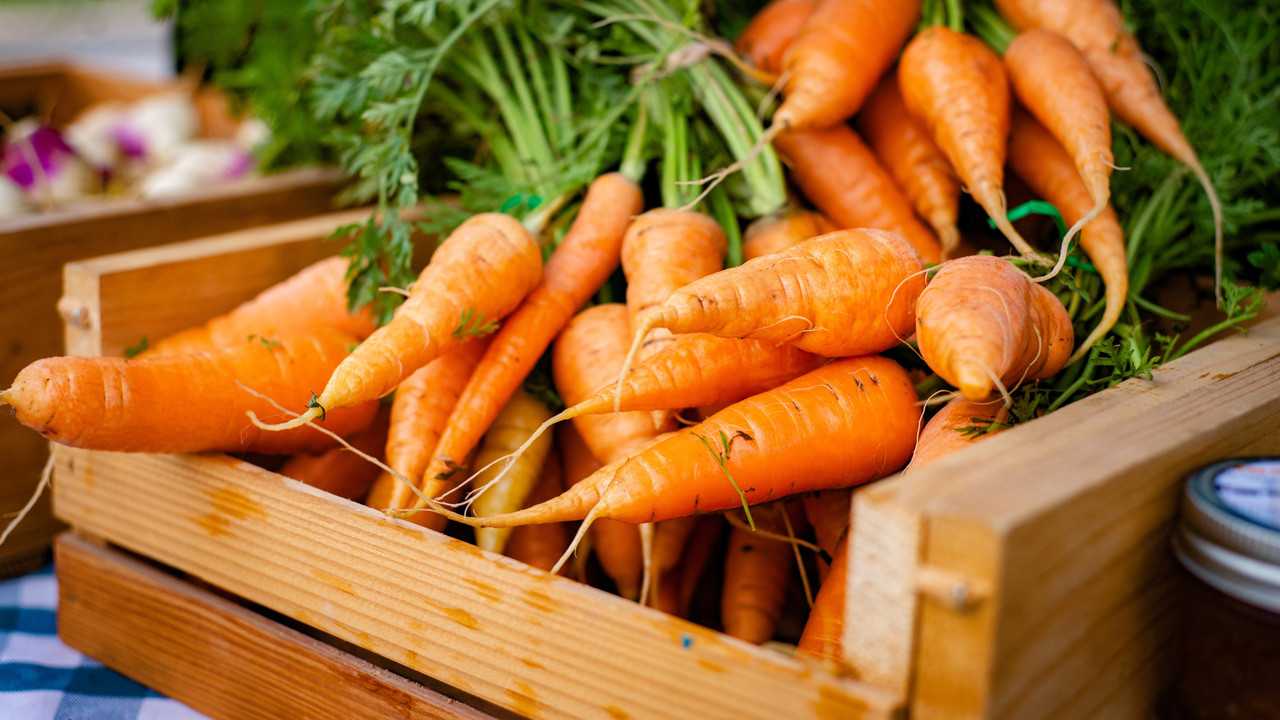
To ensure your carrots stay fresh and crisp for longer periods, proper storage techniques are essential. Store carrots in the refrigerator to extend their shelf life.
Raw whole carrots can last 3-4 weeks when refrigerated, while sliced or chopped carrots typically last 2-3 weeks. Utilize plastic bags or covered bowls to maintain the freshness of your carrots.
For whole carrots, consider using Glad Pressn Seal or FLEXN SEAL™ bags to efficiently store them in the fridge. These storage methods help create a controlled environment that minimizes moisture loss and keeps the carrots from drying out too quickly.
Prevent Carrot Spoilage

To prevent carrot spoilage, ensure you store them correctly in the fridge, extending their freshness for up to 4 weeks.
Regularly check for signs of spoilage like a slimy texture, dark spots, mold, or a bad smell, indicating it’s time to discard them.
Proper Storage Methods
Properly storing carrots in the fridge with a damp paper towel in a plastic bag helps prevent spoilage and maintain their freshness for an extended period. To keep them fresh, place whole carrots in a plastic bag with a slightly damp paper towel to prevent them from drying out. This method can help whole carrots last 3-4 weeks in the fridge, while chopped carrots typically stay fresh for about 2-3 weeks.
Remember to avoid excess moisture in the bag, as water accumulation can quicken spoilage. Regularly check for signs of deterioration such as sliminess, dark spots, or mold, which indicate it’s time to discard the carrots. Refrigeration is crucial to preserving the crunchiness and flavor of carrots, ensuring they stay fresh for longer.
If you notice any bad smell, slimy texture, dark spots, or lines on the carrots, it’s best not to consume them to prevent any potential health risks.

Check for Freshness
Check the freshness of your carrots by inspecting for signs of spoilage such as sliminess, dark spots, mold, or a bad smell. If the carrots feel mushy or have a rubbery texture, they should be discarded as they’re likely spoiled. However, softened carrots can still be used in dishes like soups or stews to avoid wastage.
For optimal freshness, store whole carrots in the vegetable crisper drawer of your refrigerator. Properly stored carrots can last about 3-4 weeks in the fridge, but cut carrots should be consumed within 2-3 weeks to ensure they remain fresh and safe to eat.
Always be cautious and discard carrots if they develop a white, chalky coating, exhibit an off smell, or show signs of sliminess to prevent food poisoning.
Regularly checking the condition of your carrots and following proper storage practices will help maintain their freshness and extend their shelf life, ensuring you can enjoy them in your favorite dishes without any concerns about spoilage.
Reasons Carrots Spoil
Improper storage, exposure to moisture, and warmth contribute to the spoilage of carrots. Carrots last longer when properly stored in a cool, dry place.
When carrots are exposed to excess moisture, whether from washing them too early or storing them in a damp environment, mold growth can occur, leading to spoilage. Similarly, storing carrots in warm temperatures accelerates the process of decay, causing them to go bad faster.
Signs of carrot spoilage include the presence of mold, dark spots, lines, or a moldy smell. If you notice any of these indicators, it’s best to discard the carrots to avoid consuming spoiled produce.
Proper refrigeration and storage in a perforated plastic bag in the vegetable crisper can help extend the shelf life of carrots by maintaining their freshness and crispness. Remember to check for signs like dark spots, lines, or mold before using carrots in your recipes to ensure they’re safe to eat.

Identifying Bad Carrots
When determining if carrots have gone bad, look for signs such as sliminess, dark spots, mold, mushy texture, or a bad smell. Carrots should appear firm, smooth, and vibrant in color when fresh. If you notice any of the mentioned indicators, it’s time to discard them to avoid potential health risks.
Lines, a white chalky coating, or any signs of spoilage should also prompt you to throw out the carrots. Mold growth, off-putting odors, or softening are key factors in identifying bad carrots. Consuming carrots with sliminess, dark spots, or a rotten smell can lead to food poisoning, so it’s crucial to be vigilant.
Properly stored carrots can last 3-4 weeks, but the presence of spoilage signs suggests that they’re no longer safe to eat. By recognizing these signs early, you can ensure that your carrots stay fresh and delicious for as long as possible.
Extending Carrot Freshness
To prolong the freshness of your carrots, consider utilizing proper storage methods and techniques. Raw carrots typically last 3-4 weeks in the fridge, while sliced or chopped carrots have a shorter shelf life of 2-3 weeks.
To extend their freshness, store carrots in plastic bags or covered bowls to maintain their crispness. If you have excess carrots, freezing them after blanching can significantly prolong their freshness.
When ready to use frozen carrots, remember to thaw them properly by placing them in the refrigerator for several hours or quickly in cold water, changing the water every 30 minutes.
Cooked carrots, on the other hand, can last 3-5 days in the fridge, so make sure to consume them within this timeframe for the best taste and quality.
Reviving Dehydrated Carrots

Reviving dehydrated carrots is a straightforward process that can help restore their crunchiness and extend their shelf life. By soaking the dehydrated carrots in filtered water, you can rehydrate them effectively. This method not only brings back the original texture and taste of the carrots but also ensures they stay fresh for longer. Using filtered water is recommended to prevent any alteration in taste that chlorine from tap water could cause.
To revive dehydrated carrots, follow these simple steps:
| Steps | Details |
|---|---|
| Step 1 | Place dehydrated carrots in a bowl. |
| Step 2 | Cover the carrots with filtered water. |
| Step 3 | Let them soak for a few hours or overnight. |
| Step 4 | Drain the water and pat the carrots dry. |
| Step 5 | Enjoy your revived, crunchy carrots in recipes. |
This quick and easy method is perfect for bringing back the crunch in softened carrots for use in a variety of dishes.
Proper Carrot Washing
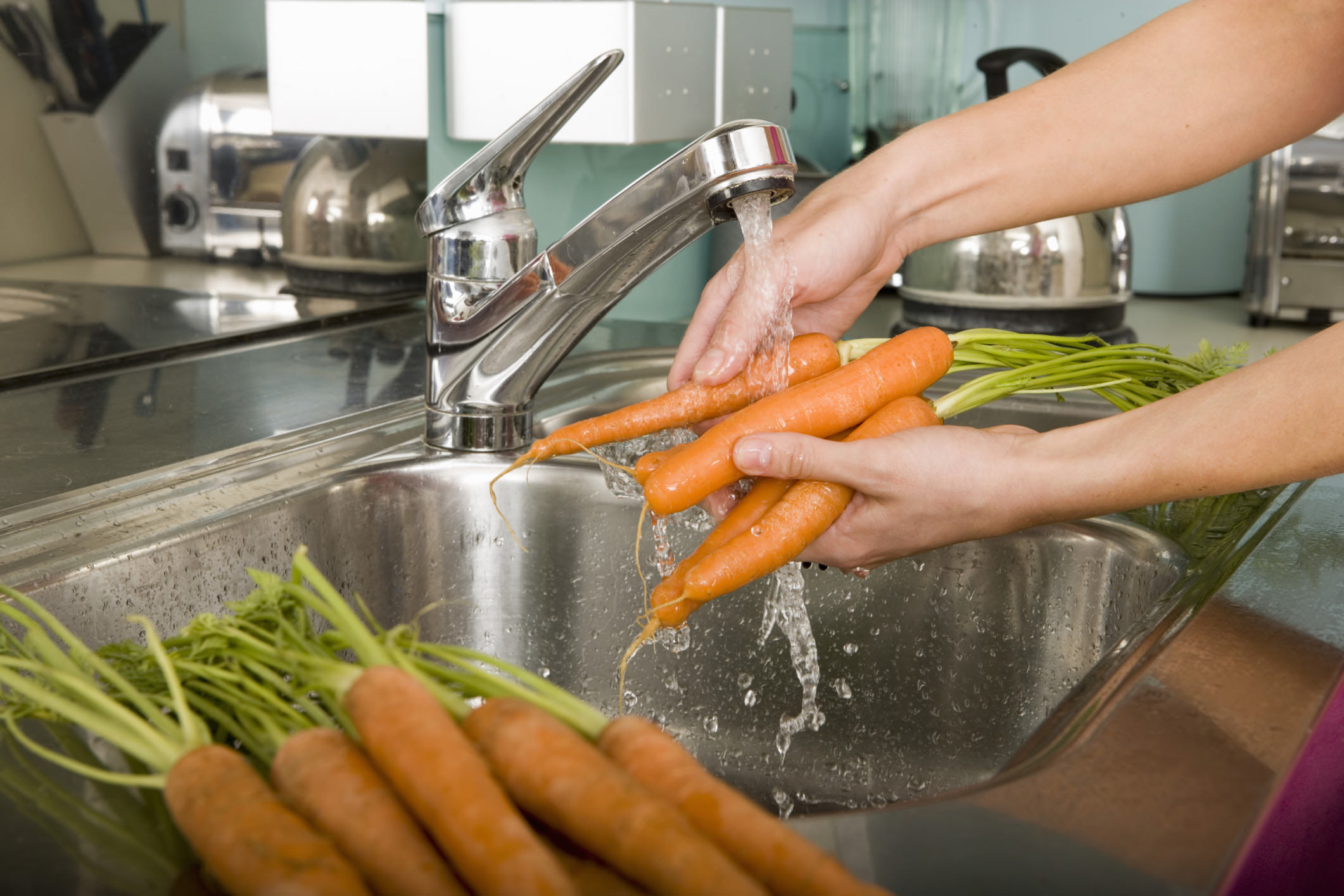
Ensuring proper cleanliness through washing with a water and vinegar solution is crucial for maintaining the safety and quality of whole carrots. To effectively wash whole carrots, start by trimming any ends and cutting them in half if necessary to fit in the solution.
Prepare a water bath with vinegar and soak the carrots for about 2 minutes. This solution helps eliminate mold spores, bacteria, E. coli, and listeria that may be present. After soaking, rinse the carrots thoroughly with water and then dry them flat on a towel.
Washing carrots with vinegar not only cleans them well but also contributes to preserving their freshness and overall quality. By incorporating this step into your food storage routine, you can extend the shelf life of whole carrots and ensure they remain safe for consumption.
Properly cleaned carrots are less likely to spoil quickly and are more likely to retain their flavor and texture over time.
Storing Baby Carrots
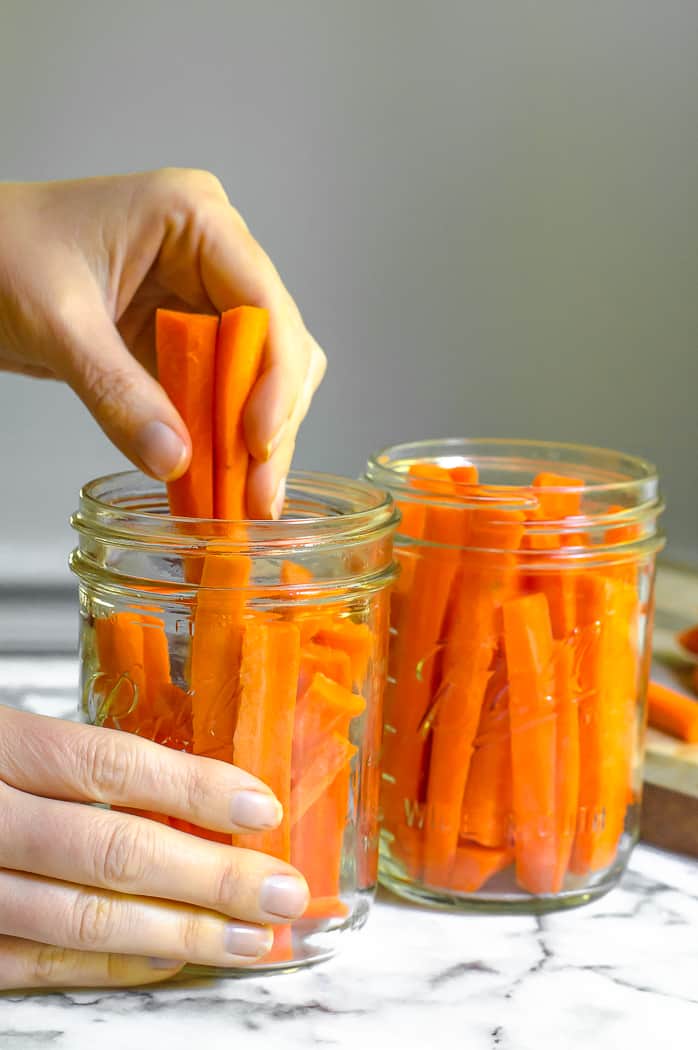
To ensure your baby carrots stay fresh, store them in a sealed bag or container in the refrigerator. This practice helps prevent moisture loss and extends the shelf life of your carrots.
Remember to check for any signs of spoilage like mold, sliminess, or unpleasant odors before consuming them.
Proper Baby Carrot Storage
Properly storing baby carrots is essential to maintaining their freshness and extending their shelf life. To maximize the lifespan of baby carrots in the fridge, ensure they’re stored in a sealed bag or container. This helps to retain their crunchiness and prevent them from drying out.
Moisture is the enemy when it comes to storing baby carrots, so it’s crucial to keep them away from any excess moisture that could lead to spoilage. Baby carrots can typically last about 3-4 weeks in the fridge if stored correctly.
Before consuming, always check for any signs of sliminess or mold, as these are indicators that the carrots have started to spoil. By following these storage tips, you can enjoy your baby carrots for an extended period while maintaining their quality.
Preventing Spoilage Effectively
Maintaining the freshness of baby carrots through proper storage techniques is crucial to prevent spoilage and extend their shelf life. When storing baby carrots, it is essential to place them in a sealed bag or container to keep them fresh. Additionally, avoiding moisture buildup in the storage container is key to preventing premature spoilage. Regularly check for any signs of sliminess or mold on the baby carrots to ensure they are still safe to consume. If you notice a bad smell or unusual texture, it’s best to discard the baby carrots to avoid any health risks.
To summarize the key points for effectively storing baby carrots, refer to the table below:
| Storage Tips for Baby Carrots | |
|---|---|
| Lasts 3-4 weeks in the fridge | Keep in sealed bag or container |
| Avoid moisture buildup | Check for sliminess or mold |
| Discard if bad smell or unusual texture |
Freezing Carrots Guide

For optimal results when freezing carrots, blanch them in boiling water before proceeding with the preservation process. Blanching helps to maintain the color, texture, and flavor of the carrots by stopping enzyme actions that can cause loss of nutrients and deterioration. To blanch, simply place the carrots in boiling water for 5 minutes if they’re whole, or 2 minutes if they’re cut into pieces.
Once the blanching time is up, quickly transfer the carrots to a bowl of ice water to cool them rapidly and stop the cooking process.
After blanching, pat the carrots dry and arrange them in a single layer on a baking sheet before placing them in the freezer. Once the carrots are frozen solid, transfer them to airtight containers or freezer bags for long-term storage.
When you’re ready to use them, remember to thaw the carrots in the refrigerator for several hours or overnight. Alternatively, you can speed up the process by submerging the frozen carrots in cold water, changing the water every 30 minutes until thawed. Just ensure that sliced carrots don’t stay above 40°F for more than 2 hours during thawing to maintain their quality.
Thawing Frozen Carrots

When it comes to thawing frozen carrots, it’s crucial to follow proper methods to maintain their texture and flavor.
Quick thawing methods like refrigeration or cold water submersion can help speed up the process.
Remember to avoid leaving sliced carrots at temperatures above 40°F for more than 2 hours to ensure food safety.
Quick Thawing Methods
To thaw frozen carrots quickly and safely, consider submerging them in cold water for a more efficient process. Place the frozen carrots in a sealed plastic bag to prevent water absorption during thawing. Submerge the sealed bag in a large bowl of cold water. Change the water every 30 minutes to ensure a consistent and safe thawing environment.
Avoid using hot water or boiling water to thaw frozen carrots, as this can lead to uneven thawing and potentially compromise the texture and taste. Cold water thawing is the recommended method to preserve the quality of the carrots.
Remember not to leave sliced carrots above 40°F for more than 2 hours during the thawing process to prevent bacterial growth.
Once thawed, frozen carrots can be added directly to cooking in various dishes without the need for additional thawing. By following these quick thawing methods, you can efficiently prepare frozen carrots for your culinary creations.
Best Storage Practices
Thawing frozen carrots can be efficiently achieved by utilizing either the refrigerator or cold water methods for safe defrosting. In the refrigerator, place the frozen carrots in a bowl or container and let them thaw for several hours or overnight. This gradual thawing process helps maintain the carrots’ texture and flavor.
Alternatively, for a quicker thaw, submerge the frozen carrots in cold water. Remember to change the water every 30 minutes to ensure a safe thawing process.
It’s crucial to ensure that sliced carrots don’t stay above 40°F for more than 2 hours during the thawing process to prevent bacterial growth. If you’re in a rush, you can add frozen carrots directly to your cooking in various dishes without the need for thawing.
Lastly, blanching carrots before freezing not only helps prevent bacteria build-up but also preserves their quality for a longer period. By following these storage practices, you can enjoy delicious carrots all year round.
Carrot Storage Containers
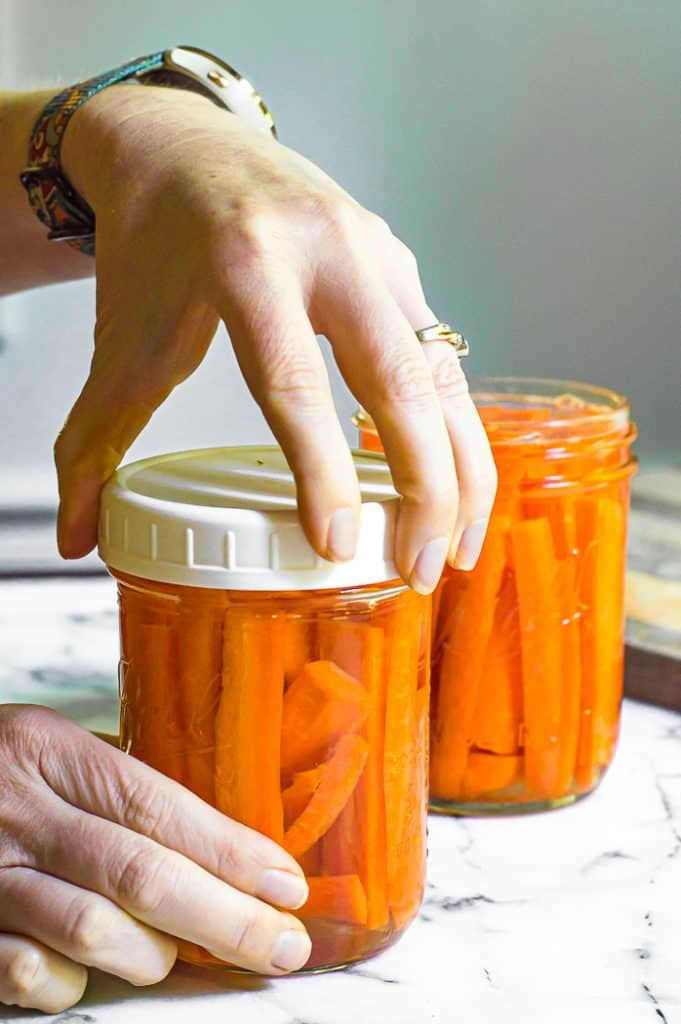
Glass airtight containers or mason jars serve as optimal choices for preserving the freshness and crunchiness of carrots for an extended period, up to a month. These containers provide a sealed environment that helps maintain the ideal moisture levels for carrots, preventing them from drying out or becoming rubbery.
Snapping lid containers available on Amazon Storefront or mason jars are particularly recommended for carrot storage due to their ability to create a secure seal, keeping air out and freshness in. Whether you plan to slice, shred, or snack on carrots, proper storage in glass containers or mason jars ensures that your carrots remain crisp and flavorful.
Additionally, storing homemade baby carrots in these airtight containers can extend their freshness compared to store-bought ones, allowing you to have healthy snacks readily available. By utilizing glass containers or mason jars, you can keep your carrots recipe-ready and enjoy their goodness for longer periods.
Cooking With Carrots

Enhance the natural sweetness and versatility of carrots by exploring various cooking methods that bring out their flavor and texture in a range of dishes. When cooking with carrots, sliced carrots are a popular choice due to their ease of preparation and ability to absorb flavors well. Check out the table below for some creative ways to cook with sliced carrots:
| Cooking Method | Description | Dish Ideas |
|---|---|---|
| Glazing | Coat sliced carrots in a sweet or savory glaze and cook until tender. | Honey Glazed Carrots, Balsamic Glazed Carrots |
| Sautéing | Quickly cook sliced carrots in a pan with oil or butter until slightly browned. | Sautéed Carrots with Garlic and Herbs, Carrot and Pea Stir-Fry |
| Roasting | Toss sliced carrots with olive oil, salt, and herbs, then roast until caramelized. | Roasted Carrot Fries, Herb-Roasted Carrots |
| Grilling | Grill sliced carrots over medium heat until charred and tender. | Grilled Carrot Skewers, Charred Carrots with Lemon and Herbs |
Delicious Carrot Recipes

You can explore a world of culinary possibilities with carrots, from tasty side dishes to indulgent desserts.
Enhance your meals with dishes like glazed carrots or carrot and coconut soup for a burst of flavor.
Don’t forget to sweeten your day with carrot-based desserts like carrot cake or carrot muffins.
Tasty Carrot Side Dishes
When looking to add a burst of flavor to your meals, exploring tasty carrot side dishes can elevate your dining experience. Carrots are versatile vegetables that can be used in various recipes to create delicious and nutritious sides. Here are some mouth-watering carrot-based dishes to try:
| Carrot Side Dish Recipes | Ingredients | Preparation Time |
|---|---|---|
| Honey Glazed Carrots | Carrots, honey, butter, salt, pepper | 30 minutes |
| Carrot and Raisin Salad | Carrots, raisins, mayonnaise, lemon juice, honey | 20 minutes |
| Roasted Carrot Fries | Carrots, olive oil, salt, pepper, garlic powder | 25 minutes |
| Carrot Soufflé | Carrots, eggs, sugar, butter, flour | 45 minutes |
| Moroccan Spiced Carrots | Carrots, cumin, coriander, cinnamon, olive oil | 35 minutes |
These recipes offer a mix of sweet, savory, and spicy flavors that complement the natural sweetness of carrots. Whether you prefer a simple honey glaze or a more exotic Moroccan twist, these carrot side dishes are sure to impress your taste buds.
Carrot-Based Desserts

Exploring the realm of carrot-based desserts unveils a delightful array of sweet treats that showcase the versatility and natural sweetness of this vibrant vegetable. Carrot desserts, such as carrot cake, carrot muffins, and carrot cookies, are popular choices that often utilize grated carrots to provide moisture and natural sweetness. These desserts can be enhanced with warm spices like cinnamon, nutmeg, and ginger to elevate their flavor profile.
A common accompaniment to carrot-based desserts, particularly carrot cake, is a decadent cream cheese frosting that perfectly complements the earthy sweetness of the carrots.
In addition to being delicious, carrot-based desserts offer a creative way to sneak in some extra veggies into your diet, adding a nutritional boost to your sweet indulgences. To make your carrot-based desserts last longer, store them in an airtight container or resealable bag in the refrigerator. This simple step can help maintain their freshness and flavor for a longer period, allowing you to enjoy these delectable treats over several days.
Simplifying Cooking With Carrots
Simplify your cooking routines by incorporating versatile carrots into your meal preparations. Whole carrots can last 3-4 weeks in the fridge, making them a convenient option to have on hand for various dishes.
Whether you choose to roast them as a side, blend them into a soup, or grate them into a salad, carrots add a sweet and earthy flavor to your meals.
When storing whole carrots, consider using Glad Pressn Seal or FLEXN SEAL™ bags to help maintain their freshness. These airtight options can extend the shelf life of your carrots, ensuring that they remain crisp and flavorful for longer periods.
Additionally, storing carrots in plastic bags or covered bowls can also help prevent them from drying out or becoming rubbery.
Related Food Storage Tips
To maintain the freshness and extend the shelf life of your carrots, it is essential to implement proper food storage techniques. Raw carrots can last 3-4 weeks in the fridge, while sliced or chopped carrots have a slightly shorter shelf life of 2-3 weeks. Cooked carrots, on the other hand, can be stored in the refrigerator for 3-5 days. Proper storage methods such as placing carrots in plastic bags or covered bowls can help prolong their shelf life. Additionally, freezing carrots after blanching them can significantly extend their freshness.
Here is a table summarizing key points for storing carrots:
| Storage Method | Shelf Life | Additional Tips |
|---|---|---|
| Fridge (raw) | 3-4 weeks | Store in plastic bags |
| Fridge (sliced/chopped) | 2-3 weeks | Use covered bowls |
| Fridge (cooked) | 3-5 days | Seal in airtight containers |
Conclusion
In conclusion, knowing how to properly store and identify bad carrots can help prevent food waste and ensure you always have fresh produce on hand.
By following the tips provided in this article, you can extend the freshness of your carrots and enjoy them in a variety of delicious recipes.
Don’t let your carrots go to waste – take the necessary steps to keep them fresh and tasty for as long as possible.