

Encountering green flesh in eggplants indicates increased sunlight exposure, genetic mutations, or varietal characteristics. Some eggplants inherit traits causing unexpected color changes due to gene expression alterations. Ensure thorough cooking to reduce solanine toxins. Identify eggplant varieties based on color, shape, and size, seeking gardening guidance for troubleshooting. Research safety measures for green eggplants and consult reputable sources for expert advice. Consider optimal harvest timing and proper handling techniques. Understanding the causes and implementing solutions are essential for culinary success with eggplants.
Sunlight Exposure Effects
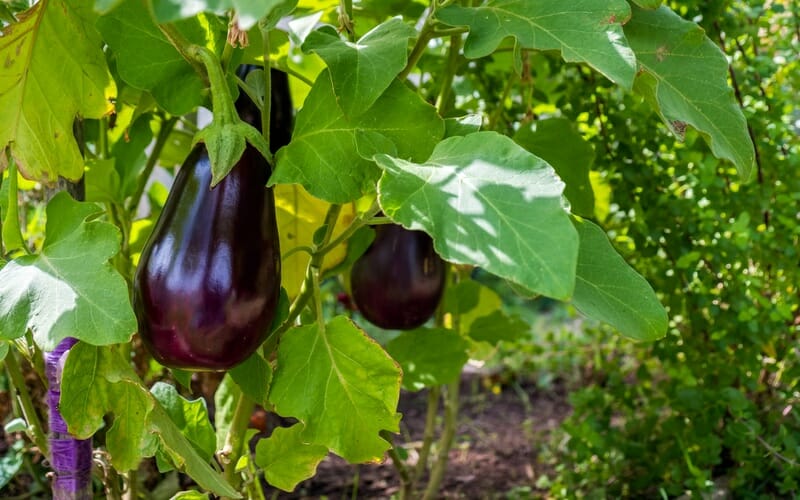
Increased exposure to sunlight can lead to eggplants developing green flesh due to heightened chlorophyll production. When eggplants receive an abundance of sunlight, they respond by increasing chlorophyll levels in their tissues, resulting in the characteristic green coloration. This phenomenon occurs as a natural response to the plant’s environment and isn’t harmful.
While green eggplants are safe to eat, they may lack the full flavor profile of matured purple eggplants due to differences in ripeness and chemical composition.
Proper sunlight exposure is essential for healthy eggplant growth and color development. However, excessive sunlight can sometimes cause green flesh in eggplants if not managed carefully. It’s crucial to monitor the amount of sunlight your eggplants receive to prevent an overproduction of chlorophyll.
Understanding the specific variety of eggplant being grown can also help determine whether the green flesh is a result of sunlight exposure or genetic mutations. By controlling sunlight exposure and selecting appropriate varieties, you can ensure the optimal development of your eggplants.
Genetic Mutations Impact

Genetic mutations play a critical role in shaping the color variations seen in eggplants, such as the green flesh found in certain varieties.
These mutations can lead to changes in gene expression, impacting the inherited traits of the plant.
Understanding the genetic makeup of the eggplant variety grown is essential for unraveling the specific effects of these mutations on its characteristics.
Genetic Mutation Effects
Due to genetic mutations, eggplants can exhibit variations in color, often resulting in the presence of green flesh. The black beauty variety of eggplants is known for yielding purple fruit; however, genetic mutations can lead to the development of green flesh, deviating from the norm. While exposure to sunlight can sometimes trigger eggplants to turn green, the primary cause remains genetic factors. Understanding the specific variety being grown and the genetic influences at play is crucial for addressing the occurrence of green flesh in eggplants.
| Genetic Mutation Effects | ||
|---|---|---|
| Aspect | Impact | Explanation |
| Color of flesh | Green flesh | Genetic mutations can cause deviations from the typical purple color in eggplants, leading to the emergence of green flesh. |
| Commonality | Uncommon occurrence | Green eggplants are not prevalent, with their presence often attributed to genetic mutations rather than environmental factors. |
| Variety | Black beauty deviation | The black beauty variety usually produces purple fruit, making green flesh a distinct deviation due to genetic influences. |
Inherited Trait Variations
In considering inherited trait variations, the impact of genetic mutations on eggplant coloration can be observed through the occurrence of green flesh in certain varieties.
When examining the genetic mutations that influence eggplant color, several key points emerge:
- Genetic Mutations: Mutations in the genetic code of eggplant varieties can lead to unexpected color variations, such as green flesh.
- Inherited Trait Variations: The hereditary traits passed down from parent plants can contribute to the likelihood of genetic mutations that result in green interior color.
- Eggplant Varieties: Different varieties of eggplants exhibit varying susceptibilities to genetic mutations that affect flesh coloration.
- Understanding Genetic Makeup: Delving into the genetic composition of different eggplant varieties is crucial in unraveling the mechanisms behind green interior coloration.
Gene Expression Changes
Mutations affecting gene expression in eggplants can lead to a notable shift in coloration, often resulting in the appearance of green flesh instead of the expected purple hue. Genetic mutations play a crucial role in altering the expression of genes responsible for pigmentation in eggplants. These mutations can disrupt the normal pathways that control color development, leading to the formation of green eggplants. Varieties of eggplants with specific genetic mutations may exhibit this phenomenon due to changes in gene expression patterns.
Understanding gene expression changes is fundamental in elucidating why green flesh occurs in certain eggplants. The intricate interplay between genetic mutations and gene regulation processes influences the manifestation of green pigmentation. By studying these gene expression alterations, researchers can gain insights into the molecular mechanisms behind the development of green eggplants.
Genetic factors are pivotal in determining the color and characteristics of eggplants, highlighting the significance of gene expression changes in shaping the phenotypic traits of these vegetables.
Varietal Characteristics Influence

Varied eggplant cultivars exhibit unique characteristics that directly influence the color of the flesh, including the presence of green pigmentation. When considering the varietal characteristics of eggplant varieties, it becomes apparent that the color of the flesh can be influenced by a variety of factors:
- Genetic Variability: Different eggplant varieties may showcase genetic mutations that result in green flesh instead of the typical purple hue, contributing to the green interior of the fruit.
- Sunlight Exposure: Exposure to sunlight can impact the color of eggplant flesh, potentially causing it to develop a green tinge due to the production of chlorophyll.
- Seed Selection: The specific seeds used for planting can play a significant role in the color variation of eggplant flesh, with some seeds predisposing the fruit to develop green pigmentation.
- Breeding Programs: Selective breeding in eggplant cultivation programs can lead to the development of varieties with distinct characteristics, including the presence of green flesh in certain cultivars.
Understanding these varietal characteristics is essential for growers to anticipate and explain the occurrence of green flesh in eggplant varieties.
Safety of Green Eggplants
Green eggplants contain certain characteristics that may raise concerns regarding their safety for consumption. Despite these concerns, it’s generally safe to eat green eggplants.
However, their taste may not be as desirable as ripe eggplants due to potential bitterness and seedy texture. It’s recommended to consume immature green eggplants rather than fully green ones to avoid these undesirable traits.
Harvesting green eggplants before they reach full maturity is crucial to ensure optimal taste and quality.
The main safety concern associated with green eggplants is the potential presence of solanine, a toxic compound that can be harmful if consumed in large quantities. To mitigate this risk, it’s advisable to properly cook green eggplants before consumption.
Toxic Compounds Presence
You must be aware that green eggplants contain toxic compounds such as solanine, a natural chemical present in nightshade vegetables.
These compounds, akin to those found in green potatoes, can lead to adverse effects if consumed in large amounts.
To ensure safety, it’s crucial to properly identify and eliminate toxic compounds from green eggplants before consumption.
Toxic Compound Identification
Solanine, a toxic compound commonly found in nightshade vegetables such as eggplants, poses a potential health risk when present in green eggplants. Identifying this toxic compound is crucial to understanding the potential dangers associated with consuming green eggplants.
Here are key points to consider regarding the identification of solanine in green eggplants:
- Solanine, a glycoalkaloid, is responsible for the bitter taste in green eggplants.
- The skin of green eggplants contains higher concentrations of solanine compared to the flesh.
- Solanine levels can vary based on the eggplant variety and growing conditions.
- To detect solanine, specialized testing methods such as chromatography or spectrophotometry are used in laboratories.
Understanding the presence of solanine in green eggplants is essential for making informed decisions about consumption and food preparation. Recognizing the signs of potential toxicity can help prevent adverse health effects related to solanine ingestion.
Eliminating Toxic Compounds
Thorough cooking of eggplants is a crucial step in reducing the levels of toxic compounds like solanine, thus enhancing their safety for consumption.
Green eggplants, particularly when immature, may contain higher levels of solanine, a natural toxin that can lead to gastrointestinal issues if consumed excessively.
To eliminate these toxic compounds, ensure that green eggplants are cooked thoroughly before consumption. Cooking breaks down solanine, making the eggplants safer to eat.
It’s also essential to harvest eggplants at the appropriate stage of ripeness to minimize the presence of solanine and other toxic compounds.
If you’re sensitive to solanine or experience adverse reactions after consuming green eggplants, it’s advisable to avoid them altogether.
Identifying Eggplant Varieties
When identifying eggplant varieties, it’s crucial to consider their distinct characteristics, such as color, shape, and size.
Differentiating between eggplant varieties can be challenging but paying attention to specific details can help you identify them accurately.
Here are key features to look out for:
- Colors: Eggplants come in various colors including purple, white, green, and even striped varieties. The color can sometimes change based on factors like sunlight exposure.
- Shapes: Eggplants can vary in shape from long and slender to round and chubby. Some varieties may have a more elongated or bulbous shape.
- Sizes: Eggplants can range in size from small, bite-sized fruits to larger ones more suitable for slicing and grilling. Size can also vary based on the variety.
- Sunlight Influence: The amount of sunlight an eggplant receives can affect its color development. Some varieties may exhibit color changes when exposed to different sunlight levels.
Seeking Gardening Guidance
When encountering green eggplant issues, seeking gardening guidance becomes crucial for troubleshooting effectively.
You must inspect your plant’s health meticulously to identify any underlying problems causing the abnormal coloration.
Expert advice from experienced gardeners can offer invaluable insights into resolving issues affecting the development of your eggplants.
Gardening Troubleshooting Tips
Engage experienced gardeners to troubleshoot and resolve gardening issues effectively. When faced with challenges in your garden, seek guidance from those with knowledge and experience.
Here are four essential tips to help you troubleshoot effectively:
- Utilize Online Platforms: Explore gardening communities on platforms like YouTube for a supportive network of experienced individuals willing to share their insights and solutions.
- Collaborate with Fellow Homesteaders: Join forces with other homesteaders to exchange knowledge and enhance your gardening practices. Working together can provide valuable perspectives and innovative solutions.
- Learn from the Gardening Community: Seek advice from fellow gardeners to gain diverse perspectives and practical tips for overcoming common gardening issues.
- Combine Research and Feedback: Blend your personal research with community feedback to develop a comprehensive understanding of gardening challenges and improve your problem-solving skills.
Plant Health Check
Utilize online gardening communities and resources to seek guidance and troubleshoot plant health issues effectively. When facing plant health concerns, tapping into the knowledge of experienced gardeners can provide valuable insights. Engaging with forums, watching instructional videos on platforms like YouTube, and joining online gardening groups can help you troubleshoot issues effectively. By sharing your problems with the community, you can benefit from diverse perspectives and solutions tailored to your specific situation.
To aid in your plant health check, consider the following table that outlines key steps for troubleshooting issues:
| Plant Health Check Steps | Description | Benefits |
|---|---|---|
| 1. Research Symptoms | Identify signs of plant distress | Pinpoint underlying issues |
| 2. Seek Expert Advice | Consult experienced gardeners | Gain specialized knowledge |
| 3. Implement Solutions | Apply recommended remedies | Improve plant health |
Expert Advice Needed
Seek guidance from experienced gardeners to effectively address eggplant green inside issues. When seeking expert advice, consider the following:
- Utilize Gardening Forums: Join online platforms like gardening forums to tap into a supportive community where you can ask questions and receive guidance on resolving eggplant coloration problems.
- Explore Online Resources: Platforms such as YouTube offer a wealth of information shared by experienced gardeners. Watching tutorials and joining discussions can provide valuable insights into addressing eggplant issues.
- Engage with Homesteaders: Collaborate with fellow homesteaders to exchange knowledge and strategies for dealing with eggplant green inside problems. Shared experiences can offer new perspectives and effective solutions.
- Consult Professionals: Reach out to local agricultural extension services or horticultural experts for professional advice on diagnosing and treating eggplant issues. Their expertise can help you implement the most suitable solutions for your specific situation.
Researching Safety Measures
Understanding the presence of solanine is crucial when researching safety measures for green eggplants due to its toxic nature and potential health risks. Green eggplants, belonging to the nightshade family, may contain varying levels of solanine, a compound known for its toxicity.
While ripe eggplants typically have lower solanine levels, green eggplants present uncertainties regarding their safety for consumption. Variances in solanine content can also be influenced by varietal differences and genetic mutations within the eggplant species. This variability underscores the importance of conducting thorough research to determine the safety of green eggplants before including them in your diet.
Given the concerns raised by the toxicity of solanine in other nightshades like green potatoes, it’s essential to approach green eggplants with caution and seek reliable information to make informed decisions about their edibility. By analyzing solanine levels and considering varietal differences, you can better understand the potential risks associated with consuming green eggplants and implement appropriate safety measures to protect your health.
Consulting Reputable Sources
For accurate information on eggplant green inside causes, consider consulting reputable sources. When dealing with the puzzling phenomenon of green eggplant flesh, turning to experts and trusted resources can provide valuable insights into the issue.
Here are some ways to delve deeper into the reasons behind green eggplant flesh:
- Consulting experts: Gardening specialists can offer expert advice on why eggplants may develop green flesh and how to prevent it.
- Trusted websites: Online platforms dedicated to gardening and agriculture often feature articles and forums where you can learn about the science behind eggplant color variations.
- Reference books: Books focusing on plant biology may delve into the genetic and environmental factors that lead to variations in eggplant color, including the development of green flesh.
- Experienced gardeners: Seeking guidance from seasoned gardeners who’ve encountered and successfully addressed green eggplant flesh issues can provide practical solutions based on real-world experience.
Harvesting Success Tips
To ensure optimal taste and quality, harvest eggplants when they display a glossy appearance. Proper handling techniques, such as avoiding rough handling or excessive squeezing, can prevent damage to the fruit.
Following storage recommendations, like keeping eggplants in a cool, dry place or refrigerating them if necessary, can help maintain their freshness.
Optimal Harvest Timing
Harvest eggplants at the peak of their glossiness to ensure optimal taste and quality. The shine on the eggplant signifies its readiness for picking. Quality rapidly declines if the gloss on the eggplant starts fading. Overripe eggplants may not be suitable for consumption as they can become bitter and seedy. Proper timing of harvest is crucial to preserve the taste and texture of eggplants.
To ensure you harvest your eggplants at the right time, follow these steps:
- Check Glossiness: Look for a shiny surface on the eggplant, indicating it’s ripe and ready to be picked.
- Press Test: Gently press the skin of the eggplant; it should spring back slightly, indicating maturity.
- Color: Opt for eggplants with a vibrant color and glossy sheen, avoiding dull or wrinkled ones.
- Size Matters: Harvest eggplants when they reach their mature size, ensuring optimal flavor and texture.
Proper Handling Techniques
Ensure the proper handling of harvested eggplants to maintain their freshness and quality.
After harvesting eggplants with a glossy appearance, it’s crucial to handle them correctly to prevent the development of a green inside, which indicates overripeness. To maintain optimal taste, promptly remove the eggplants from the plant when they reach the desired glossy sheen. Avoid allowing them to stay on the plant for too long, as overripe eggplants can become bitter and seedy, leading to a compromised eating experience.
Immature eggplants are preferred for consumption due to their superior flavor and texture compared to overripe ones. Remember that the quality of eggplants deteriorates rapidly once the gloss on their skin fades. Whether you have purple, white, or green eggplants, the glossy appearance is a universal indicator of ripeness and readiness for harvest.
Storage Recommendations
For optimal flavor retention and quality maintenance, consider storing harvested eggplants at room temperature for up to a week. Here are some key storage recommendations to help you maintain the freshness of your eggplants:
- Avoid refrigeration: Cold temperatures can alter the texture of eggplants, affecting their taste and quality.
- Choose a cool, dry spot: Keep your harvested eggplants in a cool, dry place away from direct sunlight to prevent premature spoiling.
- Use a perforated plastic bag: Storing eggplants in a perforated plastic bag can help maintain their freshness by allowing for proper air circulation.
- Regularly inspect for spoilage: Check your stored eggplants regularly for any signs of decay or deterioration to ensure you catch any issues early.
Avoiding Toxic Eggplants
To avoid potential toxicity, carefully assess the safety of green eggplants before consuming them, considering the presence of solanine, a toxic chemical commonly found in nightshades like potatoes. While some green tomatoes may be safe to eat when ripe, green eggplants require caution due to the potential presence of solanine.
Genetic mutations or varietal differences can lead to the development of green eggplants, which may impact their safety. It’s crucial to seek advice from reliable sources and conduct thorough research to ensure the green eggplants you have are safe for consumption.
When handling green eggplants, pay close attention to any discoloration, soft spots, or unusual odors, as these can be indicators of potential toxicity. If you’re unsure about the safety of a green eggplant, it’s best to err on the side of caution and avoid consuming it.
Cooking Green Eggplants Safely
Cook green eggplants thoroughly to ensure safe consumption and enhance their flavor and texture. When preparing green eggplants, follow these cooking tips:
- Thorough Cooking: Ensure that green eggplants are cooked completely to break down any bitter compounds and make them more palatable.
- Different Cooking Methods: Experiment with various cooking techniques such as roasting, grilling, or sautéing to find the best way to enjoy green eggplants in your dishes.
- Avoid Raw Consumption: Due to potentially higher levels of solanine in green eggplants, refrain from eating them raw. Cooking helps reduce solanine content, making them safer to eat.
- Incorporate in Diverse Dishes: Green eggplants can be a versatile ingredient in dishes like stir-fries, curries, and casseroles, adding a unique flavor and texture profile.
Understanding Solanine Risks
Understanding the risks associated with solanine in green eggplants is crucial for safe consumption and minimizing potential health concerns. Solanine, a toxic compound present in nightshade plants like eggplants, can lead to symptoms such as nausea and gastrointestinal issues.
Green eggplants, particularly those that aren’t fully ripe, may contain higher levels of solanine, which can be harmful if ingested in large amounts. To mitigate this risk, it’s important to cook green eggplants thoroughly, as cooking has been shown to reduce solanine levels significantly.
Consuming green eggplants raw should be avoided to prevent solanine poisoning. Employing proper harvesting and ripening practices can also help ensure that eggplants have lower solanine concentrations, enhancing their safety for consumption.
Handling Mutant Eggplants
When encountering mutant eggplants with unusual colors such as green flesh, it’s important to understand the underlying factors contributing to these varietal characteristics. Here are some essential tips for handling mutant eggplants:
- Genetic Mutations: Mutant eggplants may result from genetic mutations that cause variations in pigmentation, leading to unique colors like green flesh.
- Seed Variations: Abnormal eggplant colors can also arise from seed variations, where unexpected traits manifest in the mature plant, altering its appearance.
- Safety and Taste: Green inside eggplants are safe for consumption; however, be prepared for potentially different taste profiles compared to traditional purple varieties.
- Identifying Varietal Characteristics: Developing an understanding of varietal characteristics is crucial in distinguishing mutant eggplants from regular ones, aiding in their proper care and management.
Sharing Gardening Experiences
Engage with experienced gardeners to gain valuable insights into eggplant cultivation and troubleshooting green eggplant issues. The gardening community offers a wealth of shared knowledge that can help you navigate challenges in growing eggplants.
By interacting with seasoned individuals, you can tap into a vast array of experiences and solutions that have proven effective in addressing green eggplant problems. Platforms like YouTube provide a supportive space for gardeners to exchange tips and advice, fostering a sense of community among enthusiasts.
Collaborating with fellow homesteaders who’ve encountered similar issues can lead to a deeper understanding of eggplant cultivation techniques. Community feedback is a valuable resource that can enhance your expertise and guide you towards effective strategies for managing green eggplant concerns.
Embracing the collective wisdom of the gardening community can not only improve your harvest but also cultivate a sense of camaraderie among like-minded individuals.
Conclusion
In conclusion, understanding the causes of eggplant green inside can help you safely enjoy this nutritious vegetable. Whether it’s due to sunlight exposure, genetic mutations, or varietal characteristics, it’s important to be aware of potential risks associated with green eggplants.
By cooking them properly and being cautious of toxic compounds like solanine, you can continue to benefit from their health properties. Remember to handle mutant eggplants with care and share your gardening experiences to further knowledge in this area.