

When soaking banana peels in water, note the potassium, phosphorus, and calcium content for plant health. Absorption is gradual, optimizing benefits through microbial breakdown. Watch for pests attracted to sugars released during soaking. Be cautious of pesticide residue transfer during soaking, harmful to plants. Opt for organic peels to reduce risks. Dispose properly to prevent cockroach infestation. Enhance plant growth with magnesium and calcium from the peels’ nutrient-rich water. Ensure safety, dilute, and monitor pesticide residues for efficient organic gardening. More insights await on maximizing plant growth and soil health with banana peel water.
Nutrient Content in Banana Peels
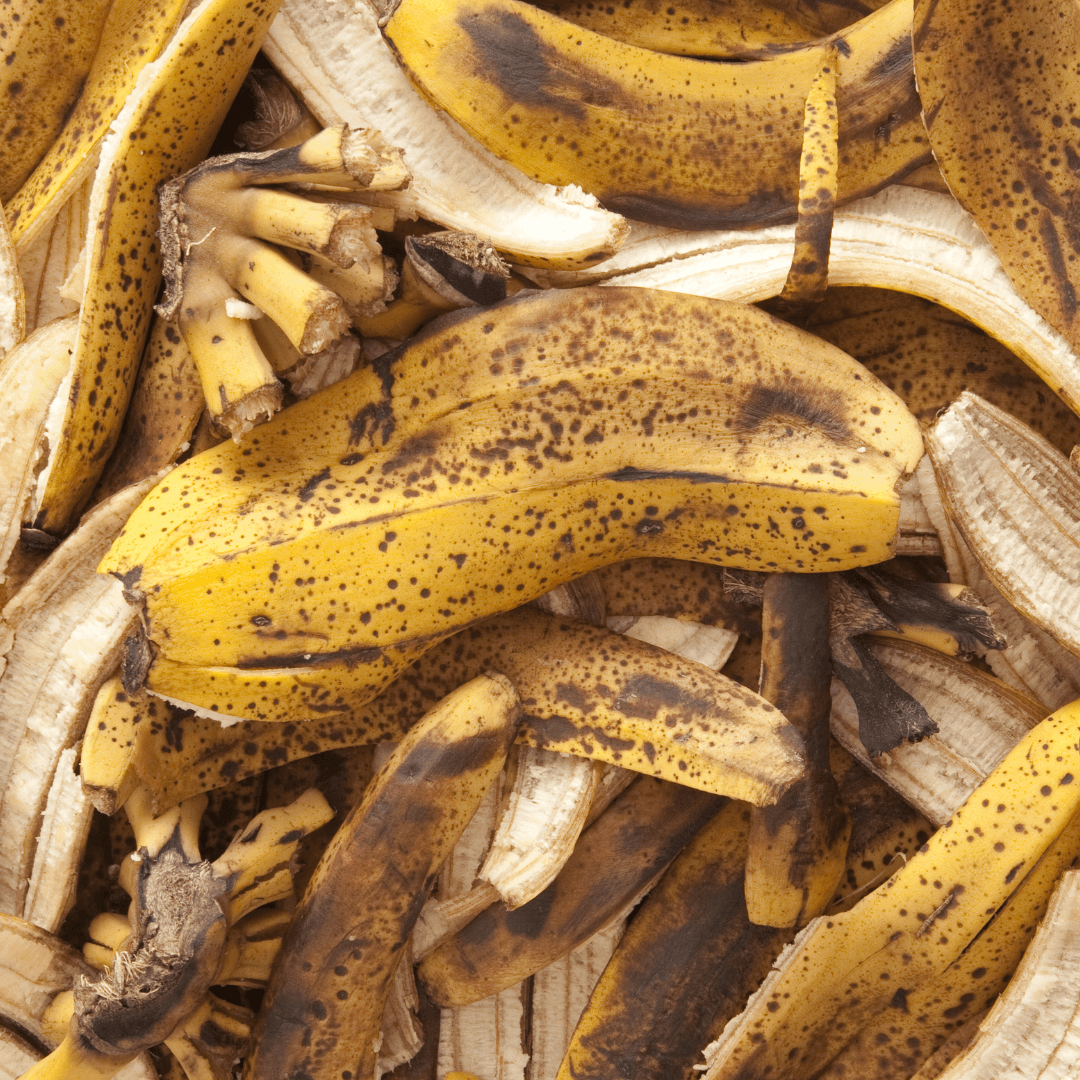
Banana peels contain a rich concentration of essential plant nutrients, including potassium, phosphorus, and calcium. These nutrients play a crucial role in supporting plant growth and health.
Potassium, a key nutrient found in banana peels, is vital for fruit production and overall plant vigor. Additionally, phosphorus, another essential nutrient, supports root development, helping plants establish strong root systems. Calcium, present in banana peels, is valuable for preventing diseases such as blossom end rot.
When composting banana peels, these nutrients are gradually released into the soil, enriching it with valuable elements necessary for plant growth. This slow-release mechanism ensures that plants receive a sustained supply of nutrients over time, promoting healthy development.
Potassium Absorption in Plants

Does potassium absorption in plants occur immediately when banana peels are soaked in water?
No, the process is more complex. While banana peels contain potassium, this nutrient isn’t readily available for plant uptake through water soaking alone.
The absorption of potassium from banana peels into plants is a gradual process that occurs during the decomposition stage facilitated by microbes and fungi. When banana peels decompose, the organic matter breaks down, releasing nutrients like potassium into the soil.
This gradual breakdown allows plants to access the potassium and other nutrients present in the banana peels. Therefore, simply soaking banana peels in water may not provide plants with immediate benefits in terms of potassium absorption.
To maximize the nutrient content of banana peels for plants, allowing for proper decomposition by microbes is essential. This process ensures that the nutrients present in banana peels, including potassium, become available for plants to utilize effectively as part of their nutrient intake.
Microbial Decomposition Process
When banana peels are soaked in water, beneficial microbes like bacteria and fungi initiate the decomposition process.
These microbes break down the organic material, releasing essential nutrients such as potassium, phosphorus, and calcium.
The microbial decomposition process in water is crucial for making these nutrients accessible for plant uptake.

Decay of Peels
During microbial decomposition, banana peels submerged in water gradually release essential nutrients like potassium, phosphorus, and calcium. This decay of peels is a result of the breakdown of organic matter by various microorganisms such as bacteria and fungi.
As these microbes digest the banana peels, they facilitate the absorption of nutrients present in the peels. Over time, the decay process transforms the banana peels into a nutrient-rich liquid that can serve as an effective plant fertilizer.
The breakdown of the peels in water not only aids in the extraction of essential plant nutrients but also contributes to the enrichment of the soaking solution with valuable elements beneficial for plant growth.
Beneficial Microbes
Beneficial microbes present in the soil play a vital role in breaking down banana peels through the microbial decomposition process. These microorganisms, such as bacteria and fungi, actively convert the organic matter of banana peels into plant-available nutrients.
During this microbial decomposition, essential elements like potassium, phosphorus, and calcium are released from the banana peels, enriching the soil with these vital nutrients. As a result, the breakdown of banana peels by beneficial microbes enhances soil health by increasing the organic matter content and improving the availability of nutrients for plants.
This process not only recycles nutrients back into the ecosystem but also promotes sustainable agriculture practices by reducing waste and enhancing soil fertility naturally. By harnessing the power of beneficial microbes in the soil, the decomposition of banana peels contributes to a healthier ecosystem and more robust plant growth.
Pest Attraction Risks
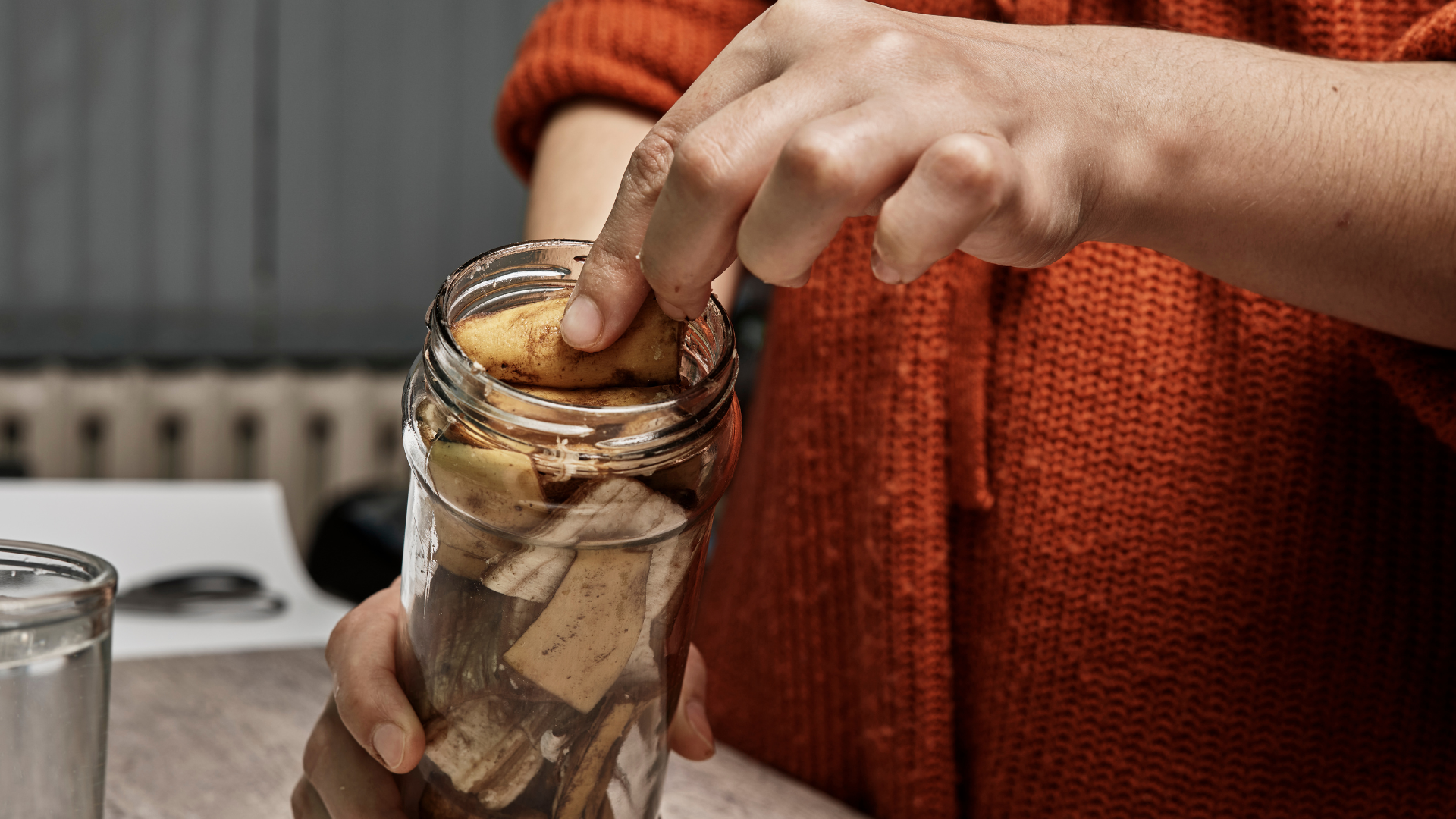
Attracting pests is a potential risk associated with soaking banana peels in water due to the decomposition process releasing sugars and organic matter. Pests such as fruit flies, ants, and cockroaches are drawn to the sugars and organic material that are emitted as the banana peels break down in the water.
To mitigate the attraction of pests, it’s crucial to properly dilute the banana peel water and use it promptly to reduce the odors that entice insects. Regular monitoring of the banana peel water is essential to prevent it from becoming a breeding ground for pests.
Ensuring the proper disposal of the banana peel water after use can significantly aid in preventing ongoing pest issues in your gardening area. By taking these precautions, you can enjoy the benefits of using banana peel water while minimizing the risks associated with pest attraction.
Pesticide Contamination Concerns
Pesticide contamination concerns arise when soaking banana peels in water due to the potential transfer of pesticide residues into the water. Pesticide residue, such as chlorpyrifos found on banana peels, can lead to contaminated water during the soaking process. This contaminated water may pose risks to plant health if used as fertilizer, especially in organic gardening practices where avoiding pesticide contamination is crucial.
The presence of pesticide residue in the water from soaked banana peels could compromise the principles of organic gardening. Exposure to pesticides through contaminated water can have detrimental effects on plants and soil ecosystems. Therefore, it’s essential to be cautious and consider the potential pesticide contamination when utilizing water from soaked banana peels for plant care.
Caution for Organic Gardeners
Organic gardeners must exercise caution when considering the use of water from soaked banana peels due to potential pesticide residue contamination. Pesticides, such as chlorpyrifos, present on banana peels can transfer to the water during soaking, leading to plant contamination, especially in edible crops. The presence of pesticide residue poses risks to both plant health and human consumption.
Furthermore, the decomposition of banana peels may attract pests like cockroaches, creating additional challenges for maintaining a clean and pest-free garden environment. It’s crucial for organic gardeners to weigh the benefits of using banana peel water against the potential harm caused by pesticide exposure and pest attraction.
While there’s a nutrient absorption process from the banana peel water as it decomposes, the immediate benefits to plants may be limited, necessitating careful consideration before incorporating this practice into your gardening routine.
Benefits of Phosphorus
Phosphorus, a crucial nutrient essential for plant growth, plays a fundamental role in root development and energy transfer. This essential element is integral to various processes within plants, including photosynthesis, DNA synthesis, and overall metabolism.
Adequate phosphorus levels are vital for robust plant growth, as they support the formation of strong root systems, facilitating efficient nutrient uptake and enhancing resistance to diseases. Without sufficient phosphorus, plants may exhibit signs of deficiency such as stunted growth, delayed flowering, and poor fruit development.
By ensuring plants receive an ample supply of phosphorus, gardeners can promote healthier and more productive vegetation. Incorporating phosphorus-rich sources like banana peel water into plant care routines can be a beneficial way to boost phosphorus levels naturally and sustainably, leading to improved plant health and overall yield.
Importance of Magnesium
Magnesium, a critical nutrient for plant growth, plays a pivotal role in various physiological processes essential for plant development and vitality.
One key function of magnesium in plants is its involvement in chlorophyll production, the pigment responsible for capturing sunlight during photosynthesis. Without sufficient magnesium, plants can exhibit symptoms of nutrient deficiency, such as yellowing leaves and stunted growth.
Soaking banana peels in water is a simple yet effective method to provide plants with this essential mineral. The magnesium extracted from banana peels can be readily absorbed by plants when applied as a natural fertilizer.
By ensuring an adequate supply of magnesium, you can support optimal chlorophyll synthesis, thereby enhancing photosynthesis efficiency and overall plant health.
Including magnesium in your plant care routine is crucial for maintaining robust growth and vitality in your green companions.
Role of Calcium
Calcium is a vital component in the soaking process of banana peels, crucial for enhancing nutrient absorption in plants. This mineral plays a key role in promoting plant growth by supporting cell wall structure and overall health.
Ensuring a sufficient supply of calcium can prevent issues like stunted growth and poor fruit development in plants.
Calcium’s Importance in Soaking
When soaking banana peels in water, one can observe the crucial role that calcium plays in extracting nutrients for plant health. Calcium is a fundamental element necessary for the structural integrity and proper functioning of plant cells. By soaking banana peels in water, the calcium present in the peels can be extracted, providing a natural and beneficial source of this essential nutrient for your plants.
Adequate levels of calcium are vital for preventing common issues like blossom end rot in plants such as tomatoes. Furthermore, calcium plays a significant role in root development and nutrient uptake, contributing to overall plant health and growth. Incorporating calcium-rich banana peel water into your plant care routine can help ensure that your plants receive the necessary nutrients for optimal development and resilience against diseases.
Make the most of this natural source of calcium by utilizing soaked banana peel water to support the health and vitality of your plants.
Enhancing Nutrient Absorption
Enhancing nutrient absorption in plants is facilitated by the presence of calcium in banana peel water, a crucial element for supporting plant growth and development. Calcium plays a fundamental role in the structure and function of plant cell walls, aiding in the regulation of processes such as enzyme activity and nutrient uptake.
By ensuring adequate calcium levels, plants can optimize their ability to absorb essential nutrients from the soil, promoting overall growth and development.
Calcium is essential for maintaining the integrity of the cell wall structure, which serves as a protective barrier and provides mechanical support for the plant. Additionally, calcium helps in the activation of various enzymes involved in nutrient metabolism, further enhancing nutrient absorption efficiency.
Without sufficient calcium, plants may experience stunted growth, nutrient deficiencies, and overall reduced vitality. Therefore, incorporating calcium-rich banana peel water into plant care routines can serve as a natural and effective method to bolster nutrient absorption and support robust plant growth.
Promoting Plant Growth
Soaking banana peels in water can significantly contribute to promoting plant growth by providing a vital element necessary for cell wall structure and nutrient transport. The calcium from banana peel water acts as a crucial component in organic fertilizer, aiding in preventing diseases such as blossom end rot in tomatoes and tip burn in lettuce.
Adequate calcium levels are essential for fostering strong root development and overall plant health. Plants supplied with sufficient calcium are less prone to stunted growth, poor fruit production, and susceptibility to pests and diseases.
Utilizing banana peel water rich in calcium as a natural plant growth enhancer can support optimal growth and resilience in various plant species. By incorporating this organic method into your gardening routine, you can harness the benefits of calcium-rich banana water for plants, promoting robust growth and vitality in your garden.
Nutrient Absorption Mechanism
Nutrient absorption from banana peels in water primarily occurs through the breakdown process facilitated by microorganisms and fungi. These microbes play a crucial role in decomposing the banana peels, thereby releasing vital nutrients such as potassium, phosphorus, and calcium into the soaking water.
The slow-release of these nutrients from the banana peels provides a natural and sustainable fertilizer for plants. As the banana peels decompose in water, the beneficial nutrients leach out gradually, offering long-term benefits for plant growth and health.
This slow absorption mechanism ensures that plants receive a steady supply of essential nutrients over an extended period, promoting optimal growth and development. By harnessing the power of microorganisms and fungi to break down banana peels, this process creates a nutrient-rich solution that can effectively nourish plants and enhance their overall well-being.
Time Frame for Decomposition
When considering the decomposition process of banana peels soaked in water, the time frame for full breakdown typically ranges from 2 to 3 weeks, with variations influenced by environmental factors such as temperature and specific conditions.
Here are some key points to keep in mind:
- Decomposition Time: Banana peels take approximately 2-3 weeks to decompose fully in water, but this can be affected by external factors.
- Soaking Period: Longer soaking periods can lead to a richer liquid fertilizer as more nutrients are extracted from the peels.
- Liquid Fertilizer: The decomposition process breaks down the banana peels, releasing rich nutrients into the water, creating a potent liquid fertilizer.
- Rich Nutrients: Through decomposition, the nutrients from the banana peels are transferred into the water, enriching it with beneficial elements for plants.
Remember to strain out the solids after the desired soaking period to maximize the nutrient-rich liquid fertilizer for your plants.
Potential Cockroach Infestation
Cockroaches are commonly attracted to decomposing organic matter in banana peel water, posing potential risks for hygiene and health. The decomposing process of banana peels in water produces an environment that can attract pests such as cockroaches. These pests are drawn to the organic matter present in the water, making it crucial to ensure proper disposal methods are in place to avoid potential cockroach infestation.
To prevent the attraction of pests like cockroaches, it’s essential to regularly monitor and dispose of banana peel water appropriately. Cockroaches, if drawn to the decomposing banana peel water, can’t only pose hygiene risks but also health hazards. Therefore, maintaining cleanliness and promptly disposing of the decomposing organic matter can mitigate the chances of a cockroach infestation.
Risks for Chemical-Treated Peels
Chemical-treated banana peels may contain pesticide residue, such as chlorpyrifos, which can pose health risks when in contact with water.
Exposure to pesticide residue from chemically treated peels can have adverse effects on plants and soil.
It’s crucial to prioritize safety by opting for organic banana peels to minimize pesticide contamination risks.
Pesticide Residue Concerns
Pesticide residues found on banana peels can pose significant risks when soaking them in water. These residues, stemming from conventional farming practices, may include pesticides like chlorpyrifos, potentially contaminating the soaking water.
To ensure the safety of the soaking process and avoid pesticide exposure, it’s crucial to be mindful of the origin of the banana peels used. Here are some key points to consider:
- Origin of Banana Peels: Always opt for organic or sustainably grown bananas to minimize pesticide residues on the peels.
- Pesticide Contamination: Chemical-treated peels have the potential to introduce harmful substances into the soaking water, affecting its quality.
- Risks to Plant Health: Pesticide residues in the water can pose risks to plant health if used for watering plants or as a natural fertilizer.
- Avoidance Strategies: Implement proper washing techniques or consider using alternative pest control methods to reduce pesticide exposure risks.
Health Implications of Chemicals
When soaking banana peels in water, it’s imperative to be aware of the health implications associated with chemical-treated peels due to potential pesticide residue contamination. Chemical-treated banana peels may harbor pesticide residues like chlorpyrifos, which can leach into the soaking water, leading to health risks upon consumption.
Exposure to pesticide residues from soaked banana peels can have adverse effects on human health, making it crucial to exercise caution.
To mitigate these risks, opting for organic banana peels is recommended as they’re grown without chemical pesticides. Choosing organic produce helps reduce the likelihood of pesticide contamination, thereby lowering the associated health hazards.
Additionally, prior to soaking banana peels, ensure to thoroughly wash and peel the fruit to minimize pesticide exposure.
Safety Considerations for Peels
When considering the safety of banana peels for soaking, it’s crucial to prioritize the avoidance of chemical-treated peels to minimize health risks associated with pesticide residues.
Here are some key safety considerations to keep in mind:
- Chemical Contamination: Chemical-treated banana peels may harbor pesticide residues that can leach into the water during soaking, potentially harming plants.
- Pesticide Exposure: Pesticides like chlorpyrifos, commonly used in conventional farming, can pose a risk of contamination when using non-organic banana peels.
- Conventional Farming: Banana peels from conventional farming practices are more likely to have been treated with pesticides, making them unsuitable for soaking due to the risk of chemical exposure.
- Organic Options: Opting for organic banana peels reduces the likelihood of pesticide residues and chemical contamination, making them a safer choice for soaking and plant care.
Precautions for Fertilizer Usage
To ensure optimal plant health, always dilute the banana peel water before using it as a fertilizer to prevent nutrient imbalances. When utilizing banana peel water as a fertilizer, it’s crucial to be aware of potential pesticide residues that may be present on non-organic peels. Dilution of the peel water can help mitigate any negative effects from these residues. Additionally, keep an eye out for any signs of pests that may be attracted to the decomposing banana peels in the water. Combining the banana peel water with other fertilizers can provide a more balanced nutrient profile for your plants. If the banana peel water starts to emit an unpleasant odor, it is essential to dispose of it properly to avoid harming your plants.
| Precautions for Fertilizer Usage | |
|---|---|
| Dilute banana peel water | Prevents nutrient imbalances |
| Watch for pesticide residues | Especially from non-organic bananas |
| Monitor for pests | Attracted to decomposing peels |
| Dispose of smelly water | To avoid plant damage |
Organic Gardening Recommendations
Consider incorporating soaking banana peels in water as a key practice in your organic gardening regimen to provide essential nutrients for your plants. By utilizing this method, you can create a potent liquid fertilizer that offers numerous benefits to your garden.
Here are some organic gardening recommendations to maximize the effectiveness of using banana peels:
- Nutrient-Rich Solution: Soaking banana peels in water releases vital nutrients like potassium, phosphorus, and calcium that are beneficial for plant growth.
- Natural Absorption: The soaking process allows the water to absorb these nutrients from the banana peels, creating a nutrient-dense liquid fertilizer.
- Organic Alternative: Using banana peel water is a natural and organic way to feed your plants, avoiding the use of synthetic fertilizers that may harm the environment.
- Sustainable Practice: Incorporating banana peels into your gardening routine aligns with sustainable practices by repurposing food waste to enhance the health and vitality of your plants.
Conclusion
In conclusion, soaking banana peels in water can be a beneficial practice for gardening, as it can provide nutrients for plants and improve soil health.
However, it’s important to be cautious of potential risks such as pest attraction, pesticide contamination, and chemical-treated peels.
By following proper precautions and organic gardening recommendations, you can safely utilize banana peels as a natural fertilizer for your plants.