

Turning your compost is crucial to ensure it decomposes quickly and effectively. You should aim to turn your pile every 1-2 weeks, although actively decomposing piles might need a turn every 3-4 days to maintain temperatures between 130°F to 160°F, which is optimal for microbial activity. This practice reintroduces oxygen, which is essential for aerobic bacteria and helps prevent foul odors by avoiding anaerobic conditions. It also ensures even decomposition and moisture balance within your compost. Consistency is key, as regular turning substantially enhances the overall quality and efficiency of your compost. Exploring more on this topic will undoubtedly improve your composting results and gardening success.
Composting Fundamentals
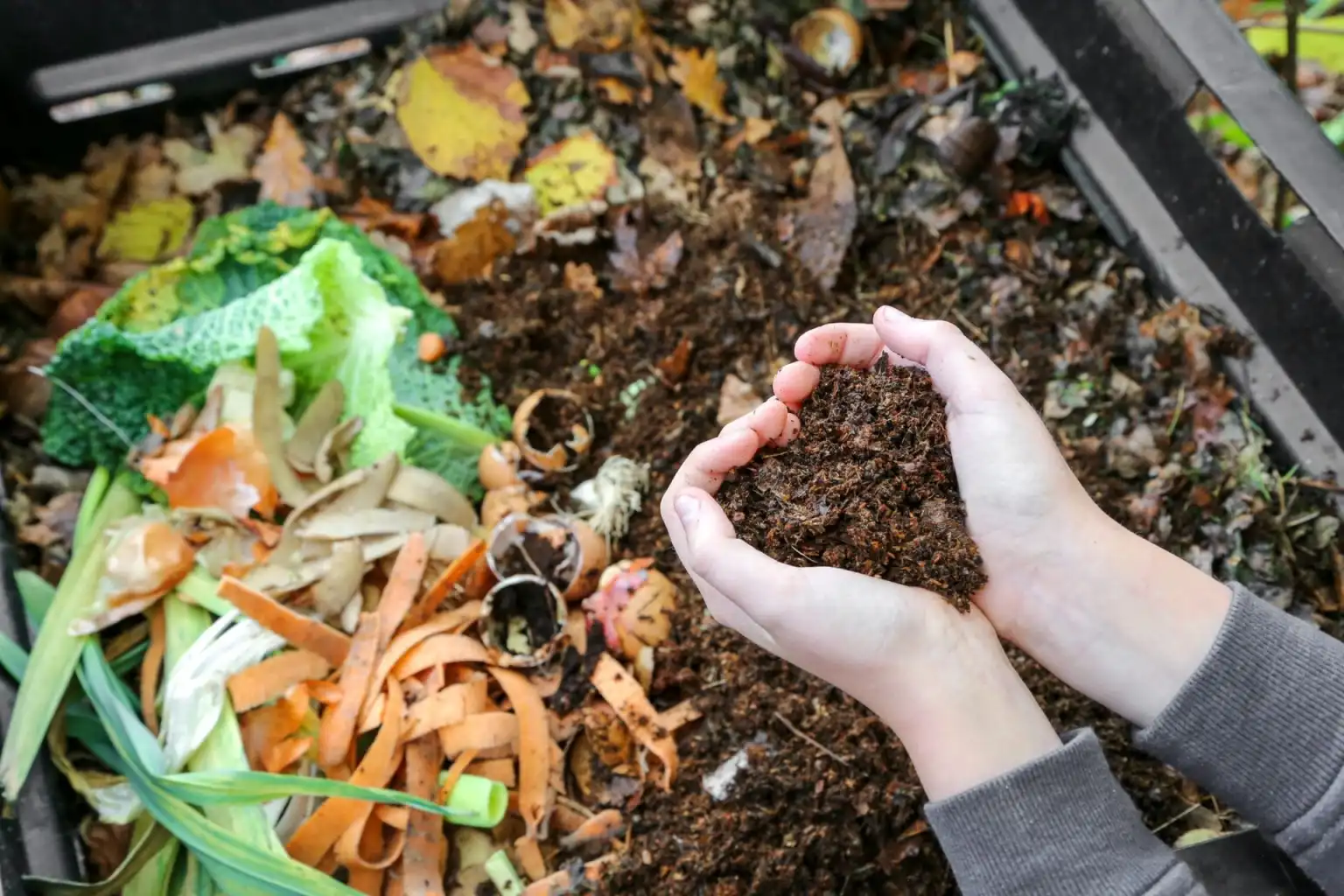
Composting transforms organic materials into fertile soil, crucially enhancing soil health and plant growth. A well-maintained compost pile is a balanced blend of green and brown materials, which optimizes the carbon to nitrogen ratio, essential for microbial activity.
This balance isn’t only vital for nutrient retention but also for creating a rich soil amendment. This biological activity, thriving at temperatures between 130°F to 160°F, is pivotal for breaking down the organic materials efficiently.
Ensuring proper air flow within the pile is fundamental. It not only supports the microbes but also prevents the onset of anaerobic conditions that could stifle decomposition and cause unpleasant odors.
While the specifics of turning compost, which promotes this essential air flow, are critical, it’s equally important to understand the foundational principles guiding these actions to foster effective composting.
Importance of Turning Compost

Turning your compost regularly is crucial for maintaining optimal decomposition conditions. This process reintroduces oxygen, which is vital for microbial activity that breaks down organic materials. By turning the compost every 1-2 weeks, you enhance aeration and promote faster decomposition.
This activity helps maintain the necessary temperature range of 130°F to 160°F, crucial for effective organic breakdown and preventing anaerobic conditions that can cause foul odors. Additionally, more frequent turning, every 3-4 days in active, thermophilic piles, prevents temperature drops and ensures efficient composting.
Turning also achieves uniform decomposition, reduces clumps, and improves the overall quality of the finished compost. Watch for signs like compaction or unpleasant odors, which indicate it’s time to turn the pile.
Regular turning can also help manage moisture levels in the pile, preventing the excessive wetness that can lead to spoilage.
Techniques for Turning Compost

To master the art of compost turning, you’ll need a sturdy pitchfork or shovel to effectively mix the organic layers.
When turning your compost, aim for thorough integration to enhance oxygen flow and maintain even moisture levels. It’s best to turn your compost pile every two weeks, though for high-heat, active decomposition, consider increasing the frequency to every three to four days.
Always measure the temperature after turning; ideal ranges are between 130°F and 160°F. Adjusting moisture is crucial; your compost should feel like a wrung-out sponge. If it’s too dry, add water; if too wet, add brown materials.
To prevent clumping and improve the carbon-nitrogen balance, regular mixing of pasta scraps and other materials is essential. These steps ensure efficient microbial activity and prevent common issues like clumping or odors.
Troubleshooting Composting Issues
Occasionally, you might encounter issues with your compost pile that prevent it from decomposing properly.
If your compost isn’t heating up, it’s crucial to check the moisture and nitrogen levels. An imbalance often means you need to turn the compost to integrate more carbon-rich materials, enhancing microbial activity.
A foul odor suggests anaerobic conditions; here, adding brown materials and turning your compost can restore balance and improve aeration.
Also, to prevent weeds, maintain your pile’s temperature between 140-160°F through regular turning, which also kills off seeds.
For clumpy or overly moist compost, the turning process breaks up clumps and mixes in dry materials, crucial for a good compost by ensuring proper aeration and moisture levels.

Advanced Composting Techniques and Uses
Why limit yourself to traditional composting methods when advanced techniques can optimize your waste management and enrich your garden more efficiently?
Hot composting, for instance, demands a compost bin of at least 3×3 ft and frequent turning. This approach accelerates decomposition by maintaining temperatures between 130°F and 160°F, ideal for microbial activity. Using thermometers to measure these temperatures ensures that your green material breaks down quickly.
Techniques like vermicomposting and bokashi also play crucial roles. Vermicomposting uses worms to produce high-quality compost that significantly boosts plant growth. Meanwhile, bokashi can handle a wider array of kitchen scraps, including meat and dairy, making it a versatile option in waste reduction and soil enrichment.
Frequency and Methods of Turning
Turning your compost regularly is crucial for maintaining the effectiveness of the decomposition process.
The frequency with which you should turn the compost hinges largely on the pile’s conditions and the materials involved. Actively decomposing compost piles, for instance, benefit from being turned every 3-4 days to sustain temperatures ideal for microbial activity, typically between 130°F to 160°F.
For tumblers, a thrice-weekly turn might be necessary to ensure adequate oxygen into the pile. Conversely, larger, traditional heaps may only need attention every couple of weeks.

Benefits of Turning Compost
Several compelling reasons exist for regularly turning your compost. Turning your compost heap optimizes the process by enhancing microbial activity, crucial for breaking down organic materials efficiently.
Here are the primary benefits:
- Increased Oxygen Supply: Essential for aerobic bacteria, boosting the decomposition speed.
- Temperature Regulation: Helps distribute heat evenly, preventing unwanted odors and pathogens.
- Uniform Decomposition: Ensures all material in the compost heap breaks down evenly.
- Pathogen and Pest Reduction: High temperatures from frequent turning can kill harmful organisms.
Compost Heap Construction

After exploring the benefits of turning compost, let’s focus on how to effectively construct a compost heap.
A well-constructed compost heap should maintain a balanced mixture of browns, like woody material, and greens, such as grass clippings, with a carbon to nitrogen ratio of about 30:1.
Layering 5-6 inches of brown for every 2-3 inches of green helps promote effective aeration and microbial activity.
Using pallets or dividers can organize compost into stages of maturity, simplifying management.
Ensuring adequate Free Air Space with bulking materials enhances airflow, reducing the need to be turned frequently.
Raising compost piles off the ground improves drainage and airflow, crucial for a healthy microbial environment and efficient decomposition.
Tumbler vs. Traditional Heap
Choosing between a tumbler and a traditional compost heap depends largely on your gardening needs and available space. Tumblers are great if you’re short on space and prefer quick composting without much physical strain.
They require frequent turning, about 2-3 times a week, to maintain the right temperature and aeration. This contrasts with traditional heaps, which need turning less often, perhaps only every few weeks, but demand more effort.
Key differences include:
- Effort of Turning: Tumblers are easier to turn; traditional heaps require more physical labor.
- Temperature Control: Tumblers maintain consistent temperatures better.
- Capacity: Traditional heaps can handle larger volumes.
- Decomposition Speed: Tumblers generally compost faster due to controlled conditions.
Each method has its merits, so consider what fits your lifestyle and composting goals.

Common Mistakes, Tips
While deciding between a tumbler and a traditional heap is important for your composting setup, avoiding common mistakes can significantly enhance the process’s efficiency.
Overturning your compost pile can impede the breakdown of tougher, woody materials. Instead, aim for a balanced approach that optimizes air, water, and material distribution.
Regularly monitor the moisture levels within your compost, maintaining them between 40-60% to avoid creating smelly, anaerobic conditions. Use a thermometer to check if the pile’s temperature falls below 104°F, which signals a need for turning to reintroduce oxygen.
Additionally, maintain a carbon to nitrogen ratio close to 30:1 to ensure your compost remains effective without the need for excessive turning.