

I’ve discovered that the top reasons gardens fail involve issues with plant health, pest management, weed control, gardening techniques, and soil and water management. For instance, yellowing leaves often indicate nutrient deficiencies, resolved with organic fish fertilizer, while powdery mildew, a fungus thriving in high humidity, is effectively controlled with cold-pressed neem oil. Adding cardboard or heavy-duty landscape fabric can prevent weeds by blocking sunlight. I also find that implementing proper plant spacing and regular soil testing to tailor nutrient addition boosts garden success. With these adjustments, you’ll see significant improvements and unlock further potential in your garden’s productivity.
1. Identifying Plant Health Issues

Recognizing the signs of plant health issues is crucial for maintaining a thriving garden. Yellowing leaves often point to nutrient deficiencies, possibly from over-watering or inadequate fertilization. I’ve found that applying organic fish fertilizer can quickly address this, providing the essential nitrogen needed.
Similarly, powdery mildew, marked by white dusty spots on leaves, thrives under conditions of high humidity and poor air circulation. To combat this, I use natural fungicides like cold-pressed neem oil, which are very effective.
It’s also important to monitor for pests like spider mites and aphids, which can further stress plants if not addressed promptly. Regularly performing soil testing can further refine your approach by pinpointing specific nutrient shortfalls, allowing for targeted corrections.
This proactive, detailed attention ensures your garden remains healthy and productive, avoiding common pitfalls that lead to plant decline.
2. Effective Pest Management Techniques

After identifying signs of plant health issues, it’s important to focus on managing pests, which can severely impact your garden’s wellbeing.
Implementing cold-pressed neem oil, mixed with water and castile soap, is one of the effective pest management techniques to tackle aphid infestations. This mixture suffocates pests and disrupts their feeding habits, ensuring your plants will need less chemical intervention.
For effective application, it’s best to apply this mixture in the early morning or late evening when temperatures are cooler, as described in pesticide use guidelines.
Additionally, applying diatomaceous earth around your plants acts as a natural desiccant, dehydrating and eliminating slugs. For a non-toxic barrier, installing copper strips around garden beds can deter slugs effectively.
Through trial and error in your outdoor space, you’ll find these gardening tips immensely beneficial. Remember, the goal is a thriving common garden without relying heavily on harmful chemicals.
3. Implementing Weed Control Strategies
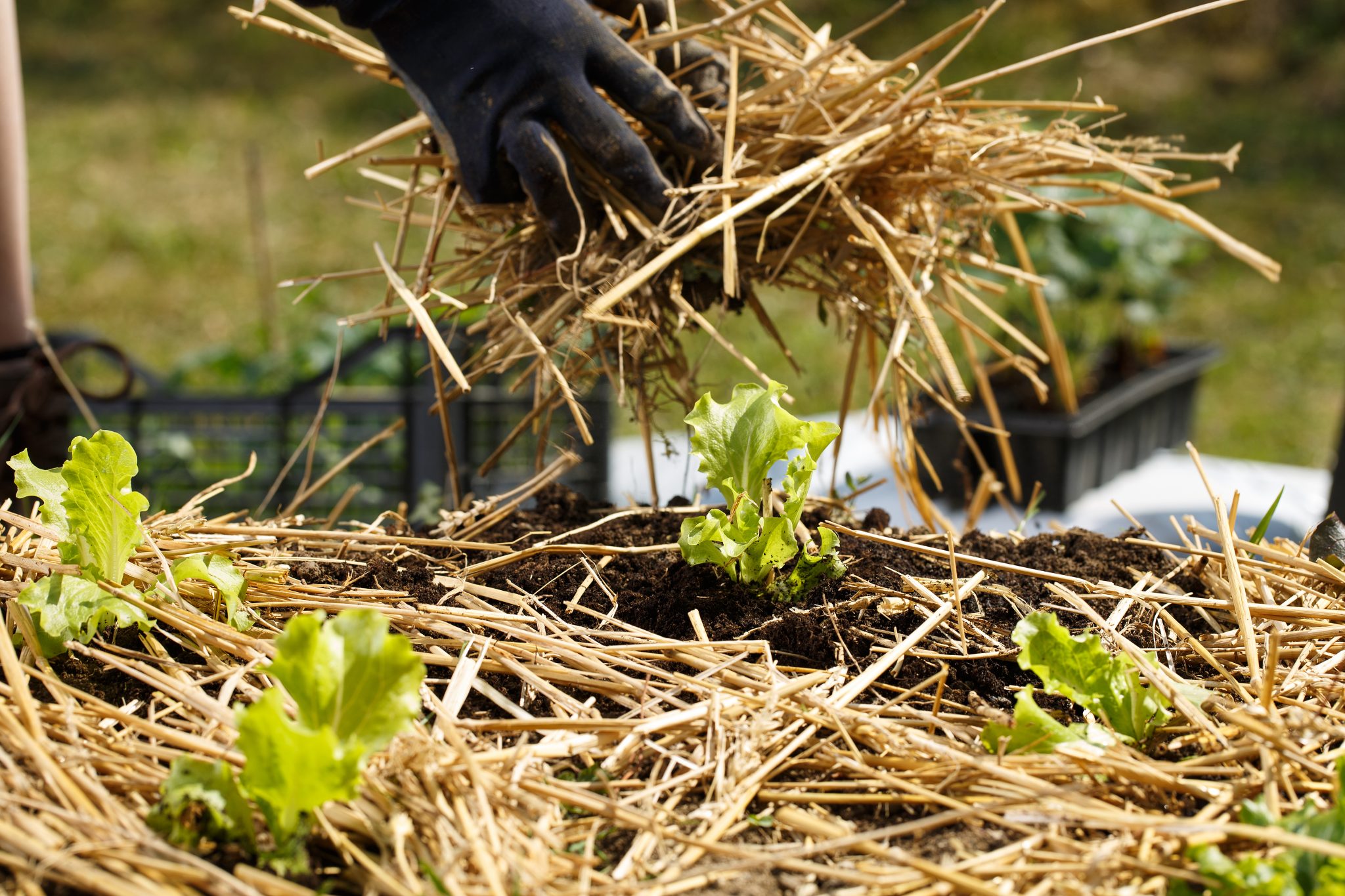
Implementing effective weed control strategies is crucial for maintaining a healthy garden. Using heavy-duty landscape fabric or cardboard as barriers can prevent weeds by blocking sunlight and hindering seed germination.
Applying a thick layer of organic mulch, such as straw or leaves, not only suppresses weeds but also retains moisture and improves soil quality in your raised garden beds.
It’s vital to ensure that your mulching technique doesn’t impede the drainage capabilities of the bed, as a well-draining bed is key to preventing root diseases and boosting plant health.
It’s vital to monitor and manually remove weeds before they can set seed and spread.
Adding cornmeal to the soil may inhibit weed growth, yet it’s important to use it cautiously to avoid harming your plants.
4. Improving Gardening Techniques
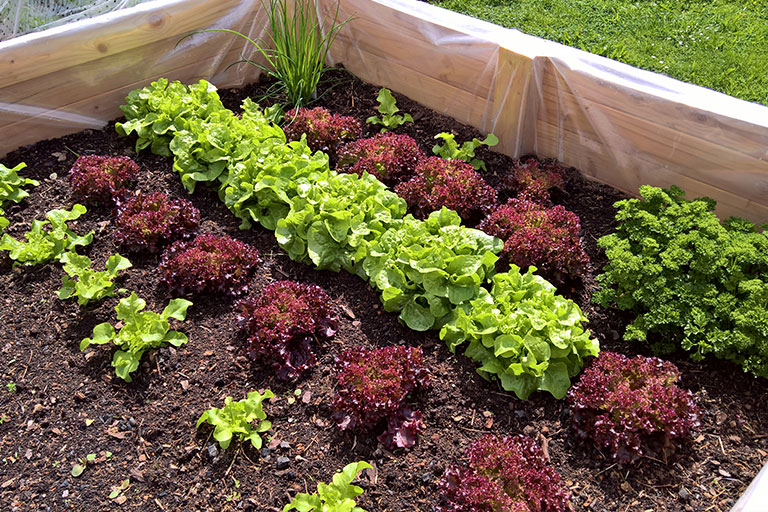
While weed control sets a solid foundation for garden success, refining your gardening techniques further enhances the health and productivity of your plants.
Implementing proper plant spacing is crucial; overcrowded plants suffer from reduced airflow, leading to increased pest and disease issues. Adhering to label recommendations on spacing lets each plant receive enough sunlight, reducing common gardening mistakes.
Regular soil testing, especially during the growing season, identifies nutrient deficiencies and allows for targeted organic fertilization, like using fish fertilizer for quick nitrogen absorption.
Additionally, mulching not only suppresses weeds but also retains soil moisture, crucial for your local plant types.
5. Enhancing Soil and Water Management
Why is your garden not thriving as expected? Often, the culprit is suboptimal soil and water management.

Enhancing soil quality by incorporating organic matter, like compost, can significantly uplift nutrient content and improve structure, which promotes better water retention and aeration.
Don’t overlook regular soil testing; it’s essential for identifying nutrient deficiencies and pH imbalances, allowing for precise amendments.
Proper watering techniques are crucial. Opt for morning irrigation to reduce evaporation loss.
Mulching is another key strategy; it conserves soil moisture, suppresses weeds, and stabilizes soil temperature, aiding root development.
Lastly, consider installing a drip irrigation system. It saves water and delivers it directly to the roots, minimizing waste and preventing soil over-saturation.