

In my experience, the choice between square and round pots for plants hinges significantly on your garden’s needs and aesthetic. Square pots, I’ve noticed, maximize space and reduce root circling, thereby enhancing root health and access to nutrients. They fit neatly together, which helps in organized, space-efficient layouts. On the other hand, round pots often provide better drainage and give a more classical, natural look to your settings. It really depends on what you’re growing and the look you’re going for. Exploring further can reveal more about how these shapes can cater to specific plants and garden designs.
Importance of Pot Shape

Understanding the importance of pot shape in plant cultivation is more than a matter of aesthetic preference; it’s a crucial factor that impacts root development and plant health.
Take square pots, for instance. These often hold up to 8% more soil than their round counterparts, providing enhanced nutrient access vital for plant growth. Unlike round pots, which tend to have tapered bases, square pots excel in fostering healthier root systems by reducing root circling.
Incorporating sustainable practices like using eco-friendly materials can further enhance pot performance and plant health. This design feature isn’t just about maximizing space—it’s about optimizing the conditions under which roots expand and strengthen.
Moreover, square pots improve irrigation efficiency by minimizing water spillage, ensuring that your watering efforts are as effective as possible.
Space Utilization Variations
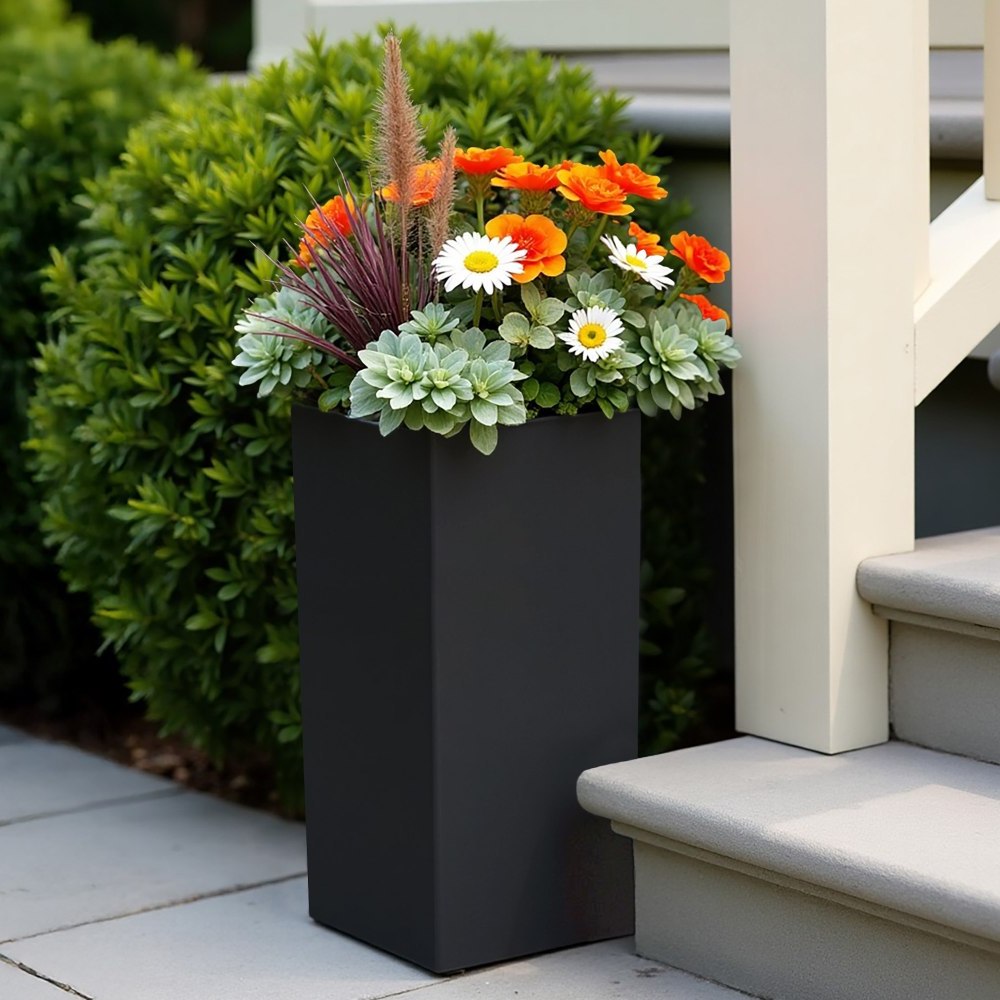
While square pots already offer advantages in terms of root development and water efficiency, their benefits extend further when considering spatial utilization in planting environments.
When you’re working with limited space, choosing a square planter can be a game changer. These planters allow for a tighter arrangement, maximizing the number of plants per square foot. In fact, square pots can increase soil volume by up to 8% compared to their round counterparts, providing more nutrients for each plant.
Moreover, their shape enables a more organized garden layout, perfect for structured planting in rows. Whether it’s a small indoor area or a compact urban garden, square pots optimize your space effectively, enhancing plant density and potentially increasing overall yield.
Additionally, using square pots aligns well with sustainable living practices, as they can be part of a comprehensive approach to efficient and environmentally friendly gardening, reducing the overall environmental footprint.
Root Growth Considerations

Many gardeners overlook the impactful role that pot shape plays in root development, yet choosing the right type can lead to significantly healthier plants.
Square pots, for instance, are particularly effective in mitigating root circling—a common issue in round pots where roots grow in tight circles, becoming entangled and potentially stunted. The flat sides of square pots encourage roots to spread downward and outward more uniformly, fostering a robust root system.
This design not only prevents the detrimental effects of root circling but also enhances nutrient uptake and plant stability. Furthermore, certain square pots feature ridges that help guide and distribute roots evenly, optimizing the plant’s growth potential and overall health.
In a similar vein to ensuring good drainage in raised garden beds, choosing the right pot shape is crucial for maintaining healthy root systems and overall plant vigor.
Water Management Basics
After considering how pot shape affects root growth, we must also focus on water management within these containers.
Water, influenced by gravity, settles at the bottom, establishing a perched water table. This zone’s height doesn’t change with pot size, underscoring the importance of proper irrigation.
While square pots may retain water more efficiently due to their design, round pots often require more frequent watering due to their shape affecting the soil’s surface area.
Ensuring well-aerated soil is crucial, as it facilitates excess moisture escape, reducing root rot risk.
Regardless of whether you use square or Round Planter, mastering watering techniques is essential. Choosing the right planter work is pivotal to maintaining the optimal amount of soil moisture and plant health.
Selecting Optimal Pot Height
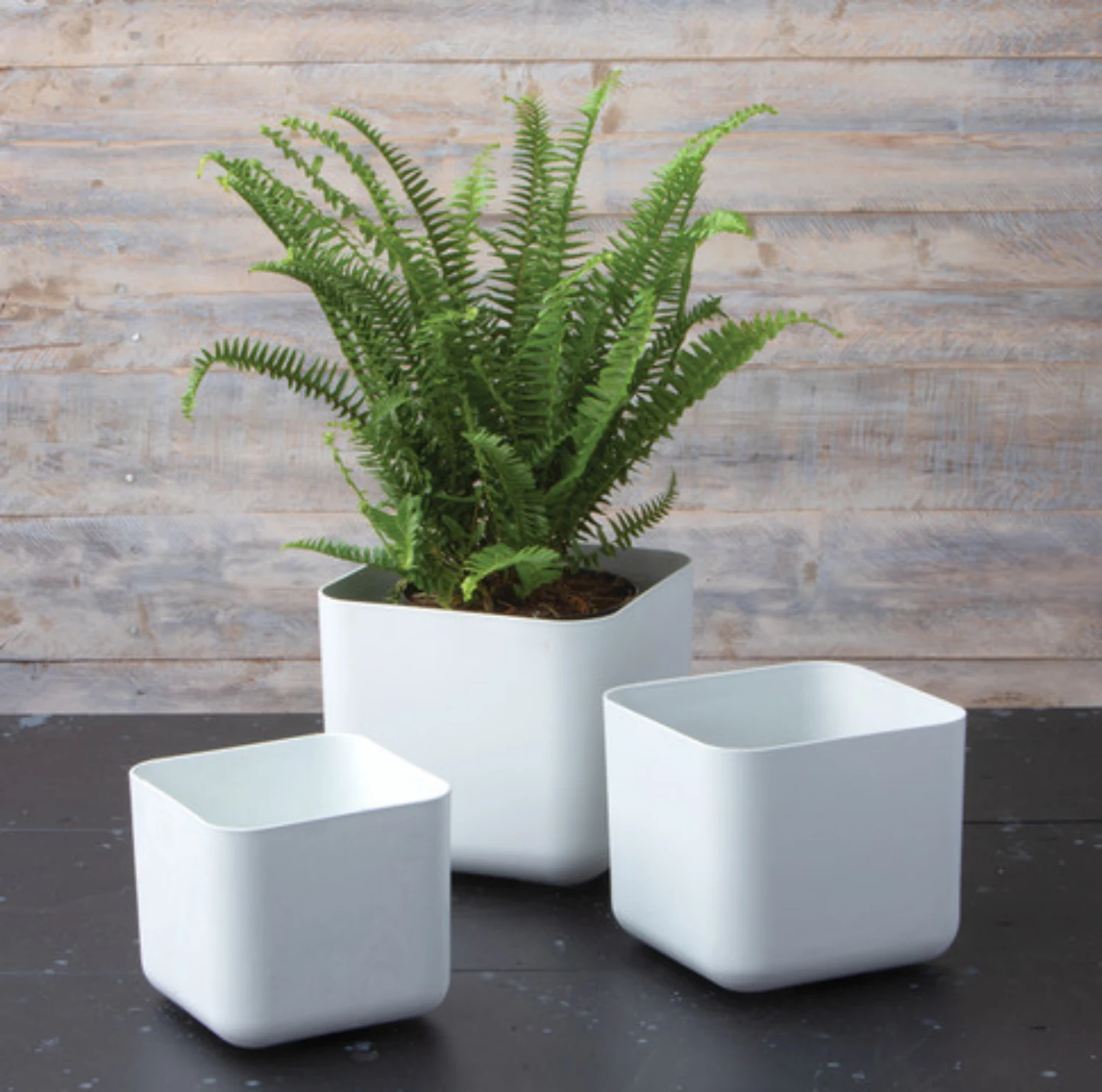
Often, I find that selecting the appropriate pot height is as crucial as choosing its shape. Short pots perfectly suit succulents and shallow-rooted plants like some herbs, optimizing their access to nutrients and facilitating better water management.
Conversely, tall pots are indispensable for larger trees and deep-rooted plants. They not only accommodate the extensive root systems necessary for their growth but also enhance nutrient uptake essential for their health.
Moreover, matching pot height to the plant type isn’t just about fitting roots comfortably; it significantly influences drainage and aeration quality. Proper pot height helps prevent root issues, such as rot, by ensuring enough space for air and moisture to circulate efficiently, leading to healthier plants and more bountiful yields.
Aesthetic and Design Choices
While selecting the right pot height is important for the health and growth of plants, the shape and design of the pot also play significant roles in both plant performance and garden aesthetics.
Square pots, with their structured symmetry and defined edges, enhance contemporary designs, offering a clean, organized look that’s perfect for urban settings. Their geometric shape allows for efficient use of space, which is a boon in smaller gardens.
On the other hand, round pots bring an organic feel with their gentle curves, promoting a natural flow that’s ideal for informal garden spaces. They support diverse plant arrangements, encouraging clustering that creates visually intriguing patterns.
Combining both shapes can achieve a dynamic balance, mixing soft and structured elements for a compelling garden design.

Product Features and Benefits
Choosing the right pot for your plants involves more than just aesthetic appeal; it significantly impacts their health and growth.
Square pots provide up to 8% more soil volume than their round counterparts, offering better nutrient access. This enhanced soil capacity supports healthier root systems, crucial for robust plant development.
Unlike round pots, which often encourage root circling, square pots promote a more natural root growth pattern, reducing stress on the plant and improving overall stability.
While round pots boast a classic look and are cost-effective, their tapered bases are mainly about style.
In contrast, the straight edges of square pots maximize space, making them perfect for tight, organized garden displays or herb collections.
Professional Opportunities
In today’s competitive landscape, as a landscape architect or designer, you have the unique opportunity to distinguish your projects by selecting customizable square and round pots that precisely meet your design requirements.
Partnering with businesses that offer exclusive access to versatile planter sizes and designs can give you a significant advantage. You’ll find that tapping into a wholesale range of durable, stylish fiberglass planters greatly appeals to both residential and commercial clients.
Furthermore, providing educational content on planter usage equips you to better serve your clients, strengthening relationships and encouraging repeat business.
Staying attuned to community feedback allows you to adapt to evolving tastes, ensuring your designs remain at the forefront of industry trends.
Watering, Drainage, and Maintenance
Many gardeners overlook the significant impacts that pot shape can have on watering, drainage, and overall plant maintenance.
Square pots, for instance, minimize water spillage in crowded setups, ensuring each plant gets its due share without waste. They also retain moisture more effectively, which means I can control soil dampness better, avoiding the pitfalls of dry spells or oversaturation.
However, round pots excel in preventing waterlogging through their enhanced drainage capabilities, which is crucial for preventing root diseases like rot.
In tight spaces, square pots are a godsend. They line up neatly, making it easier to manage several plants.
Both shapes demand vigilant watering practices to safeguard plant health, underscoring the importance of tailored irrigation strategies.
Cost and Accessibility Analysis
While the shape of pots significantly influences watering and maintenance strategies, their cost and availability also play vital roles in decision-making for gardeners.
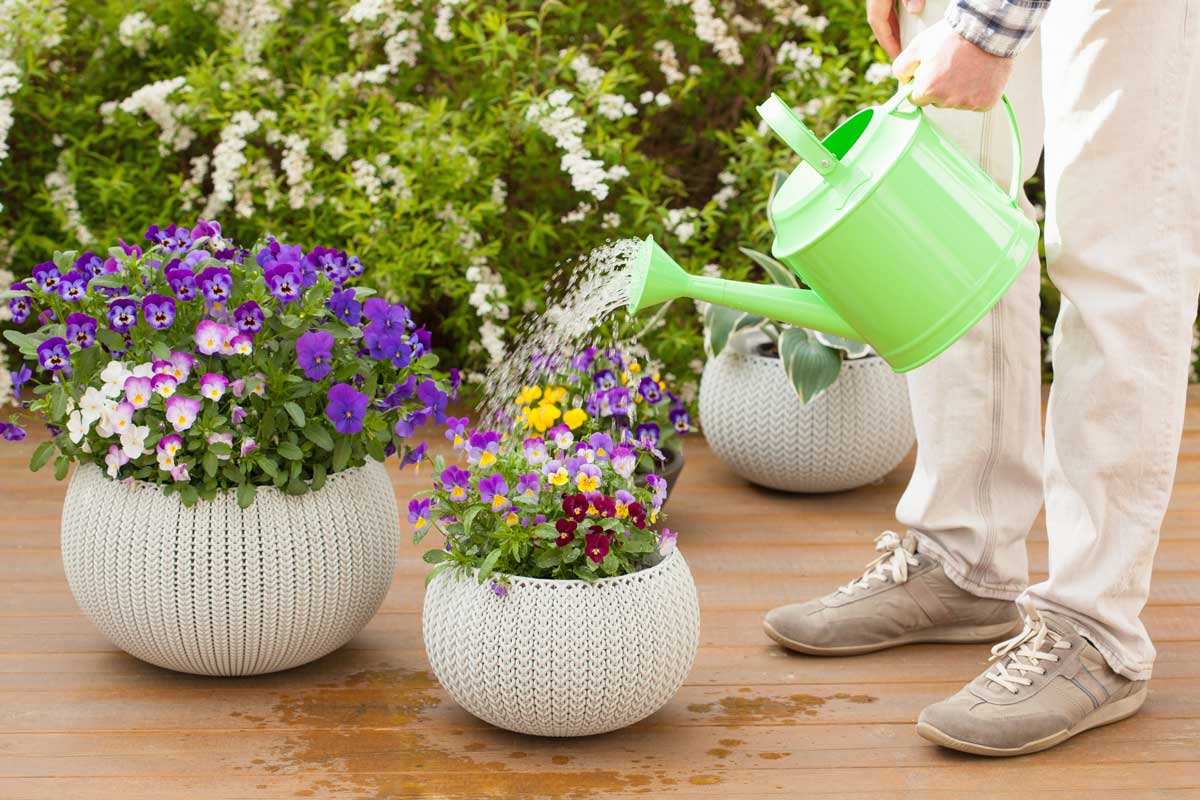
Round pots, typically more affordable and widely available, appeal to budget-conscious gardeners. They’re a staple in both local and online stores, making them an easy pick.
On the other hand, square pots often come with a higher price tag due to their specialized design and manufacturing process. However, they provide excellent space utilization, which is a boon in compact gardening spaces.
For those managing larger projects, the cost difference can add up, influencing the choice between round and square options.
Additionally, alternatives like 5-gallon buckets and grow bags offer versatility and effective drainage at a lower cost, broadening options for every gardener.
Growth Performance Comparison
Exploring the impact of pot shapes on plant growth reveals significant differences between square and round containers.
Research shows square pots may enhance root health by preventing root circling, allowing a more uniform root distribution. This can lead to larger leaves and better overall health in seedlings during the critical early stages of growth.
Additionally, the spatial efficiency of square pots improves the arrangement in gardens, potentially boosting growth in herbs and vegetables.
On the other hand, while round pots might prevent root binding by encouraging a natural circular root system, they often suffer from slower growth rates due to potential root circling, impacting nutrient uptake and plant vigor adversely compared to square pots.
Choosing the Right Fit
Understanding the differences in growth performance between square and round pots sets the stage for making an informed decision about which type to use in your garden.
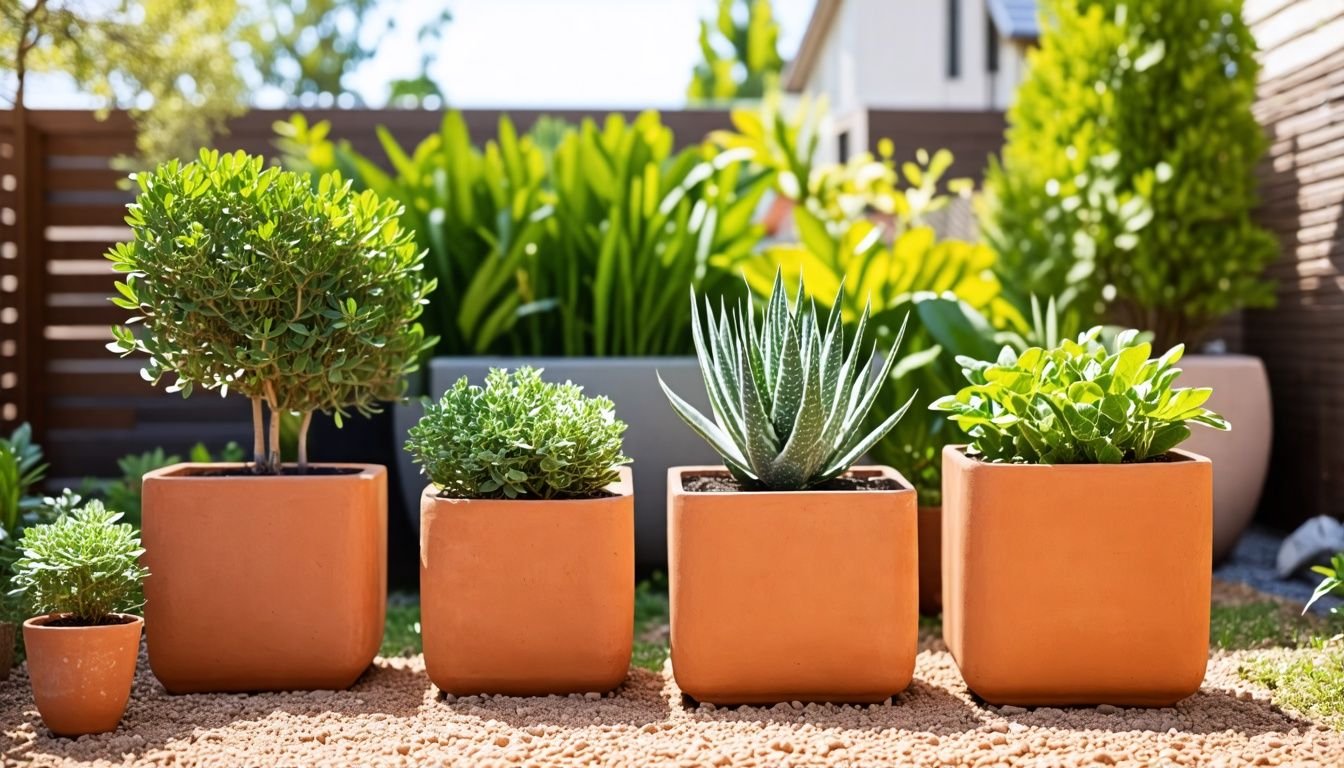
If you’re aiming for a garden with a structured layout, square pots are your go-to. They maximize planting area and enhance organization, ideal for contemporary settings where crisp lines dominate.
On the other hand, if you prefer a garden that evokes a more natural and informal vibe, round pots are more suitable. They not only offer flexibility in placement but also generally provide better drainage and moisture retention, essential for plant health.