

For bountiful French Lavender growth, choose a sunny, well-drained spot with sandy soil. Prioritize drainage to prevent waterlogging. Plant in spring and water sparingly. Prune wisely – early spring for cold climates and late summer for warm regions. Consider air circulation to fend off pests. When harvesting, aim for the morning and dry blooms properly. Propagating? Opt for healthy stems in moist soil. And that’s just the beginning – there’s much more to know for optimal growth and blossoms.
Planting French Lavender
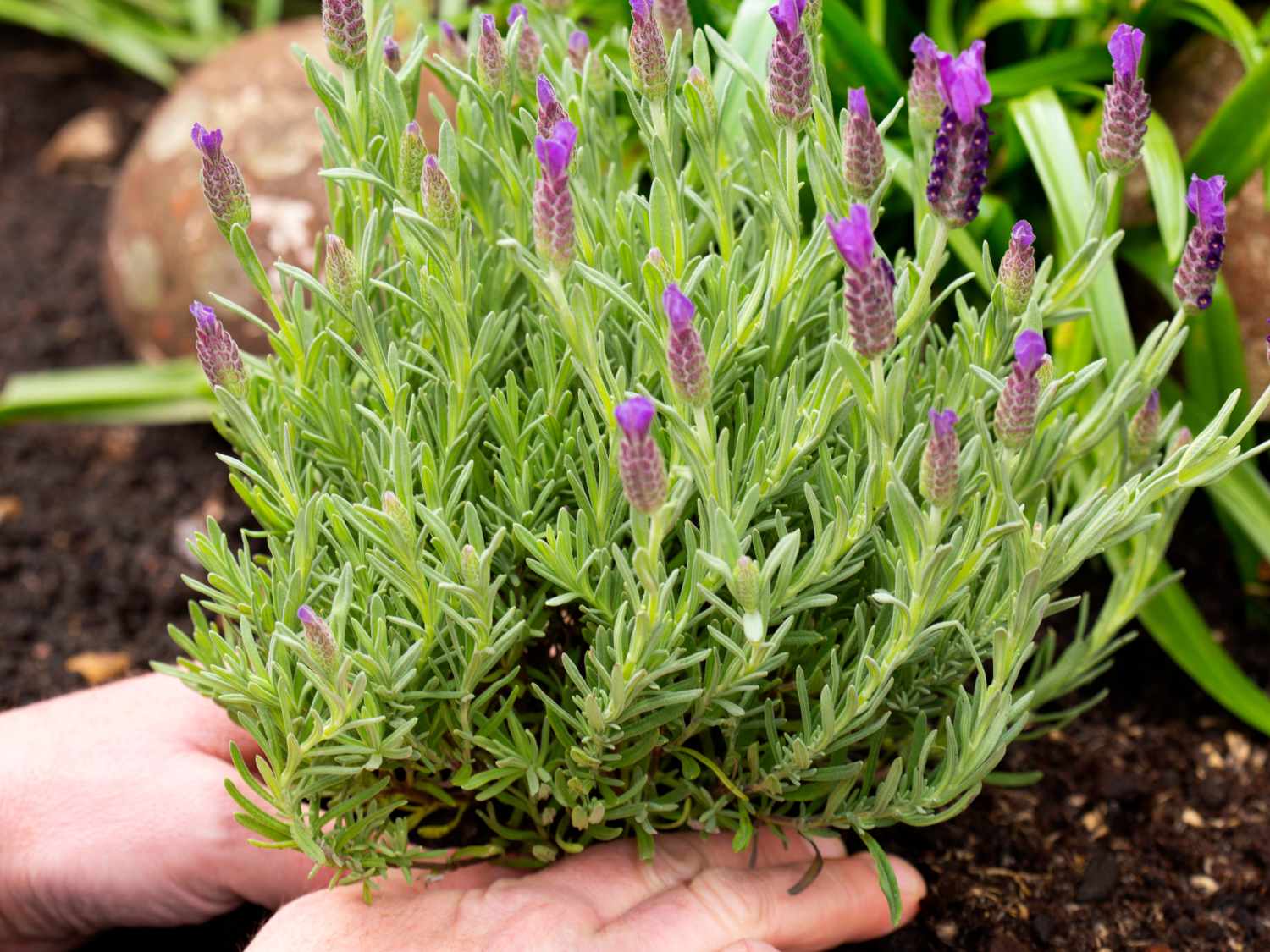
To successfully plant French lavender, ensure you choose a well-drained, sunny location with full sun exposure for optimal growth. French lavender, known for its fragrant blooms and drought tolerance, thrives in dry conditions. When planting, it is crucial to select a site with excellent drainage to prevent waterlogging, as this can lead to root rot. Prepare the soil by mixing in grit or gravel to enhance drainage, especially if your soil tends to retain moisture. Consider using a container mix consisting of 75% compost and 25% grit or perlite to further improve drainage for potted French lavender plants. Planting in spring as the soil warms up is ideal, allowing the lavender to establish itself before the hot summer months. Remember that French lavender prefers poor, chalky, or dry soil conditions, making it well-suited for areas with minimal fertility. By providing these optimal conditions, you can ensure that your French lavender thrives and produces an abundance of beautiful blooms.
Growing Conditions for French Lavender
:max_bytes(150000):strip_icc()/french-lavender-growing-guide-5194430-hero-817e5b2952d34289b6fbc37fcfc27f9a.jpg)
French lavender thrives best in sunny, dry conditions with alkaline soil, making it well-suited for Mediterranean-like climates. Adequate sunlight is crucial for the growth and blooming of French lavender plants. Aim for at least 6 to 8 hours of direct sunlight daily to ensure vibrant blooms and healthy foliage. These plants prefer well-draining soil to prevent waterlogging, which can lead to root rot. When planting French lavender, choose a location with good air circulation to reduce the risk of fungal diseases.
In regions with hot summers, providing afternoon shade can help protect the plants from scorching temperatures. However, full sun exposure is generally preferred for optimal growth. French lavender’s ability to thrive in poor soil conditions makes it a versatile choice for various garden settings. Remember to avoid planting French lavender in areas prone to water stagnation, as this can harm the plant’s root system. By ensuring these growing conditions are met, you can enjoy the beauty and fragrance of French lavender year-round.
Soil Preparation for French Lavender

Preparing the soil for growing French lavender involves creating optimal drainage conditions to support the plant’s development. French lavender thrives in well-draining soil, making it essential to ensure proper water flow to prevent waterlogging that can be detrimental to the plants. To achieve this, consider the following steps:
- Choose the Right Soil Type: Opt for sandy or loamy soil that allows for good drainage, avoiding heavy clay soils that retain water.
- Incorporate Gravel Mulch: Adding gravel mulch to the soil can aid in improving drainage by creating air pockets and preventing excess water accumulation around the roots.
- Elevate Planting Beds: If planting in areas prone to waterlogging, consider creating raised beds to further enhance drainage and protect the French lavender’s root system.
Watering French Lavender Plants
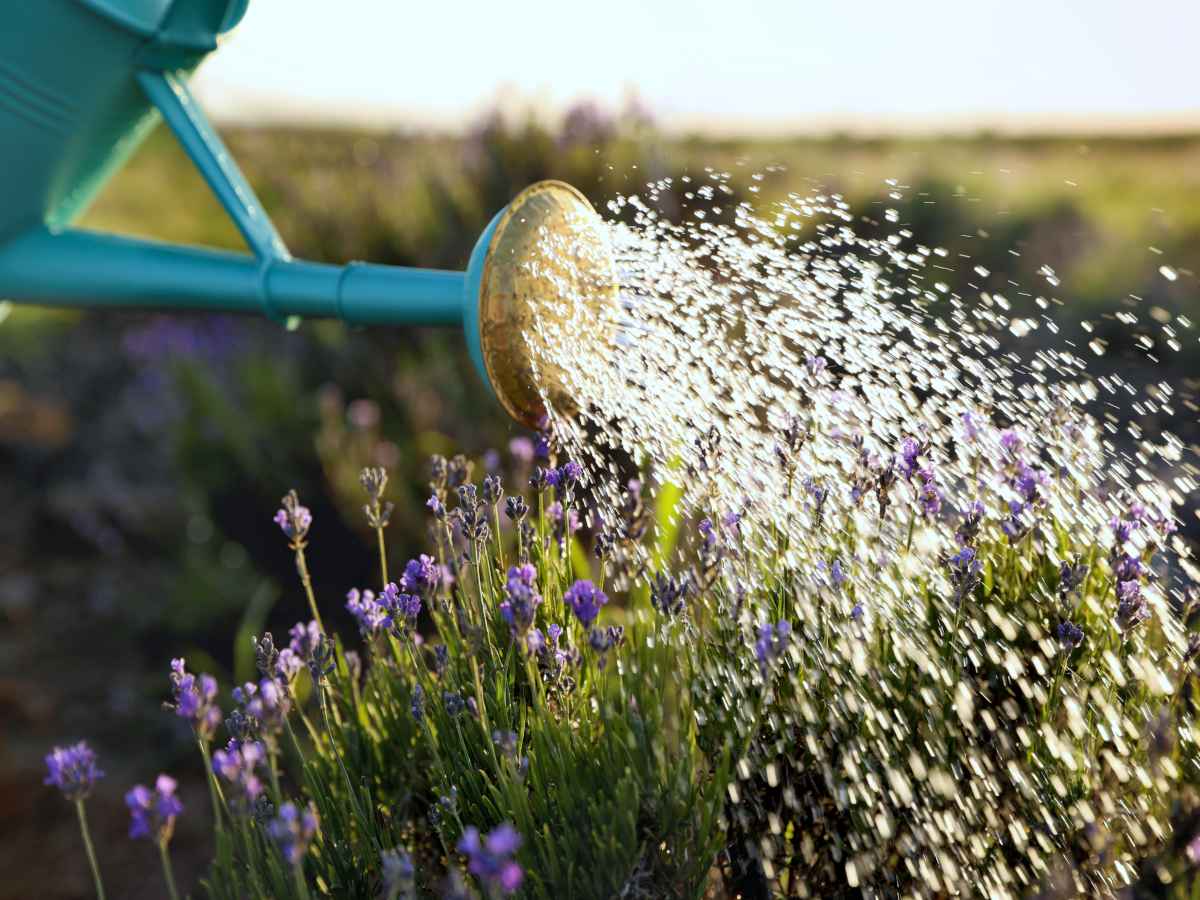
For optimal growth and health of your French lavender plants, proper watering practices are crucial. When newly planted, French lavender should be watered sparingly until blooms appear to prevent the risk of root rot. Established plants generally require minimal watering, except during periods of extreme heat and drought. In regions with high rainfall, it is advisable to plant French lavender on a berm with gravel mulch to enhance drainage and reduce the likelihood of overwatering. During the summer, it is essential to avoid excessive watering to prevent root rot, which poses a significant threat to French lavender plants. Remember, overwatering can be more harmful than underwatering for these plants. By maintaining a balanced watering routine, you can promote the overall health and longevity of your French lavender garden, ensuring vibrant blooms and strong root systems.
Pruning Techniques for Lavender
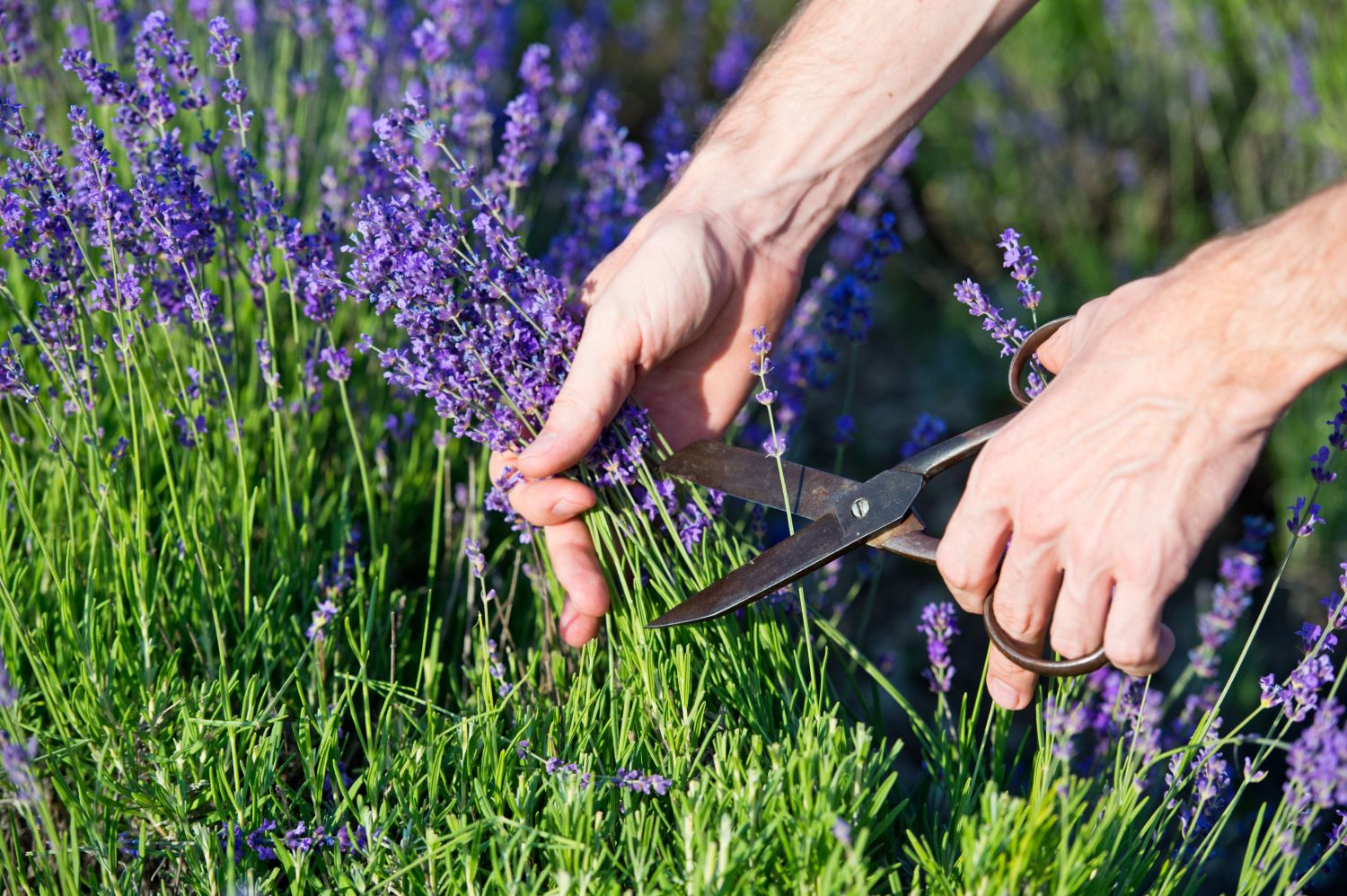
To effectively maintain the health and blooming potential of lavender plants, understanding proper pruning techniques is essential. When it comes to French lavender plants, pruning plays a vital role in ensuring their continuous growth and flowering. Here are some key pruning techniques for French lavender:
- Timing Matters: Prune French lavender in early spring if you’re in colder climates, and for warmer regions, opt for late summer to early fall pruning. This timing aligns with the plant’s growth cycle and prepares it for the upcoming season.
- Cutting Back: When pruning, make sure to cut the plants back to knee height or to healthy growth levels. This practice stimulates the development of new blooms and keeps the plant compact and bushy.
- Avoid Old Wood: It’s crucial to avoid cutting into old wood as French lavender does not regrow from it. Focus on trimming the younger, healthier stems to encourage robust growth.
Fertilizing French Lavender
Fertilization is typically unnecessary for French lavender due to its preference for poor, nutrient-deficient soil. This plant thrives in soils that are neutral to alkaline and have low nutrient content. French lavender is sensitive to rich, nitrogen-heavy fertilizers which can result in reduced flower production. When it comes to fertilizing French lavender, less is more. Excessive fertilization can lead to leggy growth and a decrease in flowering. Instead of focusing on fertilizers, prioritize providing well-draining soil and ensuring your plants receive ample sunlight. By maintaining the natural conditions that French lavender favors, you can promote healthy growth and abundant flowering. Remember, the key to successful cultivation of French lavender lies in creating an environment that mimics its native habitat, where nutrient-poor soil is the norm. Trust in the plant’s resilience and ability to thrive without the need for additional fertilization.

Managing Pests on Lavender Plants
Dealing with pests on French lavender plants requires vigilant monitoring and timely intervention to safeguard the plants’ health and productivity. To effectively manage pests on your lavender plants, consider the following practical tips:
- Whiteflies and Gray Mold: Keep an eye out for whiteflies and gray mold, common pests that can harm French lavender. If you notice an infestation, gently spray the plants with water and insecticidal soap to deter these pests without harming the lavender.
- Root Weevils: Root weevils can pose a threat to the roots of your lavender plants. If you suspect a root weevil infestation, repotting your French lavender in fresh, well-drained soil can help eliminate these pests and protect the plant’s root system.
- Preventative Measures: To maintain the health and vitality of your French lavender, ensure the soil is well-drained and the plants are adequately spaced to prevent fungal diseases and root rot, which can attract pests. Regularly inspect your lavender plants for any signs of pest activity and take prompt action to control infestations. Proper pest control measures are essential for the successful cultivation of French lavender.
Common Diseases in Lavender Plants

Monitoring and promptly addressing common diseases in lavender plants is crucial for maintaining their health and productivity. Several diseases can affect lavender, including powdery mildew, root rot, gray mold, and whiteflies. Here is a table summarizing these common diseases and their characteristics:
| Disease | Causes | Symptoms |
|---|---|---|
| Powdery Mildew | High humidity, poor air circulation | White powdery spots on leaves |
| Root Rot | Overwatering, poorly-drained soil | Wilting, yellowing of leaves |
| Gray Mold | Wet weather | Brown spots, decay on the plant |
| Whiteflies | Common pests, transmit viruses | Stunted growth, yellowing of leaves |
To prevent these diseases, ensure proper spacing between plants, good drainage to avoid waterlogging, and refrain from overhead watering. Regularly inspect your lavender plants for signs of diseases, and promptly take action to maintain the health and vitality of your plants.
Harvesting French Lavender

To ensure the highest quality and potency in your French lavender, proper harvesting techniques are essential. When it comes to harvesting French lavender, follow these key steps:
- Harvest in the morning after the dew has dried: This timing helps preserve the essential oils in the lavender flowers, ensuring a more fragrant end product.
- Cut flower stems right above the leaves: By snipping the stems in this manner, you encourage optimal regrowth and the development of future blooms.
- Harvest lavender flowers before full bloom: Picking the flowers before they fully open not only provides the best fragrance but also helps retain the vibrant color of the lavender.
Following these harvesting guidelines will help you obtain the best quality essential oils and dried lavender. Remember to dry the harvested lavender in a dark, well-ventilated area to prevent mold growth and store the dried French lavender in airtight containers away from sunlight to maintain its fragrance and potency over time.
Propagating Lavender Cuttings
Propagating French lavender cuttings can be done effectively during the summer months using semi-ripe stems. Begin by selecting a healthy 4-6 inch stem below a leaf node. Remove the lower leaves to expose the nodes. Dip the cut end in rooting hormone to encourage root development.
Next, plant the prepared cutting in well-draining soil, ensuring it remains consistently moist. Covering the cutting with a plastic bag can help maintain humidity levels conducive to root growth. Place the cutting in an area with indirect light and maintain a warm environment. Roots typically start forming within 2-4 weeks.
Once the cutting has developed a healthy root system, transplant it into individual pots filled with well-draining soil. Care for the new plants as you would for mature French lavender specimens, ensuring they receive adequate sunlight and water. This propagation method offers a cost-effective way to expand your French lavender garden.

Essential Tips for French Lavender Care
For successful cultivation of French lavender, prioritize providing well-drained soil and ample sunlight. French lavender, known for its beautiful blooms and aromatic fragrance, requires specific care to thrive in your garden. Here are some essential tips to ensure your French lavender plants flourish:
- Well-Drained Soil: French lavender is susceptible to root rot in waterlogged soil, so ensure proper drainage by adding sand or gravel to your planting area.
- Full Sun Exposure: Position your French lavender where it will receive at least 6-8 hours of sunlight daily to promote healthy growth and abundant flowering.
- Pruning Techniques: When pruning French lavender, be cautious not to cut into the woody stems, as this can hinder new growth. Trim back spent blooms to encourage continuous flowering throughout the season.