
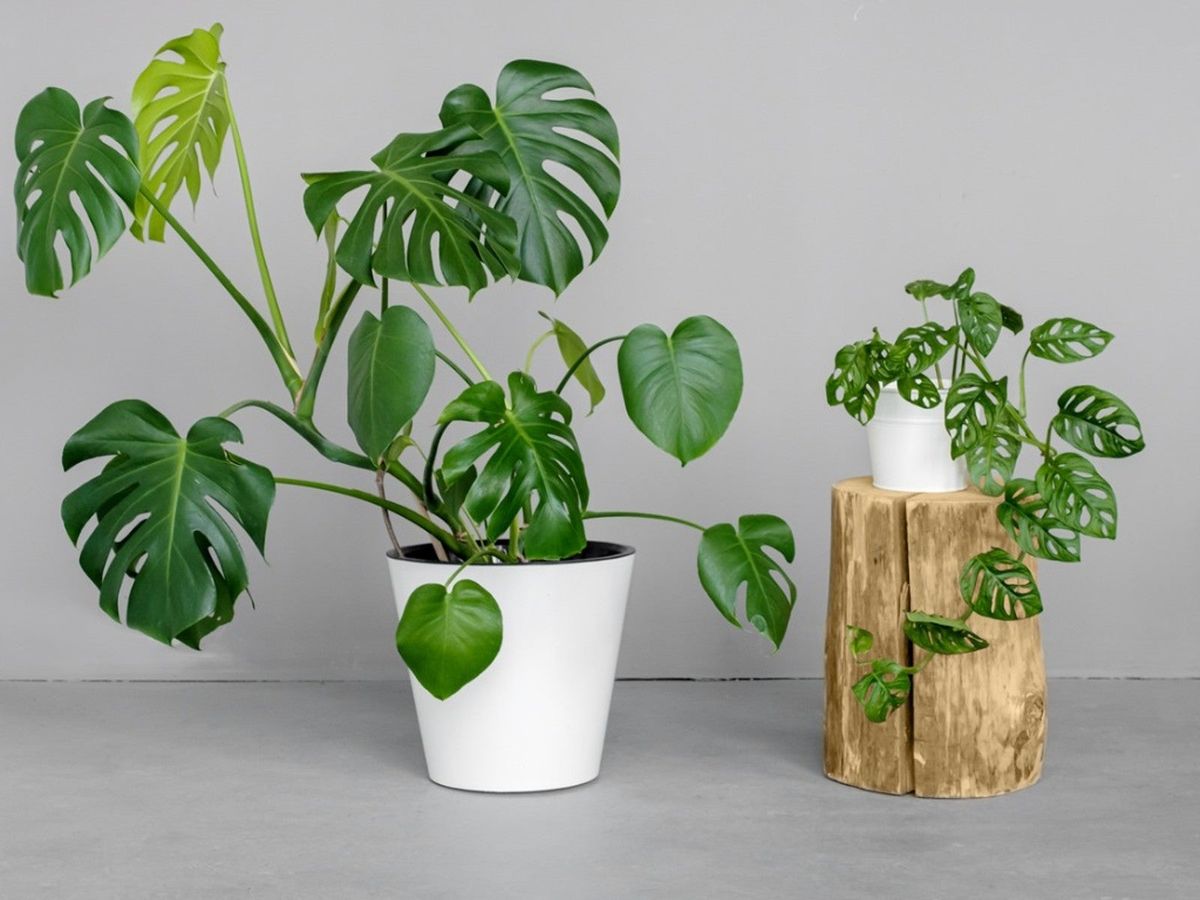
If you have a leggy Monstera adansonii, it’s likely due to insufficient light, unbalanced fertilization, or improper watering. Prune your plant correctly and at the right time to encourage new growth. When repotting, choose the right pot and mix to support healthy root development. Use the appropriate fertilizer, maintaining a consistent schedule to address legginess. Keep an eye out for pests and diseases, ensuring good air circulation and preventing root rot. Utilize support like moss poles for vertical growth. Remember, proper care is key to nurturing your Monstera adansonii back to health.
Leggy Monstera Adansonii Symptoms
Leggy Monstera Adansonii exhibits symptoms characterized by the presence of long, slender stems and sparse foliage, indicating possible underlying issues affecting the plant’s overall health. These symptoms manifest as leggy growth, where the plant appears stretched out with elongated spaces between leaves due to insufficient light exposure. Additionally, overcrowded roots may contribute to the weakened stems and reduced leaf size observed in a leggy Monstera Adansonii.
Pruning plays a crucial role in managing legginess by encouraging new growth and promoting a bushier appearance. By selectively trimming back leggy stems, you can redirect the plant’s energy towards developing more compact and robust foliage. Regular pruning also helps maintain the overall health and aesthetic appeal of your Monstera Adansonii.
Understanding the symptoms associated with leggy growth in Monstera Adansonii allows you to identify potential issues early on and take proactive measures such as adjusting light levels, repotting to alleviate overcrowded roots, and implementing a proper pruning regimen to ensure the vitality and beauty of your plant.
Impact of Insufficient Light on Legginess
Insufficient light exposure negatively impacts Monstera Adansonii plants, leading to the development of long, sparse stems and small, widely spaced leaves. When your Monstera Adansonii doesn’t receive adequate light, it struggles to photosynthesize efficiently, resulting in weak stems and a poor overall appearance. Here’s how insufficient light influences the leggy growth of your plant:
- Stem Stretching: The lack of light causes your Monstera Adansonii to elongate its stems in search of light, making it appear leggy.
- Sparse Foliage: Insufficient light hampers leaf development, leading to smaller and sparser leaves that are spaced far apart on the stems.
- Weak Plant Structure: The stems of a leggy Monstera Adansonii grown in low light conditions are weaker and less able to support the plant’s foliage adequately.
- Preventative Measures: Providing bright, indirect sunlight near a window can help prevent and address leggy growth, ensuring a healthier and more robust appearance for your Monstera Adansonii plant.
Pruning Techniques for Leggy Growth
When pruning your leggy Monstera Adansonii, ensure you use sharp, clean pruners to prevent damage. Timing is crucial; prune during the plant’s active growth period for best results. Proper pruning techniques involve cutting below a growth node to encourage new shoot development and fuller foliage.
Proper Pruning Methods
To address leggy growth in your Monstera Adansonii plant, employing proper pruning methods is essential for maintaining its overall health and appearance. When pruning your Monstera Adansonii, follow these proper techniques to encourage new growth and prevent legginess:
- Cut Below a Growth Node: Ensure to make clean cuts just below a growth node. This technique stimulates the plant to produce new shoots, promoting a bushier appearance.
- Limit Pruning Amount: It is advisable not to prune more than one-third of the plant at a time. Over-pruning can stress the plant and hinder its growth.
- Promote a Fuller Canopy: By utilizing proper pruning techniques, such as selective removal of leggy stems, you can help the plant develop a denser and healthier canopy.
- Regular Pruning Schedule: Establish a routine pruning schedule during dormancy periods to maintain the plant’s shape and prevent legginess. Consistent pruning can lead to a more robust and aesthetically pleasing Monstera Adansonii plant.
Timing for Pruning
For optimal growth and to address leggy growth in your Monstera Adansonii plant, it is crucial to prune during dormancy in late winter to early spring. Timing for pruning is key as the plant is less active during this period, reducing the stress of cutting. When thinning out leggy growth, ensure you use sharp, clean pruners to make precise cuts. This helps prevent unnecessary damage to the plant and promotes quicker healing. By cutting below a growth node, you not only encourage new growth but also have the opportunity to propagate new plants from the cuttings. Remember, it’s essential not to prune more than one third of the plant at a time. Overpruning can stress the plant and hinder healthy regrowth. By following these guidelines and pruning at the right time with the right tools, you can effectively manage the size of your Monstera Adansonii, promote new growth, and maintain a lush and full appearance.
Encouraging New Growth
Pruning techniques for addressing leggy growth in your Monstera Adansonii plant involve strategically removing excess stems to encourage new growth and promote a fuller foliage appearance. To encourage healthy growth and maintain the plant’s vigor, follow these tips:
- Cut Below Growth Nodes: When pruning, make cuts just below a growth node to stimulate new shoots and encourage aerial root development. This method helps the plant redirect its energy into producing new, bushier growth.
- Limit Pruning Amount: To prevent stress on the plant, avoid removing more than one third of its stems during each pruning session. This approach ensures that the Monstera can recover quickly and continue growing vigorously.
- Timing Matters: Optimal pruning times for Monstera plants are during dormancy, typically from late winter to early spring. Pruning during this period promotes new growth as the plant naturally enters a phase of increased activity.
- Regular Maintenance: Consistent pruning not only controls the size of your Monstera but also strengthens its stems and helps maintain a lush and healthy appearance over time.
Repotting for Healthy Root Development
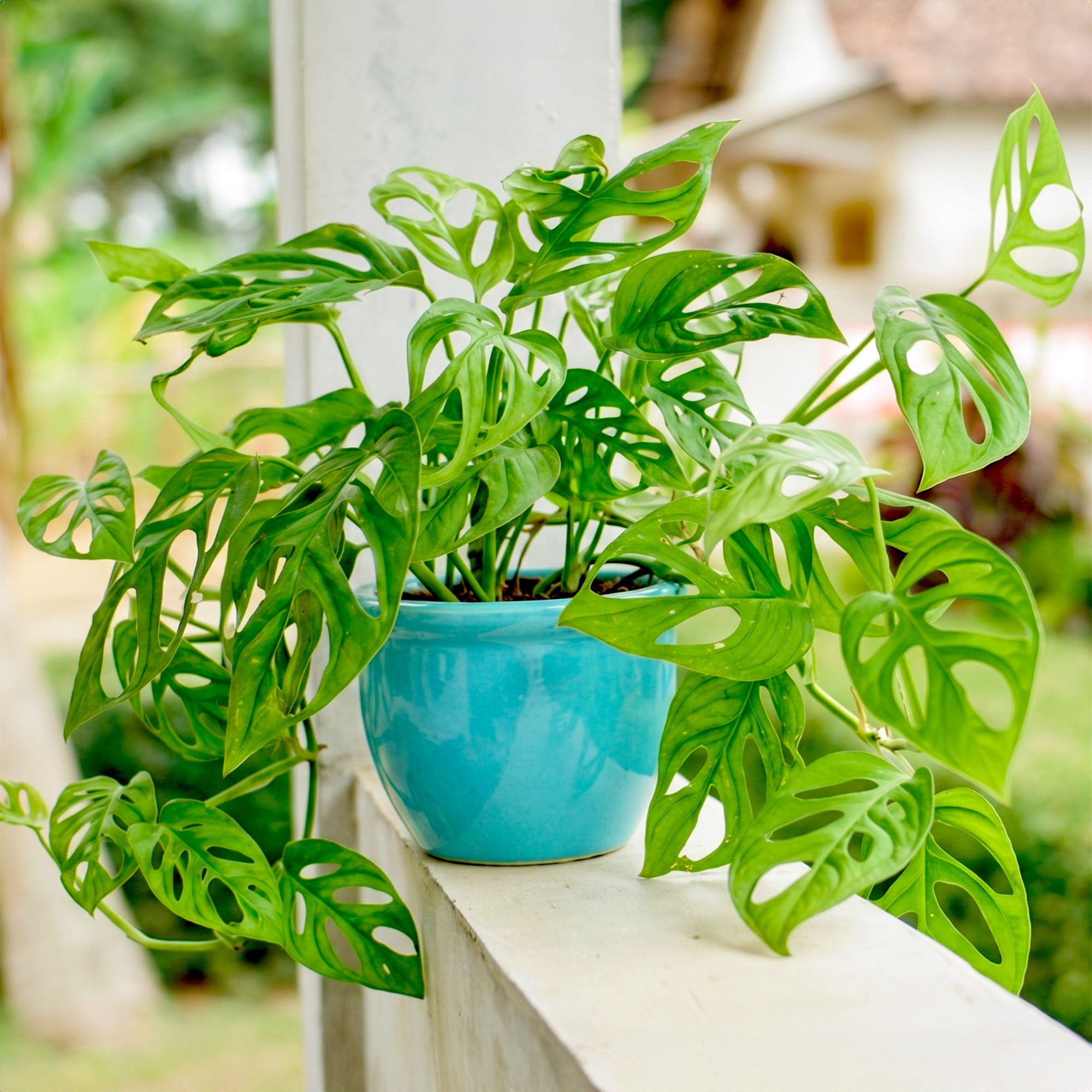
Repotting Monstera Adansonii is crucial for fostering robust root development and preventing leggy growth. When repotting your Monstera, ensure you select a pot that is slightly larger than the current one to allow for root expansion without being excessively oversized. This prevents the plant from becoming root-bound, a condition that can lead to leggy growth. Choosing a well-draining potting mix is essential as it promotes healthy root development by preventing waterlogging, which can cause root rot. Additionally, opt for a pot with drainage holes to further avoid water accumulation at the bottom.
During the repotting process, gently loosen the roots to stimulate new growth and encourage them to spread into the fresh soil. Repotting during the active growing season, typically in spring or early summer, is ideal as it allows the plant to adapt to its new environment more readily, promoting lush foliage and overall health. By following these repotting guidelines, you can support healthy root development and prevent legginess in your Monstera Adansonii.
Fertilizing to Address Legginess
To address legginess in your Monstera Adansonii plant, consider fertilizing with a nitrogen-rich fertilizer to promote lush growth. Nitrogen is essential for leaf development and can help fill in sparse foliage caused by legginess. Regular fertilization every two weeks during active growth periods is crucial in combating legginess. Opting for a balanced fertilizer ensures proper nutrient uptake, supporting overall plant health.
- Choose the Right Fertilizer: Opt for a nitrogen-rich fertilizer with a higher first number in the N-P-K ratio to encourage leafy growth and combat legginess.
- Fertilize Strategically: Apply fertilizer every two weeks during the growing season to provide a continuous supply of nutrients, aiding in addressing legginess.
- Monitor Plant Response: Observe your Monstera Adansonii for signs of new growth and improved foliage density after initiating a fertilization regimen to gauge its effectiveness.
- Consider a Balanced Approach: While nitrogen is crucial, ensure the fertilizer contains a balanced blend of nutrients to support overall plant health and prevent deficiencies that can exacerbate legginess.
Proper Watering Practices
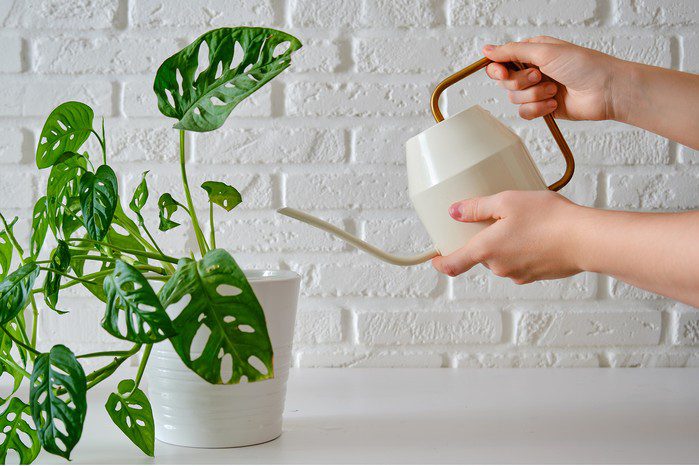
When caring for a leggy Monstera Adansonii, it is essential to adhere to proper watering practices to maintain optimal plant health. Proper watering practices involve checking the soil moisture levels and watering when the top inch of soil feels dry. Overwatering can lead to root rot, while underwatering can cause wilting and stress on the plant. To prevent these issues, make sure to use a well-draining potting mix that allows excess water to escape easily.
When watering your Monstera Adansonii, ensure that you water the plant thoroughly until water starts draining out of the bottom of the pot. This ensures that the entire root system receives adequate moisture. Remember to empty the saucer beneath the pot to prevent water accumulation, which can lead to root problems.
Maintaining a consistent watering schedule is crucial for the health of your plant. Adjust your watering routine based on environmental factors such as temperature and humidity to ensure your leggy Monstera Adansonii thrives.
Preventing Pests and Diseases
Regularly inspecting your Monstera Adansonii for pests like spider mites, mealybugs, and scale insects is crucial in preventing potential infestations and maintaining the plant’s health. To ensure your plant remains healthy and pest-free, follow these key preventive measures:
- Maintain Proper Air Circulation: Adequate air circulation around your Monstera Adansonii can help prevent fungal diseases by reducing excess moisture that promotes their growth.
- Use Organic Insecticidal Soap: When dealing with common pests like spider mites or mealybugs, consider using organic insecticidal soap or neem oil as effective and eco-friendly solutions for treatment.
- Monitor for Signs of Root Rot: Keep an eye out for symptoms such as yellowing leaves or wilting, as these can indicate the presence of root rot, a common issue that can affect the health of your plant.
- Quarantine New Plants: Before integrating new plants into your Monstera collection, quarantine them to prevent the introduction of pests and diseases that could harm your existing plants.
Utilizing Support for Monstera Growth
Support structures such as moss poles and trellises play a crucial role in promoting healthy growth and preventing legginess in your Monstera Adansonii plant. By providing adequate support, you can encourage your Monstera to grow vertically, resulting in a more compact and lush appearance. Moss poles offer stability for the climbing vines, allowing them to attach and climb, which ultimately leads to fuller foliage. On the other hand, trellises help guide the growth of your Monstera Adansonii upwards, preventing it from sprawling and becoming leggy.
| Support Type | Benefits | Installation |
|---|---|---|
| Moss Poles | Provides stability for climbing vines | Insert into the soil near the plant and secure the vines to it using ties or clips. |
| Trellises | Guides Monstera growth vertically | Place the trellis near the plant and train the vines to climb it as they grow. |
| Combined Use | Enhances overall health and appearance | Utilize both support structures for optimal growth and aesthetics. |
Utilizing these support structures ensures that your Monstera Adansonii thrives and maintains a beautiful, bushy look.
Overall Care Tips for Monstera Adansonii
For optimal health and growth of your Monstera Adansonii, it is essential to maintain consistent care practices. To ensure your Monstera Adansonii thrives, follow these care tips:
- Provide Adequate Lighting: Place your Monstera Adansonii in a location with bright, indirect sunlight. Adequate lighting is crucial to prevent leggy growth and encourage lush foliage development.
- Regular Pruning: Trim back leggy vines and remove any yellowing or damaged leaves regularly. Pruning promotes fuller, healthier growth by redirecting energy to new growth points.
- Propagating Stem Cuttings: If your Monstera Adansonii becomes too leggy, consider propagating stem cuttings to fill out the plant. This method encourages bushier growth and helps maintain a compact shape.
- Monitor Root Development and Nutrition: Check the root system periodically for overcrowding or signs of root rot. Repot when necessary and provide a balanced fertilizer to ensure your Monstera Adansonii receives essential nutrients for optimal health.