
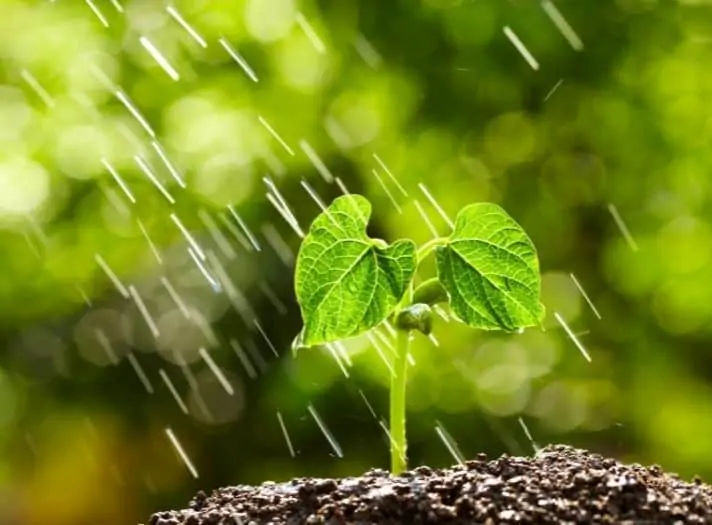
For optimal growth and health of your seedlings, choose rainwater. Its natural softness, balanced pH levels, and lack of chemicals make it the top choice. Rainwater ensures proper hydration and promotes strong roots. You’ll see excellent results using this pure and eco-friendly water source.
Benefits of Rainwater for Seedlings
Rainwater provides an optimal source of hydration for seedlings, offering natural softness and balanced pH levels essential for healthy plant growth. Unlike tap water, rainwater is free of additives and chemicals that could hinder seedling development. Its purity promotes healthier plant growth by providing the necessary hydration without the risk of chemical contamination. The softness of rainwater allows for easier absorption of nutrients, supporting the seedlings in their early stages. Additionally, rainwater mimics the natural environment of plants, aiding in the establishment of strong roots and overall resilience.
Collecting rainwater for seedlings is not only beneficial for the plants but also for the soil. By using rainwater, you reduce the risk of chemical buildup in the soil, ensuring a cleaner and more sustainable watering option. The balanced pH levels in rainwater further contribute to the overall health of the seedlings, creating an ideal environment for growth. Embracing rainwater as the primary source of hydration for seedlings can lead to stronger, more vibrant plants in the long run.
Ph Balance in Rainwater
With a balanced pH level typically ranging from 5.5 to 6.5, rainwater offers an ideal hydration source for seedlings. The pH balance in rainwater plays a crucial role in preventing acidity or alkalinity issues that can impede the growth of seedlings. Rainwater’s natural pH level ensures that the delicate balance required for optimal seedling development is maintained.
| pH Level | Description |
|---|---|
| 5.5 | Slightly acidic |
| 6.0 | Neutral |
| 6.5 | Slightly acidic |
Utilizing rainwater for watering seedlings not only provides essential hydration but also eliminates the risk of chemical exposure often present in tap water. Additionally, rainwater’s softness makes it gentle on seedlings, promoting healthy root growth without the harsh effects of certain minerals found in hard water sources. By collecting and using rainwater for your seedlings, you are not only ensuring their well-being but also contributing to a sustainable and eco-friendly gardening practice.
Chemical-Free Hydration for Seedlings
You should consider using spring water, distilled water, RO water, rainwater, or chemical-free bottled water like Evian or Topo Chico for hydrating your seedlings. These options provide pure water benefits and promote healthy growth in seedlings without the risk of chemical exposure. By avoiding tap water with high chlorine or fluoride levels, you can ensure the chemical-free hydration necessary for optimal seedling health.
Pure Water Benefits
Using distilled or purified water provides chemical-free hydration essential for seedlings’ growth. Distilled water, in particular, is free from contaminants and chemicals that could potentially harm delicate seedlings. By opting for distilled water, you minimize the risk of introducing impurities that may hinder the growth and development of your seedlings. The purity of distilled water ensures a clean and healthy start for your plants, promoting optimal conditions for growth.
Chemical-free water sources like distilled water are ideal for seedlings as they offer a pure form of hydration without the risk of harmful substances. This type of water helps create a safe environment for your seedlings to thrive, free from the potential damage that impurities in regular tap water could cause. By choosing distilled water for your seedlings, you are providing them with the best chance for healthy growth and development.
Seedling Health Benefits
Chemical-free hydration, particularly from sources like distilled or spring water, plays a critical role in maintaining seedling health by providing pure and uncontaminated water essential for growth. Tap water, commonly used for watering plants, may contain chlorine or fluoride, which can be harmful to delicate seedlings. Removing chlorine from the water source is crucial as it can impede seedling development. Rainwater emerges as a natural and beneficial choice for seedlings, free from additives found in tap water, ensuring optimal growth conditions. Additionally, bottled water serves as a suitable alternative for seedlings, particularly when other water sources are unsuitable due to their chemical composition. By ensuring seedlings receive the best water quality, you can promote healthy growth and development, setting the foundation for robust plants in the future. Remember, providing seedlings with pure and uncontaminated water is essential for their overall well-being.
Natural Growth Promotion
Natural hydration sources like spring water, rainwater, and distilled water are crucial for promoting chemical-free growth in seedlings. When considering the best water for plants, it is essential to opt for natural options that do not introduce harmful chemicals to the seedlings. Spring water, sourced from underground reservoirs, provides essential minerals and nutrients that support healthy seedling growth without the presence of contaminants. Rainwater, collected from precipitation, offers a chemical-free alternative for hydrating seedlings and promoting their natural development. Distilled water, obtained through a purification process that removes impurities, ensures that seedlings receive clean and uncontaminated hydration, thus optimizing their growth potential. By utilizing purified water, such as bottled spring water, for seedlings, you can maintain ideal hydration levels without the risk of exposing them to unwanted chemicals, ultimately supporting their growth in a natural and sustainable manner.
Sodium Levels in Water Sources
Using water with high sodium levels can have detrimental effects on your seedlings, inhibiting their growth and development. It is crucial to choose low-sodium water sources to ensure the health and vitality of your plants. Avoiding softened water can prevent sodium accumulation in the soil, safeguarding your seedlings from potential harm.
Sodium’s Impact on Seedlings
Maintaining appropriate sodium levels in water sources is critical for safeguarding the health and growth of seedlings. High sodium levels in water can have detrimental effects on seedlings, leading to stunted growth, wilting, and reduced nutrient uptake. Excessive sodium accumulation in the soil from watering can result in soil salinity, creating an unsuitable environment for seedling development. It is essential to monitor and control sodium levels in water to ensure optimal conditions for seedlings to thrive.
| Effects of Sodium on Seedlings | |
|---|---|
| Stunted growth and wilting | Reduced nutrient uptake |
| Soil salinity | Unsuitable growth environment |
Choosing Low-Sodium Water
To ensure optimal growth and health for your seedlings, selecting water sources with low sodium levels is imperative. High sodium water can harm seedlings by accumulating in the soil, leading to plant stress, reduced growth, and nutrient absorption issues. Softened water, often containing elevated sodium levels, is not recommended for prolonged use with seedlings due to these negative impacts on plant health. Instead, opting for low-sodium water sources such as rainwater or bottled water can help maintain seedling health and development. Water quality is a critical factor in seedling care, with balanced pH levels and minimal sodium content playing key roles in supporting robust growth. By choosing water with low sodium levels, you can provide your seedlings with the best possible environment for thriving and reaching their full potential. Prioritizing water quality is a simple yet crucial step in ensuring the success of your seedlings.

Softness of Rainwater
Rainwater’s inherent softness makes it an optimal choice for nurturing seedlings due to its ability to prevent salt and mineral accumulation in the soil. Here’s why rainwater’s softness is beneficial for your seedlings:
- Prevents Soil Contamination: Rainwater’s soft nature reduces the risk of salt and mineral buildup in the soil, which can hinder seedling growth.
- Balanced pH Level: The natural pH balance of rainwater is ideal for seedlings, promoting healthy root development and nutrient absorption.
- Chemical-Free: Rainwater lacks harsh chemicals and additives found in tap water, ensuring that your seedlings receive pure hydration without any harmful substances.
- Promotes Growth: Using rainwater for watering seedlings can encourage robust growth and overall development by providing a clean and nourishing environment.
Rainwater Collection Methods

You can collect rainwater efficiently by utilizing rain barrels, gutters, or roof catchment systems. Rain barrels are especially effective for capturing and storing rainwater for later use in watering your seedlings. Roof runoff collection systems can also be set up to channel rainwater directly to where it’s needed most in your garden.
Rain Barrel Benefits
Rain barrels efficiently collect and store rainwater from rooftops for various beneficial uses. When considering rain barrel benefits, there are several key points to keep in mind:
- Water Conservation: By utilizing rain barrels, you can reduce your reliance on municipal water sources for activities like watering plants or washing outdoor areas.
- Cost Savings: Collecting rainwater in barrels can lead to a reduction in water bills over time, providing a cost-effective alternative for certain water needs.
- Environmental Impact: Rain barrels help decrease stormwater runoff, which can prevent erosion and reduce the strain on local water systems during heavy rainfall events.
- Chemical-Free Water: The rainwater collected in barrels is typically free from the chemicals found in treated water, making it a healthier option for watering gardens and plants.
Incorporating rain barrels into your water usage practices not only benefits your household but also contributes to sustainable water management and conservation efforts.
Roof Runoff Collection
Roof runoff collection methods involve the capture and storage of rainwater from rooftops, providing a sustainable water source for various uses, including watering seedlings. Rainwater is collected through gutters and downspouts into storage containers. This method helps conserve water, reduce runoff, and provide natural water for seedlings. Roof runoff collection systems can range from simple barrels to more elaborate setups. Harvested rainwater is typically clean and free of chemicals, making it ideal for watering seedlings.
| Pros | Cons |
|---|---|
| Sustainable water source | Initial setup costs |
| Reduces water consumption | Requires maintenance |
| Chemical-free water | Limited storage capacity |
Rainwater Vs. Tap Water
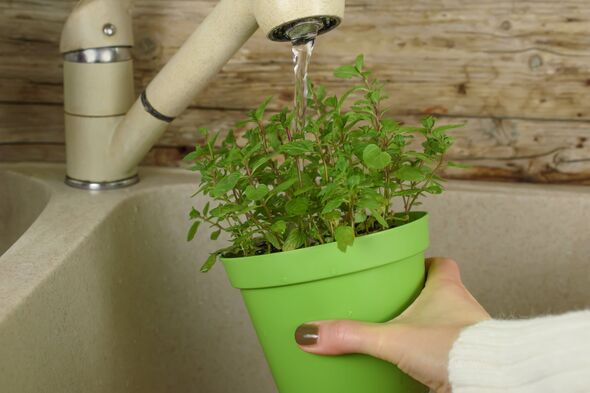
When considering the watering of seedlings, the superiority of rainwater compared to tap water is evident due to its natural softness, balanced pH, and lack of additives.
Here are four key points to consider:
- Chemical Composition: Tap water may contain chlorine or fluoride, which can potentially harm sensitive seedlings. In contrast, rainwater is free from these additives, making it a safer choice for watering young plants.
- Hydration and Plant Health: Rainwater provides excellent hydration for seedlings, promoting overall plant health and growth. Its natural composition mimics the conditions found in nature, making it an ideal choice for nurturing seedlings.
- Precautionary Measures: While tap water can be used for seedlings, allowing it to sit for 24 hours can help chemicals like chlorine evaporate, reducing the risk of harm to delicate plants.
- Eco-Friendly Practice: Collecting rainwater for watering seedlings is not only environmentally friendly but also ensures optimal growth and development, making it a sustainable choice for gardeners.
Rainwater Vs. Filtered Water
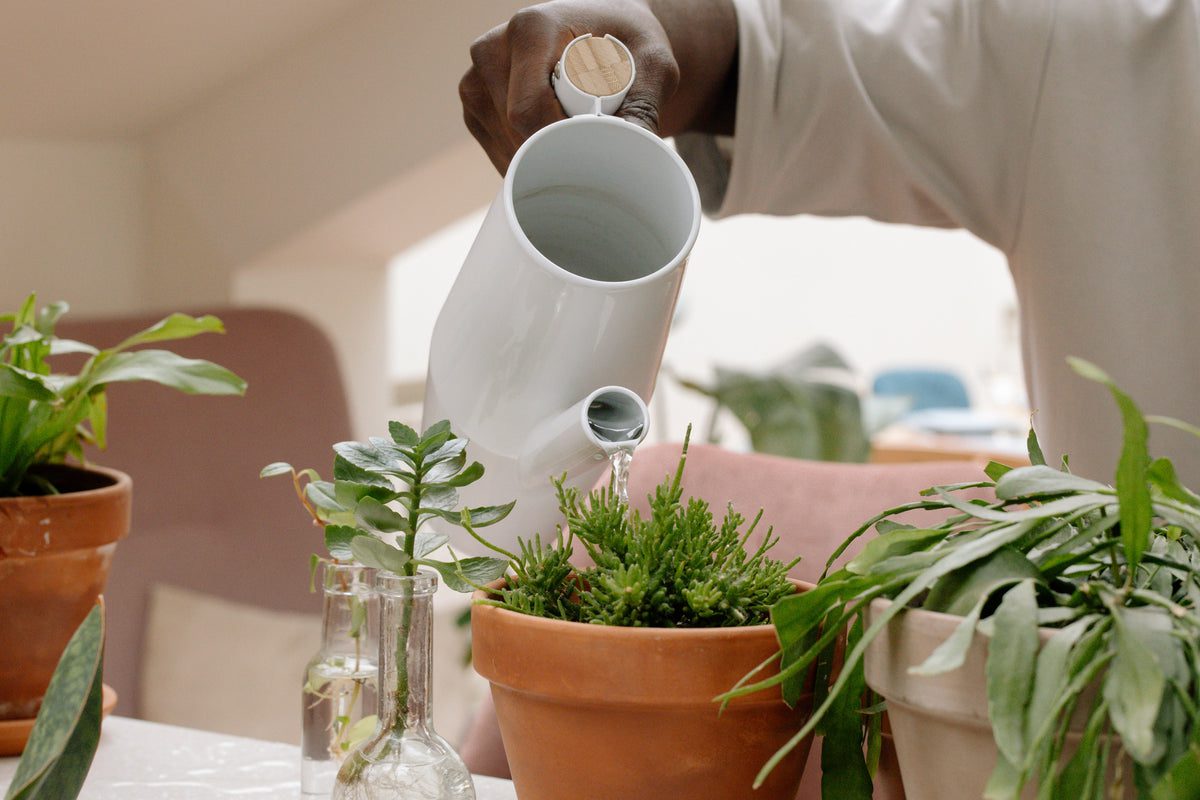
Tap water with its potential additives contrasts with filtered water, which provides an alternative for seedlings sensitive to tap water chemicals. While rainwater is often hailed as the optimal kind of water for seedlings due to its natural softness and lack of harmful substances, filtered water also offers significant benefits. Filtered water undergoes a purification process that removes chlorine and impurities, making it a suitable option for seedlings that may be negatively affected by tap water chemicals. The gentle nature of filtered water helps maintain the health and longevity of seedlings by providing a clean watering solution. Rainwater, on the other hand, is free of harmful chemicals and provides seedlings with ideal hydration levels, promoting robust growth and development. Both rainwater and filtered water offer advantages in nurturing seedlings, with rainwater being a natural and environmentally friendly choice, while filtered water ensures purity and protection from tap water contaminants.
Rainwater Vs. Softened Water

Rainwater emerges as the superior choice over softened water for nurturing seedlings due to its natural softness, balanced pH levels, and absence of harmful additives. When comparing rainwater to softened water for seedling care, consider the following:
- Sodium Levels: Rainwater has negligible sodium content, making it safe for seedlings, while softened water contains high levels of sodium that can harm seedlings over time.
- Hydration: Rainwater provides optimal hydration for seedlings without the risk of sodium accumulation in the soil, promoting healthy growth.
- Soil Health: Softened water can negatively impact soil health by accumulating sodium, potentially hindering seedling development, unlike rainwater that maintains soil integrity.
- Long-Term Use: Rainwater is the preferred choice for long-term seedling care, as softened water’s sodium content can become detrimental to seedling growth and overall health.
Rainwater Vs. Bottled Water

Comparing rainwater and bottled water for seedling care reveals distinct advantages and considerations for nurturing healthy plant growth. Rainwater is often preferred due to its natural softness, balanced pH level, and absence of additives commonly found in tap water. This makes it an excellent choice for seedlings as it provides a gentle and nourishing environment for optimal development. On the other hand, bottled water serves as a suitable alternative, especially when other water sources are not ideal. It is typically free of harmful chemicals, making it safe for delicate or sensitive plants. While rainwater is environmentally friendly and offers pure hydration without the risk of contaminants present in tap water, bottled water ensures a clean water supply for seedlings, promoting healthy growth. Both rainwater and bottled water stand out as beneficial options for seedlings, offering a safe and effective alternative to tap water for fostering robust plant health.
Rainwater Vs. Aquarium Water
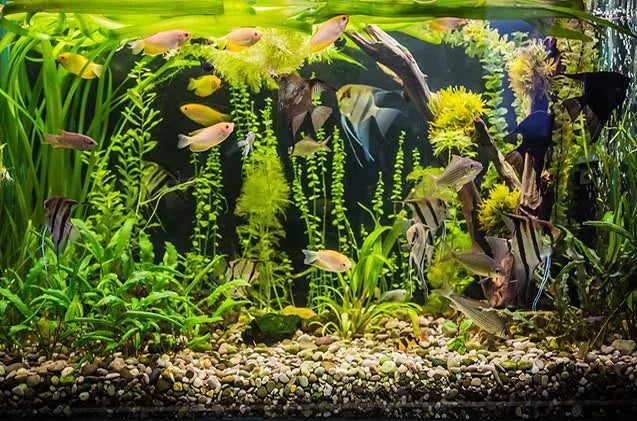
When considering water options for nurturing seedlings, the choice between rainwater and aquarium water presents distinct factors to evaluate for optimal plant growth. Here’s how they compare:
- Nutrient Content: Rainwater is a natural source of essential nutrients, while aquarium water may contain beneficial substances like fish waste and minerals that can promote healthy seedling growth.
- pH Balance: Rainwater is pH-balanced, making it ideal for sensitive seedlings. In contrast, aquarium water may vary in pH levels depending on the tank’s conditions.
- Chemical Composition: Rainwater is chemical-free and free of chlorine, ensuring a pure water source for seedlings. However, aquarium water must be free from harmful chemicals and properly filtered before using it on plants.
- Sustainability: Both rainwater and aquarium water can be sustainable options for watering seedlings, with the choice depending on availability and quality.
Considering these factors, you can make an informed decision on whether to use rainwater or aquarium water for nurturing your seedlings.
Rainwater for Optimal Seedling Growth
For optimal seedling growth, utilizing rainwater provides a natural, chemical-free solution with balanced pH levels. Rainwater is highly favored for watering seedlings due to its innate softness and lack of additives or chemicals commonly present in tap water. Its purity ensures optimal hydration, promoting robust seedling development without the risk of potential issues associated with using tap water. Setting up rainwater collection systems can facilitate harnessing this advantageous water source for seedlings, allowing for a sustainable and effective watering method. The balanced pH levels in rainwater make it an ideal choice for nurturing seedlings, offering a harmonious environment for growth. By opting for rainwater over other water sources, you can provide your seedlings with the best possible conditions to thrive, leveraging the natural properties of rainwater to ensure successful seedling cultivation.