
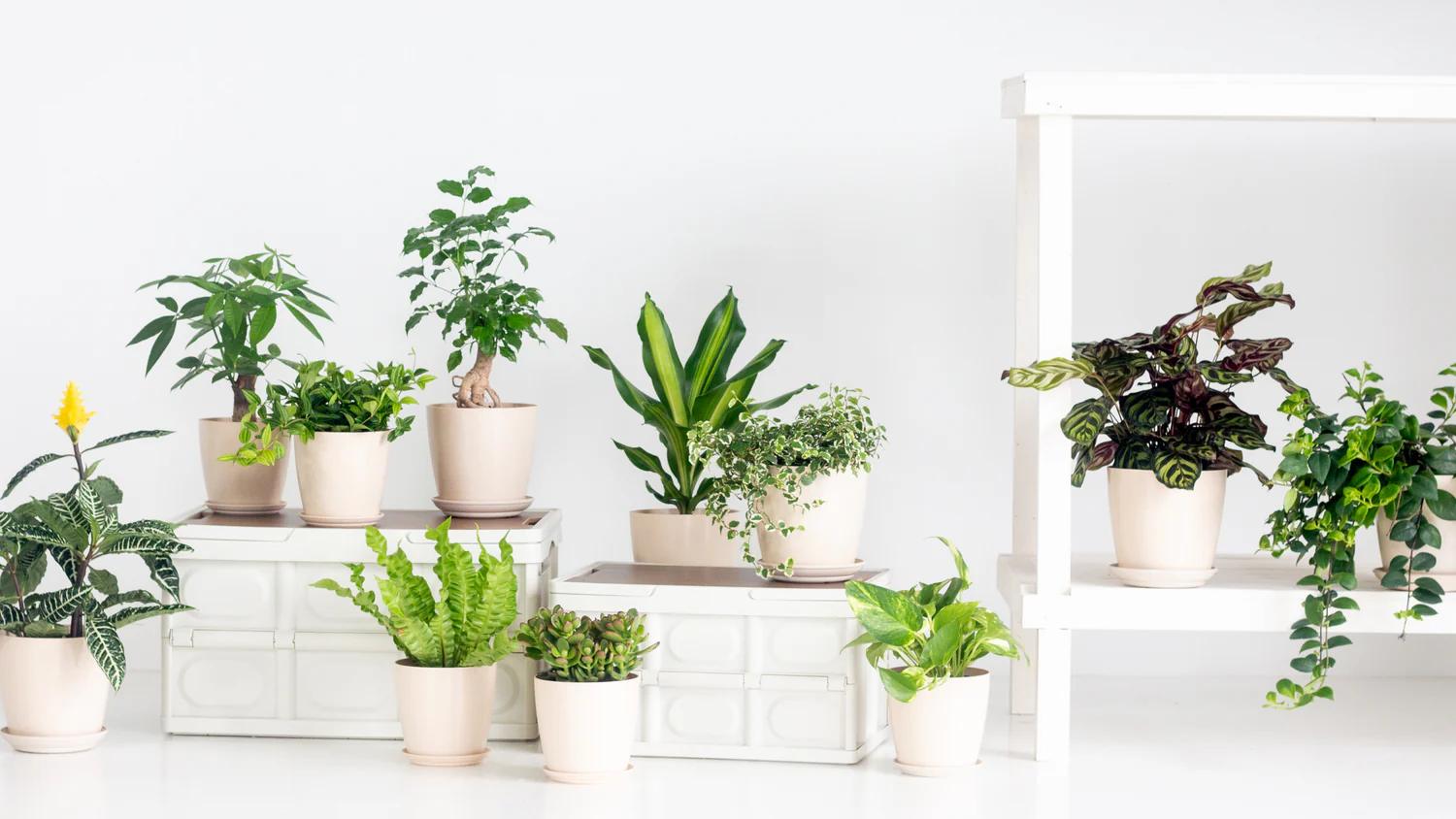
Plants purify air by absorbing carbon dioxide and filtering out toxins through photosynthesis. Soil microorganisms in roots aid in air cleaning. Leafier plants with more surface area excel at purification. For optimal air quality, aim for two plants per 100 square feet, such as Boston ferns and golden pothos. While research provides solid evidence, real-life results may differ due to room size and ventilation factors. Plant maintenance and selection impact their effectiveness. Keep in mind that plants not only clean the air but also enhance mental well-being.
Plant Air Purification Mechanism
Plants purify the air by actively absorbing carbon dioxide and filtering out harmful gases through a process known as photosynthesis. In addition to this well-known air purification mechanism, plants also rely on soil microorganisms in their roots to assist in cleaning indoor air. These soil microorganisms play a crucial role in breaking down indoor air pollutants, contributing to the overall effectiveness of plants in improving air quality.
Leafier plants with larger surface areas are particularly efficient at air purification compared to smaller plants. This is due to their increased capacity to absorb carbon dioxide and filter out harmful gases like formaldehyde and benzene. To optimize air quality indoors, it is recommended to have at least two good-sized plants per 100 square feet of space.
Plants such as Boston fern and golden pothos have gained recognition for their proficiency in removing airborne pollutants from indoor environments. By understanding the intricate air purification mechanisms of plants and the role of soil microorganisms, you can create a healthier indoor environment.
Photosynthesis and Air Quality
In the process of photosynthesis, indoor air quality is significantly enhanced as plants convert carbon dioxide into oxygen, reducing levels of harmful gases like volatile organic compounds (VOCs) such as formaldehyde and benzene. This critical biological process not only replenishes the oxygen content in indoor environments but also plays a crucial role in removing pollutants that can compromise air quality. Through photosynthesis, plants act as natural air purifiers by absorbing these harmful gases during their metabolic processes. The effectiveness of this air purification mechanism is influenced by the types of plants present, with leafier varieties offering greater surface area for gas exchange, maximizing the removal of pollutants. To optimize the air quality benefits of plants, it is recommended to strategically place at least two well-sized plants per 100 square feet of indoor space. Certain plant species like Boston ferns and golden pothos are particularly renowned for their proficiency in eliminating airborne pollutants, contributing significantly to cleaner indoor air quality.
Absorption of Harmful Gases
How do indoor plants contribute to the absorption of harmful gases, improving air quality in enclosed spaces? Indoor plants play a vital role in air purification by effectively removing pollutants like formaldehyde, benzene, xylene, and ammonia. Through a process called phytoremediation, plants absorb these harmful gases through their leaves, helping filter the air and create a healthier indoor environment. Specific plants, such as peace lilies and florists chrysanthemums, are known for their efficiency in reducing indoor pollutants like trichloroethylene and benzene. Spider plants have also been found to lower formaldehyde levels in enclosed spaces, further contributing to improved indoor air quality. Research indicates that while indoor plants have a modest impact on ozone removal, their ability to absorb harmful gases makes them valuable allies in the continuous fight for cleaner indoor air.
| Harmful Gases Absorbed by Indoor Plants | Specific Plants Known for Air Purification | Impact on Indoor Air Quality |
|---|---|---|
| Formaldehyde | Peace lilies, Florists chrysanthemums | Improved air quality |
| Benzene | Peace lilies, Florists chrysanthemums | Reduced indoor pollutants |
| Trichloroethylene | Spider plants | Cleaner indoor air |
Research on Plant Toxin Removal
You may find it intriguing that ongoing research delves into the intricate mechanisms through which plants remove toxins from the air. Studies aim to understand the efficiency of these processes in real-world environments to ensure optimal air purification. By examining the effectiveness of various plant species in toxin removal, researchers strive to provide practical recommendations for enhancing indoor air quality.
Toxin Removal Mechanisms
Research on plant toxin removal mechanisms reveals the intricate processes by which plants effectively eliminate harmful pollutants from the air. Plants contribute to air purification by absorbing gases such as carbon dioxide and volatile organic compounds (VOCs) through their leaves and roots. The interaction between plants and the microorganisms in the soil further enhances toxin removal by aiding in the breakdown of pollutants. Studies have shown that specific plants like the Boston fern and golden pothos exhibit significant efficacy in removing airborne pollutants. The surface area of plant leaves is a crucial factor in air purification, with leafier plants generally demonstrating better toxin removal capabilities. Notably, NASA’s 1989 study highlighted the potential of indoor plants to reduce indoor air pollution by eliminating harmful volatile organic compounds (VOCs) from the air. Understanding these mechanisms sheds light on the valuable role plants play in maintaining air quality.
Effectiveness in Real Environments
The real-world effectiveness of plants in air purification has been a subject of debate due to variations in indoor conditions impacting their toxin removal capabilities. While studies in controlled environments demonstrate plants’ ability to eliminate toxins like formaldehyde and benzene, their performance in real-life scenarios is uncertain. Factors such as air exchange with the exterior have a more significant influence on indoor air quality compared to the presence of plants. Lab experiments focusing on plant toxin removal may oversimplify the complexities of home environments, where variables like airflow, temperature, and pollutant sources constantly fluctuate.
| Aspect | Impact on Air Quality | Details |
|---|---|---|
| Presence of Plants | Minimal | Limited impact in real-life indoor environments |
| Air Exchange | Major | Plays a crucial role in improving air quality |
| Pollutant Sources | Significant | Influence air quality more than plants |
| Indoor Conditions | Variable | Affect plant toxin removal efficacy |
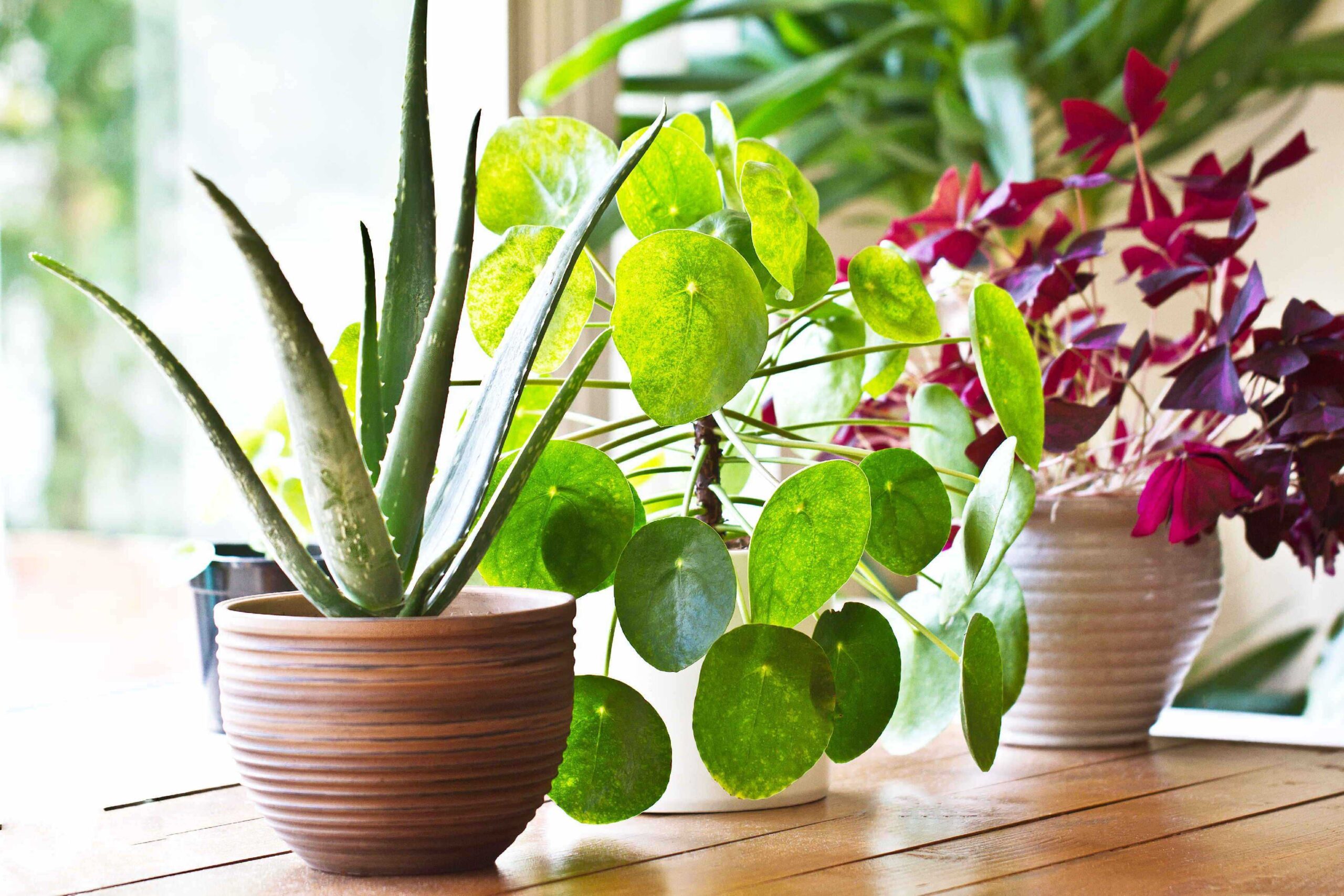
Real-life Air Purification Experiences
In real-life air purification experiences, the effectiveness of plants may vary due to factors such as air exchange rates, plant species selection, and room size. While plants have been shown to offer health benefits and positively impact mental health, their limitations in purifying indoor air must be considered. Studies conducted in controlled environments may not fully capture the complexities present in real-life settings, where variables like ventilation and plant maintenance play significant roles.
It is essential to manage expectations regarding the air purification capabilities of plants. The presence of plants indoors can still contribute to a healthier indoor environment by providing a sense of well-being and connection to nature. However, relying solely on plants for significant air quality improvements may not always be sufficient, especially in spaces with poor ventilation or high levels of pollutants.
Understanding these limitations can guide individuals in making informed decisions when incorporating plants into their indoor spaces for both air purification and mental health benefits.
Indoor Air Quality Improvement
To improve indoor air quality, consider the role of plants in converting carbon dioxide into oxygen during photosynthesis, effectively filtering out common indoor pollutants like formaldehyde, benzene, and xylene. Indoor plants play a crucial role in air purification by absorbing these harmful substances through their leaves and roots. Additionally, the microbiome present in plant soil aids in breaking down pollutants, further enhancing air quality. Research suggests that incorporating at least two good sized plants per 100 square feet of space can significantly contribute to improving indoor air quality.
While plants offer modest air purification benefits, they excel in promoting mental health and well-being in indoor spaces. It is essential to choose the right plants for specific pollutants; for instance, spider plants are effective in reducing formaldehyde levels, while peace lilies excel at removing mold spores. By strategically placing plants and maintaining a healthy indoor garden, you can create a more pleasant and healthier living environment with improved indoor air quality.
Plants as Natural Air Filters
Plants serve as effective natural air filters by actively absorbing carbon dioxide and trapping harmful airborne pollutants on their leaves and roots. Through photosynthesis, plants can remove gases like formaldehyde, benzene, and xylene from indoor air, thus contributing to improved air quality. Soil microorganisms present in potted plants also play a crucial role in breaking down volatile organic compounds (VOCs) and other pollutants found in the air. Studies have shown that plants with larger surface areas and more foliage are more efficient in purifying indoor air compared to those with smaller leaves. To optimize air purification benefits, it is recommended to have at least two well-sized plants per 100 square feet of indoor space. Popular plant choices for air purification include Boston ferns and golden pothos due to their ability to filter out toxins effectively. In conclusion, plants not only beautify indoor spaces but also act as natural air filters, enhancing air quality through their unique biological processes.
Understanding Plant-Based Air Purification
Exploring the mechanisms behind plant-based air purification reveals the intricate biological processes that enable indoor plants to effectively filter out harmful pollutants. Indoor plants are instrumental in air purification by absorbing carbon dioxide and releasing oxygen through photosynthesis, which contributes significantly to a healthier indoor environment. Studies have shown that plants can reduce indoor air pollution by filtering out common harmful pollutants like formaldehyde, benzene, and trichloroethylene. Moreover, specific plants such as peace lilies, spider plants, and florists chrysanthemums have been identified as particularly efficient in reducing indoor air pollutants and enhancing air quality. NASA’s 1989 study suggested that plants play a role in improving indoor air quality by removing volatile organic compounds (VOCs), although the real-world impact may vary. While the impact of plants on air purification is modest, their ability to promote relaxation, mental well-being, and create a connection with nature indoors offers additional benefits for overall health and wellbeing.
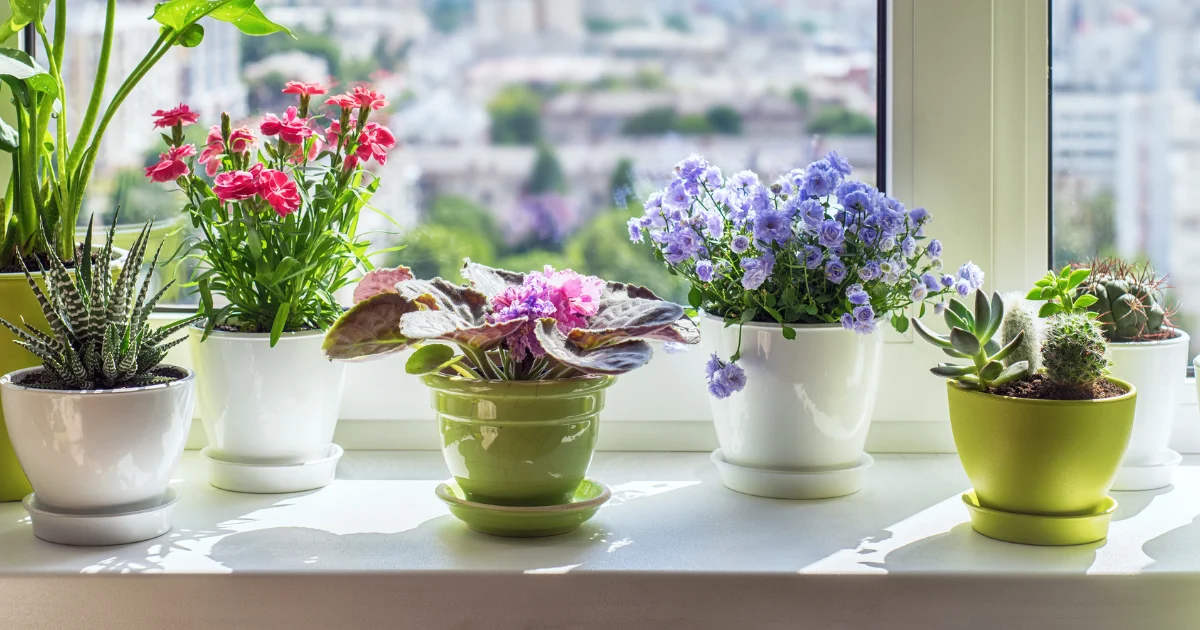
Practical Benefits of Indoor Plants
Indoor plants offer practical benefits beyond their decorative appeal, providing mental health advantages by promoting relaxation and reducing stress levels. Engaging with indoor plants can have a significant impact on your overall well-being. Here are some key benefits of incorporating indoor plants into your living or working space:
- Improved Mental Health: Studies have shown that interacting with indoor plants can lead to decreased stress levels and increased feelings of calmness and relaxation.
- Enhanced Physical Health: Gardening, even indoors, has been associated with better physical health outcomes, including reduced blood pressure and heart rate.
- Sense of Connection: Houseplants can foster a sense of connection with nature, promoting a feeling of harmony and tranquility.
- Aesthetic Appeal: Beyond the health benefits, indoor plants also provide an aesthetic boost, creating a visually pleasing and inviting atmosphere in any room.
Incorporating indoor plants into your environment can bring about a range of positive effects, impacting both your mental and physical well-being.
Greenery for Cleaner Indoor Air
Utilizing greenery for air purification in indoor spaces involves the strategic placement of specific plants known for their ability to absorb indoor pollutants effectively. Indoor plants play a crucial role in improving air quality by reducing harmful pollutants such as formaldehyde, benzene, and xylene commonly found indoors. Research has identified certain plants like peace lilies and spider plants as particularly efficient in this process. Additionally, greenery with larger leaf surface areas, such as Boston ferns and golden pothos, are recommended for enhanced air purification in indoor environments. Studies have shown that the presence of at least two good-sized plants per 100 square feet of space can significantly enhance indoor air quality by decreasing the levels of harmful gases. The table below provides examples of indoor plants that are effective in purifying indoor air:
| Plant | Air Purification Abilities |
|---|---|
| Peace Lily | Absorbs formaldehyde, benzene |
| Spider Plant | Reduces xylene levels |
| Boston Fern | Cleans air with its large leaves |
| Golden Pothos | Effective in removing pollutants |
Plants’ Air Cleansing Abilities
How do plants demonstrate their remarkable air-cleansing abilities in indoor environments? Indoor plants possess the unique capability to purify the air, significantly enhancing air quality within enclosed spaces. Here’s how they achieve this:
- Removal of Pollutants: Plants like peace lilies and spider plants effectively eliminate common indoor pollutants such as formaldehyde, benzene, and xylene.
- VOC Reduction: Certain plant species play a crucial role in reducing harmful volatile organic compounds (VOCs) present in indoor environments, contributing to cleaner air quality.
- Ozone Mitigation: Studies indicate that indoor plants can help in modestly decreasing ozone levels, aiding in the overall improvement of indoor air quality.
- Carbon Dioxide Conversion: Through photosynthesis, plants convert carbon dioxide into oxygen, thus actively participating in the air purification process and promoting a healthier indoor atmosphere.
Incorporating Plants for Healthier Living
Consider incorporating a variety of plant species to enhance the quality of your indoor living environment and promote overall well-being. While house plants may not have significant air-purification benefits, they play a crucial role in improving mental health and creating a calming indoor atmosphere. The presence of plants indoors has been associated with enhanced mood, creativity, and productivity, contributing to a sense of well-being and connection to nature within indoor spaces. Compliance with standards like the WELL Building Standard emphasizes the importance of incorporating plants indoors to promote health and wellbeing in the indoor environment.
| Benefits of House Plants |
|---|
| Enhance mood, creativity, and productivity |
| Contribute to a sense of calm and well-being |
| Promote health and wellbeing in indoor spaces |
| Create a connection to nature indoors |