
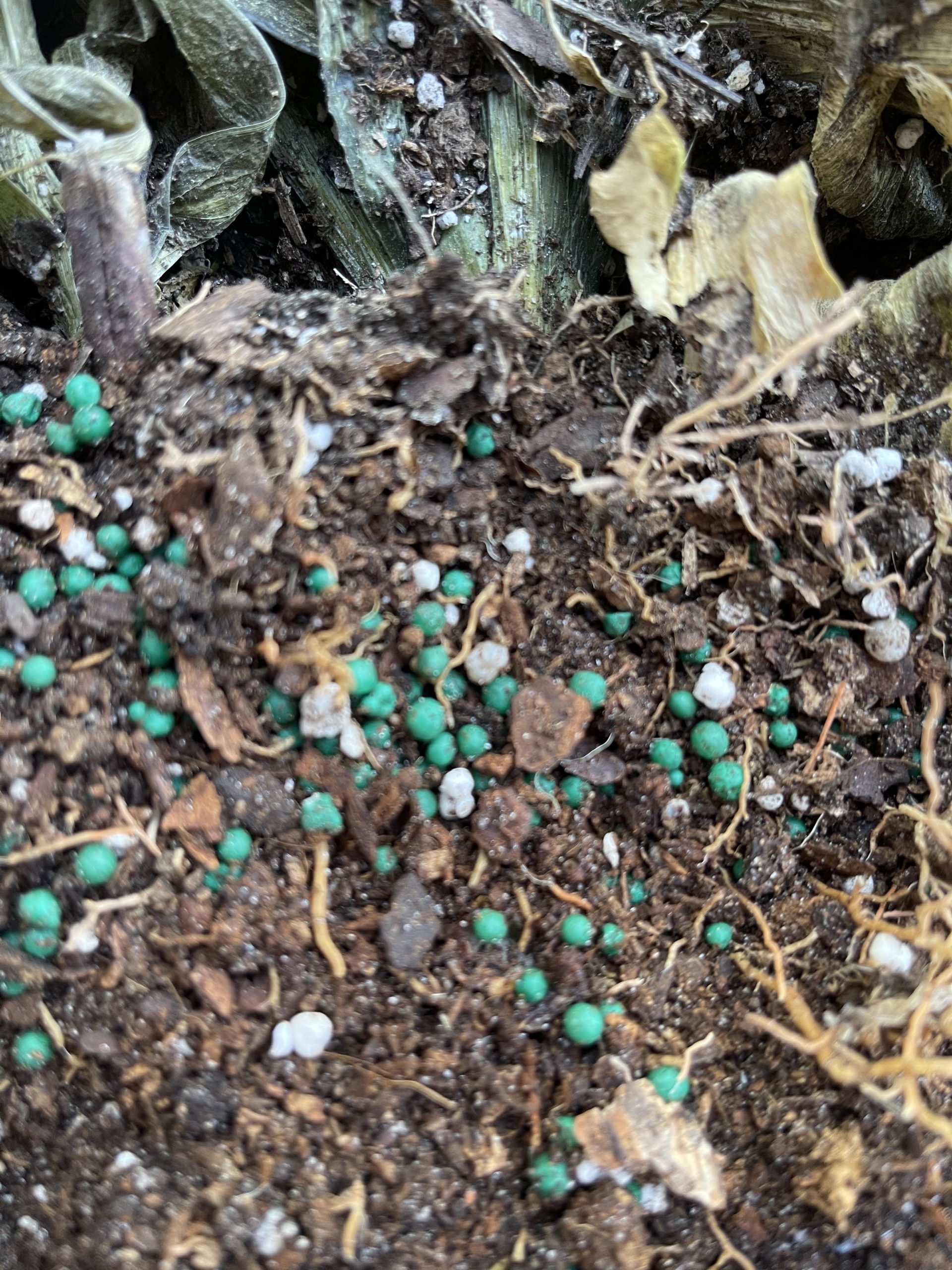
If you spot green balls in your potting soil, they are likely slow-release fertilizer pellets vital for plant growth. Don’t mistake them for algae or pest eggs. These uniform green spheres enrich the soil with essential nutrients like nitrogen, phosphorus, and potassium. While not harmful, they affect soil pH and microbe balance. To remove, carefully inspect and repot with dry soil. Prevent their return by using sterile mixes. Embrace green balls as beneficial plant boosters providing steady nutrient release. Understanding their role enhances plant care practices and fosters healthy growth. Further insights await on their impact and benefits.
Identifying Green Balls in Soil
To accurately identify green balls in potting soil, examine their size, color, and texture to distinguish them from other soil components or pests. These green balls are likely slow-release fertilizer pellets designed to provide nutrients to plants over an extended period. They are typically uniform in size, ranging from a few millimeters to a centimeter in diameter, and have a distinct green color that sets them apart from other materials in the soil.
When inspecting the green balls, note their smooth texture and firm composition, which differ from the soft, gelatinous consistency of fungus gnat eggs or the lightweight and porous nature of perlite pellets. Additionally, other pests like slugs and snails may lay eggs that resemble the green balls, but a closer examination should reveal differences in size and color.
Common Misconceptions About Green Balls
Despite initial assumptions and misconceptions, the green balls commonly found in potting soil are not slug eggs, algae-infected perlite, or conventional fertilizer, as clarified by a reputable nursery. These green balls have been identified as a type of fungi by the nursery, dispelling misconceptions about their origin. It is essential to understand that these structures are not harmful but are a natural part of the soil ecosystem. Researchers are actively investigating to determine the specific type of fungi represented by these green egg-like structures. Collaborating with others who are encountering similar issues can aid in identifying and addressing the presence of these green balls in potting soil. Seeking advice and input from relevant sources, such as nurseries or agricultural experts, can contribute significantly to unraveling the mystery surrounding the green balls and ensuring proper care for your plants. Remember, cooperation and knowledge-sharing are key in dispelling myths and misconceptions surrounding these peculiar green balls in potting soil.
Understanding the Purpose of Green Balls
You should grasp the purpose of green balls in potting soil lies in their composition and the benefits they offer for soil enrichment. These slow-release fertilizer pellets, like Osmocote, contain crucial nutrients such as nitrogen, phosphorus, and potassium, supporting plant growth over time. Understanding how these green balls function can help you make informed decisions on their usage and potential impact on your plants’ health.
Green Ball Composition
The composition of green balls in potting soil plays a crucial role in understanding their purpose and effectiveness in providing essential nutrients to plants. These green balls, often referred to as slow-release fertilizer pellets, are specifically designed to gradually release nitrogen, phosphorus, and potassium into the soil to support plant growth. When these green balls are cracked open, they release liquid nutrients that are absorbed by the plants over an extended period. Their composition is carefully formulated to ensure a steady and consistent supply of nutrients to the plants, promoting healthy development without the risk of nutrient leaching. Understanding the intricate composition of these green balls is essential for maximizing their benefits in potting soil, as it allows for a targeted approach to plant nutrition and growth. By incorporating these slow-release fertilizer pellets into the potting soil, gardeners can provide a balanced and sustainable source of nutrients for their plants, leading to improved overall health and vitality.
Soil Enrichment Benefits
Green balls in potting soil, particularly slow-release fertilizer prills, serve a fundamental role in enriching the soil and supporting optimal plant growth through the gradual release of essential nutrients like nitrogen, phosphorus, and potassium. These slow-release fertilizer pellets are designed to provide a steady supply of nutrients to plants, ensuring they receive the necessary elements for healthy development over an extended period. The green balls’ composition allows for a controlled release of nutrients, preventing nutrient leaching and wastage while promoting efficient nutrient distribution in the soil. By incorporating these green balls into potting soil, gardeners can enhance the soil’s fertility, leading to improved plant vigor and resilience. The convenience of the spherical shape ensures easy handling and uniform dispersal of nutrients throughout the soil, contributing to overall plant health and robust growth. Understanding the significance of these slow-release fertilizer prills in soil enrichment is key to fostering thriving plant ecosystems and achieving successful gardening outcomes.

Effects of Green Balls on Plant Health
When green balls, serving as slow-release fertilizer pellets, interact with potting soil, they play a crucial role in impacting plant growth. The gradual release of essential nutrients such as nitrogen, phosphorus, and potassium from these pellets significantly influences nutrient absorption in plants. However, an excessive presence of synthetic fertilizers in the form of green balls can disrupt the delicate balance of soil microbes and potentially harm plant health.
Plant Growth Impact
Introduction of green balls into potting soil can significantly impact plant growth by providing essential nutrients for healthy development. These slow-release fertilizer balls, often liquid-filled, offer a controlled release of vital elements like nitrogen, phosphorus, and potassium, essential for robust plant growth. The gradual nutrient release from the green balls supports sustained nourishment for plants over an extended period, promoting root development, leaf growth, and overall plant vigor. However, it is crucial to monitor the amount of synthetic fertilizer introduced through these green balls to prevent any adverse effects on plant health. When appropriately managed, the presence of green balls in potting soil can offer a convenient and effective way to ensure plants receive the necessary nutrients for optimal growth.
| Nutrient | Function | Impact on Plant Growth |
|---|---|---|
| Nitrogen | Promotes leaf growth | Enhances overall plant vigor |
| Phosphorus | Supports root development | Encourages healthy flowering and fruiting |
| Potassium | Aids in disease resistance | Improves plant resilience to stress |
Nutrient Absorption Affected
The presence of slow-release fertilizer prills in potting soil can impact nutrient absorption and subsequently influence plant health. Green balls, identified as slow-release fertilizer prills, play a crucial role in providing essential nutrients like nitrogen, phosphorus, and potassium for optimal plant growth. While these green balls are designed to gradually release nutrients, excessive use of synthetic fertilizer from them can lead to nutrient imbalances or chemical burns, potentially harming plants if not applied in moderation. Understanding the composition of the green balls and their nutrient release rates is essential to assess their effects on plant health accurately. Monitoring plant growth, observing any signs of nutrient deficiencies or excesses, and adjusting fertilization practices accordingly are vital steps in ensuring that the green balls effectively support rather than hinder plant growth. Proper management of nutrient absorption facilitated by green balls can lead to healthier and more robust plant development.
Soil Microbial Balance
The impact of green balls on plant health is closely linked to their influence on the soil microbial balance. When green balls infiltrate potting mixes, they can disrupt the delicate ecosystem of soil microorganisms essential for plant growth. These disruptions can lead to a decrease in nutrient availability for plants, affecting their overall health and development. Imbalances caused by the presence of green balls may result in a decline in beneficial microbes that aid in nutrient cycling and uptake by plants.
Moreover, disturbances in the soil microbial balance due to green balls can create conditions favorable for pests like fungus gnats, further complicating plant health. These pests not only directly harm plants but also exacerbate the nutrient availability issue by consuming plant roots in the soil mix. Additionally, alterations in the soil’s pH levels triggered by green balls can hinder the absorption of vital nutrients by plants, impeding their growth and vitality. Therefore, maintaining a harmonious soil microbial balance is crucial for sustaining optimal plant growth and health in the presence of green balls.
Removing Green Balls From Potting Soil
Consider using gloves when removing green balls from potting soil to protect your hands. When removing green balls, ensure you thoroughly inspect the soil and roots for any signs of infestation. Repotting the plant is recommended to eliminate any potential eggs that may be present in the soil. When repotting, make sure the new potting soil is dry to prevent any remaining eggs from hatching. Additionally, adding a clove of garlic to the new potting soil can help deter insects from laying eggs in the future.
After removing the green balls and repotting the plant, it is essential to monitor the plant and soil regularly for any signs of re-infestation. By staying vigilant and taking these preventive measures, you can help ensure that your plants remain healthy and free from the green balls infestation. Remember, proactive care and attention to detail are key in maintaining a thriving indoor garden.
Preventing Green Balls in Future Potting Mixes
To prevent the occurrence of green balls in future potting mixes, opt for sterile potting soil to eliminate the risk of introducing foreign materials. Here are some key measures to consider:
- Choose organic potting mixes: Organic mixes are less likely to contain synthetic fertilizers that can lead to the formation of green balls.
- Implement proper storage practices: Store potting soil in a dry, cool area to prevent contamination by pests or foreign objects that may contribute to the formation of fertilizer balls.
- Use neem-based products: Neem is known for its natural insect-repelling properties, which can help deter pests that might introduce foreign materials into the potting mix.
- Select quality potting mixes: Consult with local nurseries or gardening experts to ensure you are using reputable brands that have undergone quality control measures to minimize the risk of green balls.
Conclusion: Embracing Green Balls as Plant Boosters
Embracing green balls as plant boosters provides a sustainable method to supply essential nutrients for optimal plant growth and health. These green balls, often identified as slow-release fertilizer pellets like Osmocote, play a crucial role in enhancing plant health within potting soil. The gradual release of nutrients such as nitrogen, phosphorus, and potassium from these nutrient pellets supports steady plant growth by providing a consistent supply of essential elements. By incorporating these fertilizer pellets into potting soil, you can ensure that your plants receive the necessary nourishment for sustained development.
Additionally, the presence of these green balls serves as a convenient way to maintain plant health without the need for frequent fertilization. Recognizing and appreciating the benefits of these nutrient-rich pellets can lead to improved plant care practices, ultimately resulting in healthier and more vibrant plant specimens. Therefore, embracing green balls as plant boosters not only simplifies plant maintenance but also contributes to the long-term well-being of your green companions.