
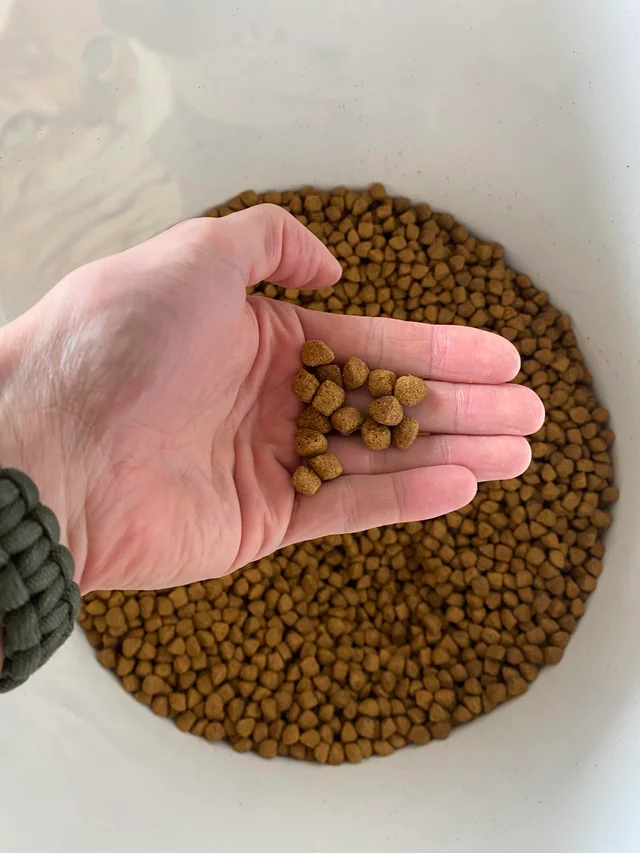
Using cat food as plant fertilizer can enrich soil with essential proteins, fibers, and nutrients like phosphorus and potassium, aiding plant health and growth. However, beware of potential odor issues from protein breakdown, especially indoors. Avoid over-fertilizing to prevent nutrient imbalances and toxicity, and be cautious of contamination risks from additives. Monitoring plant growth closely is vital for optimal results. Employ proper application techniques, like scattering monthly and top-dressing soil, while checking soil moisture levels. Cat food can be a cost-effective and sustainable option, but understanding its implications on plant growth is essential for successful gardening.
Nutrients in Cat Food for Plants
Cat food offers a rich array of essential nutrients that can significantly benefit plant growth and health. When using dry cat food as a plant fertilizer, you are providing your plants with proteins, fibers, fats, vitamins, and additives that have been formulated to meet the dietary needs of felines. Over a long time, these nutrients can be broken down by soil microorganisms, releasing valuable nitrogen that aids in the production of healthy green leaves and chlorophyll necessary for photosynthesis. Nitrogen is a key element for plant growth, and cat food provides an excellent source of this essential nutrient. Additionally, cat food is rich in other essential nutrients like phosphorus and potassium, which further contribute to the overall health and vitality of your plants. By incorporating cat food into your plant care routine, you are ensuring that your plants receive a well-rounded diet that can help them thrive and flourish.
Potential Odor Concerns
When incorporating cat food into your plant care routine, it is important to consider the potential odor concerns that may arise from its protein breakdown. Protein breakdown in cat food can lead to the release of smelly gases like hydrogen sulfide, which may cause unpleasant odors in your home or garden. To manage odors effectively, outdoor application of cat food is recommended to prevent indoor smell issues. Incorporating cat food into the soil can help prevent noticeable smells in the garden while benefiting your plants with essential nutrients.
To further mitigate odor concerns, composting cat food before indoor use is advised. This process can help reduce potential smells by allowing the cat food to break down partially before being added to your indoor plants. By composting cat food, you can enjoy the benefits of using it as fertilizer while minimizing any unwanted odors in your living space.
| Odor Management | Indoor Use |
|---|---|
| Composting Benefits | Smell Prevention |
| Outdoor Application | Soil Incorporation |
Risks of Over-Fertilizing
Over-fertilizing with cat food can harm your plants by disrupting the balance of essential nutrients they need for healthy growth. Excessive nutrients from cat food may lead to toxicity issues and negatively impact your plant’s overall health. To prevent these risks, it is crucial to monitor your plants closely and adjust the amount of cat food fertilizer based on their specific needs.
Fertilizer Toxicity Concerns
To prevent negative consequences on plant health, it is crucial to carefully monitor and regulate the amount of cat food fertilizer applied to avoid over-fertilizing. Over-fertilizing with cat food can lead to nutrient imbalances, affecting plant growth and health. Excessive use of cat food fertilizer can harm root health, disrupting proper nutrient absorption. Nutrient toxicity from over-fertilization can manifest as leaf burn, stunted growth, and overall decline. Monitoring plant reactions and adjusting application rates accordingly can help prevent toxicity issues. Proper measurement and control of the amount of cat food used as fertilizer are essential to avoid negative impacts on plant development.
| Concerns | Effects | Prevention Strategies |
|---|---|---|
| Nutrient Imbalances | Growth Impacts | Monitor Nutrient Levels |
| Root Health Disruption | Absorption Efficiency Decrease | Adjust Fertilizer Amount |
| Nutrient Toxicity | Leaf Burn, Stunted Growth, Decline | Observe Plant Reactions |
Impact on Plant Health
Monitoring plant health closely is vital when using cat food as fertilizer to prevent the negative impacts of over-fertilizing on plant vitality and growth. Over-fertilizing with cat food can disrupt the nutrient balance within plants, leading to detrimental growth effects. Excessive nitrogen, often prevalent in cat food, can result in leaf burn, stunted growth, and decreased fruit production. This imbalance can further escalate, causing nutrient toxicity and overall damage to plant health. To prevent these issues, it is crucial to observe how plants respond to cat food application, adjusting the fertilizer amounts accordingly. By following recommended application rates and being attentive to plant needs, the risks associated with over-fertilizing can be minimized. Maintaining a balanced nutrient supply is essential for promoting healthy plant growth and preventing any potential harm that may arise from the excessive use of cat food as fertilizer.
Contamination Risks
Contaminants present in cat food, such as additives or preservatives, pose a significant risk to the health and growth of plants when used as fertilizer. To prevent contamination and ensure the well-being of your plants, conducting a thorough risk assessment of the cat food is crucial before using it as fertilizer. Non-organic or flavored cat foods are more likely to contain harmful chemicals that could disrupt soil health and impede plant growth.
| Contamination Risks | Prevention Strategies |
|---|---|
| Check cat food label for additives and preservatives | Select organic cat food options |
| Perform soil health monitoring regularly | Conduct a soil test before and after using cat food |
| Avoid using heavily processed cat food | Opt for natural or homemade cat food |
Monitoring Plant Growth Progress
Observing changes in leaf color, size, and overall plant health serves as a crucial method for monitoring the progress of plant growth when using cat food as fertilizer. Growth tracking is essential to evaluate the plant’s vitality and the effectiveness of the fertilizer. Keep a close eye on leaf color changes, as vibrant green indicates healthy growth, while yellowing might signal nutrient deficiencies. Additionally, monitoring flowering progress can provide insight into the plant’s overall health and response to the fertilizer. Document any improvements in flowering, fruiting, or general plant vigor to assess the impact of the cat food fertilizer. Measure plant height, spread, and the development of new shoots or branches to track growth rates. It is also important to watch for signs of nutrient deficiency or excess in the plants, as this can help fine-tune the fertilizer application for optimal plant growth. By diligently observing these factors, you can effectively assess the impact of using cat food as plant fertilizer.
Pest Attraction Risks
Be cautious about potential pest attraction risks associated with using cat food as plant fertilizer in your garden. Cat food’s protein content can lure rodents, insects, and other animals, while the odors from decomposing cat food may further entice unwanted pests to your garden. The risk of pest attraction escalates if cat food with potent scents or additives is utilized as fertilizer. Unwanted animal interference not only causes plant damage but also poses health hazards to pets and wildlife. To prevent these issues, consider incorporating animal deterrents and following proper pest prevention measures.
| Pest Prevention | Animal Deterrents | Garden Protection |
|---|---|---|
| Regularly remove leftover cat food | Install fencing or barriers | Monitor plant health closely |
| Use cat food sparingly to avoid excess | Utilize motion-activated devices | Keep garden area clean and tidy |
| Opt for unscented or natural cat food options | Plant strong-smelling herbs as natural repellents | Implement integrated pest management strategies |
Avoiding Nutrient Imbalances
To avoid nutrient imbalances when using cat food as plant fertilizer, it is essential to understand the nutrient absorption mechanisms of plants. Imbalances can affect plant growth and overall health, impacting their ability to thrive. Monitoring nutrient levels and adjusting feeding practices accordingly can help prevent imbalances and promote optimal plant growth.
Nutrient Absorption Mechanisms
Efficient absorption mechanisms in plants play a crucial role in preventing nutrient imbalances when utilizing cat food as fertilizer. Nutrient uptake is facilitated by soil microorganisms that break down the proteins present in cat food. This breakdown process is essential for ensuring proper absorption efficiency and preventing potential nutrient imbalances in plants. Specifically, the nitrogen derived from cat food aids in healthy leaf growth and chlorophyll production, contributing to overall plant health.
To illustrate the importance of absorption mechanisms in nutrient uptake, consider the following table:
| Nutrient Absorption Mechanisms |
|---|
| Efficient uptake of nitrogen from cat food supports leaf growth and chlorophyll production. |
| Soil microorganisms play a vital role in breaking down cat food proteins for plant absorption. |
| Monitoring plant health helps prevent over-fertilization and nutrient imbalances. |
Plant Growth Implications
Utilizing cat food as plant fertilizer requires vigilant monitoring to prevent nutrient imbalances and ensure optimal plant growth outcomes. When using cat food as a fertilizer for your plants, it is essential to understand the implications it can have on their growth. Nutrient uptake is a critical aspect affected by the application of cat food. Over-fertilizing plants may disrupt the balance of essential nutrients, leading to deficiencies or excesses that can hinder growth. Proper root development is also influenced by the nutrient content provided by the cat food. Insufficient or excessive nutrients can impede root growth, affecting the overall health and stability of the plant. Therefore, to maximize the benefits of cat food fertilizer, careful observation of plant health and growth patterns is necessary. While cat food can serve as a source of nutrients for plants, it is important to remember that it may not offer a complete range of essential nutrients compared to specialized plant fertilizers.
Proper Application Techniques
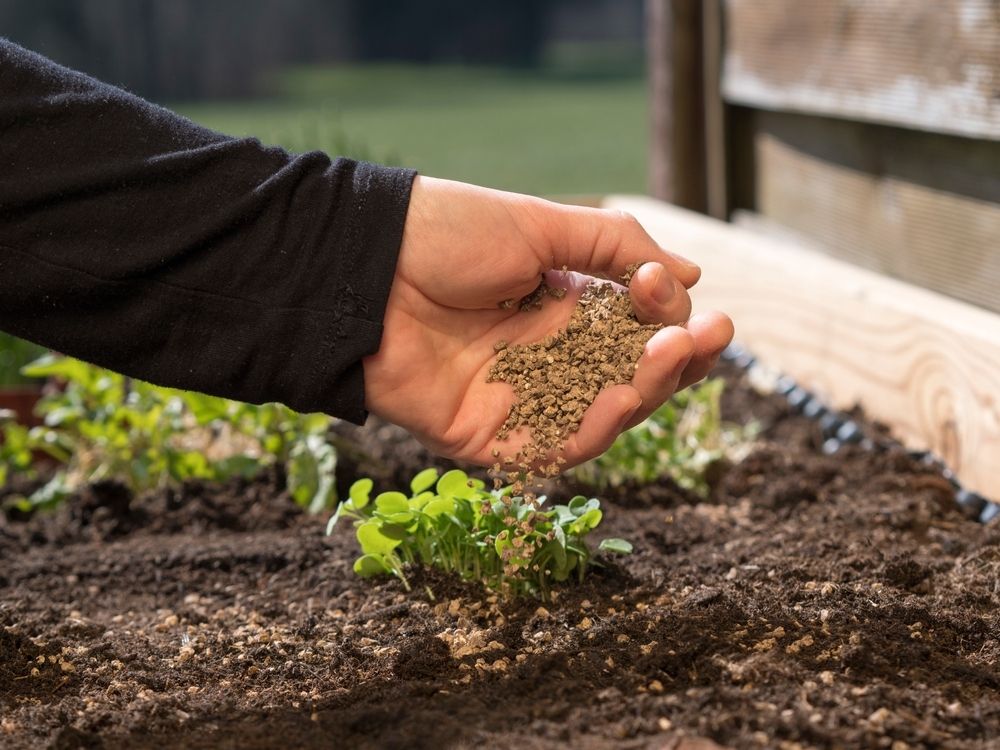
For optimal results when applying cat food as plant fertilizer, ensure to scatter it around individual plants monthly to provide a continuous source of nutrients. Avoid placing cat food directly into planting holes to prevent nutrient imbalances. Top-dress the soil with cat food instead of burying it to maximize plant growth benefits. Water the soil after applying cat food to aid in breakdown and nutrient release for plants. When applying cat food in your garden, consider mixing techniques to ensure even distribution and maximum absorption rates. Seasonal variations can impact the distribution of nutrients from the cat food, so adjust application frequency accordingly. Conducting soil testing can help determine the specific nutrient needs of your plants and guide the appropriate amount of cat food to use. By following these proper application techniques, you can effectively utilize cat food as a plant fertilizer to promote healthy growth and vibrant blooms in your garden.
Benefits of Cat Food Fertilizer
To fully grasp the advantages of utilizing cat food as a plant fertilizer, understanding the significant benefits it offers in terms of essential nutrients and soil enrichment is crucial. Cat food fertilizer provides a range of benefits for your plants:
- Nutrient Source: Cat food contains proteins, fibers, and vitamins that are essential for plant growth. The breakdown of proteins in cat food releases nitrogen, promoting healthy leaf development and chlorophyll production.
- Growth Promotion: The natural source of nitrogen, phosphorus, and potassium in cat food is vital for supporting plant growth. These nutrients play a key role in various plant functions, from root development to flower production.
- Soil Enrichment: Using cat food as fertilizer can enhance soil health by providing organic matter that improves soil structure and fertility. The nutrients in cat food are easily absorbed by plants, contributing to overall soil enrichment.
- Cost-effective and Environmentally Friendly: Cat food fertilizer offers a cost-effective and eco-friendly option for enriching your soil and promoting plant growth. By utilizing cat food as a fertilizer, you can support the health and development of your plants in a sustainable manner.
Sustainable Gardening Option
When considering sustainable gardening options, utilizing cat food as plant fertilizer offers numerous benefits. The nutrients found in cat food, such as proteins, fibers, fats, and vitamins, play a crucial role in enhancing soil health and supporting plant growth. By applying cat food strategically and monitoring plant development, you can create an environmentally friendly approach to gardening that promotes thriving plants.
Benefits of Cat Food
Cat food serves as a sustainable gardening option due to its rich nutrients that benefit plant growth and health. When using cat food as a fertilizer, several benefits contribute to the overall vitality of your plants:
- Nutrient Absorption: Cat food contains proteins, fibers, and essential vitamins that aid in nutrient absorption by plants. These nutrients are readily available for plant uptake, promoting healthy growth and development.
- Soil Enrichment: The proteins present in cat food are broken down by soil microorganisms, enriching the soil with vital nutrients. This enrichment improves the soil’s structure and fertility, creating a conducive environment for plant growth.
- Plant Vitality: The nitrogen in cat food plays a crucial role in producing healthy green leaves and chlorophyll necessary for photosynthesis. This nutrient enhances plant vitality, ensuring robust growth and vibrant foliage.
- Cost-Effective Solution: Cat food offers a cost-effective alternative to commercial fertilizers, providing essential nutrients like nitrogen, phosphorus, and potassium. This affordability makes it a practical choice for sustainable gardening practices.
Environmental Impact Considerations
Utilizing cat food as a plant fertilizer presents an environmentally conscious approach to sustainable gardening practices. When cat food breaks down in the soil, it contributes to the improvement of soil composition by adding organic matter and essential nutrients like nitrogen, phosphorus, and potassium. These nutrients are vital for plant growth and development, promoting healthier and more robust vegetation.
Cat food as a fertilizer also aids in nutrient absorption by plants. The gradual release of nutrients from the decomposing cat food ensures a steady supply for plant uptake, reducing the risk of nutrient leaching and runoff that can harm the surrounding environment.
Considering the environmental impact, using cat food as a plant fertilizer can help reduce the reliance on chemical fertilizers, which often contain harmful synthetic ingredients detrimental to ecosystems. By opting for a natural alternative like cat food, you contribute to a greener and more sustainable gardening approach, supporting a healthier balance in the environment.
Application and Dosage Tips
For efficient application and optimal plant growth when using cat food as a plant fertilizer, adhere to these dosage and application tips.
- Dosage accuracy: Scatter a heaping handful of cat food under each plant on a monthly basis. For larger areas, apply 10-20 pounds of cat food per 1,000 square feet as a general guideline for fertilization.
- Application techniques: Avoid placing cat food directly into planting holes; instead, distribute it on top of the soil. Consider mixing cat food with topsoil before adding it to plant pots or garden soil to enhance nutrient absorption.
- Nutrient absorption, plant growth: Properly watering the soil after applying cat food is crucial. This step aids in the breakdown process, facilitating nutrient release for the benefit of your plants.
- Soil moisture, breakdown process: Ensure adequate soil moisture post-application to support the breakdown of cat food, allowing for the gradual release of nutrients essential for robust plant growth.
Cat Food Vs. Traditional Fertilizer
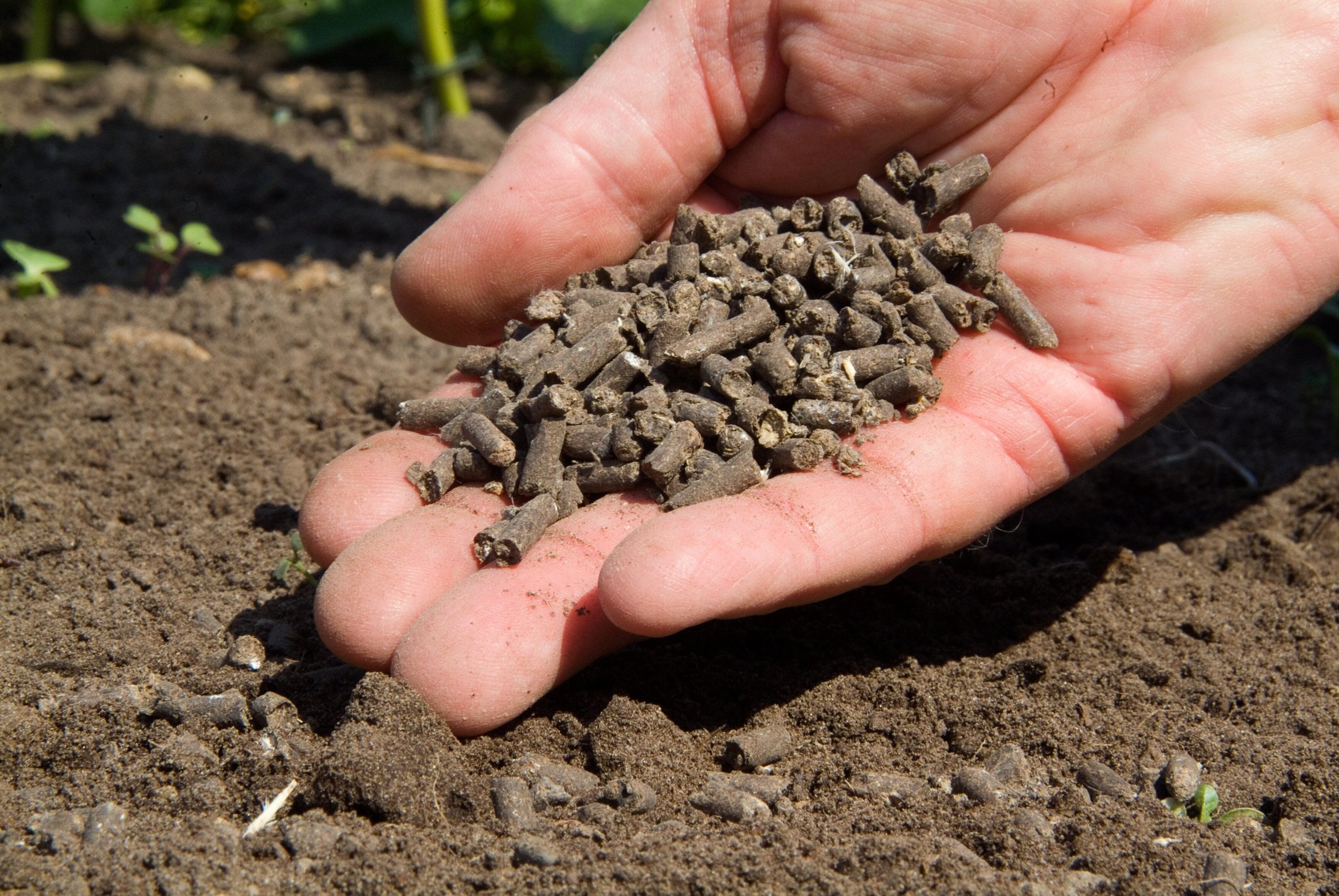
When comparing cat food and traditional fertilizer for plant nutrition, the key difference lies in their nutrient delivery mechanisms. Cat food provides slow-release nutrients, requiring breakdown by soil bacteria for gradual plant absorption. On the other hand, traditional fertilizers offer direct feeding with primary nutrients for immediate plant absorption but may risk causing nutrient burn.
| Aspect | Cat Food | Traditional Fertilizer |
|---|---|---|
| Cost comparison | Cost-effective | May contain synthetic chemicals |
| Nutrient release | Slow-release | Immediate |
| Application methods | Requires proper application | Formulated for direct absorption |
Cat food as fertilizer is cost-effective and environmentally friendly, while traditional fertilizers may have a higher environmental impact due to synthetic chemicals. While cat food offers long-term benefits through gradual nutrient supply, traditional fertilizers provide quick plant feeding but require caution to prevent overfeeding. Make an informed choice based on your plant’s needs and your environmental concerns.
Environmental Considerations
Considering the environmental impact of using cat food as plant fertilizer is essential for successful gardening practices. When incorporating cat food into your gardening routine, it is crucial to be mindful of the following environmental considerations:
- Odor Management: Cat food can emit strong odors as it breaks down, potentially causing discomfort. Properly mixing the cat food into the soil and covering it with a layer of mulch can help mitigate any unpleasant smells.
- Pest Prevention: Cat food may attract unwanted pests like rodents and insects to your garden. To prevent this, ensure the cat food is buried sufficiently deep in the soil and consider using natural pest deterrents around your garden.
- Environmental Impact, Sustainability: Utilizing cat food as plant fertilizer can be a sustainable practice, as it reduces waste by repurposing leftover cat food. This method aligns with eco-friendly gardening practices and promotes sustainability.
- Cost Effectiveness, Nutrient Balance: Cat food can offer a cost-effective alternative to commercial fertilizers while providing essential nutrients for plant growth. However, it is essential to monitor the nutrient balance in the soil to avoid overfertilization.
Maximizing Plant Health
To maximize plant health when using cat food as fertilizer, focus on the nutrient content that enhances soil quality and promotes robust growth. Cat food provides essential proteins, fats, and nutrients that benefit plants. The protein content aids in producing healthy green leaves and chlorophyll necessary for photosynthesis. Proper application of cat food fertilizer can enhance soil enrichment by providing nitrogen, phosphorus, and potassium, crucial for plant growth. Nitrogen specifically helps plants develop strong stems, leaves, and overall structure, contributing to their vitality. Ensuring the right balance of these nutrients promotes optimal nutrient absorption by the plants, leading to improved health and resilience. Regular use of cat food as fertilizer supports sustainable gardening practices, enriching the soil, and fostering plant vitality. By understanding the nutrient requirements of your plants and the benefits of cat food fertilizer, you can effectively maximize plant health and promote vigorous growth.