
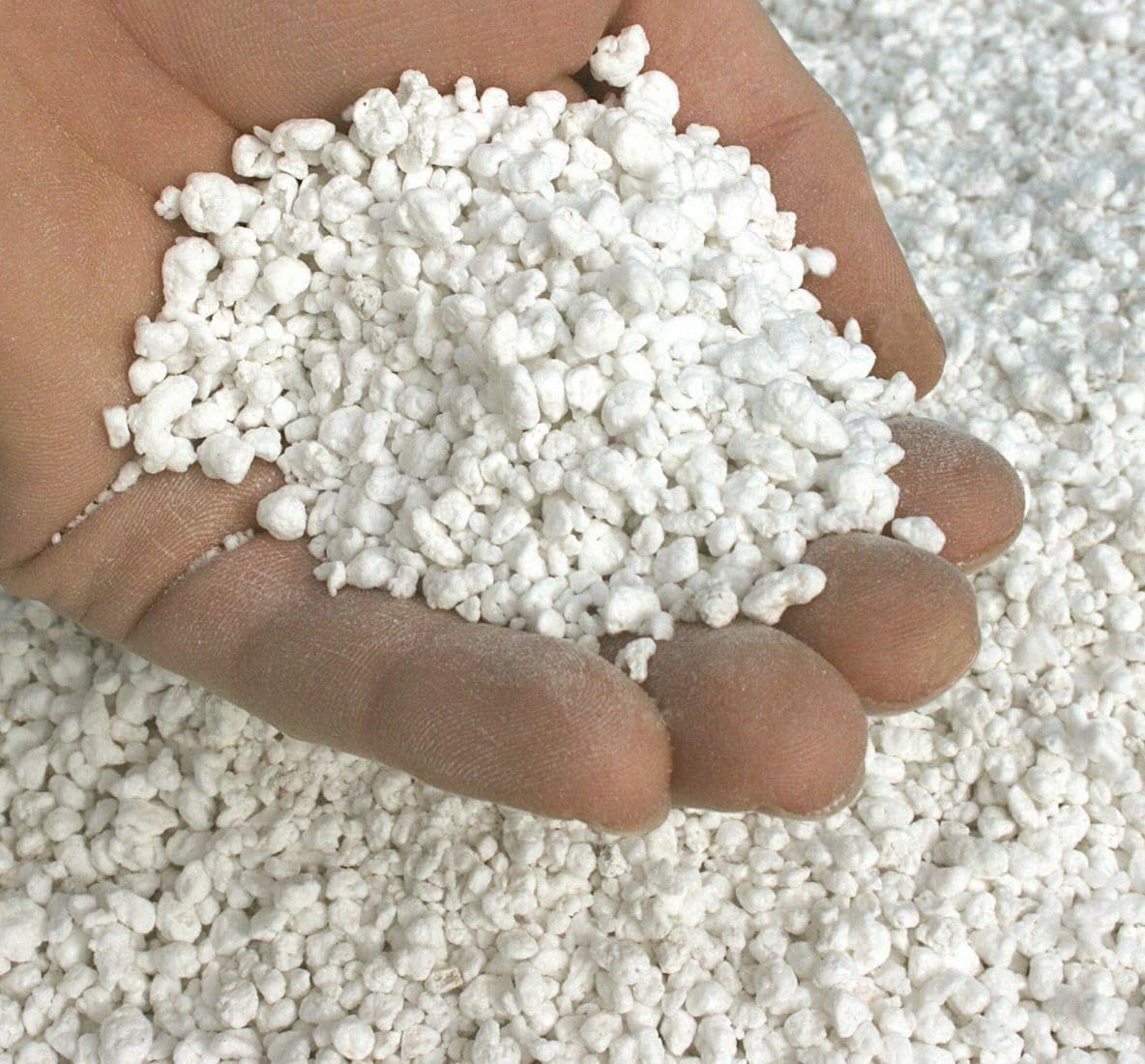
You can put perlite in compost to enhance aeration, drainage, and overall quality. Perlite fosters air pockets, prevents compaction, and supports microbial activity. This improves oxygen flow, water drainage, and soil structure, promoting healthier plants. Mixing in perlite post-sifting ensures even distribution and efficiency. Starting with a 10-20% perlite ratio optimizes moisture levels and nutrient absorption. By incorporating perlite, you create a healthy environment that aids plant growth.
Benefits of Adding Perlite to Compost
Adding perlite to compost significantly enhances aeration and drainage, improving overall compost quality and efficiency. For plants, this means roots can access more oxygen, which is crucial for healthy growth. The improved drainage provided by perlite prevents waterlogging, ensuring that plants do not suffer from root rot or other water-related issues. Additionally, perlite aids in maintaining optimal moisture levels by allowing excess water to drain away, reducing the risk of overwatering and providing a balanced environment for plant roots.
Furthermore, the presence of perlite in compost supports the growth of beneficial microorganisms essential for breaking down organic matter efficiently. These microorganisms play a vital role in the decomposition process, turning kitchen scraps and yard waste into nutrient-rich compost that plants can thrive in. Ultimately, the addition of perlite to compost results in higher quality finished compost, which translates to healthier plants and improved soil structure.
Proper Timing for Perlite Addition
You should add perlite to your compost when it is fully matured and free from any odors at its core. Mixing perlite post-sifting ensures proper aeration within the compost, leading to improved plant growth. Incorporating perlite during composting not only enhances the final potting soil quality but also has lasting benefits for your plants.
Best Time to Add
Consider adding perlite to your compost when it has fully matured and is ready for use, ensuring there is no odor in the center of the pile as a sign of readiness. This timing is crucial as matured compost indicates that the organic materials have broken down adequately, providing a stable environment for the perlite to integrate effectively. Once you have confirmed the readiness of your compost, it is advisable to sift it before incorporating perlite. Sifting helps create a more uniform and balanced planting medium, ensuring that the perlite is distributed evenly. Adding perlite after sifting is beneficial as it helps maintain essential aeration within the compost, which is vital for the growth of plants. By incorporating perlite at this stage, you enhance the overall quality of the final potting soil, providing an optimal environment for your plants to thrive. Therefore, the best time to add perlite to your compost is post-maturation and post-sifting for optimal results.
Benefits of Mixing
For optimal results, it is crucial to time the addition of perlite to compost carefully, ensuring that the soil has fully matured and is ready for use. Adding perlite at the right moment offers several benefits:
- Improved Aeration and Drainage: Perlite aids in creating air pockets in the soil, promoting better oxygen circulation and water drainage.
- Moisture Retention: By adding perlite, moisture levels in the compost are regulated, reducing the risk of overwatering and helping plants thrive.
- Enhanced Nutrient Absorption: The addition of perlite maintains cooler root temperatures, which can enhance the uptake of essential nutrients by plants.
Impact on Compost
Timing plays a critical role in the impact of perlite on compost quality and plant growth benefits. Properly incorporating perlite into compost ensures improved aeration, which is essential for healthy plant roots. Adding perlite post-sifting to mature compost helps maintain soil structure, aiding in root development and overall plant health. It is vital to add perlite to compost that is ready for use, rather than during the active composting process, to prevent issues with excess moisture retention that can hinder root growth. By timing the addition of perlite correctly, you can enhance the quality of your compost and provide optimal conditions for plant roots to thrive.
| Benefit of Proper Timing for Perlite Addition | ||
|---|---|---|
| Improved Aeration for Healthy Plant Roots | Maintains Soil Structure for Root Development | Enhances Compost Quality and Plant Growth Benefits |
Perlite’s Role in Compost Aeration
Perlite plays a crucial role in compost aeration by fostering the creation of air pockets within the mixture. This enhancement prevents compaction, ensuring oxygen can efficiently reach the microorganisms responsible for decomposition. Improved aeration not only supports breaking down organic matter but also encourages beneficial microbial activity in the compost pile.
Aeration Benefits of Perlite
The aeration benefits of perlite in compost are crucial for creating optimal conditions that support microbial activity and decomposition processes. Perlite aids in compost aeration through the following mechanisms:
- Air Pocket Formation: Perlite’s ability to create air pockets within the compost mixture enhances oxygen flow to beneficial microbes, promoting their growth and activity.
- Improved Drainage: The lightweight and porous nature of perlite facilitate improved drainage in compost, preventing waterlogged conditions that can impede aeration and microbial function.
- Prevention of Compaction: By preventing compaction in the compost pile, perlite helps maintain optimal air circulation throughout the mixture, supporting efficient decomposition processes.
Incorporating perlite in compost not only enhances microbial activity but also supports the development of a healthy soil structure by promoting aeration and moisture retention. These aeration benefits highlight the importance of perlite in creating a conducive environment for the breakdown of organic materials and the production of nutrient-rich compost.
Improving Compost Oxygenation
Enhancing compost oxygenation is fundamental to optimizing microbial activity and decomposition processes, with perlite playing a key role in facilitating aeration within the compost mixture. By incorporating perlite, you can significantly improve aeration in your compost pile. Perlite’s lightweight and porous structure create air pockets within the mixture, allowing for better airflow and preventing compaction. Adequate oxygen levels are crucial for promoting the growth of beneficial aerobic microorganisms essential for the decomposition of organic materials. The improved oxygen levels resulting from perlite usage support the breakdown of organic matter, enhancing the overall composting process. Without proper aeration, compost piles can become anaerobic, leading to unpleasant odors and slower decomposition rates. Therefore, adding perlite to your compost can help maintain optimal oxygen levels, ensuring efficient decomposition and the production of high-quality compost for your gardening needs.
Perlite Aiding Microbial Activity
Improving aeration in compost is essential for fostering microbial activity, with perlite playing a crucial role in facilitating oxygen flow within the mixture. Perlite aids in microbial activity by creating a well-oxygenated environment that supports the growth of beneficial organisms. Here’s how perlite contributes to this process:
- Porous Structure: Perlite’s porous nature allows it to hold moisture while creating air pockets within the compost. This structure promotes aeration by ensuring that oxygen can circulate freely throughout the mixture.
- Oxygen Flow: By maintaining a balance between moisture retention and aeration, perlite helps to regulate oxygen flow within the compost. This steady oxygen supply is vital for the proliferation of aerobic microorganisms responsible for decomposition.
- Aerobic Conditions: The increased oxygen levels facilitated by perlite support the development of aerobic bacteria and fungi, which thrive in oxygen-rich environments. These organisms play a key role in breaking down organic matter and transforming it into nutrient-dense compost.

Enhancing Drainage With Perlite
Utilizing perlite in compost facilitates superior drainage capabilities by enhancing aeration and preventing waterlogging. Perlite’s ability to trap air within the compost ensures that water can effectively drain through, creating an environment that helps ensure your plants don’t suffer from overly moist conditions. Mixing perlite with compost at a 1:4 ratio is a recommended practice as it aids in creating a well-draining substrate for your plants. This enhanced drainage is particularly beneficial for plant species that are sensitive to waterlogged soils, as perlite helps maintain optimal moisture levels necessary for healthy plant growth. By incorporating perlite into your compost mix, you can improve the overall drainage properties of the soil, creating a balanced environment that supports root development and minimizes the risk of water-related issues that could harm your plants.
Preventing Drainage Issues With Perlite
To prevent drainage issues in your compost, incorporating perlite is crucial for maintaining optimal moisture levels and promoting efficient water drainage. Perlite plays a vital role in creating a well-balanced environment for decomposition by enhancing aeration and water retention. Here’s how perlite helps in preventing drainage issues:
- Improved Aeration: Perlite’s lightweight and porous nature create air pockets within the compost, allowing oxygen to reach the microorganisms responsible for breaking down organic matter.
- Efficient Water Drainage: By facilitating excess water drainage, perlite prevents waterlogging, which can lead to anaerobic conditions detrimental to composting.
- Optimal Moisture Levels: Properly mixing perlite in a 1:4 ratio to compost helps maintain the ideal moisture content for decomposition, preventing compaction and ensuring that water flows smoothly through the compost pile.
Using perlite in compost not only aids in preventing drainage issues but also fosters a healthy composting environment conducive to decomposition.
Using Perlite in Mature Compost
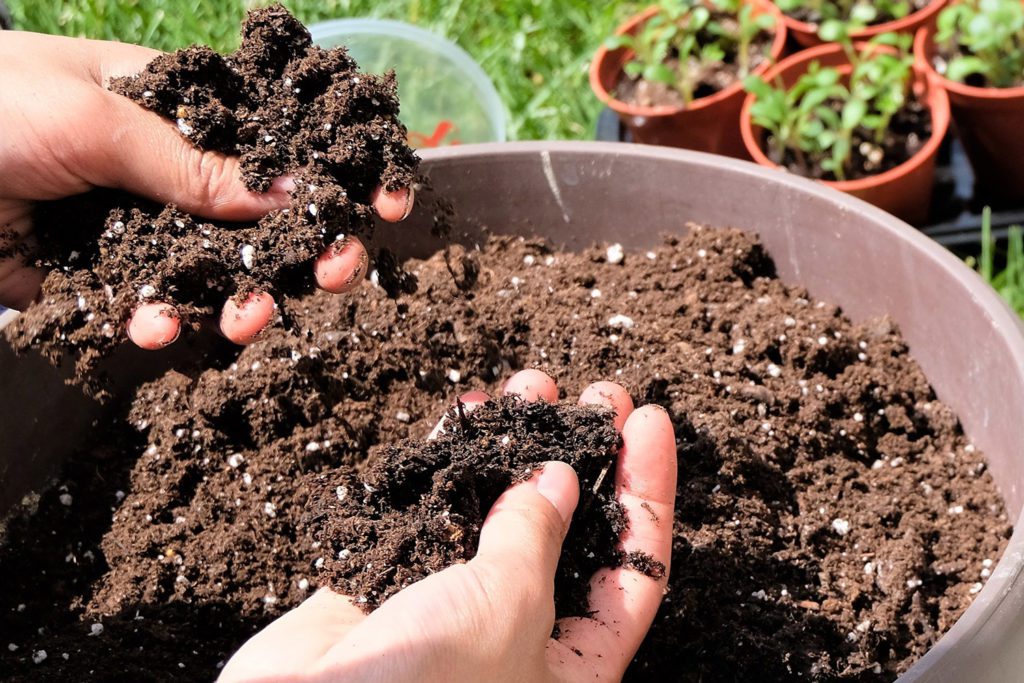
Incorporating perlite into mature compost enhances aeration and drainage to optimize moisture levels and support beneficial microorganisms. When you put perlite in mature compost, you are improving the overall quality of the compost by creating a well-aerated environment that promotes healthy root growth. By adding perlite to mature compost, you are effectively enhancing the soil structure, allowing for better water retention and drainage balance. This addition also aids in preventing soil compaction, which can hinder root development. The presence of perlite post-composting ensures that the compost remains loose and airy, facilitating improved air circulation within the soil. This, in turn, creates an ideal habitat for beneficial microbes that contribute to nutrient availability for plants. Ultimately, using perlite in mature compost enhances the overall health of your plants by providing them with a conducive growing medium that promotes robust growth and development.
Risks of Using Perlite in Wet Compost
Adding perlite to wet compost poses risks to the overall quality of the compost due to potential drainage issues and hindered aeration. When considering the moisture levels in your compost, it is crucial to understand the implications of using perlite in excessively wet conditions:
- Drainage Problems: Perlite, when mixed into already wet compost, can exacerbate drainage issues by further impeding water flow through the compost pile.
- Reduced Aeration: Excessive moisture levels combined with perlite can restrict the movement of air within the compost, leading to poor aeration that is essential for the decomposition process.
- Impact on Plant Growth: Inadequate aeration resulting from overly wet compost with perlite may hinder the growth of plants due to the lack of oxygen available to the roots.
To maintain optimal conditions for composting and plant growth, it is advisable to avoid using perlite in wet compost to prevent these risks from compromising the effectiveness of your composting efforts.
Rejuvenating Compost With Perlite
Using perlite in compost can revitalize and enhance the quality of the decomposing material by promoting aeration and improving soil structure. Perlite, a lightweight volcanic glass material, helps rejuvenate compost by creating air pockets within the mixture. This aeration is crucial for maintaining optimal moisture levels and preventing compaction in the compost pile. By incorporating perlite, you can enhance nutrient absorption and promote root health in the composted soil. The improved soil structure facilitated by perlite also aids in efficient drainage, which is essential for the overall health of your compost. Moreover, perlite supports microbial activity, fostering a healthy environment for decomposition to occur effectively. When rejuvenating compost with perlite, ensure to mix it thoroughly into the compost pile to distribute its benefits evenly. By utilizing perlite in your compost, you can significantly enhance its quality and overall performance.
Cleaning Old Perlite for Reuse
To ensure the effective reuse of old perlite in your compost, it is important to properly clean the material by soaking it in a bleach solution. Follow these steps to clean old perlite for reuse:
- Prepare the Bleach Solution:
- Mix 1 part bleach with 9 parts water in a container large enough to submerge the perlite completely.
- Soak the Perlite:
- Submerge the perlite in the bleach solution for 20-25 minutes to allow the bleach to oxidize and break down impurities.
- Rinse Thoroughly:
- After soaking, thoroughly rinse the perlite with clean water to remove any remaining bleach, impurities, and odors.
Cleaning perlite through this process helps eliminate contaminants and ensures that it is safe to reintroduce into your compost. Remember to let the perlite dry completely before mixing it back into your matured compost. By taking these steps, you can effectively clean old perlite for reuse and contribute to the health of your compost.
Maximizing Plant Growth With Perlite
To maximize plant growth with perlite, focus on its ability to increase water drainage, enhance aeration for roots, and prevent soil compaction. By incorporating perlite into your compost, you can create an optimal environment for healthy plant development. The improved soil structure provided by perlite promotes root growth and nutrient absorption, ultimately leading to thriving plants.
Increased Water Drainage
How does incorporating perlite in compost enhance water drainage to maximize plant growth potential? Adding perlite to your compost mix can significantly improve water drainage, which is crucial for healthy plant development. Here’s how perlite achieves this:
- Aeration Enhancement: Perlite’s lightweight and porous nature create air pockets in the compost, allowing for better airflow. This aeration prevents compaction and waterlogging, reducing the risk of root rot and other water-related issues.
- Water Drainage: The perlite particles act as tiny sponges, absorbing excess water and then slowly releasing it back into the soil. This efficient drainage system ensures that plants receive adequate moisture without becoming waterlogged.
- Root Health: By maintaining proper moisture levels and preventing water stagnation, perlite promotes robust root development. Healthy roots are essential for nutrient uptake and overall plant growth, making perlite a valuable addition to your compost for maximizing plant vitality.
Enhanced Aeration for Roots
Enhancing root aeration in plants for maximum growth potential can be achieved by incorporating perlite into the compost mix. Perlite, a lightweight volcanic glass, is known for its ability to create air pockets in the soil. When added to compost, perlite improves aeration, allowing roots to breathe more easily. This increased air circulation facilitates the development of healthier root systems, which in turn enhances nutrient absorption for plants. Furthermore, perlite helps prevent soil compaction, enabling roots to grow freely and promoting overall plant vitality.
Prevents Soil Compaction
Perlite’s inclusion in compost prevents soil compaction by creating vital air pockets that facilitate optimal root growth and plant development. When perlite is added to compost, it offers several advantages that contribute to maximizing plant growth:
- Enhanced Drainage: The presence of perlite in compost ensures that excess water drains effectively through the soil, preventing waterlogged conditions that can impede plant growth.
- Improved Aeration: Perlite’s ability to create air pockets within the compost enhances aeration, allowing plant roots to breathe and absorb nutrients more efficiently, leading to overall root development.
- Reduced Risk of Root Issues: Plant roots in perlite-amended compost are less likely to experience suffocation or root rot, promoting healthier and more robust plants that can thrive in an environment with optimal moisture levels.
Tips for Successful Perlite-Compost Integration
Integrating perlite into compost requires careful attention to mixing ratios and distribution throughout the compost pile. To ensure successful perlite-compost integration, start by mixing perlite at a ratio of around 10-20% by volume with your compost materials. This ratio helps maintain proper aeration and drainage, crucial for microbial activity within the compost. When adding perlite, ensure it is evenly distributed throughout the compost pile to enhance soil structure effectively. Proper distribution facilitates improved nutrient absorption by plant roots and reduces the risk of compaction, creating an optimal environment for composting.
When integrating perlite into your compost, consider the particle size of the perlite. Opt for fine to medium-grade perlite for better incorporation and distribution. Mix the perlite thoroughly with the compost materials to avoid clumping and ensure uniformity. By following these tips for successful perlite-compost integration, you can enhance the quality of your finished compost, promoting healthier plant growth in your garden.