

Various animals, such as earthworms and mammals like pigs, consume soil for essential benefits. Earthworms play a crucial role in nutrient cycling and soil aeration. Mammals, like pigs, may ingest soil in contaminated areas. Birds, including chickens, accidentally consume soil as well. Geophagy, or soil consumption, can offer immunological advantages by aiding the immune system. By consuming soil, animals can benefit from crucial minerals and nutrients like calcium and potassium. Exploring the world of animals that eat soil unveils a fascinating ecosystem driven by unique dietary behaviors.
Animals That Consume Soil

Animals actively involved in the consumption of soil play crucial roles in various ecosystems, contributing significantly to nutrient cycling and ecosystem health. When soil is contaminated, certain animals like earthworms become even more essential. Earthworms, known as ecosystem engineers, consume soil as they burrow through it, aiding in aeration and nutrient cycling. In contaminated soils, earthworm activity can help break down pollutants and improve soil structure. Tardigrades, microscopic organisms, also ingest soil particles as they feed on algae, contributing to the decomposition of organic matter. Additionally, mammals like pigs and rodents intentionally consume soil in contaminated areas, possibly to mitigate the effects of toxic substances. Birds such as chickens and turkeys, although unintentionally, may ingest contaminated soil while foraging for food. Even reptiles like turtles and iguanas, while primarily herbivores, can inadvertently consume contaminated soil while eating vegetation. These animals inadvertently aid in the natural processes that can alleviate the impacts of soil contamination within ecosystems.
Benefits of Geophagy
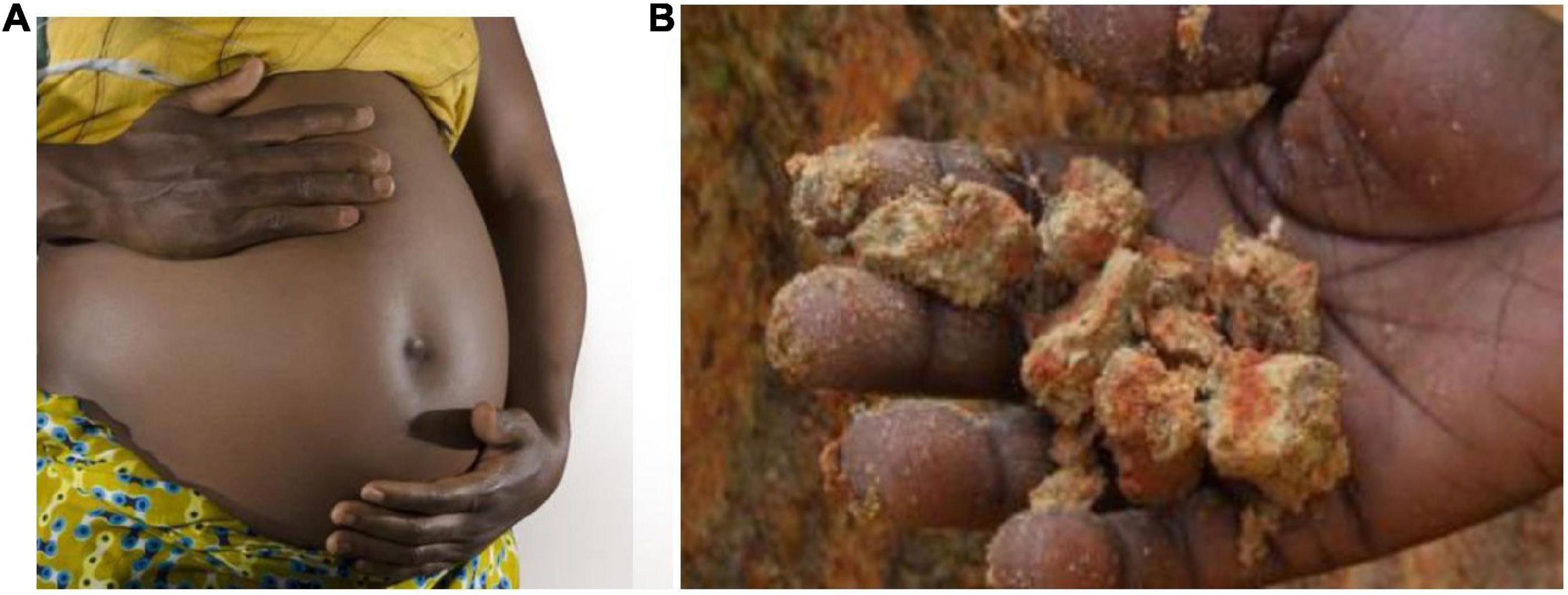
Geophagy, the consumption of soil or dirt, presents intriguing potential benefits for both humans and animals across various cultures and ecosystems. Some studies suggest that geophagy may offer immunological advantages by stimulating the immune system and bolstering fetal immunity. Clays containing aluminum compounds in soil could function as immunologic adjuvants, aiding in immune system maturation and effectiveness. Interestingly, consuming soil during pregnancy is a customary practice in many societies, particularly prevalent among pregnant women in sub-Saharan Africa. This behavior might have evolutionary roots, potentially acting as a natural defense against endemic pathogens and increasing calcium levels. Despite these potential benefits, it is crucial to note that geophagy could also have adverse effects. Excessive ingestion of certain types of soil may lead to toxic metal accumulation in the body or interfere with nutrient absorption, highlighting the importance of moderation and understanding the composition of the soil consumed.
Role of Soil in Animal Diets
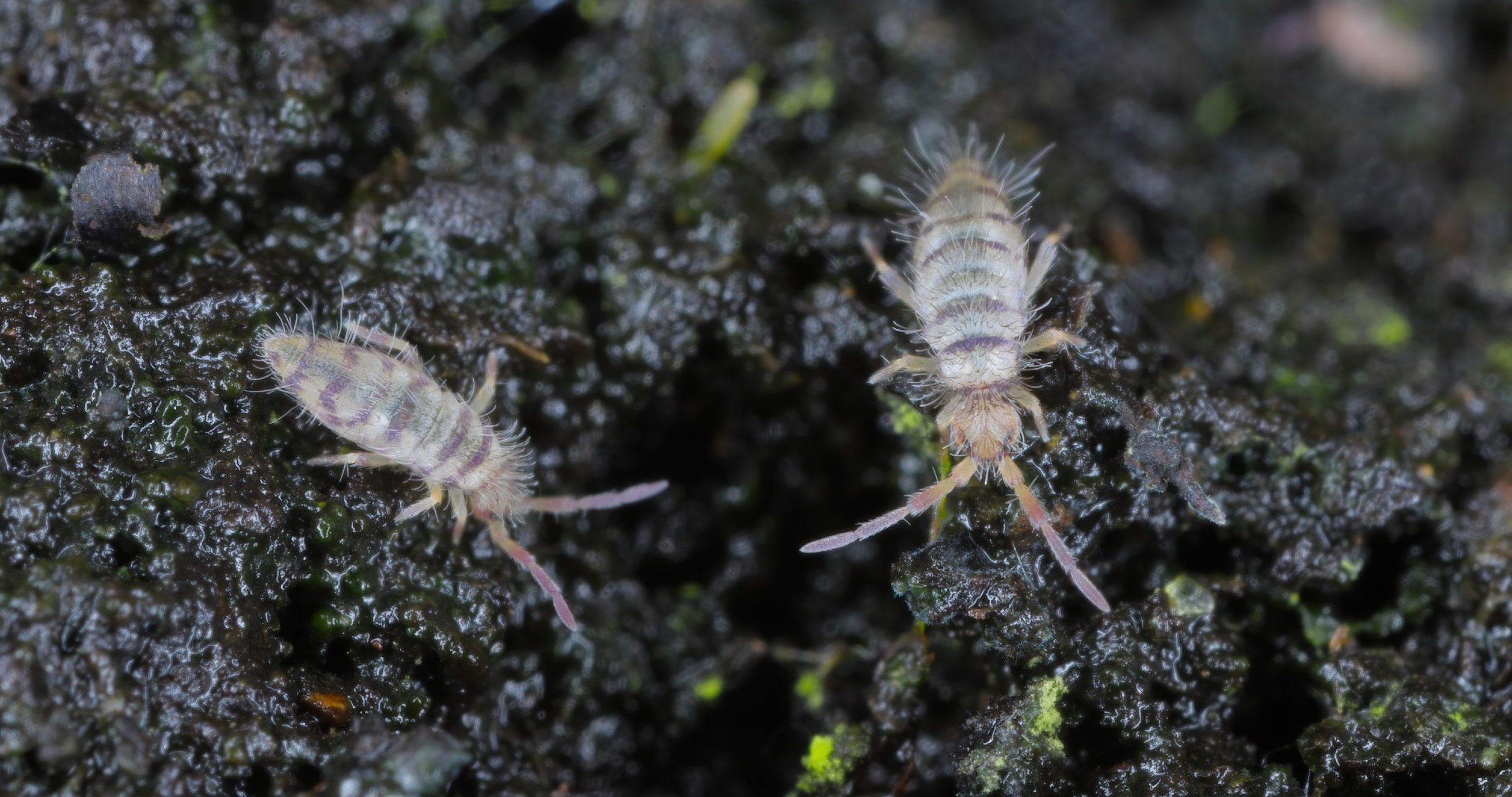
The role of soil in animal diets is fundamental to the functioning and dynamics of soil ecosystems, with various soil-dwelling organisms serving as key components in the food web. Soil animals like earthworms, springtails, mites, and protists play a crucial role in soil ecosystems by decomposing organic matter, providing a vital source of nutrients for other organisms. More than half of all vertebrate predators on land feed on soil invertebrates, demonstrating the importance of soil in animal diets. Predation within the soil food web is a common interaction, with predators helping to regulate prey populations, maintaining ecological balance.
| Soil Organism | Role in Food Web |
|---|---|
| Earthworms | Decompose organic matter |
| Springtails | Serve as prey for predators |
| Mites | Contribute to nutrient cycling |
Stable isotope ratios, biomarkers, and molecular gut content analysis are tools used to study the feeding habits of soil animals, aiding in understanding their role in soil health, fertility, and biodiversity within ecosystems.
Importance of Minerals in Geophagy
Consuming soil can provide essential minerals crucial for physiological functions in various animal species. Animals that ingest little dirt may benefit from a variety of minerals such as calcium, potassium, and sodium, which are often lacking in their regular diet. Additionally, trace elements like iron, zinc, and magnesium found in dirt can contribute to the overall health of these animals. The minerals obtained through geophagy play a vital role in bone development, muscle function, and maintaining optimal health. Many animals engage in geophagy as a means to supplement their nutritional intake and ensure they have a balanced mineral profile. This behavior reflects their instinctual drive to fulfill mineral requirements necessary for various physiological functions. By consuming soil, these animals can access a diverse array of minerals that support their well-being and help them thrive in their natural habitats.

How Geophagy Affects Animal Health
Soil ingestion by animals can significantly impact their overall health and physiological functions through the intake of essential minerals and nutrients. Geophagy plays a vital role in providing animals with minerals like calcium, phosphorus, and trace elements that are crucial for their well-being. For instance, some animals consume soil to aid in digestion, neutralize toxins, and improve gut health. By ingesting soil, animals can also contribute to parasite control and detoxification processes, enhancing their overall health. Moreover, geophagy may help animals supplement their diet with missing nutrients or balance their microbiome, further supporting their health and vitality. Certain animals, such as elephants and birds, intentionally eat soil to aid in digestion or obtain minerals not found in their regular diet. Understanding the benefits of geophagy among animals can offer insights into the potential advantages of soil consumption among children and its effects on their health.