

Mushrooms, classified as fungi, have distinct differences from vegetables. Despite this, the USDA includes them in the vegetable category for cooking. Mushrooms lack roots, leaves, and seeds, and they don’t photosynthesize. Nutritionally, they are low in calories but rich in protein, B vitamins, selenium, and potassium. Varieties like button, shiitake, and oyster offer unique flavors and health benefits. Sustainable farming practices ensure their environmental impact is minimal. While mushrooms aren’t vegetables botanically, they provide essential nutrients and add value to a balanced diet.
Mushroom Classification Explained
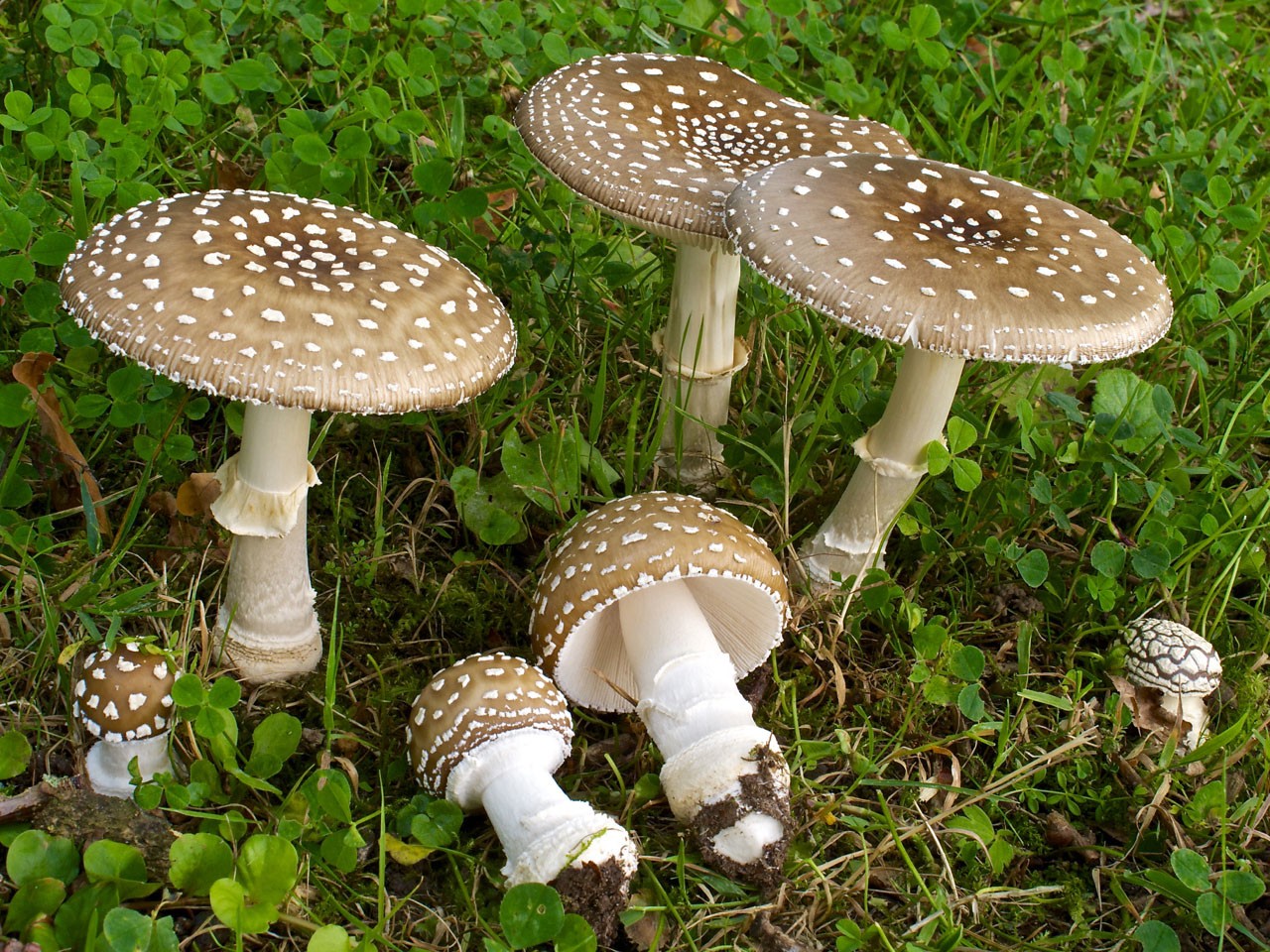
Understanding the classification of mushrooms is essential in distinguishing them from vegetables due to their distinct biological characteristics. Mushrooms are not classified as vegetables but belong to the fungi kingdom, obtaining nutrients heterotrophically by absorbing them from the environment. This sets them apart from plants, which produce their food through photosynthesis. When considering their nutritional attributes, mushrooms offer a unique profile compared to vegetables. They are a good source of protein, B vitamins, selenium, and antioxidants. Moreover, mushrooms are low in calories and fat, making them a healthy option for various diets. Another key difference is in their reproductive methods – mushrooms reproduce through spores, contrasting with plants that use seeds. The visible part of mushrooms that we consume is the fruiting body, while the main fungus body, called mycelium, remains underground. Understanding these distinctions sheds light on why mushrooms are biologically different from vegetables and highlights their nutritional value.
Botanical Differences From Vegetables

Mushrooms exhibit distinct botanical differences from traditional vegetables, stemming from their classification as fungi rather than plants. Unlike typical vegetables, mushrooms lack leaves, roots, and seeds. They do not rely on light for growth, as they obtain nutrients through absorption rather than photosynthesis. While the USDA categorizes mushrooms as vegetables for culinary purposes, botanically, they belong to the fungi kingdom. This classification is due to their reproductive structures and cell walls containing chitin, a component not found in plants.
To highlight the botanical variances between mushrooms and vegetables, the table below summarizes key differences:
| Botanical Aspect | Mushrooms |
|---|---|
| Reproductive Structure | Spores released from gills |
| Nutrient Absorption | Absorptive mycelium |
| Cell Wall Composition | Chitin |
| Growth Requirements | Dark, damp environment |
Understanding these botanical disparities underscores the unique nature of mushrooms as a distinct food source separate from traditional vegetables.
USDA’s Inclusion of Mushrooms
The USDA categorizes mushrooms as part of the vegetable family, despite their botanical differences from traditional vegetables. This classification is based on culinary uses and the nutritional benefits mushrooms provide, aligning them with vegetables in dietary guidelines. Here’s what you need to know about the USDA’s inclusion of mushrooms:
- USDA Classification: The Department of Agriculture categorizes mushrooms as vegetables for the purpose of dietary recommendations and meal planning.
- Botanical Distinctions: Mushrooms lack key botanical features of traditional vegetables like leaves, roots, and seeds, leading to their distinct classification.
- Nutritional Similarities: While not botanically vegetables, mushrooms offer similar nutritional attributes to traditional vegetables, such as being low in calories and rich in vitamins and minerals.
- Dietary Planning: Recognizing mushrooms as part of the vegetable family assists consumers in ensuring a diverse and balanced diet that includes a variety of nutrients.

Nutritional Benefits of Mushrooms
When considering the dietary benefits of mushrooms, it is important to acknowledge their significant nutritional value. Mushrooms are low in calories, fat, and cholesterol, making them a healthy addition to your diet. They provide a good source of protein, with around 1-2 grams per cup, and are rich in essential nutrients such as B vitamins, selenium, and potassium. One remarkable aspect of mushrooms is their ability to naturally produce vitamin D when exposed to light, making them one of the few non-animal food sources of this crucial vitamin. Including mushrooms in your meals can help you achieve a balanced and nutritious eating plan, boosting your intake of important nutrients. Whether added to salads, stir-fries, or enjoyed on their own, mushrooms offer a flavorful and beneficial option to enhance the nutritional content of your meals.
Incorporating Mushrooms in Diet
To optimize the nutritional benefits of incorporating mushrooms into your diet, consider experimenting with different cooking techniques to enhance their flavor profile. Mushrooms are versatile and can be enjoyed in various ways. Here are some tips to help you incorporate more mushrooms into your meals:
- Sauté: Quickly cook mushrooms in a pan with a bit of olive oil and your favorite seasonings for a simple and tasty side dish.
- Grill: Grilling mushrooms can add a smoky flavor to your dishes, making them a great addition to salads or sandwiches.
- Roast: Roasting mushrooms in the oven with garlic and herbs can intensify their umami flavor, perfect for pasta dishes or as a pizza topping.
- Stir-fry: Incorporate mushrooms into stir-fries with other vegetables and protein sources for a nutrient-packed meal with a satisfying texture.

Mushroom Versatility in Cooking
Explore the diverse culinary possibilities of mushrooms through various cooking methods to elevate your dining experience. Mushrooms, although not vegetables, offer a wide range of options when it comes to cooking. They can be grilled, sautéed, roasted, or even enjoyed raw in salads, showcasing their remarkable versatility in the kitchen. Due to their meaty texture, mushrooms are commonly used as a meat substitute in vegetarian and vegan recipes, adding depth and flavor to dishes. Different varieties of mushrooms provide unique textures and flavors, allowing for a diverse range of culinary creations. Dried mushrooms, when reconstituted, intensify the flavor profile of dishes, making them a valuable addition to soups, stews, and sauces. For those interested in cultivating their own mushrooms, home cultivation kits offer a convenient way to enjoy fresh mushrooms straight from the comfort of your kitchen. Embrace the culinary adventure that mushrooms bring to your cooking repertoire.
Mushroom’s Impact on Brain Health
Mushrooms, with their rich antioxidant content and B vitamins, play a significant role in supporting brain health. These nutritional powerhouses offer various benefits for your cognitive well-being:
- Antioxidants: Mushrooms are abundant in antioxidants, which help combat oxidative stress in the brain, potentially reducing the risk of neurodegenerative diseases.
- B Vitamins: The B vitamins found in mushrooms, such as riboflavin and niacin, are crucial for maintaining healthy brain function, aiding in neurotransmitter synthesis and nerve cell maintenance.
- Immune Defense: Certain mushrooms contain bioactive compounds that can enhance immune function. A robust immune system is essential for protecting brain health and overall well-being.
- Vitamin D: Consuming mushrooms can help alleviate vitamin D deficiency. Vitamin D plays a vital role in brain health, influencing mood regulation and cognitive function.

Mushroom’s Potential Cancer-Fighting Properties
Certain mushrooms exhibit promising potential in fighting cancer due to the presence of specific compounds that have demonstrated anti-tumor activity. Studies have indicated that including mushrooms in your diet may offer protective benefits against certain types of cancer. The anti-cancer properties of mushrooms are attributed to various bioactive compounds such as polysaccharides, beta-glucans, and antioxidants. These compounds have been shown to inhibit tumor growth, prevent angiogenesis (the formation of blood vessels within tumors), and induce cancer cell apoptosis (cell death).
Furthermore, the antioxidants found in mushrooms play a crucial role in neutralizing free radicals that can damage cells and lead to cancer development. Research suggests that regular consumption of mushrooms is associated with a reduced risk of certain cancers, making them a valuable addition to a cancer-preventative diet. By incorporating mushrooms into your meals, you may harness their cancer-fighting properties and support your overall health and well-being.
Exploring Mushroom Coffee Benefits
Utilizing powdered mushrooms in combination with regular coffee grounds creates mushroom coffee, offering potential health benefits derived from the added mushrooms, such as improved focus and energy. When considering mushroom coffee benefits, it’s important to understand the advantages that mushrooms provide:
- Antioxidants: Mushrooms are rich in antioxidants like ergothioneine, which can help combat oxidative stress in the body.
- Vitamins: Mushroom coffee can provide essential vitamins such as vitamin D, which is crucial for immune function and bone health.
- Minerals: Incorporating mushrooms into your coffee can offer minerals like selenium, important for thyroid health and protecting against oxidative damage.
- Unique Mushroom Types: Different mushrooms used in mushroom coffee, like chaga, lion’s mane, and reishi, each bring their own health benefits to the table.

Mushroom Varieties and Flavors
Exploring the diverse world of mushroom varieties reveals a range of flavors and textures that can enhance a variety of culinary dishes. The common button mushroom, also known as Agaricus bisporus, is a versatile option found in many kitchens. It has a mild flavor that intensifies when cooked, making it suitable for various recipes. Crimini mushrooms, which are simply mature button mushrooms, offer a deeper, earthier taste. Portabella mushrooms, on the other hand, are matured crimini mushrooms with a dense, meaty texture, ideal for grilling or stuffing.
Moving beyond the familiar, oyster mushrooms provide a delicate, seafood-like flavor and a tender texture, perfect for stir-fries. Shiitake mushrooms have a robust, smoky taste that complements broths and stir-fries exceptionally well. Maitake, or hen-of-the-woods, mushrooms offer a rich, woodsy flavor that enhances soups and sauces. Enoki mushrooms, with their delicate, almost crunchy texture, are often used to garnish dishes. Each mushroom variety brings its unique characteristics to the table, allowing for a diverse and flavorful culinary experience.
Mushroom Cooking Tips

To enhance the flavors and textures of mushrooms in your culinary creations, follow these expert cooking tips.
- Clean Your Mushrooms Properly
Before cooking, ensure you clean mushrooms by gently brushing off any dirt or debris. A quick rinse under running water can also help remove any remaining impurities.
- Slice Them Right
For even cooking and improved texture, it’s best to slice mushrooms into quarters. This method allows them to cook more uniformly and enhances their overall mouthfeel.
- Sauté to Perfection
To bring out the rich umami flavors of mushrooms, sauté them until they are slightly soft. This process not only intensifies their taste but also adds depth to your dishes.
- Marinate for Flavor
Consider marinating mushrooms before cooking to infuse them with additional richness and complexity. This step can elevate the taste profile of the mushrooms and make them even more enjoyable to eat.
Incorporating these mushroom cooking tips into your culinary repertoire will surely elevate your dishes and showcase the delicious flavors that mushroom farming produces.
Mushroom Farming and Sustainability
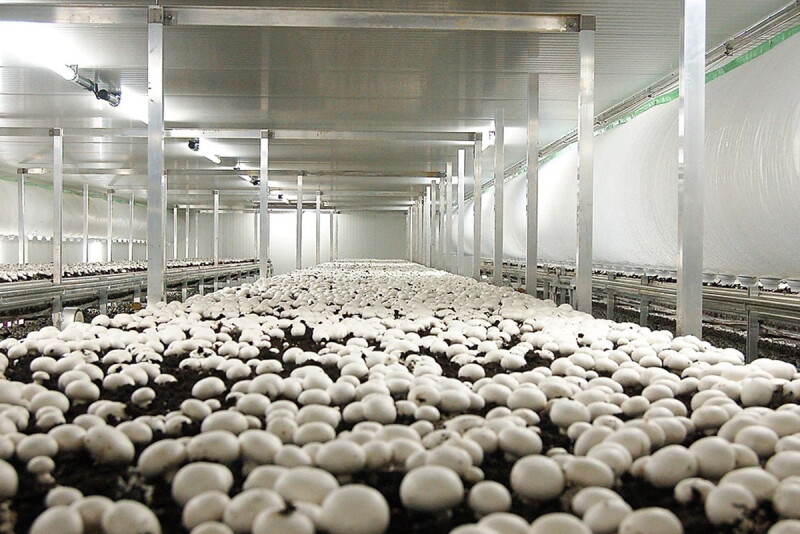
Mushroom farming practices prioritize environmental sustainability through efficient resource utilization and waste reduction. Controlled environment cultivation techniques in mushroom farming help minimize the need for pesticides, promoting soil health and biodiversity. Byproducts such as compost generated from mushroom cultivation play a vital role in recycling agricultural waste, contributing to overall waste reduction efforts. The sustainable nature of mushroom farming extends to efficient resource management, reducing the industry’s ecological footprint. The closed-loop system within mushroom cultivation not only conserves resources but also minimizes environmental impact by utilizing waste streams effectively. This approach aligns with modern agricultural practices that aim to reduce waste and promote sustainability. The integration of mushroom farming into sustainable agricultural systems showcases its potential to be a key player in environmentally friendly food production. By adopting these practices, mushroom farmers can contribute significantly to conservation efforts and sustainable food production.
Conclusion: Mushrooms – Not a Vegetable
In botanical terms, it is essential to recognize that mushrooms do not belong to the vegetable category due to their fungal nature and distinct biological characteristics. Despite their classification as vegetables by the USDA, mushrooms contain unique features that differentiate them from true vegetables. Here’s why mushrooms are not considered vegetables:
- Fungal Nature: Mushrooms are classified as fungi, lacking leaves, roots, and the ability to photosynthesize like traditional vegetables.
- Botanical Criteria: While mushrooms offer similar nutritional benefits to vegetables, they do not meet the botanical criteria for vegetables due to their fungal origin.
- Nutritional Benefits: Mushrooms contain essential nutrients and fiber, making them a valuable addition to a balanced diet, even though they are not vegetables.
- Dietary Categorization: Understanding the distinction between mushrooms and vegetables is crucial for accurately categorizing dietary choices and nutritional intake.