

Explore Texas’ diverse hummingbird species like the Ruby-throated with its red throat iridescence, the adaptable Black-chinned, and the aggressive Rufous known for its long migrations. Witness the territorial Anna’s vibrant colors, the unique vocalizations of the Calliope, and the elaborate courtship flights of the Broad-tailed. Discover the rare visitors like the Blue-throated and the captivating White-eared. Each species adds a unique touch to Texas’ avian landscape, showcasing a remarkable array of adaptations and behaviors. Delve deeper into the fascinating world of these tiny creatures and their crucial roles in ecosystems across the state.
1. Ruby-throated Hummingbird

The Ruby-throated Hummingbird, the only hummingbird species that breeds in eastern North America, is a fascinating creature known for its vibrant colors and remarkable migration abilities. Males boast an iridescent red throat, while females exhibit a white throat and greenish back. These tiny birds embark on an incredible migration journey, crossing the Gulf of Mexico, a distance of about 500 miles, in a non-stop flight lasting approximately 18-22 hours. Their agility is exceptional, allowing them to reach speeds of up to 60 miles per hour in flight.
In terms of diet, Ruby-throated Hummingbirds primarily feed on nectar from flowers but supplement their diet with insects during the breeding season for additional protein. Their foraging behavior is vital for pollination and ecosystem health. These birds are known for their territorial nature, vigorously defending their feeding areas. Understanding their behavior and habitat preferences is crucial for conservation efforts. By respecting their space and providing appropriate resources, we can help support these remarkable creatures.
2. Black-chinned Hummingbird
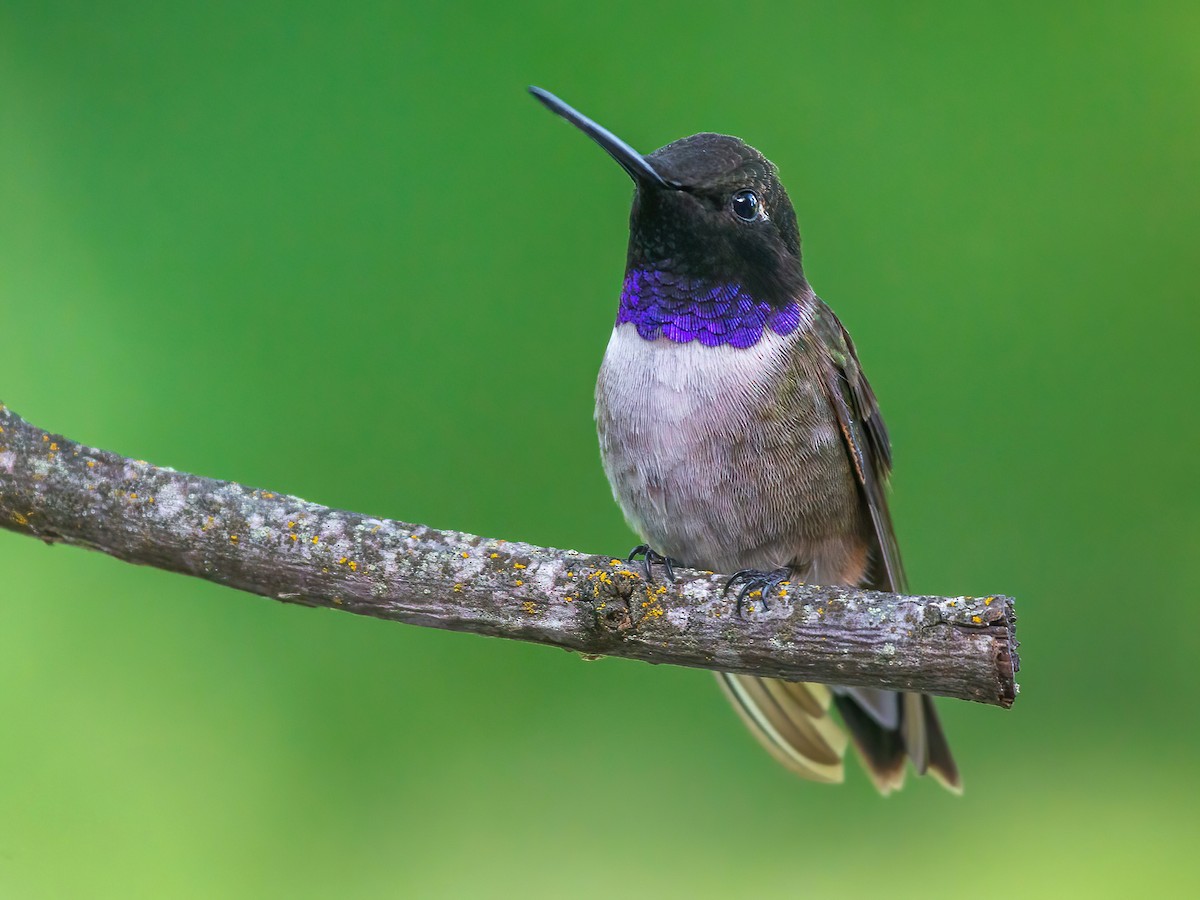
The Black-chinned Hummingbird, a common sight in Texas, thrives in various habitats such as shrubs and trees close to water sources like rivers and streams. Recognizable by the dark throat patch that can appear black, males sport a distinctive purple band on their throats. These tiny birds exhibit a diverse diet, feeding on flower nectar and catching insects mid-air for essential protein.
Habitat and Range
Commonly found in Texas, the Black-chinned Hummingbird’s preferred habitats include open woodlands, desert scrub, and urban areas for nesting and foraging. Understanding their habitat and range is crucial for conservation efforts in Texas.
- Nesting Preferences: Black-chinned Hummingbirds select sites with adequate cover for their nests, often choosing trees or shrubs for protection from predators.
- Foraging Locations: These hummingbirds are highly adaptable in their foraging habits, feeding on nectar from a variety of flowers and insects found in their diverse habitats.
- Range Expansion, Urban Adaptation: Black-chinned Hummingbirds have shown an ability to expand their range into new areas, including urban environments where they utilize gardens and parks for food sources and nesting sites.
- Conservation Implications, Population Dynamics: Monitoring the population dynamics of Black-chinned Hummingbirds is essential to assess the impact of habitat loss, climate change, and other factors on their numbers, aiding in the development of effective conservation strategies to protect this species in Texas.
Physical Characteristics
Characterized by its distinctive black chin feathers and metallic green back, the Black-chinned Hummingbird is a medium-sized species commonly found in open woodlands and desert areas of Texas during the breeding season. These hummingbirds exhibit size variations, with an average length of about 3.5 inches. The males of this species sport the eponymous black chin feathers, complemented by a purple throat, while females have a white-tipped tail, adding to their visual appeal.
In addition to their unique plumage details, Black-chinned Hummingbirds are known for their courtship displays during mating rituals. Males engage in elaborate aerial displays, flying in U-shaped patterns and making high-pitched calls to attract females. These displays not only showcase the male’s agility and strength but also serve as a means of communication in establishing mating bonds.
When in flight, their wings exhibit a striking coloration, shimmering with iridescent greens and blues as they dart swiftly from flower to flower in search of nectar. The distinct tail differences between males and females further enhance the beauty of these captivating birds.
Feeding Behavior
Feeding primarily on nectar from vibrant red or orange tubular blooms, the Black-chinned Hummingbird also supplements its diet with small insects and spiders for protein. Understanding their feeding behavior reveals fascinating insights into their survival strategies:
- Nectar Sources and Foraging Behavior: Black-chinned Hummingbirds have a preference for flowers with tubular shapes and bright colors, making them efficient pollinators as they move from bloom to bloom.
- Feeding Frequency and Territoriality: These hummingbirds are fiercely territorial, vigorously defending their feeding areas from intruders. Their high energy demands necessitate frequent feeding every 10-15 minutes to sustain their rapid metabolism.
- Protein Intake and Insect Consumption: While nectar provides essential sugars for energy, Black-chinned Hummingbirds rely on small insects and spiders as a crucial source of protein to support their growth and vitality.
3. Rufous Hummingbird

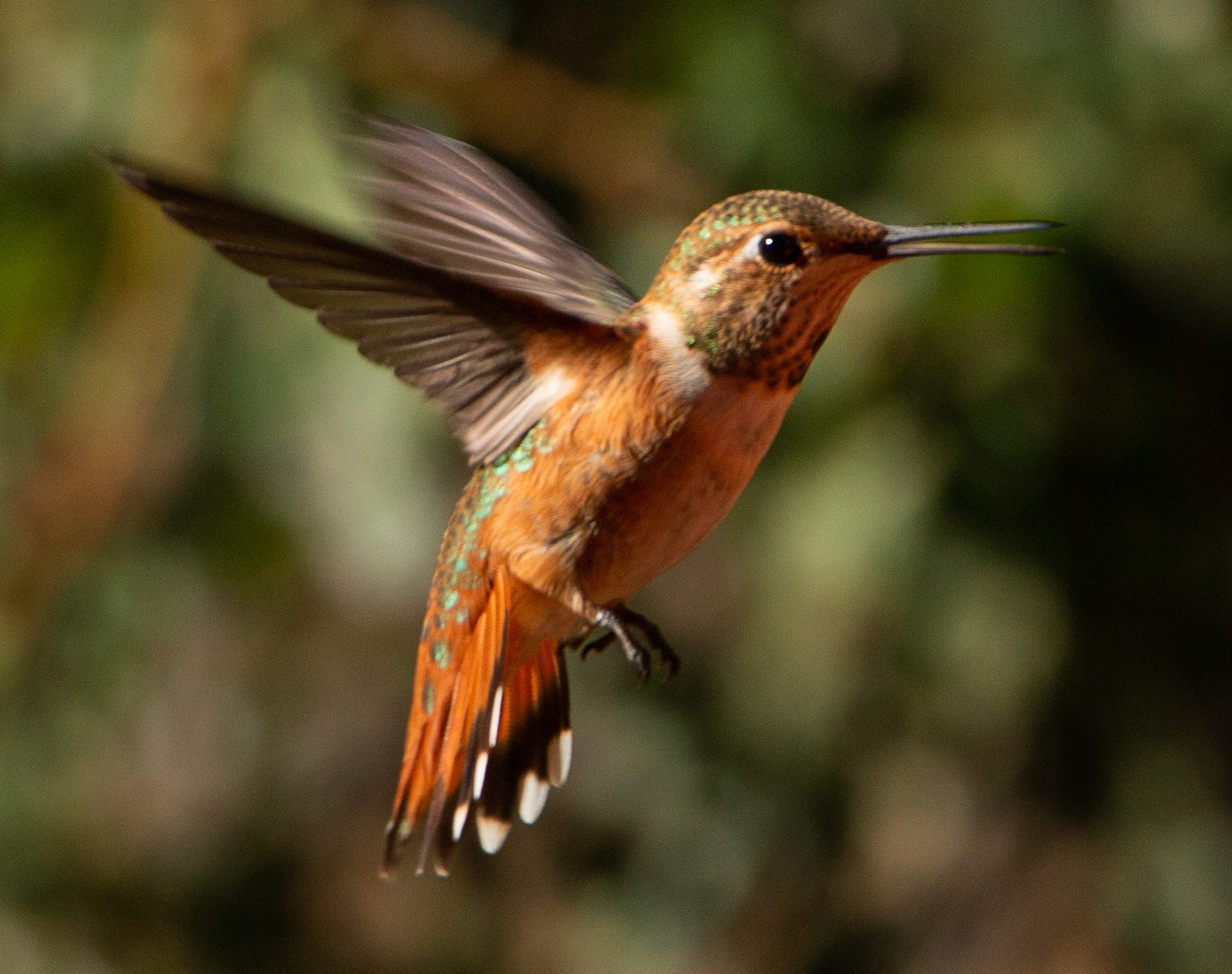
You’ll find Rufous Hummingbirds in Texas frequenting open woodlands, gardens, and meadows where they can easily access nectar-rich flowers for feeding. These tiny birds embark on one of the longest migratory journeys among all bird species, traveling up to 3,900 miles from Alaska to Mexico. Known for their aggressive behavior, Rufous Hummingbirds fiercely defend their territory while emitting a distinctive high-pitched buzzing sound with their rapid wingbeats.
Rufous Hummingbird Habitat
The Rufous Hummingbirds’ habitat preferences reflect their adaptability to diverse environments across North America, showcasing their remarkable range and resilience. When it comes to nesting preferences and migration routes, Rufous Hummingbirds tend to build their nests in trees or shrubs, often in open areas near water sources, before embarking on their impressive migrations that span from Alaska to Mexico. In terms of breeding habits and foraging behavior, these hummingbirds are known for their energetic and aggressive nature during breeding season, actively defending their territories and seeking out nectar-rich flowers for sustenance.
Territorial disputes among Rufous Hummingbirds are common, with males engaging in fierce aerial battles to establish and protect their feeding territories. Courtship rituals, on the other hand, involve elaborate aerial displays characterized by high-speed dives and intricate flight patterns to attract potential mates. This species’ ability to thrive in a wide range of habitats and their prowess in flight make them a fascinating subject of study for researchers and bird enthusiasts alike.
Rufous Hummingbird Migration
During their remarkable migration journey, Rufous Hummingbirds traverse up to 3,900 miles from Alaska to Mexico, showcasing their endurance and navigational abilities. Their migration patterns are influenced by environmental factors such as food availability and weather conditions. To ensure survival during this arduous journey, Rufous Hummingbirds fiercely defend their territories, displaying aggression towards other hummingbirds that encroach upon their feeding areas.
The territorial defense behavior is crucial for their adaptation and survival, as it helps them secure essential resources needed for the long migration. These hummingbirds exhibit remarkable resilience in traversing vast distances, often facing challenges such as adverse weather and competition from other bird species. By studying their migration habits, researchers gain valuable insights into the strategies these birds employ to navigate such extensive routes and overcome obstacles in their path.
Rufous Hummingbird Behavior
Frequently exhibiting territorial aggression, Rufous Hummingbirds fiercely defend their feeding areas against intruders, showcasing their remarkable behavior patterns. Here are some intriguing aspects of Rufous Hummingbird behavior:
- Aggressive Interactions: Rufous Hummingbirds are known for their aggressive defense of territories and feeders, often chasing away larger birds and even other hummingbirds.
- Courtship Displays: These hummingbirds exhibit acrobatic flight displays during courtship, showcasing their agility and grace in the air.
- Nesting Behavior: Rufous Hummingbirds build compact cup-shaped nests using plant fibers, down, and spider silk, often placing them on branches or other protected sites.
- Parental Care: Once the eggs hatch, the female Rufous Hummingbird takes the lead in feeding and caring for the young, with the male occasionally assisting in the process.
Observing these behaviors in Rufous Hummingbirds provides a fascinating glimpse into the intricate and dynamic world of these tiny yet mighty birds.
4. Anna’s Hummingbird
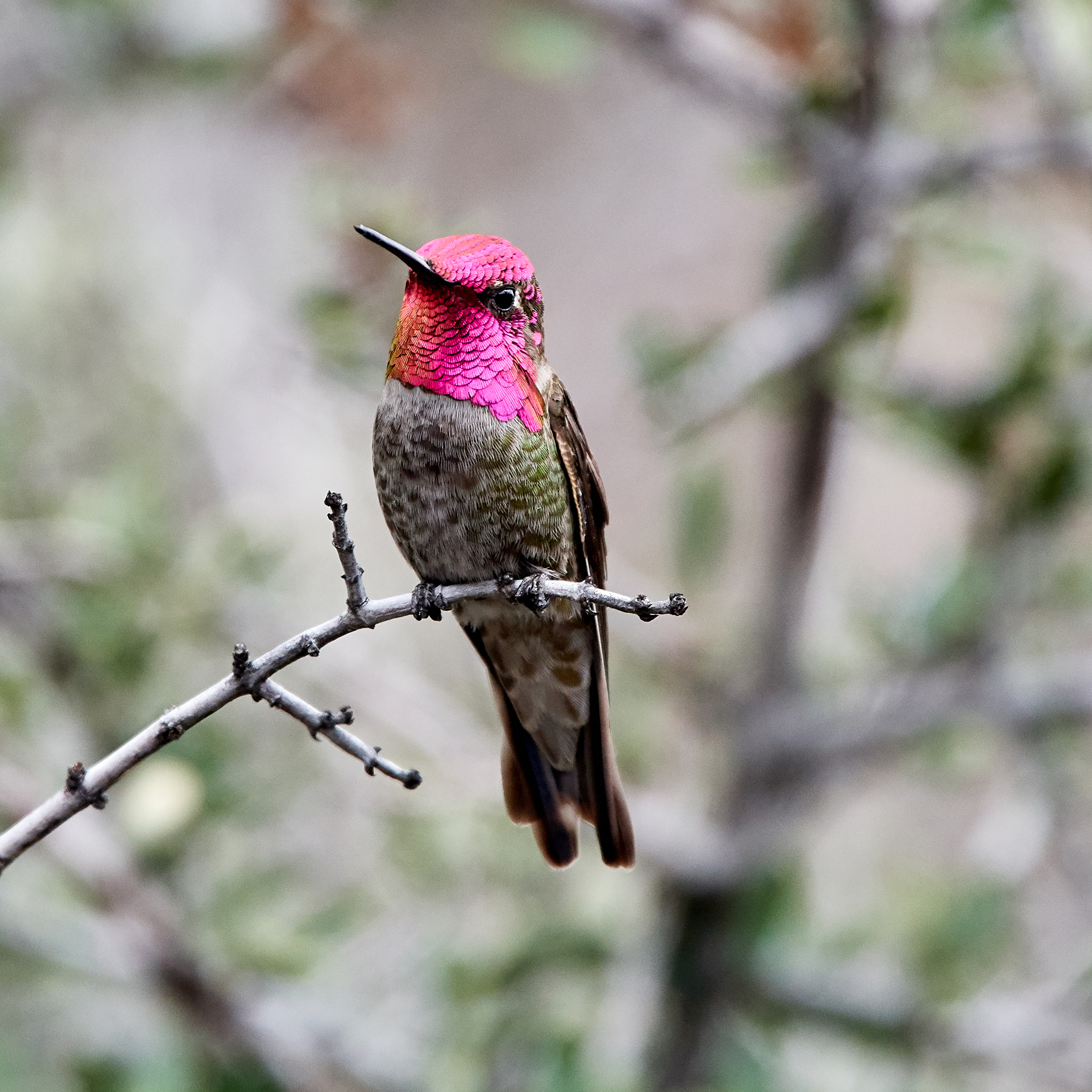
Among the hummingbird species inhabiting Texas, Anna’s Hummingbird stands out for its vibrant iridescent pink and green feathers. These year-round residents are commonly found in urban and suburban areas, known for their territorial behavior. Anna’s Hummingbirds fiercely defend their feeding and nesting areas, exhibiting aggressive behavior towards intruders. Their nesting habits involve constructing small cup-shaped nests using plant fibers and spider silk, typically placed on thin branches for camouflage.
Migration patterns of Anna’s Hummingbirds vary within their range, with some populations moving to more favorable locations during harsh weather conditions. The breeding season for these hummingbirds typically occurs from late winter to early summer when food sources are abundant. Predatory threats to Anna’s Hummingbirds include birds of prey, domestic cats, and habitat loss due to urbanization. Conservation efforts focus on preserving suitable habitats and raising awareness about the importance of providing nectar-rich flowers and feeders to support these stunning creatures.
5. Calliope Hummingbird
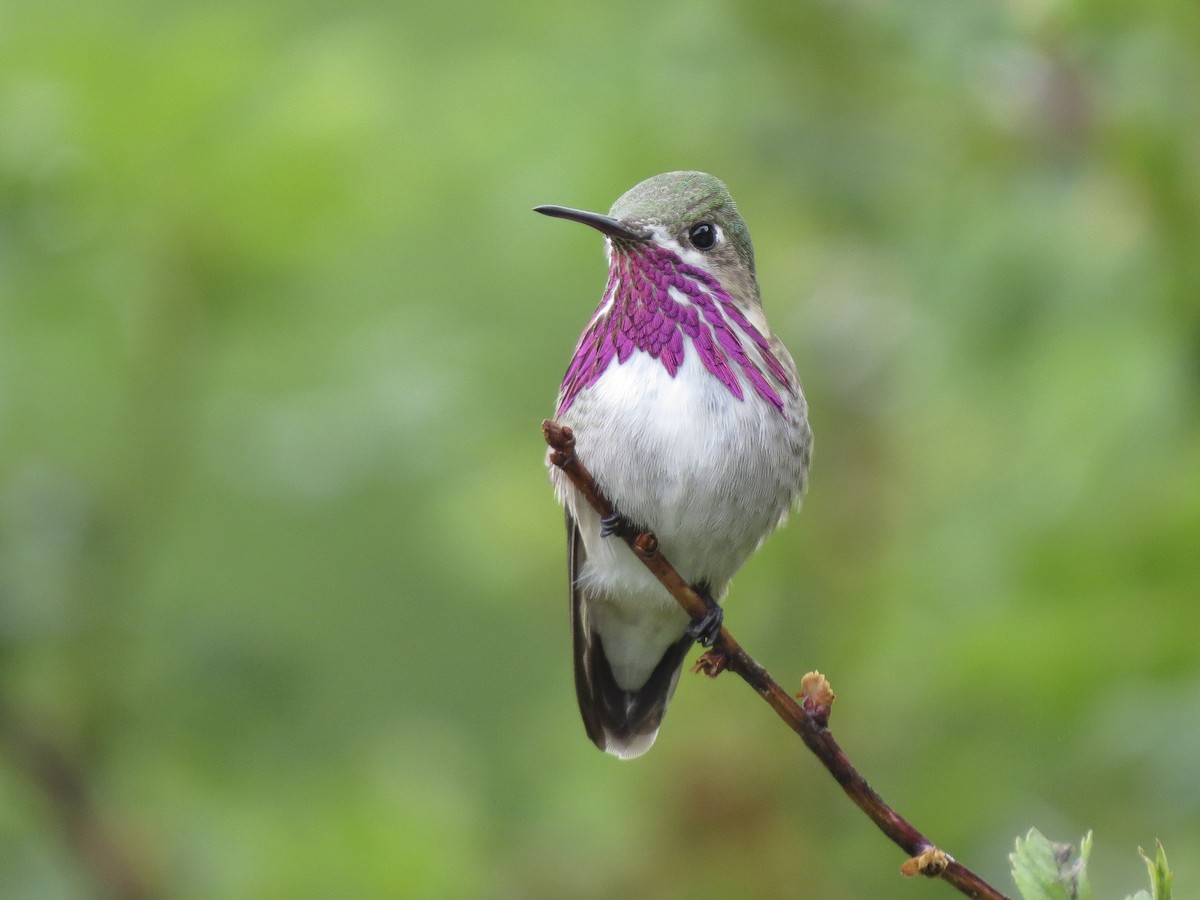
Anna’s Hummingbird, known for its striking pink and green feathers, shares the Texan skies with the tiny yet vibrant Calliope Hummingbird, the smallest breeding bird in North America.
- Nesting habits, migration: Calliope Hummingbirds build their nests in coniferous trees, often placing them on horizontal branches for stability. During the winter, they migrate south to Mexico and Central America, seeking warmer climates.
- Breeding season, vocalizations: The breeding season for Calliope Hummingbirds typically starts in late spring and extends through the summer months. Males are known for their high-pitched, squeaky song, which they use to attract mates and establish territories.
- Diet preferences, territorial behavior: These hummingbirds have a diet primarily consisting of nectar from flowers, supplemented with insects for protein. They are known to be fiercely territorial, defending feeding areas and nesting sites from intruders with impressive agility and speed.
Despite their small size, Calliope Hummingbirds exhibit remarkable behaviors and adaptations that make them a fascinating species to observe in the wild.
6. Broad-tailed Hummingbird
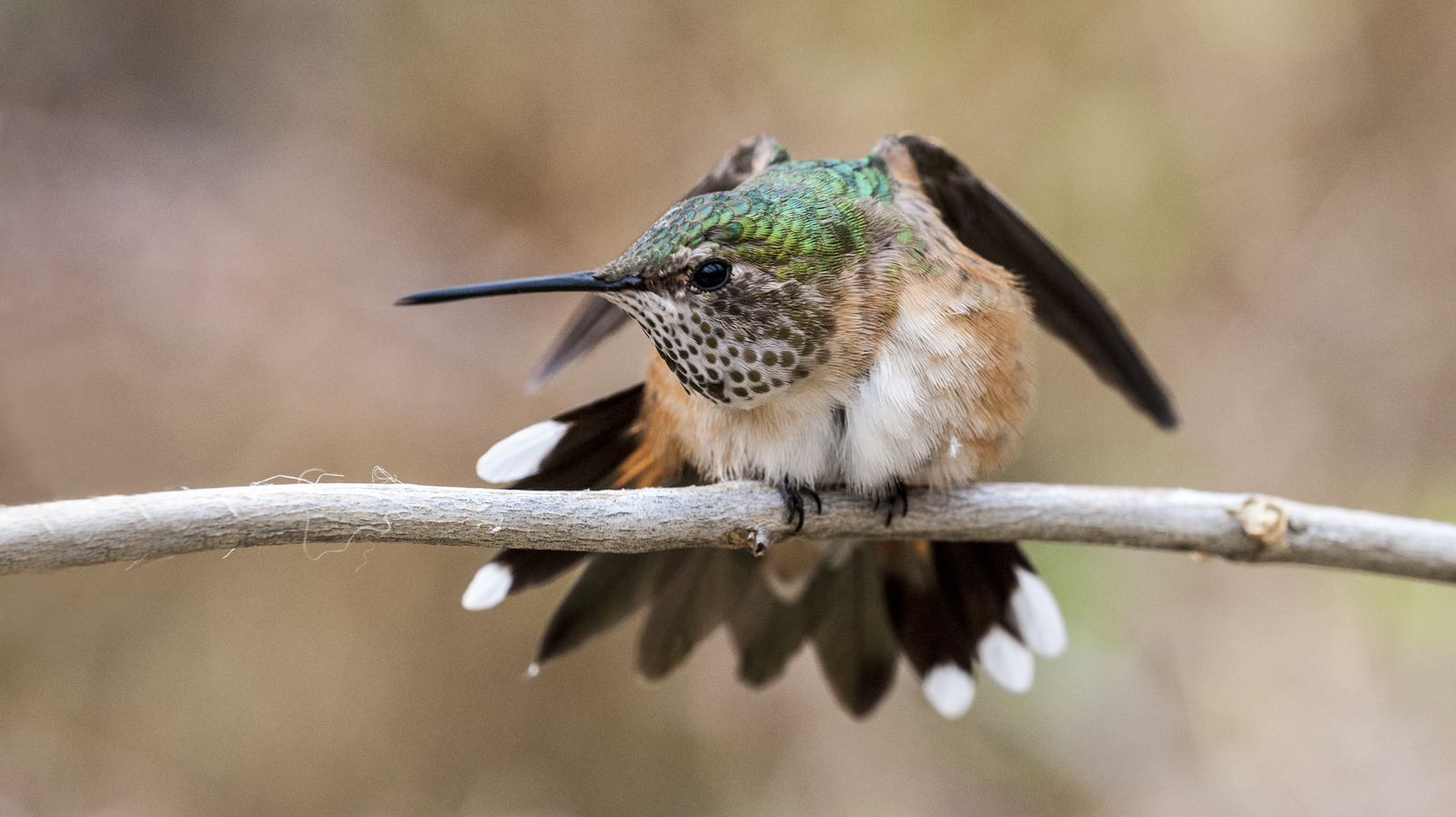
Nesting in high-altitude habitats, the Broad-tailed Hummingbird, a medium-sized species present in Texas during migration and breeding seasons, displays distinctive iridescent green backs and rose-red throat patches in males. During courtship displays, male Broad-tailed Hummingbirds perform elaborate flight routines, emitting a buzzing trill to attract females. Females lack the striking throat patch but share the green backs and possess white-tipped outer tail feathers. Known for their metallic trill vocalizations, these hummingbirds prefer high-altitude regions along their migration routes.
When nesting, Broad-tailed Hummingbirds face threats from predators such as snakes and birds of prey. Conservation efforts aim to preserve their habitats by planting native flowering plants and reducing pesticide use to support their crucial role as pollinators. By protecting these habitats, conservationists ensure the survival of Broad-tailed Hummingbirds and the ecosystems they inhabit.
7. Buff-bellied Hummingbird

The Buff-bellied Hummingbird, another medium-sized species found in Texas, displays a distinct buff-colored belly and vibrant green back. Here are some fascinating facts about this unique hummingbird:
- Buff-bellied Hummingbird Migration Patterns: These birds are known to migrate from their breeding grounds in Texas to their wintering grounds in Mexico and Central America. Their journey involves crossing the Gulf of Mexico, showcasing their remarkable endurance and navigational skills.
- Nesting Habits of Buff-bellied Hummingbirds: Buff-bellied Hummingbirds construct small, cup-shaped nests using materials like plant fibers, moss, and spider silk. They often place their nests on branches or in shrubs, camouflaging them with lichens and moss for added protection.
- Buff-bellied Hummingbird Population Trends: While the population of Buff-bellied Hummingbirds appears stable, conservation efforts are essential to ensure their habitats remain intact. Monitoring their numbers and protecting their breeding and foraging areas are crucial for their long-term survival.
- Behavioral Traits: These hummingbirds are known for their territorial behavior, vigorously defending their feeding areas from intruders. Their energetic flights and distinctive vocalizations add to the charm of observing these beautiful birds in the wild.
8. Allen’s Hummingbird
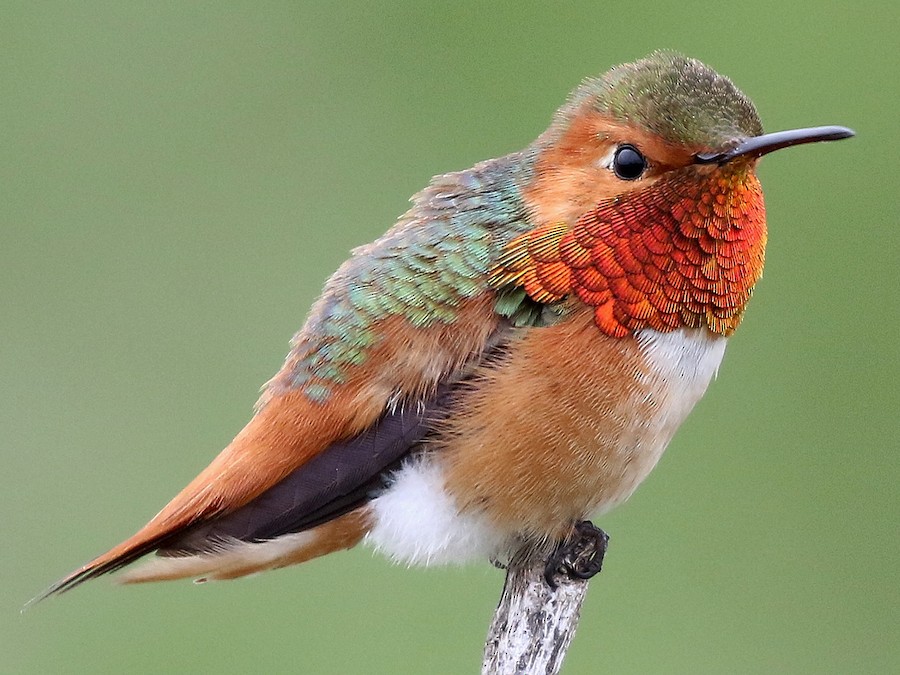
An Allen’s Hummingbird, a small migratory species commonly observed along the West Coast and occasionally in Texas, exhibits vibrant red-orange throats in males and greenish feathers with speckles in females. These hummingbirds are known for their courtship displays, which involve elaborate aerial acrobatics and high-speed dives to impress potential mates. During nesting season, Allen’s Hummingbirds build intricate cup-shaped nests using plant fibers, down, and spider silk, often camouflaging them with lichens and moss.
When it comes to nesting habits, Allen’s Hummingbirds prefer to build their nests in sheltered areas like dense shrubs or tree branches to protect their offspring from predators. However, despite their efforts, predation risks are still prevalent. Common predators of Allen’s Hummingbird nests include snakes, squirrels, and predatory birds like jays and crows. These risks highlight the constant struggle for survival that these tiny yet resilient birds face in the wild.
9. Lucifer Hummingbird
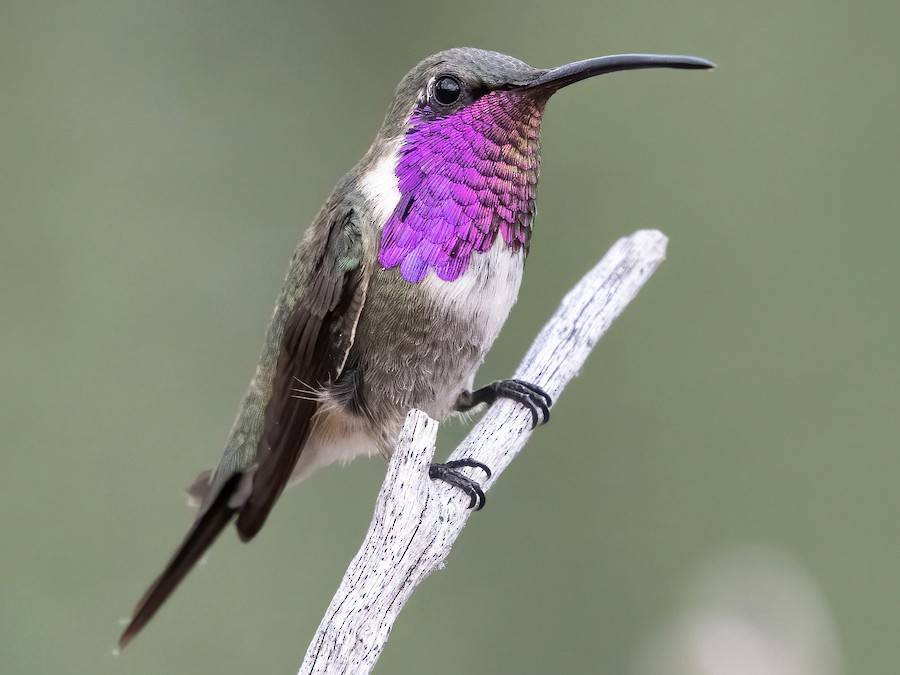
Observed alongside Allen’s Hummingbirds in Texas, the Lucifer Hummingbird, scientifically known as Calothorax lucifer, stands out as a strikingly small species with vibrant magenta throats in males and greenish throats in females. When it comes to the Lucifer Hummingbird, here are some intriguing facts to keep in mind:
- Breeding habits, migration: Lucifer Hummingbirds are known to breed in the southwestern United States and northern Mexico, with some individuals migrating as far south as Central America during the winter months.
- Vocalizations, flight patterns: These hummingbirds are recognized for their unique vocalizations, which play a crucial role in communication and territorial defense. Their flight patterns are remarkably agile, allowing them to dart swiftly between flowers and avoid predators.
- Nesting preferences, foraging techniques: Preferring arid habitats like deserts and canyons, Lucifer Hummingbirds often build their nests in low shrubs or trees. They employ a hovering foraging technique to extract nectar from flowers and supplement their diet with insects for protein, showcasing their adaptability in diverse environments.
10. Broad-billed Hummingbird
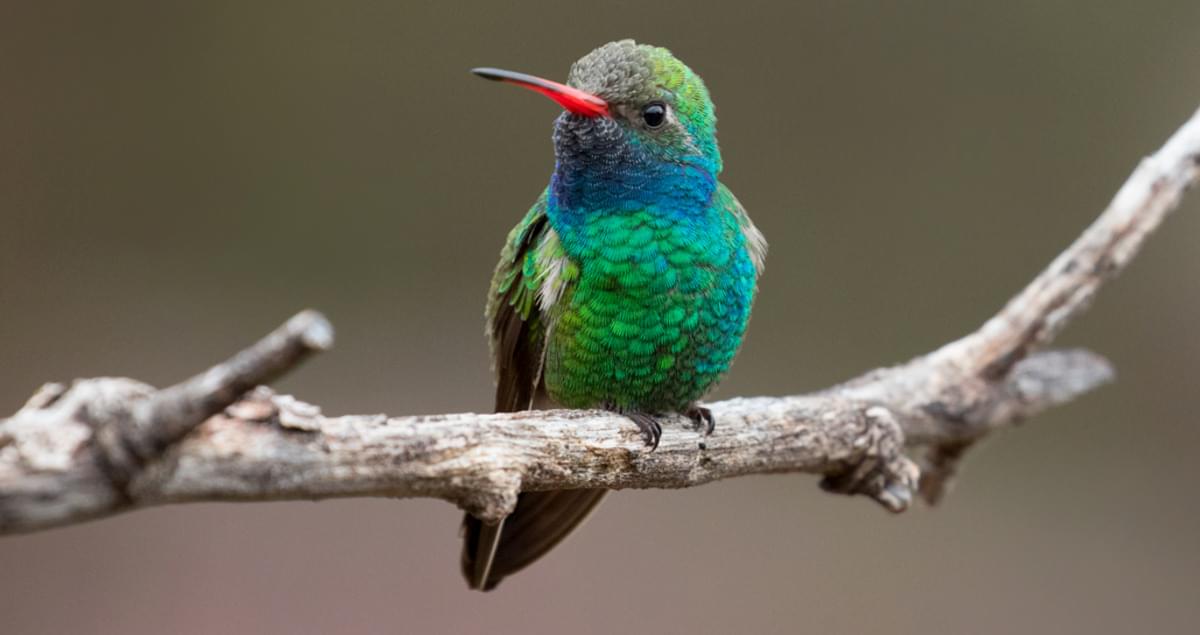
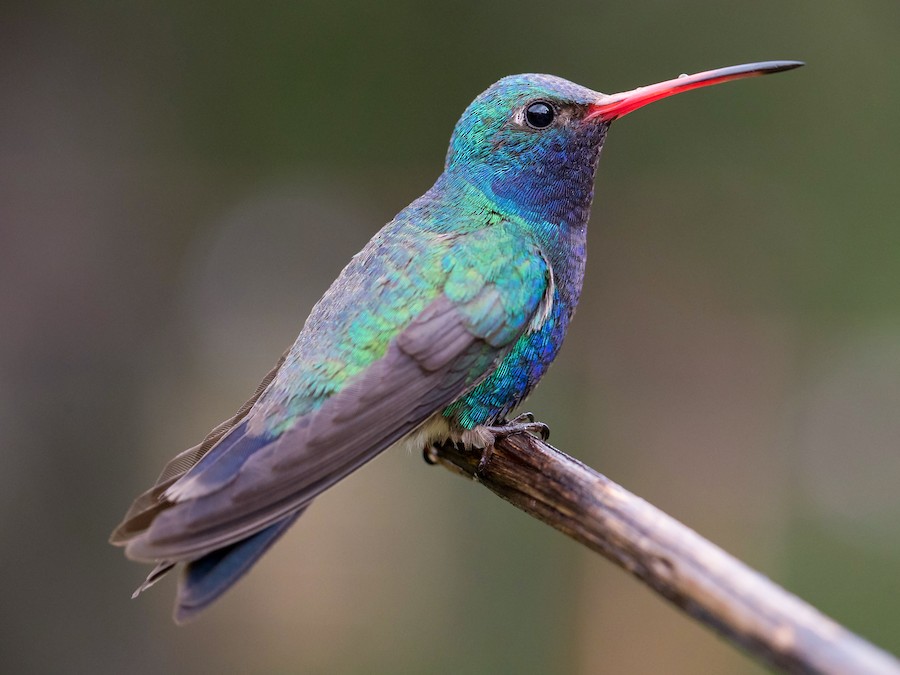
The Broad-billed Hummingbird stands out among its counterparts with its striking metallic green plumage and deep blue throat, a sight to behold in the Texas landscape. Their feeding habits are equally fascinating, as they rely on nectar from flowers, using their specialized tongues to lap up this vital energy source. When it comes to habitat preferences, these hummingbirds show a penchant for desert scrub, canyons, and open woodlands, making Texas a prime location to spot these unique avian wonders.
Unique Coloration Patterns
Exhibiting vibrant, iridescent green feathers and a striking red bill, the Broad-billed Hummingbird in Texas showcases a unique coloration pattern with a bright blue throat and contrasting red chest. This coloration variation serves an evolutionary significance as it aids in visual cues for mate selection, where the male’s more colorful plumage attracts potential mates. The bright blue throat acts as a signal of vitality and health, indicating to females the male’s genetic fitness. Moreover, the contrasting red chest provides a striking visual contrast that can be particularly appealing during courtship displays. These environmental adaptations not only enhance the bird’s aesthetic appeal but also play a crucial role in its survival. The Broad-billed Hummingbird’s coloration also serves as a form of camouflage strategy, allowing it to blend effectively with its surroundings, especially among flowering plants where it feeds on nectar. Observing these unique coloration patterns in the Broad-billed Hummingbird can offer a fascinating glimpse into the intricate world of avian adaptations and behaviors.
Distinctive Feeding Habits
With its long, slender bill, the Broad-billed Hummingbird demonstrates a distinctive feeding habit of sipping nectar from flowers. This species exhibits a preference for red or orange tubular flowers, which are rich in nectar. The specialized beak and tongue of the Broad-billed Hummingbird allow it to efficiently extract nectar from deep flower tubes, showcasing its evolutionary advantages for feeding efficiency. By visiting numerous flowers daily, this hummingbird contributes significantly to the pollination process, aiding in plant reproduction and highlighting its ecological impact as a crucial pollinator.
| Broad-billed Hummingbird Feeding Habits |
|---|
| Specialized beak and tongue for nectar extraction |
| Preference for red/orange tubular flowers |
| Efficiently extracts nectar from deep flower tubes |
| Contributes to pollination and plant reproduction |
Habitat Preferences in Texas
Amidst the arid and semi-arid landscapes of Texas, the Broad-billed Hummingbird thrives in habitats adorned with mesquite, oak, and pine trees for nesting. Here are some key factors that influence the habitat preferences of the Broad-billed Hummingbird in Texas:
- Nesting preferences: The Broad-billed Hummingbird chooses locations with suitable vegetation, like mesquite, oak, and pine trees, for building its nest.
- Elevation requirements: This species can be found in higher elevations in Texas, particularly during the breeding season, where they seek out cooler temperatures and suitable nesting sites.
- Native plant landscaping: Planting native flowers such as desert honeysuckle and agave in your garden can attract the Broad-billed Hummingbird, providing them with a familiar and nourishing environment.
Understanding these habitat preferences can aid in conservation efforts and help create welcoming spaces for the striking Broad-billed Hummingbird in the western regions of Texas.
11. White-eared Hummingbird
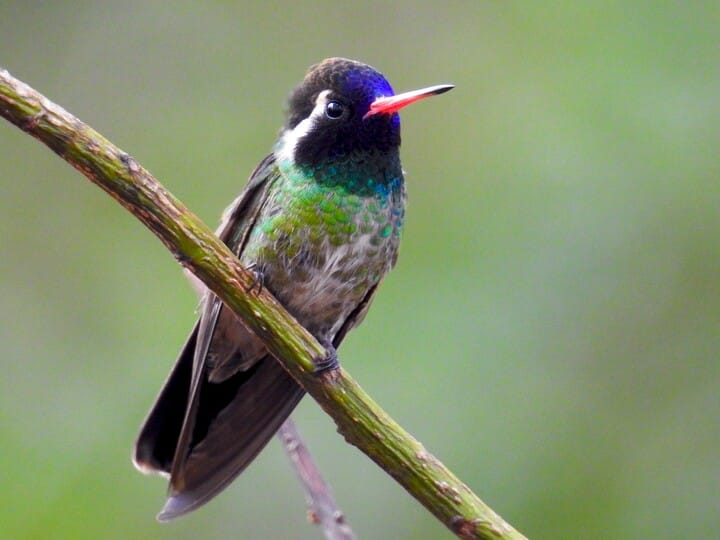
The White-eared Hummingbird, a rare visitor to Texas, is primarily found in the western region of the state. This species, characterized by a distinctive white patch behind its eye, thrives in mountainous habitats, particularly those adorned with pine-oak forests. Despite its limited presence in Texas, encountering a White-eared Hummingbird is a special experience for bird enthusiasts. Known for their aggressive tendencies, these hummingbirds fiercely defend their territories and food sources from other birds, displaying territorial behavior that sets them apart from their more docile counterparts. Their striking appearance and bold behavior make them a captivating sight for those lucky enough to spot them. Due to their preference for high-altitude environments, including rugged terrain, the White-eared Hummingbird’s presence in Texas adds a touch of wilderness and intrigue to the state’s avian landscape.
12. Green Violet-ear Hummingbird
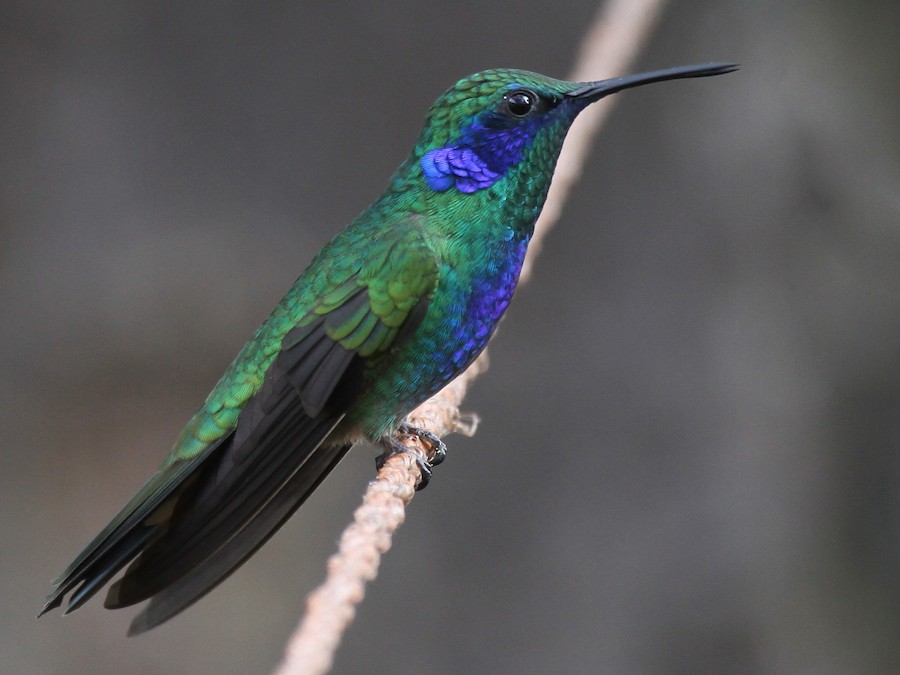
You’ll be captivated by the Green Violet-ear Hummingbird’s unique color patterns, with its vibrant green plumage and striking violet patch behind the ear. This species thrives in highland forests and cloud forests, where it can access a diverse array of nectar-rich flowers for sustenance. Observing their long, curved bills in action as they feed on nectar showcases their crucial role as pollinators in their habitat.
Unique Color Patterns
Displaying a mesmerizing blend of green and violet hues, the Green Violet-ear Hummingbird captivates observers with its unique color patterns in Texas. Here are some intriguing aspects to consider:
- Color Pattern Exploration: The Green Violet-ear Hummingbird showcases an exquisite mix of green and violet colors on its head and throat, creating a visually stunning appearance that stands out among other hummingbird species.
- Hummingbird Behavior: This species flaunts its vibrant plumage during courtship displays and territorial defense, providing a fascinating insight into hummingbird behavior and communication through visual cues.
- Visual Allure, Texas Sightings: Witnessing the Green Violet-ear Hummingbird in Texas offers a rare opportunity to appreciate the bird’s vibrant plumage up close, adding to the allure of hummingbird watching in the region.
- Green Violet Ear, Vibrant Plumage: The long, slightly curved bill of the Green Violet-ear Hummingbird is perfectly adapted for feeding on nectar from flowers, while its iridescent plumage reflects an array of vivid colors when illuminated by sunlight, making it a true gem of the avian world.
Habitat and Range
Occasionally found in Texas, the Green Violet-ear Hummingbird prefers highland forests and mountainous regions for its habitat. This species is known for nesting in areas with dense vegetation, often choosing locations that provide cover and protection. During migration, the Green Violet-ear follows specific routes, with sightings reported in Texas as it travels through.
Altitude preferences play a crucial role in the Green Violet-ear’s habitat selection, as it tends to forage at higher elevations where food sources are abundant. These hummingbirds exhibit unique foraging behavior, often visiting flowers to feed on nectar and insects.
Conservation efforts are essential to safeguard the population of the Green Violet-ear Hummingbird. Human activities, such as deforestation and habitat destruction, threaten the species’ survival. Monitoring population trends and implementing conservation measures are crucial steps in ensuring the long-term viability of this stunning hummingbird species.

Mating and Behavior
In the realm of avian courtship, the Green Violet-ear Hummingbird exhibits captivating mating displays characterized by vibrant aerial acrobatics. Understanding their behavior sheds light on the species’ survival strategies and the importance of protecting their habitat.
- Mating displays and dominance: Male Green Violet-ear Hummingbirds showcase their agility and colorful plumage to attract females, engaging in elaborate mid-air dances to demonstrate their fitness and genetic quality.
- Courtship rituals and territoriality: These hummingbirds participate in competitive courtship rituals, where males establish dominance by defending prime feeding and nesting territories from rivals, ensuring successful mating opportunities.
- Conservation efforts and habitat protection: Studying the mating behaviors of Green Violet-ear Hummingbirds aids conservationists in identifying critical habitats and implementing strategies to safeguard these areas, crucial for the species’ survival in the face of habitat loss and environmental changes.
13. Violet-crowned Hummingbird

The Violet-crowned Hummingbird, a rare and vibrant species found in the southwestern United States and Mexico, boasts striking violet feathers on its crown and a green body with a distinctive white throat. When it comes to nesting habits and breeding, these hummingbirds typically construct their nests in trees or shrubs using plant fibers, down, and spider silk to bind the materials together. Breeding usually occurs between March and July, with the female responsible for building the nest and raising the young.
In terms of vocalizations and communication, the Violet-crowned Hummingbird produces a unique call described as a high-pitched, sharp ‘tseep.’ This vocalization is often used for communication with other hummingbirds or to establish territory boundaries.
Conservation status and threats are significant concerns for this species due to its limited range and vulnerability. Habitat loss, climate change, and pesticide use pose serious threats to the Violet-crowned Hummingbird’s population. Conservation efforts are crucial to safeguarding the future of this stunning hummingbird.
14. Blue-throated Hummingbird
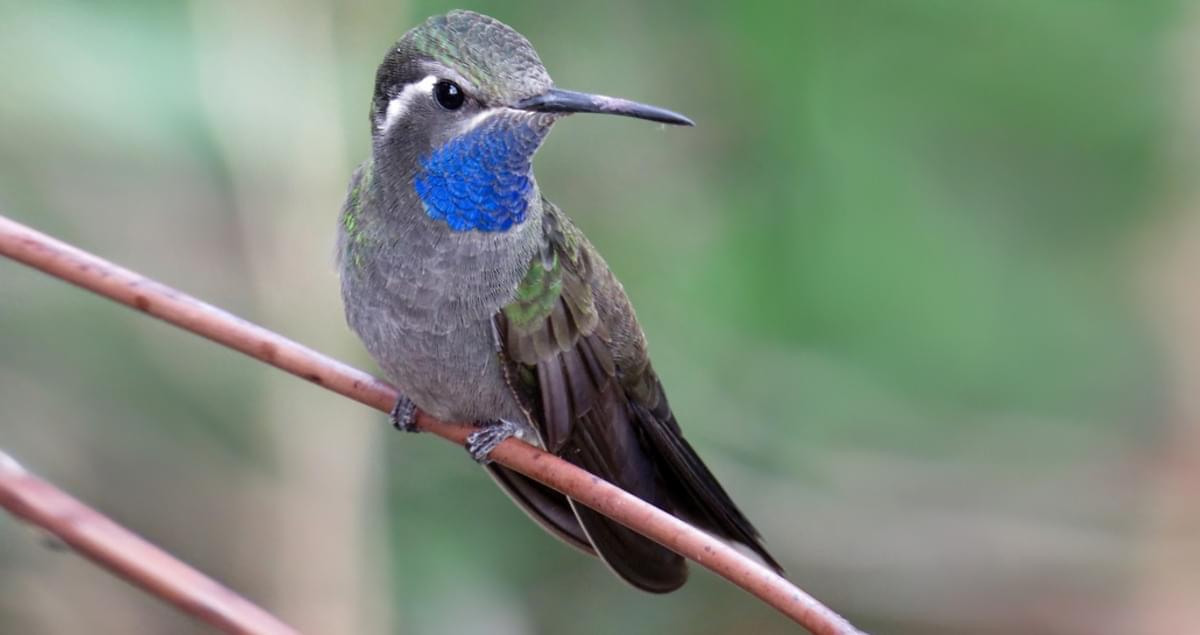
What distinguishes the Blue-throated Hummingbird from other species in North America?
- Breeding habits, migratory patterns: Blue-throated Hummingbirds breed in mountainous regions and migrate to lower elevations during winter to avoid harsh weather conditions.
- Vocalizations, courtship displays: These hummingbirds are known for their unique vocalizations, using sharp ‘tsik’ calls and buzzing sounds to communicate and attract mates through elaborate courtship displays.
- Conservation efforts, population trends: Conservation efforts are crucial for the Blue-throated Hummingbird as habitat loss and climate change threaten their populations. Protecting oak and pine-oak forests where they nest is essential to ensure their survival.
The Blue-throated Hummingbird stands out not only for its vibrant blue throat patch but also for its large size compared to other hummingbird species in North America. Found primarily in Mexico and the southwestern United States, these hummingbirds bring a blend of beauty and ecological importance to their habitats.
15. Magnificent Hummingbird
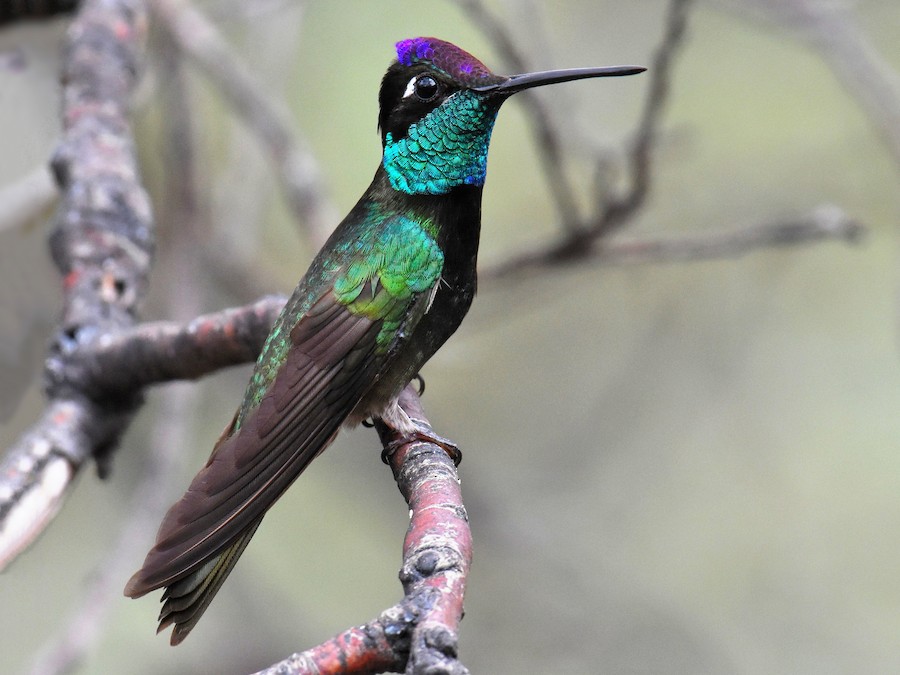
Distinguished by its vibrant green and purple plumage, the Magnificent Hummingbird, known scientifically as Eugenes fulgens, inhabits the mountainous regions of Texas. This large and striking species is a notable presence in the higher elevations where it can be found. During the breeding season, males display their colorful plumage to attract mates, while females, with more muted colors, focus on nest-building. The Magnificent Hummingbird is known for its unique vocalizations, using chirps and whistles to communicate with others and defend its territory.
In terms of conservation status, the Magnificent Hummingbird faces threats due to habitat loss and climate change. Efforts to monitor population trends are crucial for ensuring the long-term survival of this species in Texas. Understanding its nesting habits and ensuring the protection of suitable breeding grounds are essential steps in conservation strategies. By studying its vocalizations and communication behaviors, researchers can gain valuable insights into the behavior and social dynamics of the Magnificent Hummingbird population in Texas.