

For mulching potted plants, consider organic options like shredded leaves or pine needles for nutrients and moisture regulation. Pine bark mulch is great for moisture retention and acidity-loving plants. Coconut coir is eco-friendly and enriches soil. Perlite benefits indoor plants by preventing soil compaction. Vermiculite is lightweight and promotes healthy root growth. Rock mulches aid drainage and add visual appeal, great for succulents. These mulches are versatile and cater to different plant needs. Choosing the right mulch can enhance your plant’s growth.
1. Organic Mulches for Potted Plants
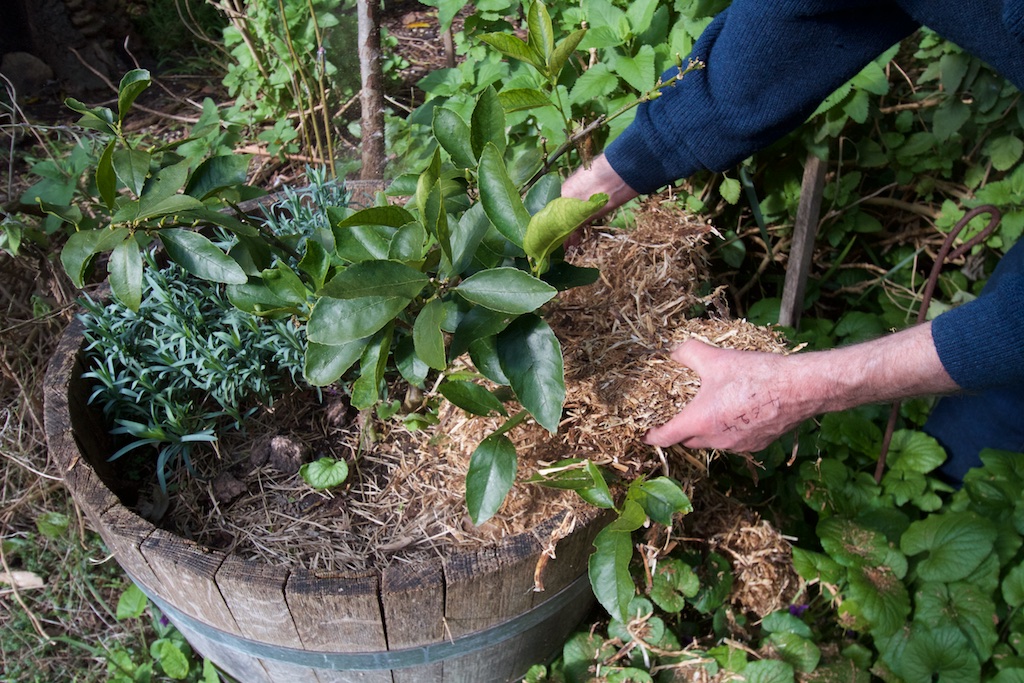
Enhancing the health of your potted plants can be achieved through the use of various organic mulches that provide essential nutrients and benefits as they break down. When it comes to organic mulches for potted plants, shredded leaves and pine needles stand out as excellent options. Shredded leaves not only enrich the soil with nutrients as they decompose but also help in retaining moisture and regulating the temperature of the soil, creating an ideal environment for your plants to thrive. On the other hand, pine needles offer a slow breakdown rate, ensuring a constant release of nutrients over time while also promoting water permeability in the soil. Both shredded leaves and pine needles act as natural mulches for potted plants, aiding in weed suppression and maintaining adequate moisture levels essential for healthy plant growth. Consider incorporating these organic mulches into your potted plant care routine to see noticeable improvements in your plant’s vitality and overall well-being.
2. Pine Bark Mulch for Containers

You will learn about the benefits of using pine bark mulch in containers, including its ability to retain moisture and promote healthy root growth. Discover practical tips on how to apply pine bark mulch effectively in your potted plants to reap its full advantages. Additionally, maintenance tips will be provided to ensure your container plants thrive with the use of this natural and aesthetically pleasing mulch option.
Benefits of Pine Bark
Pine bark mulch for containers offers significant advantages, particularly in moisture retention and providing a stable environment for potted plants. This mulch excels in retaining water, reducing the need for frequent watering and creating a more consistent moisture level crucial for plant health. The natural acidity of pine bark is ideal for acid-loving plants like azaleas and blueberries commonly found in containers. Moreover, its slow decomposition enriches the soil with organic matter, benefiting plants in the long term. Another perk is its ability to regulate soil temperature within containers, shielding delicate plant roots from extreme fluctuations in heat or cold. Additionally, the lightweight nature of pine bark mulch makes it easy to handle and apply, simplifying the mulching process for container plants. Overall, choosing pine bark mulch can enhance the vitality and longevity of your potted plants by creating an optimal growing environment.
How to Apply
To properly apply pine bark mulch for containers, start by ensuring there is adequate space around the plant stems to prevent rot. Begin by preparing the potting mix in the container, making sure it is evenly spread and level. Once the potting mix is ready, apply a 2-4 inch layer of pine bark mulch uniformly across the surface of the soil. Take care not to pile the mulch against the plant stems, as this could cause moisture retention and potential rotting issues.
Ensure the mulch covers the soil completely, creating a protective barrier that helps retain moisture, regulate temperature, and provide essential nutrients to the plant roots. The slow decomposition of pine bark mulch releases valuable nutrients into the potting soil, promoting healthy growth and enhancing the overall appearance of your potted plants. By following these steps, you can effectively mulch your containers with pine bark to improve both the aesthetics and the vitality of your plants.

Maintenance Tips
For effective maintenance of pine bark mulch in containers, regular monitoring of moisture levels is crucial to prevent soil issues. Pine bark mulch is known for its moisture retention properties, making it essential to check the moisture content frequently. Ensure that the mulch layer in containers is between 2-4 inches thick to optimize its benefits. Keeping an eye on the moisture levels will help prevent the soil from becoming waterlogged or drying out, which can harm your plants.
It is recommended to replenish pine bark mulch in containers annually to ensure that your plants continue to receive the necessary nutrients and insulation for healthy growth. By refreshing the mulch layer each year, you can maintain its effectiveness and keep your potted plants thriving. Proper maintenance of pine bark mulch not only benefits your plants’ health but also enhances the visual appeal of your container garden. Stay diligent in monitoring moisture levels and replenishing the mulch to create an optimal environment for your potted plants.
3. Coconut Coir Mulch Benefits

When considering mulching options for your potted plants, coconut coir mulch offers an eco-friendly choice that retains moisture effectively. Its lightweight nature makes it a practical option for containers, aiding in soil aeration and drainage. Additionally, as coconut coir mulch breaks down, it adds valuable nutrients to the soil, benefitting the overall health of your plants.
Eco-Friendly Mulching Option
Consider incorporating coconut coir mulch into your potted plant care routine for a sustainable and nutrient-rich mulching option. Coconut coir mulch, derived from coconut husks, is an eco-friendly choice that offers numerous benefits for your plants. Not only is it sustainable, but it also helps retain moisture effectively, reducing the need for frequent watering. This nutrient-rich mulch promotes healthy root development and can be used for both indoor and outdoor potted plants due to its lightweight and easy-to-handle nature.
Being rich in nutrients, coconut coir mulch provides essential elements for your plants to thrive, ensuring they receive the necessary nourishment for robust growth. Additionally, this mulch decomposes slowly, offering long-lasting benefits without depleting essential nutrients from the soil. By choosing coconut coir mulch, you not only support sustainability but also provide your potted plants with a natural and effective way to enhance their overall health and vitality.

Retains Moisture Effectively
Incorporate coconut coir mulch into your potted plant care routine to benefit from its exceptional moisture retention capabilities derived from coconut husks. Coconut coir mulch, made from coconut husks, excels in retaining moisture effectively within potted plants, ensuring they receive adequate hydration. With its high water retention capacity, this mulch reduces the frequency of watering required for your potted plants, making it a convenient option for busy plant enthusiasts. Not only does coconut coir mulch help conserve water, but it also promotes sustainability as an eco-friendly choice for maintaining moisture in containers. The fibrous nature of coconut coir mulch plays a dual role by aerating the soil and regulating moisture levels, creating a balanced environment for your plants to thrive. Due to its remarkable water retention properties, coconut coir mulch is widely favored for indoor plants and container gardening, offering a practical solution for maintaining optimal moisture levels in your potted greenery.
4. Peat Moss Mulch for Potted Plants
:strip_icc()/Peat-Moss-2-83eb6d562b6e43a68e77e359db7dba33.jpg)
Peat moss mulch, a lightweight and moisture-retaining option, is an ideal choice for potted plants seeking improved soil structure and aeration. This type of mulch not only helps in retaining soil moisture but also promotes healthy root growth due to its ability to enhance soil structure. Its acidic nature makes it particularly suitable for acid-loving plants like azaleas and blueberries. One of the significant advantages of using peat moss mulch is its slow decomposition rate, which provides a long-lasting source of organic matter for potted plants, enhancing overall soil health. Additionally, it is an excellent option for containers with plants that require consistent soil moisture levels, as it helps in maintaining the necessary balance. By incorporating peat moss mulch in your potted plants, you can ensure they receive the right amount of moisture and nutrients for optimal growth and vitality.
5. Perlite Mulch for Indoor Plants
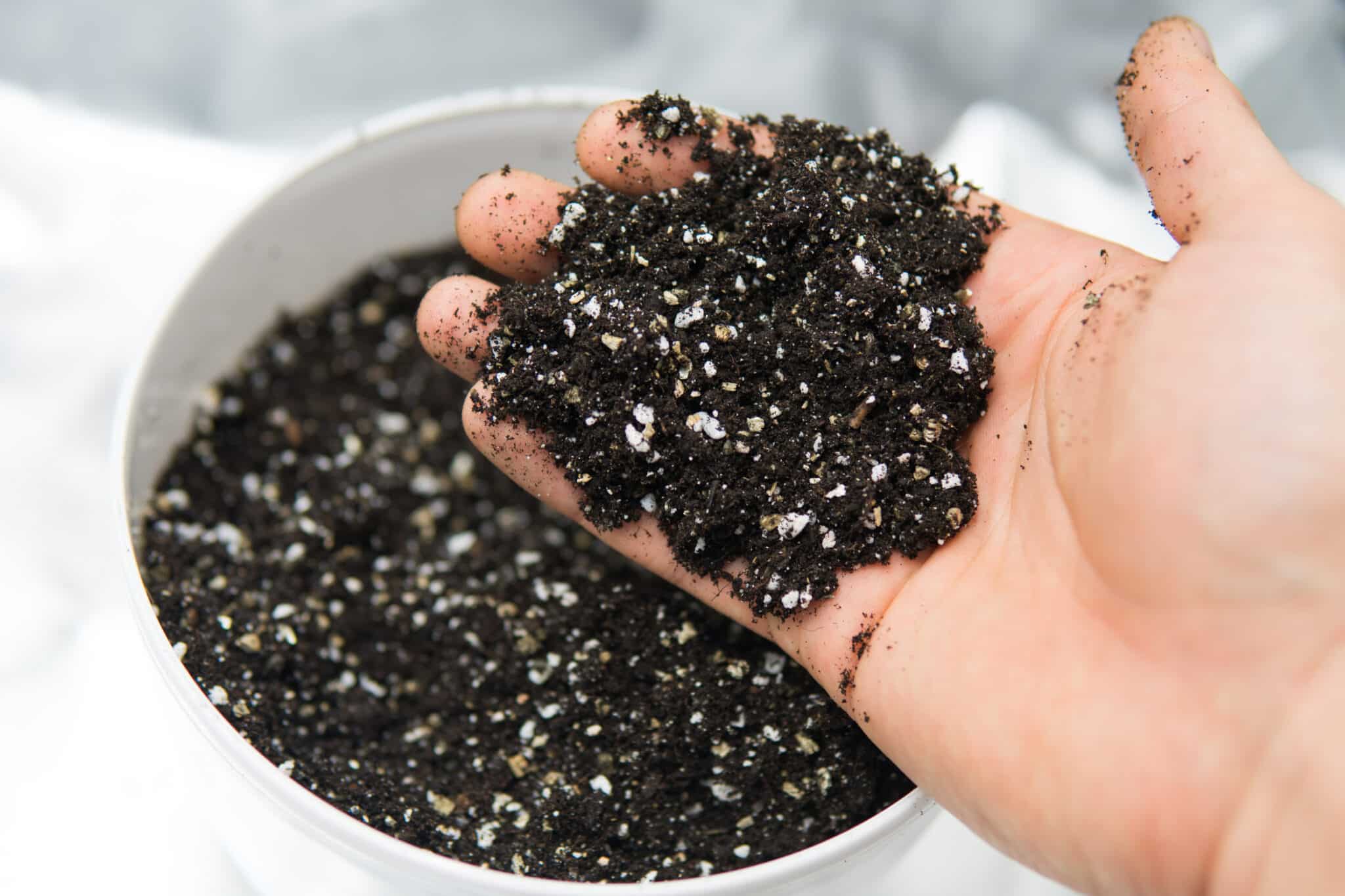
For indoor plants requiring improved aeration and drainage, perlite mulch serves as a lightweight and porous option that promotes healthy root growth. Perlite, a popular choice for mulching potted plants, helps prevent soil compaction and waterlogging in containers, creating optimal growing conditions. Its porous nature allows for increased airflow to the roots, aiding in the prevention of root rot and other moisture-related issues. Being sterile and pH-neutral, perlite mulch is suitable for a wide range of indoor plants, making it a versatile option for many gardeners. Additionally, its resistance to decomposition means that it lasts longer than some other mulch types, reducing the frequency of replacement. This makes perlite mulch particularly beneficial for plants that thrive in well-draining soil conditions, such as succulents and cacti. Consider using perlite mulch to enhance the health and growth of your indoor plants while maintaining proper aeration and drainage in their containers.
6. Vermiculite Mulch for Container Gardening

To complement the benefits of perlite mulch for indoor plants, consider using vermiculite mulch for container gardening to improve moisture retention and promote healthy root growth. Vermiculite mulch is a lightweight and sterile material that excels at retaining moisture in potted plants, ensuring they have a constant water supply. It also aids in enhancing soil aeration and drainage within containers, which is crucial for fostering robust root systems. Due to its heat-resistant nature and non-compacting properties, vermiculite mulch maintains proper air circulation around plant roots. Additionally, its pH neutrality and long-lasting characteristics make it an ideal choice for potted plants, as it does not break down over time. Particularly advantageous for seed starting and propagation in container gardening, vermiculite mulch provides an optimal environment for young plants to thrive.
| Benefits of Vermiculite Mulch | ||
|---|---|---|
| Retains moisture effectively | Improves soil aeration | pH neutral |
| Promotes healthy root growth | Heat-resistant | Long-lasting |
| Enhances drainage | Sterile | Ideal for seed starting |
7. Rock Mulches for Potted Plants
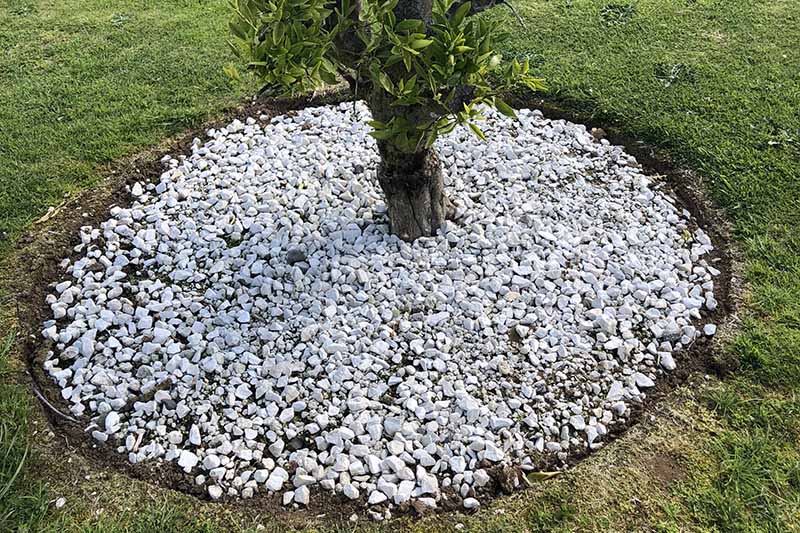
Consider incorporating rock mulches like decorative glass, marbles, and pebbles into your potted plants to enhance drainage and add a visually appealing touch. These rock mulches not only provide excellent drainage for your plants, preventing waterlogging and root rot, but they also offer a long-lasting alternative to organic mulches that break down over time. The decorative element they bring can elevate the overall look of your potted plants, making them a focal point in your indoor or outdoor space.
Rock mulches are particularly well-suited for succulents, cacti, and other plants that thrive in well-draining soil conditions. Their ability to create an environment that mimics the plants’ natural habitat is beneficial for their growth and health. Whether you choose decorative glass for a modern and sleek look, marbles for a colorful and polished appearance, or pebbles for a more natural aesthetic, rock mulches are versatile and practical choices for mulching your potted plants.