
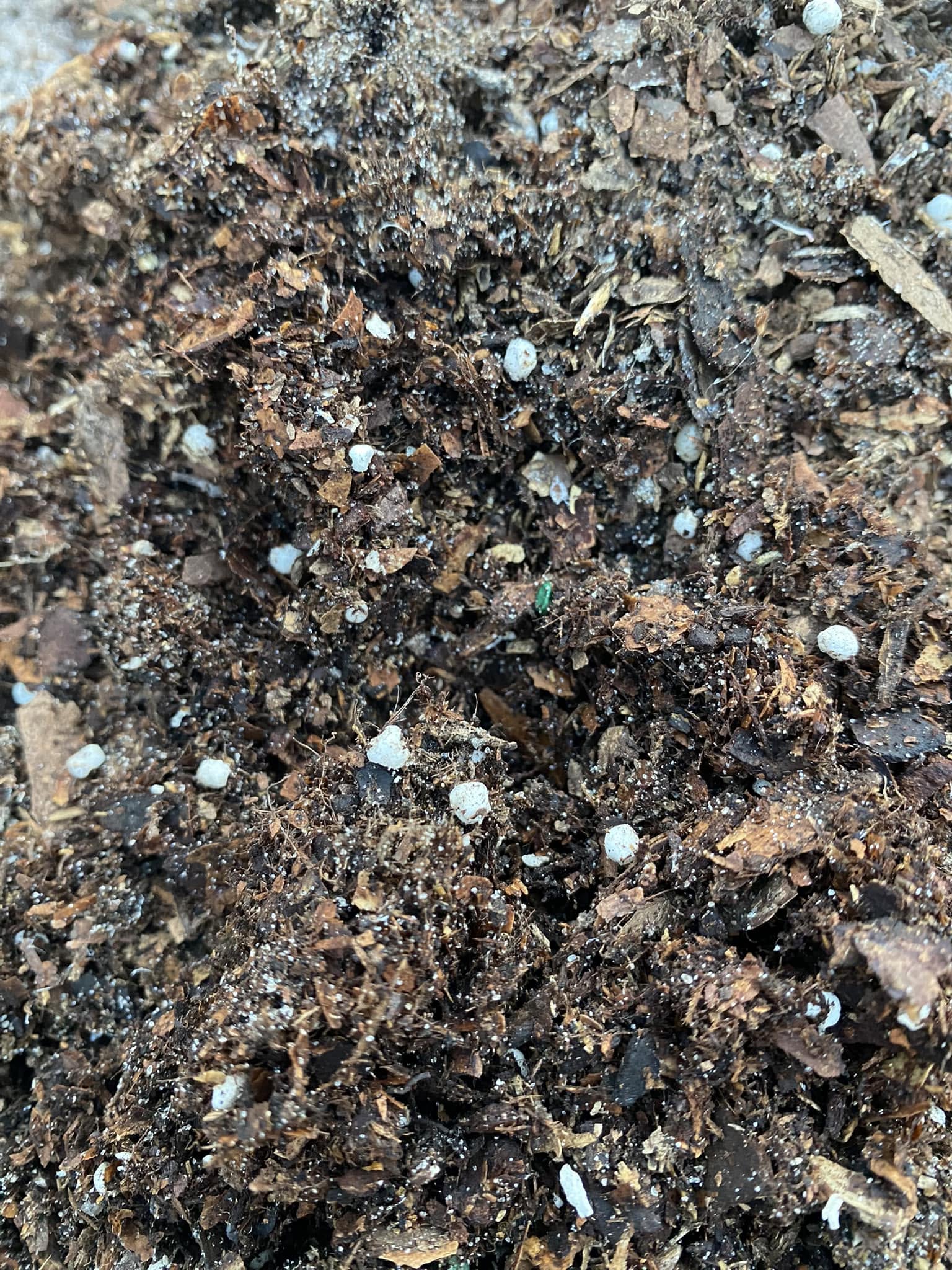
You might think adding Styrofoam to soil helps with aeration and drainage, but it actually harms more than it helps. Its non-biodegradable nature disrupts normal soil processes and degrades soil health by blocking nutrients and introducing harmful chemicals like styrene, which reduces microbial activity essential for nutrient cycling. These changes lead to waterlogged soil, increasing the risk of root rot and plant diseases. Instead, consider alternatives like perlite, coconut coir, or vermiculite which enhance soil structure and health without the negative environmental impact. Exploring these options provides a clearer understanding of how to maintain healthy, sustainable soil practices.
Overview of Styrofoam Use
Styrofoam, often used as a lightweight filler, actually compromises soil health by impeding proper drainage and failing to provide essential nutrients. When you incorporate Styrofoam into the soil, you’re essentially introducing a non-biodegradable material that disrupts the natural soil structure. Unlike organic materials that enhance soil fertility by decomposing and releasing nutrients, Styrofoam remains inert. This means it doesn’t break down or contribute positively to the soil’s nutritional profile, leaving plants starved of the essential nutrients they require for growth.
Moreover, the presence of Styrofoam in the soil can lead to waterlogged conditions. Since Styrofoam isn’t a permeable material, it can block the pathways through which water normally drains. This water retention might sound beneficial, but in reality, it creates an environment prone to root rot and other waterborne diseases. The roots of your plants need both air and water balance to thrive, and Styrofoam disrupts this balance by preventing excess water from draining away efficiently.
As a gardener or landscaper, it’s crucial to understand the implications of using Styrofoam near plants. Its inability to support plant health, combined with environmental risks, makes it a poor choice for soil amendment.
Alternative materials like perlite, vermiculite, or sterilized sawdust, which promote drainage and aeration without harming the ecosystem, should be considered instead.
Benefits in Soil Aeration
Incorporating lightweight materials like Styrofoam into your garden’s soil can significantly enhance aeration, creating essential air pockets that facilitate root access to oxygen. When you use Styrofoam packing in the soil, you’re not just filling space; you’re actively improving the environment your plants grow in.
Here’s how Styrofoam affects soil aeration:
- Creates Air Pockets: Styrofoam pieces interspersed in the soil separate the soil particles, reducing density and allowing more air to penetrate. This vital air flow provides oxygen that roots need to thrive.
- Improves Drainage: By enhancing aeration, Styrofoam also helps to prevent waterlogging. Its structure keeps soil loose, enabling excess water to drain away quickly and efficiently.
- Reduces Soil Compaction: Over time, soil tends to compact, especially in high-traffic areas of your garden. Styrofoam packing helps to keep the soil structure open. This prevents compaction around the roots, making it easier for roots to expand and grow.
- Long-lasting Aeration: Due to its durability, Styrofoam doesn’t break down as quickly as organic materials. This means it continues to provide aeration benefits over a longer period, reducing the need for frequent soil amendments.
Water Retention Issues
You might find that incorporating Styrofoam into soil impacts water retention negatively. It can lead to excessive drainage, causing important nutrients to leach away quickly and leaving plants dehydrated.
Exploring alternatives like coconut coir or peat moss might better support moisture control without these drawbacks.
Styrofoam Impact on Drainage
Adding Styrofoam to soil can compromise drainage, potentially leading to waterlogged conditions that harm plant health. When you mix Styrofoam into the garden or potting soil, thinking it’ll help with aeration and reduce soil density, the reality is quite the opposite. Let’s dive into the specifics:
- Disruption of Water Flow: Styrofoam particles can create an impenetrable layer within the soil. Instead of aiding drainage, they block the passages through which water would normally filter down, causing moisture to accumulate at the root level.
- Root Rot Risk: This accumulation of moisture creates an environment susceptible to fungal growth, such as root rot. Plants with waterlogged roots struggle to absorb oxygen, leading to a decline in health and, eventually, death if the problem persists.
- Poor Root Development: As roots encounter non-porous Styrofoam pieces, their natural growth pattern is disrupted. Instead of growing deep and strong, roots may grow around the foam, weakening the plant’s overall stability and access to deeper soil nutrients.
- Compromised Plant Health: The imbalance of air and water in the soil due to Styrofoam usage ultimately affects the plant’s ability to thrive, making it more susceptible to disease and less robust in adverse conditions.
Understanding these impacts helps you make informed decisions about soil management, ensuring your plants have the healthy environment they need to grow.
Alternative Water Retention Methods
To enhance soil’s water retention capabilities effectively, consider integrating materials like peat moss, coconut coir, or vermiculite. Each offers distinct benefits and avoids the pitfalls of waterlogging and root rot.
Peat moss, a highly absorbent material, not only retains water efficiently but also improves the structure and nutrient retention capacity of the soil. This makes it particularly useful for you if you’re dealing with sandy soils that typically struggle to hold moisture.
Coconut coir, derived from the husk of coconuts, is another excellent option for enhancing water retention. It’s not only sustainable but also provides good aeration, preventing the soil from becoming too dense and waterlogged. This feature is crucial for promoting healthy root growth and preventing root diseases.
Lastly, vermiculite, a naturally occurring mineral, expands upon heating and becomes capable of holding water. This property significantly enhances its ability to improve water retention while also aiding in soil drainage. This dual functionality makes vermiculite an ideal choice for you if you’re aiming to balance moisture retention with adequate drainage, ensuring that the soil remains aerated and less prone to root rot.

Chemical Impacts on Soil
When you use Styrofoam in soil, you risk contaminating the ground with chemicals that can persist and disrupt plant health. These substances interfere with nutrient absorption, harming not just individual plants but also the wider ecosystem’s balance.
Over time, this can lead to long-term degradation of soil quality, reducing its ability to support any plant life.
Soil Contamination Risks
Styrofoam releases harmful chemicals like styrene into the soil, which can significantly degrade soil quality and disrupt plant development. When you introduce Styrofoam into the soil, you’re risking soil contamination that goes beyond just physical pollution. Here’s how:
- Chemical Leaching: Styrofoam breaks down and leaches styrene, a known toxicant that can persist in the environment, compromising soil health.
- Impact on Microbial Activity: The presence of styrene reduces microbial activity essential for nutrient cycling. This decline in microbial health inhibits the soil’s natural processes and resilience.
- Long-term Environmental Damage: Over time, the accumulated chemicals from Styrofoam can lead to enduring pollution. This contamination not only affects the current plant life but also future soil productivity.
- Disruption of Natural Ecosystems: Harmful substances from Styrofoam can poison beneficial organisms that maintain ecological balance. This disruption can lead to a less fertile and more unstable soil environment.
Understanding these risks, it’s crucial to reconsider the use of Styrofoam in soil applications. By avoiding materials that contribute to soil contamination, you’re taking a step towards preserving soil quality and ensuring healthier plant growth.
Nutrient Absorption Interference
You should consider how Styrofoam obstructs nutrient absorption in soil, blocking essential minerals and water that plants need to thrive. When Styrofoam is used in soil, it can create a physical barrier that prevents roots from accessing these crucial nutrients. Moreover, as Styrofoam slowly breaks down, chemicals leach into the soil, potentially poisoning the very plants you’re trying to nurture.
This introduction of foreign chemicals can disrupt the delicate soil ecosystem. It’s not just about the blockage; the chemical interactions can alter the soil’s pH and the availability of nutrients, making them less accessible to plant roots. Despite its seeming utility in improving soil aeration, Styrofoam does not decompose to provide any beneficial nutrients, unlike organic alternatives.
Here’s a quick comparison to highlight why alternatives are more beneficial:
| Material | Nutrient Contribution | Soil Aeration | Biodegradability |
|---|---|---|---|
| Styrofoam | None | Moderate | Very Low |
| Compost | High | High | High |
| Coconut Coir | Moderate | High | High |
| Vermiculite | Low | High | Moderate |
Opting for alternatives like compost, coconut coir, or vermiculite, which enhance nutrient absorption and improve soil structure, is a smarter and more sustainable choice. These materials naturally decompose and contribute positively to the soil nutrient pool, fostering a healthier plant growth environment.
Long-term Degradation Effects
As Styrofoam degrades, its chemicals seep into the soil, altering pH levels and reducing nutrient availability, which can severely impact plant health. The chemical impacts on soil are profound and contribute significantly to environmental pollution. Here’s how:
- pH Level Alteration: The chemicals released from decomposing Styrofoam can lead to significant shifts in soil pH. This imbalance affects the solubility of nutrients essential for plant growth. High acidity or alkalinity can render these nutrients unusable to plants, stunting growth and reducing crop yields.
- Reduced Nutrient Availability: As the chemical composition of the soil changes, vital nutrients like nitrogen, phosphorus, and potassium become less available. This deficiency can lead to poor plant health and diminished agricultural productivity.
- Harm to Soil Microorganisms: Beneficial microorganisms that play a crucial role in organic matter decomposition and nutrient cycling are adversely affected. The toxicity from Styrofoam’s breakdown products can inhibit these microbes’ activity, leading to less fertile soil.
- Soil Compaction: Over time, Styrofoam particles can contribute to soil compaction, which reduces aeration. Compacted soil limits root growth and decreases water infiltration, further stressing plants and exacerbating the effects of nutrient shortages.
Understanding these impacts highlights the importance of seeking alternatives to Styrofoam in soil-related applications.
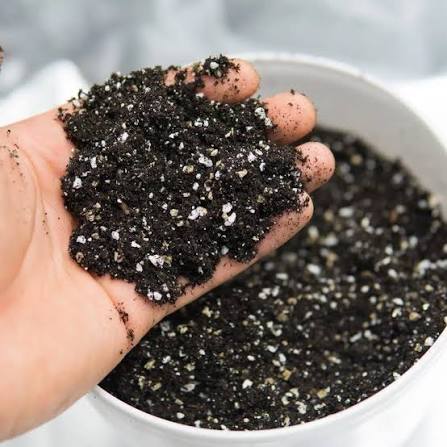
Long-term Environmental Effects
One must consider the severe long-term environmental impacts when using Styrofoam in soil, as it can take millions of years to fully decompose. The presence of Styrofoam in the soil highlights significant issues, not just in terms of degradation but also in its contribution to microplastic pollution. These tiny particles eventually find their way into waterways, posing a threat to aquatic life and the broader ecosystem.
Furthermore, Styrofoam can lead to soil compression. This alteration in soil structure can have profound effects on the soil’s ability to function naturally, impacting water infiltration and root growth negatively. The environmental footprint extends beyond immediate contamination, affecting wildlife that may ingest or become entangled in Styrofoam remnants.
To illustrate the points:
| Impact Area | Specific Issue | Consequence |
|---|---|---|
| Soil Structure | Compression | Reduced water infiltration and aeration |
| Wildlife | Ingestion/Entanglement | Harm to physical health and biodiversity |
| Aquatic Systems | Microplastic Pollution | Disruption of aquatic ecosystems |
| Decomposition | Longevity | Persistent environmental footprint |
It’s essential to explore eco-friendly alternatives to mitigate these long-term environmental effects, promoting sustainable practices in gardening and beyond.
Plant Growth Analysis
Styrofoam’s presence in soil significantly hampers plant growth by causing waterlogging, root rot, and depriving roots of essential nutrients. When you introduce Styrofoam into your garden, you’re essentially setting up a barrier against healthy plant development.
Here’s how this plays out:
- Water Retention Issues: Styrofoam’s structure can trap water excessively. This might sound beneficial, but it actually leads to waterlogging. Your plant’s roots drown in moisture, unable to access the air they desperately need.
- Nutrient Blockage: Since Styrofoam lacks nutrients, plants struggle to find the essential elements required for growth. This deficiency can stunt plant development, making your garden look sparse and unhealthy.
- Root Rot Promotion: Constant moisture from waterlogged Styrofoam creates an ideal environment for root rot. This disease can quickly spread, compromising the health of your entire plant.
- Interference with Deep Plant Roots: As deep plant roots grow, they might encounter Styrofoam pieces. This interaction doesn’t just block physical growth; it also limits the roots’ ability to access deeper, more nutrient-rich soil layers, significantly impacting overall plant stability and health.
Understanding these impacts helps you make more informed decisions about the materials you use in your gardening endeavors.
Alternative: Sawdust Benefits
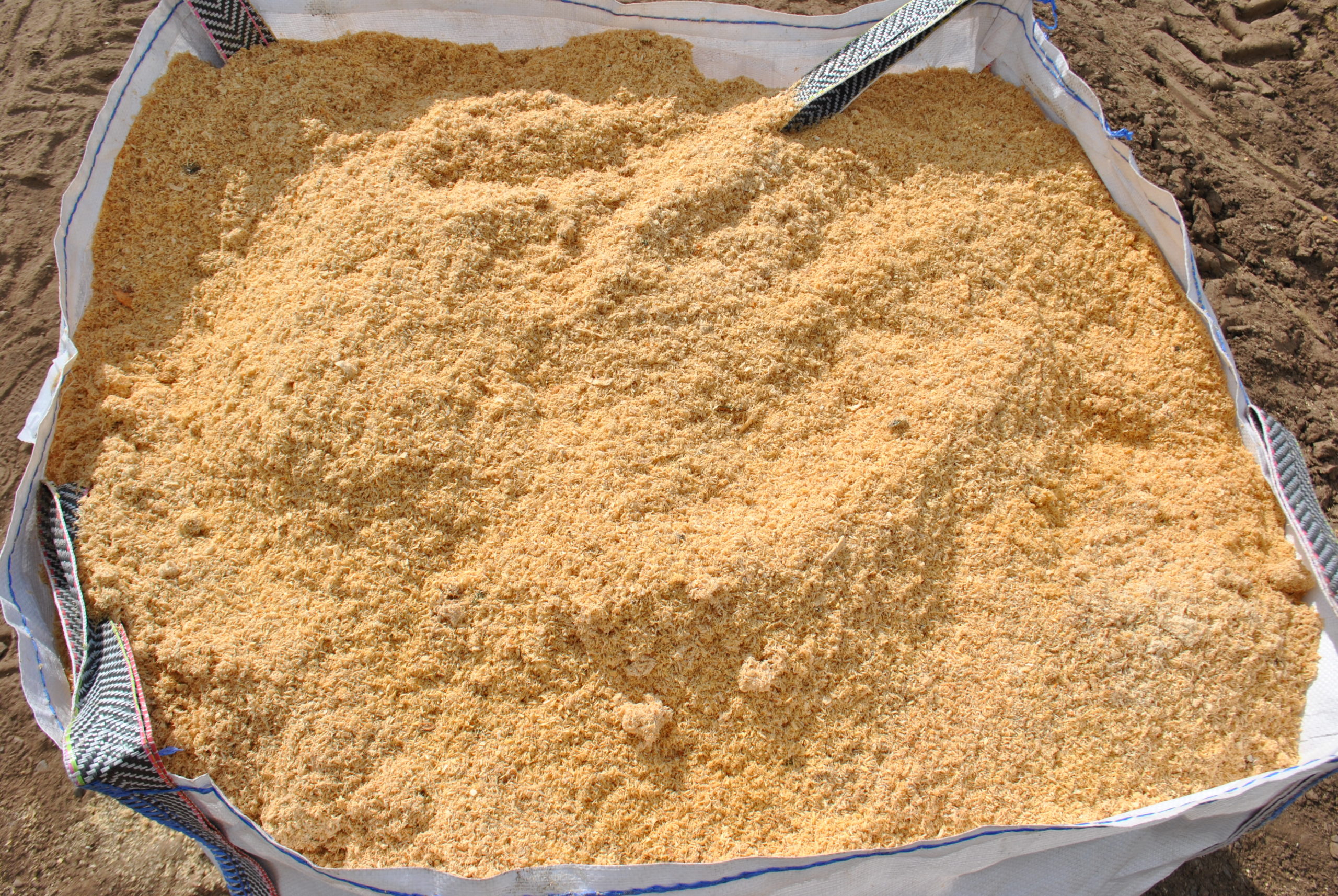
As you consider alternatives to Styrofoam for soil amendment, sawdust emerges as a viable option due to its capacity to enhance moisture retention.
This organic material not only promotes root growth by improving soil structure and aeration but also acts as a sustainable resource, gradually decomposing to enrich the soil with vital organic matter.
Enhances Soil Retention
Incorporating Styrofoam into soil significantly enhances moisture retention, mitigating water loss through evaporation and supporting consistent moisture levels crucial for plant growth. This addition to your gardening practice can be particularly beneficial in arid or hot climates where water efficiency is paramount. Let’s delve into how Styrofoam impacts soil moisture dynamics:
- Thermal Insulation: Styrofoam has excellent insulating properties, which help maintain soil temperature. This reduces the rate of moisture evaporation from the soil, ensuring that water remains available to plants for longer periods.
- Water Distribution: Styrofoam particles can help distribute water evenly throughout the soil. This prevents waterlogging in certain areas and dry spots in others, promoting an even moisture balance that’s essential for plant health.
- Reduced Watering Frequency: With improved moisture retention, you’ll find that the need to water plants decreases. This not only conserves water but also reduces your gardening labor significantly.
- Cost Efficiency: Using Styrofoam in soil can be a cost-effective method of improving soil moisture retention, especially if repurposed from waste materials, thus also contributing to waste reduction.
Promotes Root Growth
While enhancing soil moisture retention, Styrofoam also significantly promotes root growth by creating critical air pockets that improve soil aeration and drainage. These air pockets are essential for allowing your plant’s roots to breathe and expand freely. Furthermore, the presence of Styrofoam in the soil prevents compaction, a common issue that can hinder root development. When soil becomes too dense, it restricts the movement of roots and limits the efficient uptake of water and nutrients. By integrating Styrofoam, you ensure that the roots have the space needed to grow robustly and healthily.
This methodology isn’t just about preventing negatives; it actively enhances the positive aspects of your gardening. Improved aeration and drainage facilitated by Styrofoam encourage roots to delve deeper and spread wider, establishing a strong foundation for plant stability and nutrient absorption. This not only bolsters the health of your plants but also their ability to withstand adverse conditions, like drought or excessive rainfall.
Incorporating materials like Styrofoam into your soil composition can be a game-changer for plant health and root growth. It’s a straightforward adjustment to your gardening routine that can yield significantly healthier and more resilient plants.
Sustainable Organic Material
Sawdust offers a sustainable and biodegradable alternative to Styrofoam, enhancing soil structure and promoting healthier plant growth. As you consider integrating sawdust into your gardening practices, it’s crucial to understand its multifaceted benefits:
- Improves Soil Aeration: Sawdust helps to loosen compact soil, allowing air to penetrate deeper. This enhanced aeration fosters robust root development and ensures plants can breathe easier, ultimately leading to vigorous growth.
- Enhances Moisture Retention: By incorporating sawdust, you’ll notice that your soil retains water more effectively. This is particularly beneficial during dry spells, reducing your need to water frequently and ensuring that plants stay hydrated.
- Adds Organic Nutrients: As sawdust decomposes, it gradually releases nutrients back into the soil. This not only feeds your plants but also enriches the soil’s overall fertility, making it a powerhouse of nourishment for future planting seasons.
- Promotes Healthy Microbial Activity: The introduction of organic materials like sawdust encourages the proliferation of beneficial microbes. These tiny organisms play a critical role in breaking down organic matter, aiding in nutrient absorption, and protecting against soil pathogens.
Using Coconut Coir

As you explore sustainable gardening materials, consider coconut coir, a biodegradable alternative to Styrofoam that enhances soil structure and promotes healthy plant growth. Derived from the fibrous husks of coconuts, coconut coir stands out as an environmentally friendly option. It’s not only renewable but also plays a crucial role in improving soil aeration and water retention—qualities essential for robust plant development.
Delving deeper, coconut coir’s structure is remarkably beneficial for roots. It prevents soil compaction, which allows roots to expand freely and access necessary nutrients effectively. This support is pivotal for fostering strong root systems, a foundational aspect of healthy plants.
Furthermore, coconut coir’s natural ability to retain moisture reduces the frequency of watering, thereby conserving water and saving you time.
Perlite as a Substitute
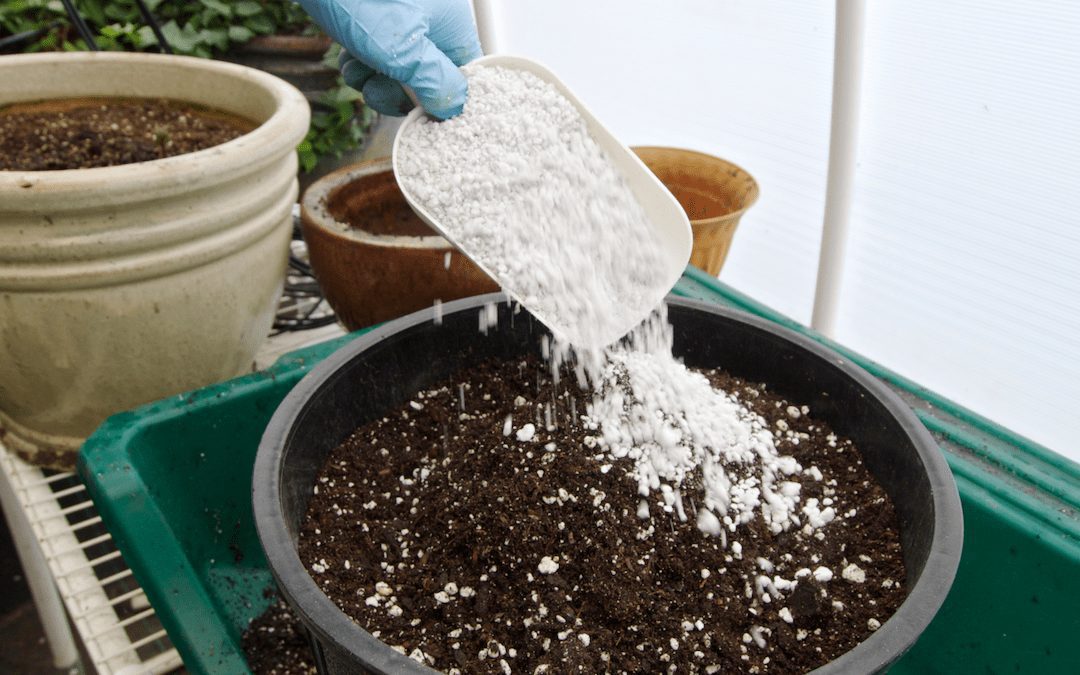
Perlite, a naturally occurring volcanic glass, serves as an effective substitute for Styrofoam in soil, enhancing both aeration and drainage. When you choose perlite, you’re opting for a product that not only improves the structural integrity of your soil but also supports healthy plant growth through several key benefits:
- Enhanced Aeration: Perlite’s unique structure, formed when volcanic glass is heated and expands, creates tiny air channels throughout the soil. These channels allow roots to breathe and grow more vigorously.
- Improved Drainage: While retaining essential moisture, perlite also facilitates the flow of excess water away from plant roots. This balance prevents waterlogging, crucial for preventing root diseases.
- Neutral pH Level: Being pH-neutral, perlite is incredibly versatile and can be used with a wide variety of plants without altering the soil chemistry. This feature makes it particularly valuable for maintaining the health of plants sensitive to pH fluctuations.
- Sterility: As a sterile medium, perlite doesn’t introduce pathogens, weeds, or pests into your garden. This aspect is particularly beneficial in controlled environments like greenhouses, where maintaining purity is critical.
Recycled Plastic Efficacy
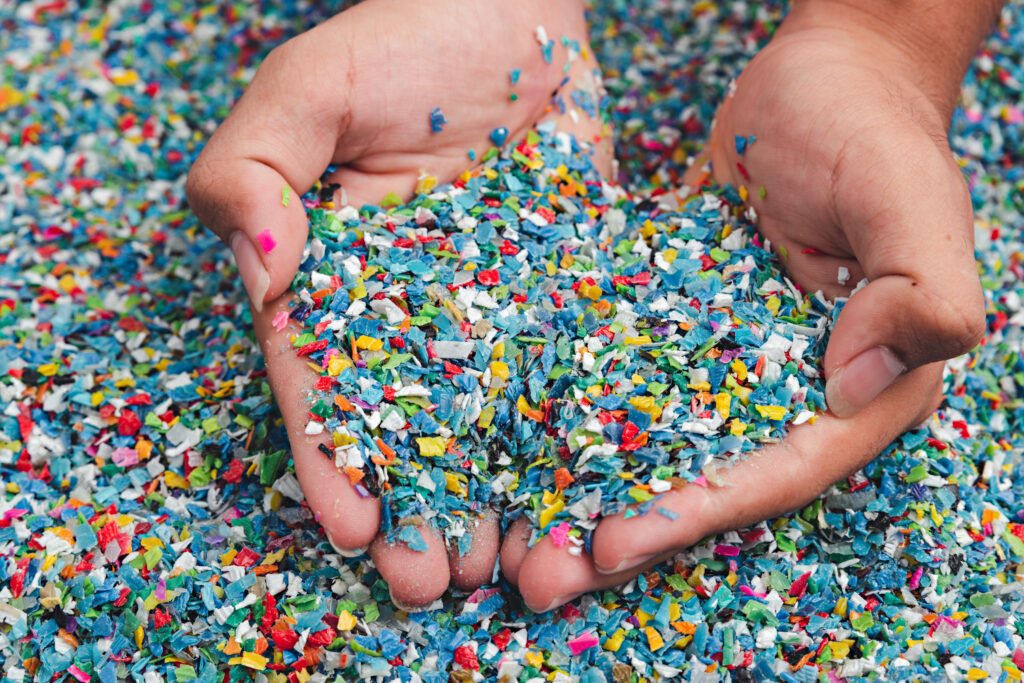
Recycled plastic effectively enhances soil aeration and drainage, offering a sustainable alternative to Styrofoam in gardening practices. When you repurpose materials like plastic bottles, containers, and bags, you’re not just diverting waste from landfills; you’re also promoting a more environmentally friendly method of improving soil structure. Unlike Styrofoam, which is non-biodegradable and can persist in the environment for hundreds of years, recycled plastic offers a versatility that aligns more closely with sustainable practices.
The breakdown of these plastic materials over time can incrementally release nutrients, which Styrofoam can’t provide, thereby supporting plant growth indirectly. This process, while slower and less direct than traditional composting, still contributes positively to soil health in the long term.
Moreover, the use of recycled plastic in soil management is a cost-effective strategy. It reduces the need for new plastic production and the environmental footprint associated with it.
Organic Mulches Overview
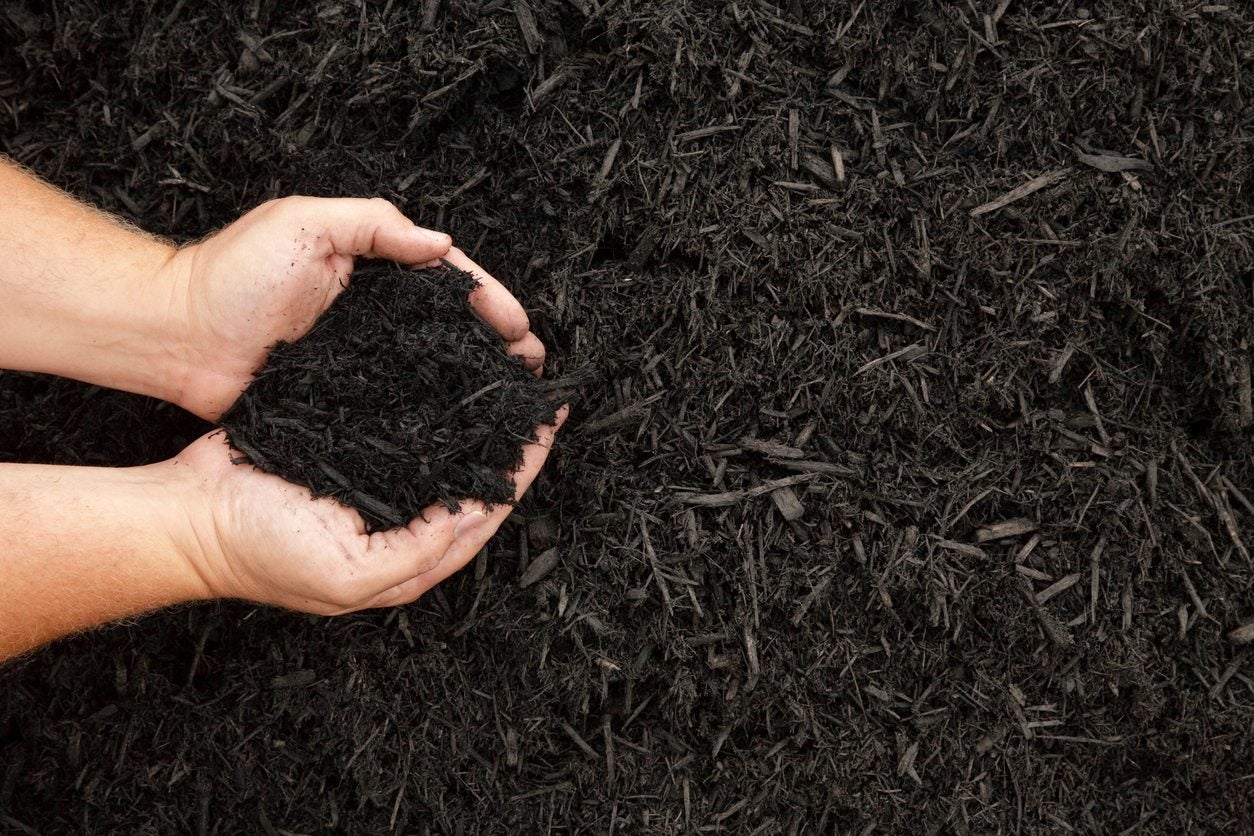
Organic mulches, including straw, leaves, and grass clippings, significantly enhance soil structure and fertility by retaining moisture, suppressing weeds, and regulating temperature. These materials aren’t just coverings; they’re active contributors to a healthier garden ecosystem. Here’s a detailed look at what they do:
- Moisture Retention:
Organic mulches act like sponges, absorbing water and slowly releasing it back into the soil, reducing the need for frequent watering. This is particularly beneficial during dry spells, helping you conserve water and ensure your plants stay hydrated.
2. Weed Suppression:
By forming a barrier on the soil surface, organic mulches prevent sunlight from reaching weed seeds, significantly reducing their germination. Less weeding means less disturbance to your plants’ roots and more time for you to focus on other gardening activities.
3. Temperature Regulation:
These mulches insulate the soil, keeping it warmer in the winter and cooler in the summer. This stable environment encourages root growth and extends the growing season for many plants.
4. Soil Fertility and Health:
As organic mulches decompose, they enrich the soil with essential nutrients. They also promote the activity of beneficial microbes and earthworms, enhancing soil structure and fertility naturally.
Using organic mulches means you’re not only nurturing your plants but also contributing to a sustainable gardening practice.
Experimenting With Sand
Incorporating sand into your garden’s soil can significantly enhance drainage and aeration, crucial for optimal root development and plant health. When you add sand, you’re essentially creating larger pore spaces which allow water to flow through more easily. This prevents waterlogging and ensures that your plants’ roots aren’t sitting in moisture for too long, which can lead to root rot.
Using sand also helps to prevent soil compaction. Over time, soil can become compacted, especially in areas with heavy foot traffic or under the weight of heavy rains. This compaction can make it difficult for roots to grow and limit their ability to access necessary nutrients. Sand introduces a looser texture to the soil, promoting better root penetration and overall healthier plant growth.
Experimenting with the right sand-to-soil ratio is key. You’ll want to achieve a balance that supports your specific plant types and local climate conditions. Start by mixing smaller amounts of sand into your soil and observe how it affects water drainage and root development. Gradually adjust the ratio based on your observations to find the optimal mix that provides the best environment for your garden’s unique needs.
:max_bytes(150000):strip_icc()/SPR-substitute-horticultural-sand-in-seed-mixes-3972308-hero-dd2ba102052c49e2b7106f226c9a47f6.jpg)
Safety and Health Considerations
Before using Styrofoam in your soil, it’s crucial to consider the potential release of harmful chemicals that could impact plant health and overall growth.
When you’re considering adding Styrofoam to your potting mix, you need to be aware of several key safety and health considerations:
- Chemical Leaching: Styrofoam can degrade over time, especially under environmental stressors such as UV light and water, releasing potentially toxic substances that might be absorbed by plants.
- Plant Growth Impact: The presence of these chemicals can hinder the growth and development of your plants. Research shows that certain substances from Styrofoam may interfere with nutrient uptake, reducing overall plant health and vigor.
- Ventilation and Drainage: While Styrofoam is often touted for improving drainage and preventing soil compaction, improper use can actually block essential air pockets in the soil, stifling root growth and leading to plant stress.
- Long-term Soil Health: The accumulation of non-biodegradable Styrofoam particles can lead to diminished soil quality over time, affecting not just one generation of plants but successive ones planted in the same medium.
Considering these factors can help you make informed decisions about using Styrofoam in your potting mix, prioritizing both plant health and environmental responsibility.