
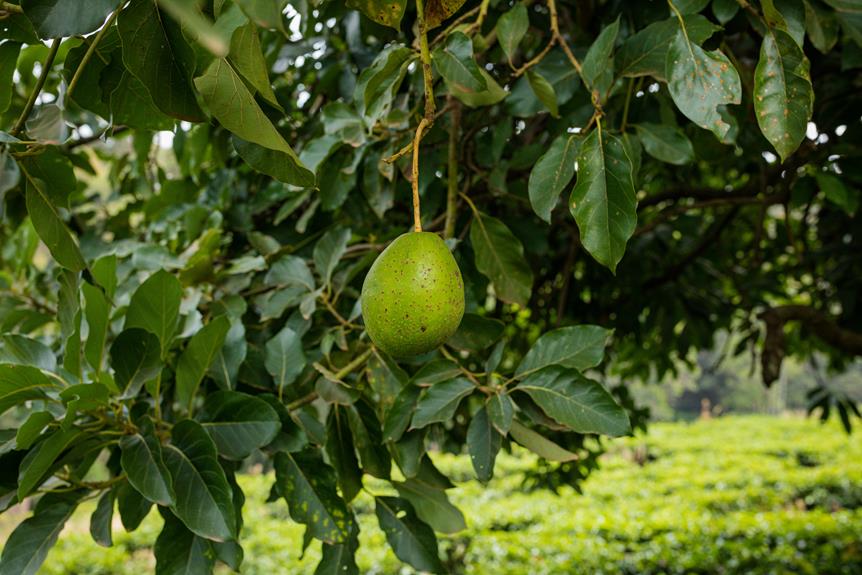
Avocado trees can reach up to 40 feet tall in optimal conditions, though container-grown trees usually max out around 5-7 feet. You’ll find them spanning 5-8 feet wide, greatly influencing their fruit yield. Additionally, their fruits generally weigh between 5 and 12 ounces. However, with ideal care, certain varieties like the Reed avocado can grow up to 2 pounds. The growth of both the tree and fruit depends heavily on factors like climate, soil quality, watering, and sun exposure. Exploring how these elements interact can significantly enhance the size and quality of your avocado tree and its produce.
Avocado Tree Size Overview
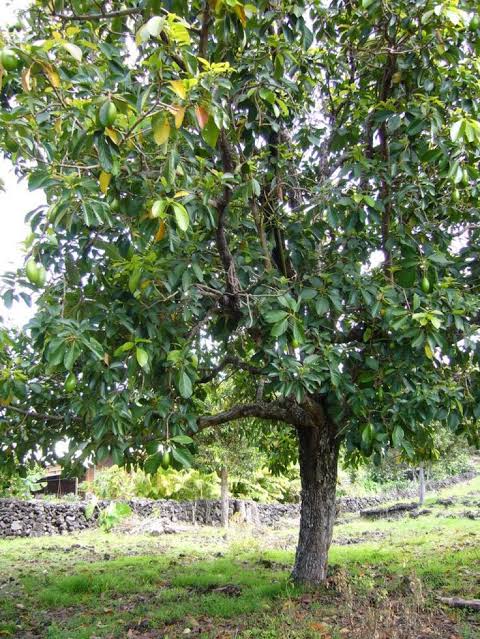
Avocado trees, when planted in the ground, can grow up to 40 feet tall, but when confined to a container, they typically reach a height of 5-7 feet. This variation in size is largely due to the constraints imposed by the container’s volume, limiting root expansion and, consequently, the overall growth of the tree.
The Hass Avocado Tree, a particularly popular cultivar due to its rich flavor and creamy texture, is notably smaller when grown in pots, generally achieving a height of 3-4 feet.
The size of the tree directly influences the size of the avocado fruit it produces, which can vary from 5 to 12 ounces. The space available for root development in the ground allows for more extensive growth, which supports larger fruit production compared to those grown in containers.
Furthermore, the mature width of an avocado tree typically spans 5-8 feet, depending on planting conditions and genetic factors. This width is crucial as it affects the tree’s ability to capture sunlight and sustain its fruit-bearing branches, ultimately influencing both the quantity and size of the avocados produced.
Understanding these size dynamics helps in effectively planning and managing avocado cultivation for optimal yield.
Factors Influencing Tree Growth
As you explore the cultivation of avocado trees, it’s crucial to understand how climate plays a pivotal role in their growth.
The type of soil and its nutrient content significantly impact the tree’s health and fruit production, necessitating careful selection and management.
Additionally, the frequency and amount of watering are crucial, as both overwatering and under-watering can hinder growth and affect fruit size.
Climate Impact on Growth
Climate significantly influences the growth of avocado trees. Warmer regions such as California, Florida, Texas, and Arizona promote faster development and larger fruits. Avocado trees in these suitable climates can thrive, potentially reaching up to 40 feet in height. These regions offer ideal conditions for growth and optimal fruit production. Avocados can vary in size from as small as a lemon to as large as a softball.
The climate’s impact on an avocado tree is profound. Warmer temperatures facilitate quicker growth cycles and enhance the overall size potential of both the tree and its fruits. Consistent conditions without extreme fluctuations are crucial for avocado trees to flourish. Proper care, including adequate sunlight and regular watering, plays a pivotal role in maximizing these growth benefits.
Soil Type and Nutrition
To optimize the growth and fruit production of your avocado tree, selecting the right soil type and ensuring it receives balanced nutrition are crucial factors.
Avocado trees perform best in a well-draining soil mix, rich in organic matter, which prevents water from stagnating around the roots. It’s essential to allow the soil to dry slightly between watering to avoid root rot, which can severely impact your tree’s health and its ability to bear fruit.
For ideal nutrient uptake, maintain soil pH levels between 6 and 7. This range helps facilitate the availability of essential nutrients, crucial for the development of your tree at home. Regular applications of a balanced fertilizer, designed for avocado or citrus trees, support vigorous growth and abundant fruiting in varieties like the Hardt Avocado.
When preparing your soil mix, incorporate elements like perlite or coarse sand to enhance drainage, and consider adding compost to furnish the soil with organic nutrients. This setup mimics the natural growing conditions of avocado varieties, ensuring your tree bears fruit optimally.
Watering Frequency Effects
Understanding the impact of watering frequency on your avocado tree’s growth is just as important as soil quality and nutrition. The right balance in watering frequency, particularly for young trees, is crucial. Initially, these trees need weekly watering to establish roots and support early development. As your tree matures, it requires less frequent but more profound, deep watering sessions, especially in dry periods. This adjustment promotes not only healthy leaf growth but also enhances overall tree vigor.
Deep watering involves saturating the soil around the tree’s roots, allowing moisture to penetrate deeply. This method encourages the roots to grow downward, creating a stable and robust system that supports larger fruit production. Remember, avocado trees thrive in well-drained soil; excess water can lead to root rot and other growth-inhibiting issues.
Moreover, if you’re growing an avocado tree indoors, don’t overlook the importance of daily misting. This practice helps maintain ambient humidity, mimicking the moist environment these trees favor and further contributing to their health and productivity.
Typical Fruit Dimensions
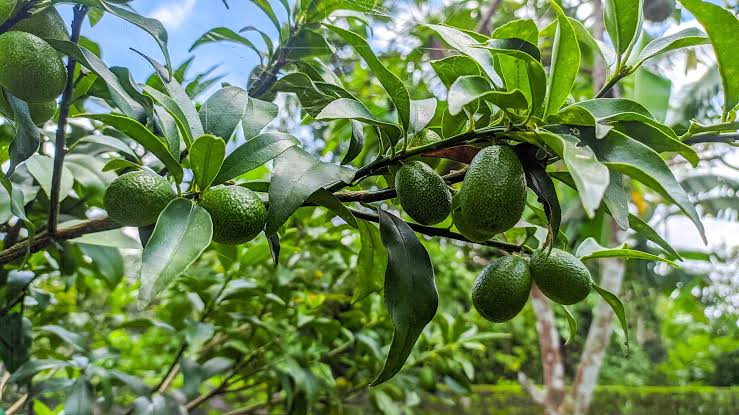
Avocado fruits typically range in size from 5 to 12 ounces, with dimensions spanning 3-8 inches in length and 2-6 inches in width. The fruit size from an avocado tree can vary significantly depending on the variety of avocados and the growing conditions they’re exposed to. Reed avocados, for instance, can grow exceptionally large, reaching up to 2 pounds. These larger fruits are often sought after for their higher flesh-to-pit ratio, offering more edible flesh relative to their size.
Consider the following key points about typical avocado fruit dimensions:
- Variability in Size: Avocado sizes aren’t just about the numbers; they reflect the adaptive nature of the avocado tree to its environment and care. Larger sizes generally indicate optimal growing conditions.
- Significance of Fruit Dimensions: Understanding the dimensions helps in anticipating the yield of edible flesh, crucial for both domestic and commercial purposes.
- Impact of Variety: Different avocado varieties, such as Reed avocados, not only differ in size but also in their characteristics, which can influence culinary uses and market value.
- Growing Conditions: Optimal soil, watering practices, and climate contribute significantly to the ultimate size of the fruit, emphasizing the importance of good agricultural practices.
Comparing Avocado Varieties
Diversity among avocado tree varieties significantly influences their growth patterns and spatial requirements. When you’re selecting an avocado type, considering size is crucial due to varying spatial needs. Let’s delve into a detailed comparison.
Hass avocado trees, one of the most popular varieties, typically achieve a height of 15-20 feet with a width of 5-8 feet. This compact size makes them suitable for smaller gardens.
In contrast, the Fuerte and Pinkerton avocado trees are much larger, each soaring to heights of 30-60 feet and spreading 20-30 feet wide. These varieties demand significantly more space, making them less ideal for restricted urban spaces.
In your comparison, don’t overlook the Bacon avocado trees. These are relatively smaller, reaching heights of 10-20 feet and a width of 10-15 feet, offering a middle ground in terms of space requirements.
Meanwhile, the Lamb Hass avocado trees present an even more compact option, growing to about 10-15 feet in both height and width, ideal for very limited spaces.
Each variety’s size and fruit yield capabilities are essential considerations for your garden planning. Understanding these differences helps in making informed decisions tailored to your specific gardening needs and space allowances.
Maximizing Tree and Fruit Size
To maximize your avocado tree and fruit size, it’s crucial to establish optimal soil conditions first.
Ensuring an adequate water supply is key, as consistent and appropriate hydration affects both tree growth and fruit development.
Additionally, mastering proper pruning techniques can significantly improve air circulation and sunlight exposure, which are essential for healthy growth and optimal fruit production.
Optimal Soil Conditions
Ensuring your avocado tree is planted in well-draining soil with a pH between 6 and 7 maximizes both tree and fruit size. The journey to a flourishing avocado tree starts beneath the surface, where the magic of soil chemistry and physics plays a crucial role.
Well-draining soil ensures that your avocado tree’s roots aren’t waterlogged, which can prevent diseases and support healthy tree growth. A pH within the optimal range enhances nutrient uptake, vital for the development of both the tree and its fruits.
Here’s how you can optimize the soil conditions for your avocado tree:
- Test the Soil pH: Regularly check the soil’s pH to ensure it remains between 6 and 7. This range is crucial for optimal nutrient availability.
- Enhance Drainage: Amend the planting area with coarse sand or organic matter if the natural soil retains too much moisture.
- Monitor Nutrient Levels: Apply a balanced fertilizer that doesn’t alter soil pH significantly but supports robust growth.
- Observe Soil Structure: Maintain a loose, friable soil structure to facilitate good air penetration and root expansion.
Adequate Water Supply
After optimizing soil conditions, focus on maintaining an adequate water supply to further enhance the size and quality of your avocado tree and its fruit. Consistent and deep watering is essential as it enables the tree to grow robustly and produce larger, more flavorful fruit.
Avocado trees thrive with deep irrigation, which encourages the roots to extend deeply into the soil, accessing more nutrients and water. This deep rooting system supports the tree’s overall health and its ability to bear an abundance of large fruit.
Proper irrigation practices are pivotal. You’ll need to ensure that the water penetrates deeply into the soil, rather than just wetting the surface. This method prevents water waste and fosters optimal growth conditions.
During drier periods, increase the frequency of watering to maintain soil moisture, but be cautious not to overwater, as this can lead to root rot and other issues.
Proper Pruning Techniques
Proper pruning techniques frequently enhance both the size and health of your avocado tree and its fruit by promoting strong, well-structured growth. By adopting these methods, you’ll not only maximize the size of your tree and its yield but also ensure the production of larger, healthier avocados.
Here’s how you can achieve this:
- Prune Lightly in Spring: Spring is the perfect time for light pruning to maintain the tree’s form and encourage healthy growth. This method helps to shape the tree and prepare it for the growing season, ensuring it has the structure to support a bountiful fruit set.
- Avoid Heavy Pruning: Refrain from removing large sections of the tree, as this can significantly reduce its flowering potential and subsequent fruit production. Heavy pruning can shock the tree, stunting its development and decreasing its overall productivity.
- Enhance Sunlight Exposure and Air Circulation: Strategically remove branches to improve air circulation and increase sunlight exposure throughout the tree. This not only prevents disease but also promotes more uniform and effective fruit development.
- Promote Strong Branches for Larger Fruit: Regular pruning supports the growth of strong branches that are capable of bearing larger fruits. Healthy, well-pruned branches minimize the risk of breakage under the weight of the fruit, leading to a more fruitful harvest.
Lifecycle of the Avocado Tree
Avocado trees begin their lifecycle with germination, which occurs once the seed is planted and adequately watered. This initial stage sets the foundation for a tree that can flourish for over four decades. As the seedling emerges, you’ll notice the first sprout, which will eventually grow into a robust tree.
The Hass avocado, a popular variety known for its creamy texture, follows a fascinating growth trajectory. Initially, the sapling will appear fragile, but don’t be deceived; it’s on its way to becoming a sturdy tree. The mature height for a Hass avocado ranges between 15-20 feet, a manageable size that suits most orchards. Throughout its lifecycle, the avocado tree undergoes several growth spurts, which contribute to its longevity and productivity.
As the tree matures, it starts to bear fruit. The size of the avocado fruit typically ranges from 5 to 12 ounces, depending on the tree’s health and environmental conditions. Each year, the tree’s yield may vary slightly, but the harvest is generally plentiful, assuring you of a steady supply of avocados.
This cycle of growth and renewal ensures that the avocado lifecycle is both productive and sustainable.
Harvesting Avocado Fruit
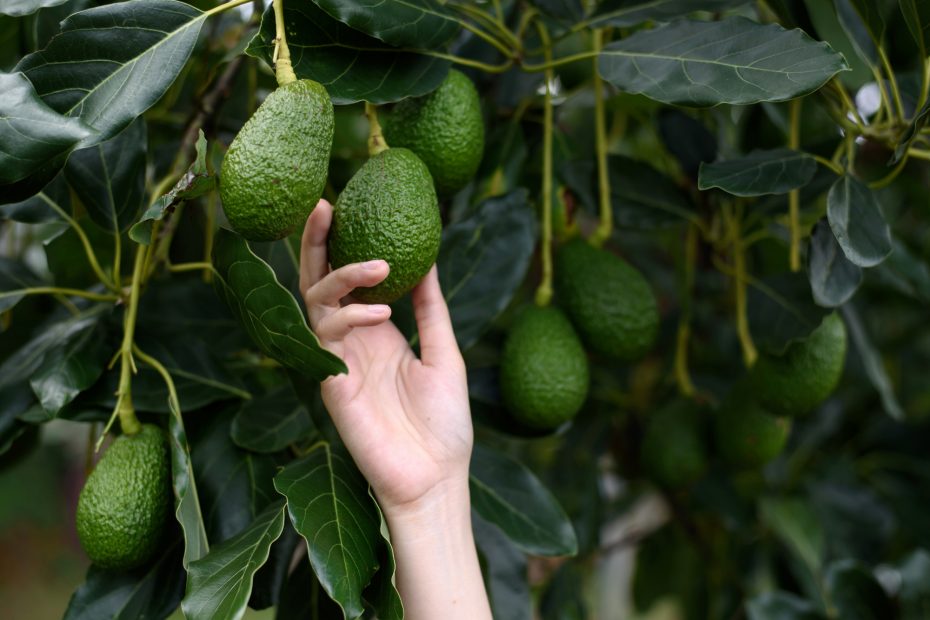
Harvesting your avocado fruit at the optimal time ensures maximum flavor and texture. Once your avocado tree matures, it can yield hundreds of fruit each season, ranging in size from 5-12 ounces and varying in shape from pear-shaped to round.
Knowing when to harvest is crucial, as the fruit doesn’t ripen on the tree. Here’s what you need to know:
- Check the Size and Shape: Monitor your avocados throughout their growth. They should reach the typical size and shape characteristic of their variety. Pear-shaped varieties often require a bit more time to fill out, while round types might be ready sooner.
- Feel for Firmness: Gently squeeze the fruit in your palm. It should yield slightly under pressure if it’s mature. Harvesting too early means the avocado won’t ripen properly, while too late can lead to a loss of quality.
- Consider the Weight: A mature avocado will feel notably heavier. This increase in weight is a good indicator that the fruit has developed enough oil content to provide that creamy texture and rich flavor you’re craving.
- Observe Color Changes: Some varieties might show a slight change in color as they mature. Keep an eye out for these subtle shifts as a signal that it’s time to harvest.