

To effectively care for moss, you’ll need to maintain a moist environment, ensuring humidity levels remain above 70%. Keep your moss in shaded areas as it thrives in cool, indirect sunlight, and avoid direct sun exposure to prevent dehydration. The ideal temperature range is between 60°F and 90°F. Opt for acidic, compact soil with a pH of 4.5 to 5.5, mimicking a natural forest floor or rocky crevice setup. Water your moss by misting regularly, adjusting frequency based on environmental humidity and seasonal changes. Fertilization isn’t typically necessary, but if needed, incorporate decomposed leaf litter. Exploring these steps more in-depth will reveal additional insights into optimizing moss health.
Moss Varieties Overview
Exploring the diverse world of mosses, you’ll find varieties like Carpet Moss and Mood Moss, each adapted uniquely to their environments. These moss plants, along with others like Sheet Moss and Pincushion Moss, showcase a fascinating array of physical forms and ecological roles.
Carpet Moss, scientifically known as Hypnum, forms dense, soft mats that can cover large areas of forest floor, thriving in moist, shaded habitats. Mood Moss, or Dicranum, prefers slightly drier conditions, often found on rocks and tree bases, featuring tufted clumps that can withstand variable moisture levels.
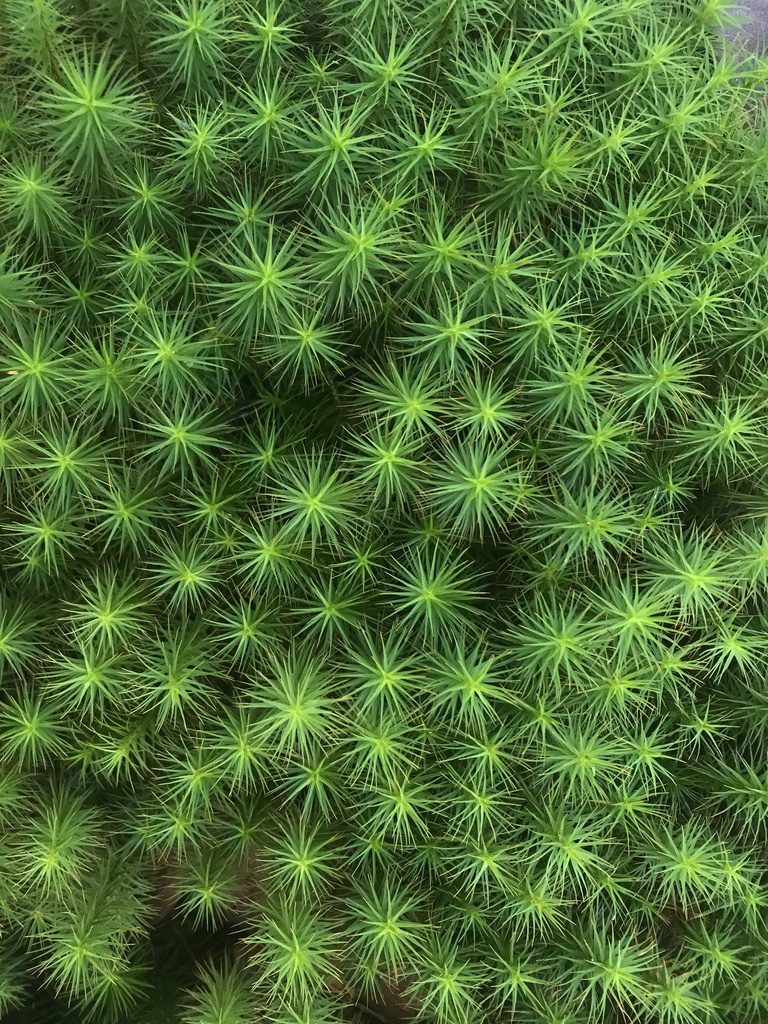
Diving deeper into the moss kingdom, you’ll encounter Haircap Moss and Bryum Moss, each belonging to different groups of mosses: Acrocarpous and Pleurocarpous. Acrocarpous mosses, like Haircap Moss (Polytrichum), grow upright and bear spores at the tip of their stems, adapted for survival in less water-abundant environments.
In contrast, Pleurocarpous mosses, such as Bryum Moss, grow in a creeping fashion and produce spores on short lateral branches, which allows them to colonize extensive areas quickly, especially in moist, shaded environments.
Understanding these adaptations and structures helps in appreciating the resilience and beauty of moss plants in varying ecosystems.
Essential Growing Conditions
To successfully cultivate moss, it’s crucial to maintain high humidity levels, ideally above 70%. Moss species thrive in environments where moisture in the air consistently supports their growth without the need for a traditional root system. This reliance on atmospheric moisture makes controlling humidity a key factor in your moss garden.
Here are essential factors to consider when creating the right conditions for different moss species:
- Temperature Range: Mosses perform best in temperatures between 60°F and 90°F. This range supports their metabolic processes and photosynthesis without causing heat stress, which can impede growth and lead to dehydration.
- Soil Acidity and Composition: Opt for acidic soil with a pH of 4.5 to 5.5. Mosses have a preference for acidic environments which can be attributed to their evolutionary adaptations. The soil should be compact and low in nutrients, mimicking the moss’s natural habitats like forest floors and rocky crevices, where competition from other plants is minimal.
- Atmospheric Conditions: Besides humidity, ensure that the area is generally cool with indirect sunlight. Direct sun can quickly dry out moss, whereas too much shade can reduce the energy available for photosynthesis, impacting growth negatively.
Optimal Watering Techniques
To ensure your moss thrives, understanding the correct watering frequency is crucial, as moss’s unique absorption system through stems and leaves dictates its hydration needs.
You’ll find that employing either the misting or soaking method can greatly influence its growth; misting is typically sufficient for moisture retention without over-saturation.
Research indicates that while established moss can often subsist on ambient moisture, periodic misting will support robust health and prevent dormancy during drier periods.
Moss Watering Frequency
Determining the optimal watering frequency for moss involves assessing various environmental conditions, including humidity levels and substrate moisture content. You’ll need to consider the specific type of moss you’re cultivating, as different species may have varied requirements. This task is crucial for promoting healthy growth and avoiding common pitfalls such as root rot or dehydration.
Here are some key points to guide you:
- Assess Moisture Levels Regularly: Check the top layer of the substrate by touching it; if it feels dry, it’s time to water. Moss doesn’t have deep roots, and its requirement for moisture can be visually and tactically assessed.
- Monitor Environmental Humidity: Moss thrives in high humidity. If you’re in a dry environment, you’ll need to water more frequently. A hygrometer can be a useful tool to accurately monitor the humidity levels surrounding your moss.
- Adjust Watering Based on Season: During warmer months or growing seasons, moss may require more frequent watering compared to colder, dormant periods. This adjustment helps in accommodating the metabolic changes moss undergoes with seasonal variations.
Mist Vs. Soak Method
Understanding the optimal watering techniques for moss, you’ll find that choosing between misting and soaking depends on the current moisture needs and growth stage of your moss.
The mist method, involving a light spray of water, is suited for regular maintenance of your moss garden. This approach ensures that the moss maintains adequate hydration without the risk of waterlogging, which can be detrimental to its health.
On the other hand, the soak method is more intensive. It involves immersing the moss in water, which is beneficial when your moss shows signs of significant dryness. This method allows for deep hydration, ensuring that all parts of the moss absorb sufficient moisture. It’s particularly useful for rejuvenating moss that has been neglected or has dried out excessively.
Both techniques are crucial as moss absorbs water directly through its leaves rather than roots. Therefore, the method you choose must align with the specific hydration requirements of your moss at different stages of its growth.
Regularly assessing the moisture level of your moss will guide you in deciding whether to mist or soak. This tailored approach will help sustain the lush, verdant quality of your moss garden, promoting optimal growth and health.

Light and Shade Requirements
Understanding the light and shade requirements for moss is crucial to maintaining its health and promoting robust growth.
You’ll find that mosses are best suited to environments with indirect sunlight or under bright LED lighting (5000-6700K), mimicking a natural, shaded habitat.
It’s important to adhere to a lighting regimen of 12 hours on and 12 hours off, which optimizes photosynthetic activity without causing stress or dehydration.
Ideal Light Conditions
To ensure optimal growth, moss must be shielded from direct sunlight, as it flourishes under conditions of indirect light or in shaded areas. The ideal light conditions for moss are crucial for maintaining its health and vibrant green color.
- Indirect Sunlight: Moss doesn’t have the physiological structures to cope with the intense energy of direct sunlight. Instead, it requires diffused or dappled light. This can naturally occur under the canopy of trees or artificially through the use of sheer curtains or shade cloths.
- Duration of Light Exposure: Mosses are adapted to environments where light isn’t overly abundant. They require about 12 hours of light per day. This can be perfectly managed with the use of artificial lighting such as bright fluorescent or LED bulbs, especially in indoor settings or during the darker winter months.
- Quality of Light: The spectrum of light also plays a significant role in the photosynthesis process of moss. Full-spectrum bulbs that mimic natural light are ideal, helping moss to photosynthesize more efficiently and thus, thrive better.
Shade Tolerance Levels
Moss thrives under specific light conditions, requiring shaded environments where indirect sunlight or filtered light predominates to maintain its lush, green appearance. The shade tolerance of moss is a key factor in its survival and growth. In scientific terms, mosses are poikilohydric, meaning they can survive periods of dryness but maintain optimal health in moist, shaded conditions. The capacity to tolerate shade while still performing photosynthesis with limited light is a remarkable adaptation of moss species.
To understand the importance of shade for moss, consider its physiological mechanisms. Mosses lack the internal water storage systems of more complex plants, and thus rely on external moisture. Direct sunlight can quickly evaporate this essential moisture, while shaded conditions help maintain necessary hydration levels.
Here’s a detailed breakdown of how different light conditions affect moss:
| Light Condition | Impact on Moss | Shade Tolerance Level |
|---|---|---|
| Full Sunlight | Leads to drying and browning | Low |
| Partial Sunlight | Can stress moss | Moderate |
| Filtered Light | Ideal for growth | High |
| Deep Shade | May limit photosynthesis | Moderate |
| Indirect Sunlight | Supports optimal health | High |
Understanding these shade tolerance levels helps you create the perfect environment for your moss to thrive without crossing into the areas covered in the next topic of ‘Optimal Exposure Recommendations’.
Optimal Exposure Recommendations
You’ll find moss’s ideal growth occurs in environments that offer abundant indirect sunlight or filtered light, avoiding direct sun exposure to prevent damage and dehydration. This delicate balance is critical because although moss is highly adaptable, its cellular structure lacks the protective mechanisms that many higher plants have against intense light exposure.
Here are some key pointers to ensure you meet moss’s light requirements accurately:
- Indirect Sunlight: Place moss in areas where sunlight is present but diffused through a medium like a canopy of trees or translucent curtains. This mimics their natural habitats under forest canopies where light is soft and scattered.
- Dappled Light: If growing moss outdoors, consider locations that receive dappled light, such as under shrubs or trees with sparse foliage. This setting provides intermittent exposure to sunlight, which is ideal for moss to thrive without the risk of dehydration.
- Shade Management: For indoor settings or dense garden areas, full shade or artificial light designed for plants can be used. Ensure the light is gentle and replicates the wavelength of natural light to some extent, which helps in maintaining the moss’s health and vibrancy.

Soil Preparation and Ph
Before planting moss, ensure the soil is compact, well-draining, and has a pH between 4.5 and 5.5. Soil preparation is crucial for the successful establishment of moss, as it thrives in specific conditions that differ from other garden plants.
Start by removing any existing plants, leaves, and debris from the area. This step is essential to avoid competition for nutrients and moisture, although moss requires minimal nutrients compared to vascular plants.
To adjust the soil pH, consider incorporating wettable sulfur if the existing soil is too alkaline. This adjustment is vital because moss is particularly sensitive to pH levels, and maintaining a slightly acidic environment ensures optimal growth. The application rate of sulfur should be based on the current pH and the buffering capacity of your soil, which can be determined through a reliable soil test.
Additionally, compact the soil lightly to create a firm bed that supports moss spore penetration and root establishment. Avoid overly dense compaction, which can impede water drainage. Proper drainage is essential as moss needs a moist environment, but stagnant water can lead to fungal diseases and poor growth.
Choose a shaded site where these conditions can be naturally maintained for the best results.
Fertilization Guidelines
After preparing the soil with the appropriate pH and compaction, it’s important to note that mosses generally don’t require additional fertilization. Due to their unique biological structure and adaptation to low-nutrient environments, introducing high nutrient levels through fertilization can actually be detrimental rather than beneficial.
Here are some key points to consider:
- Natural Nutrient Sources: Mosses benefit from the natural decomposition of organic matter in their surroundings. This slow release of nutrients mimics their native habitats, where mosses thrive without high concentrations of external nutrients.
- Risks of Chemical Fertilizers: Applying chemical fertilizers near moss can lead to an accumulation of nutrients that mosses are unequipped to handle. This can’t only harm the moss itself by disrupting its internal balance but also promote the growth of algae, which competes with moss for space and resources.
- Maintaining Natural Balance: To support healthy moss growth, focus on maintaining the natural ecosystem balance. Avoid altering the nutrient levels drastically. If you’re concerned about nutrient availability, consider lightly incorporating decomposed leaf litter around the moss, which provides a gentle nutrient boost without the risks associated with fertilizers.
Propagation Techniques
Mosses can be effectively propagated using either division or spores, each method serving different growth strategies and ecological functions. When you opt for division, also known as fragmentation, you’re employing a quick and efficient technique. This involves physically separating a piece of moss and relocating it to a new area where it can establish and grow independently. This method is particularly useful for expanding moss coverage in your garden rapidly, as it bypasses the slower reproductive cycles associated with spore development.
On the other hand, spore propagation emphasizes genetic diversity and resilience within moss populations. This slower process begins when mosses produce spores that are released into the environment. These spores, upon finding suitable substrates, germinate to form new moss plants. It’s a natural process that contributes significantly to the ecological success of moss by enabling widespread distribution.
Both propagation techniques are crucial for maintaining and expanding moss populations. They allow mosses to adapt to varying environmental conditions and continue thriving. By understanding and applying these methods, you can effectively manage moss growth and ensure its sustainability in your landscape.

Seasonal Care Adjustments
As you transition your moss care from season to season, it’s crucial to adapt your maintenance strategies to ensure optimal growth and health.
In summer, you’ll need to manage moisture meticulously, increasing irrigation frequency and ensuring adequate shade to prevent desiccation under the intense sun.
Conversely, winter demands a focus on protection, reducing watering schedules significantly and shielding your moss from harsh freezing conditions to minimize stress and potential damage.
Winter Protection Tips
To ensure your moss thrives during the colder months, it’s crucial to implement specific winter protection strategies. Moss, being a delicate and moisture-loving plant, faces considerable risks in freezing temperatures.
Here are key measures you can take:
- Insulation and Relocation: If your moss is in a portable container, consider moving it to a sheltered location where it’s less exposed to harsh conditions. For ground-covering moss, insulating it with organic materials such as straw or leaf mulch can buffer the frigid temperatures. This layer not only keeps the underlying soil temperature more stable but also reduces the risk of frost penetration.
- Watering Adjustments: During winter, the metabolic rate of moss decreases significantly, reducing its water requirements. It’s essential to moderate your watering schedule to avoid waterlogging, which can lead to root rot and other fungal issues. Ensure the moss is damp but not soaked, as excessive moisture can freeze and damage the cell structure.
- Protection Coverings: Covering moss beds with burlap or frost cloth can shield them from frost while allowing moisture and light to penetrate. This barrier is particularly useful in preventing desiccation and physical damage from ice crystals. Regular inspections will help you adjust coverings as needed and check for signs of stress.
Summer Moisture Management
During the summer, you’ll need to increase the frequency of watering your moss to prevent it from drying out. As temperatures rise, evaporation rates increase, necessitating diligent monitoring of moisture levels. Moss, by nature, is adapted to environments with consistent humidity; therefore, it’s critical to adjust your watering practices to maintain an optimal moisture balance. This means not just increasing frequency but also adjusting the volume of water used based on current weather conditions.
To effectively manage moisture levels, provide adequate shade for your moss. Direct sunlight can accelerate moisture loss, leading to stress and potential drying. Utilizing shade structures or planting in naturally shaded areas can mitigate these effects. Moreover, the type of shade provided should filter sunlight rather than block it entirely, as moss requires some light for photosynthesis.
Additionally, it’s imperative to ensure that the moss is never waterlogged. Over-watering can be just as detrimental as under-watering, leading to issues such as root rot.
Regularly check the soil’s moisture using a simple touch-test or moisture meter. Adjust your watering schedule based on these readings and the local humidity and temperature, aiming for a consistent, slightly moist substrate. This careful balance will support the health of your moss throughout the hot summer months.
Advanced Maintenance Tips
Enhancing moss vitality involves precise adjustments in lighting, watering practices, and the use of natural fertilizers. To elevate your moss maintenance, you’ll need to delve into more advanced care techniques. Here’s how you can ensure your moss thrives:
- Optimal Lighting Adjustment:
Moss doesn’t require direct sunlight but thrives under indirect or filtered light. Assess the light intensity and duration your moss receives. Too little light leads to sparse growth, while too much can cause scorching. Consider using a light meter to monitor exposure and adjust the position of your moss or the light source accordingly.
2. Strategic Watering Regimen:
Moss needs consistent moisture to maintain its lush, green appearance. Implement a watering schedule that prevents over-saturation and drying out. Use distilled or rainwater to avoid mineral buildup. The frequency of watering should adjust with seasonal humidity changes, ensuring the moss’s environment mimics its natural habitat.
3. Natural Fertilization Practices:
While moss generally requires little to no fertilizer, occasional feeding with a diluted natural fertilizer can boost growth. Opt for organic options like fish emulsion or seaweed extract, applying sparingly to prevent nutrient overload which can harm the moss and disrupt its growth cycle.
Common Growth Challenges
Despite careful maintenance, moss often encounters growth challenges such as browning or yellowing when light or water is insufficient. You’ll find that these symptoms primarily indicate a deficiency in one of moss’s critical growth parameters. When your moss displays such discoloration, it’s crucial to assess and adjust the environmental conditions promptly. Browning typically results from prolonged dryness. Mosses lack traditional root systems and primarily absorb moisture through their leaves, necessitating a consistently damp habitat.
Another frequent issue is the presence of mold or algae, which suggests not just excessive moisture but also inadequate air circulation. To mitigate this, ensure that while the environment remains moist, it isn’t waterlogged, and there’s sufficient air movement to prevent stagnation.
Slow growth in moss can also signal inadequate light exposure or nutrient availability. Moss requires a delicate balance of light—too little and it starves, too much and it scorches. Consider the placement of your moss and whether it receives filtered, indirect light, which most species favor. Additionally, although moss isn’t heavily dependent on soil nutrients, ensuring a suitable substrate can enhance growth without compromising moisture retention.
Lastly, be vigilant about pests such as slugs, snails, and mites. These invaders can severely hinder moss vitality by damaging the delicate structures. Regular monitoring and gentle, environmentally friendly pest control measures are advisable to protect your moss garden.
Tools and Supplies
Having addressed common growth challenges, let’s now focus on the specific tools and supplies you’ll need for effective moss care. Ensuring that your moss plants thrive requires not only knowledge but also the right tools. Here’s a detailed breakdown:
- Proper Watering Equipment:
A high-quality spray bottle is essential to gently mist your moss. Mosses lack a conventional root system and absorb water through their leaves, making gentle misting crucial to prevent dehydration without oversaturation.
2. Pruning and Planting Tools:
Sharp scissors are necessary for precise cutting and shaping of the moss, allowing you to maintain the desired aesthetic and health of the plants. For terrestrial planting, methods like gently pressing the moss into the substrate ensure good contact, while epiphytic planting may require toothpicks or florist wire to secure the moss on a suitable structure.
3. Substrate and Lighting:
Selecting the right substrate is critical. A mix like ABG or NEHERP is recommended for its ability to support proper drainage, aeration, and pH balance, which are crucial for moss health. Additionally, LED lighting with a spectrum of 5000-6700K mimicking natural light should be used to maintain a consistent photoperiod of 12 hours, promoting robust growth.
These tools and supplies are pivotal in creating an environment where your moss plants can flourish, ensuring their health and longevity.
Moss in Terrariums
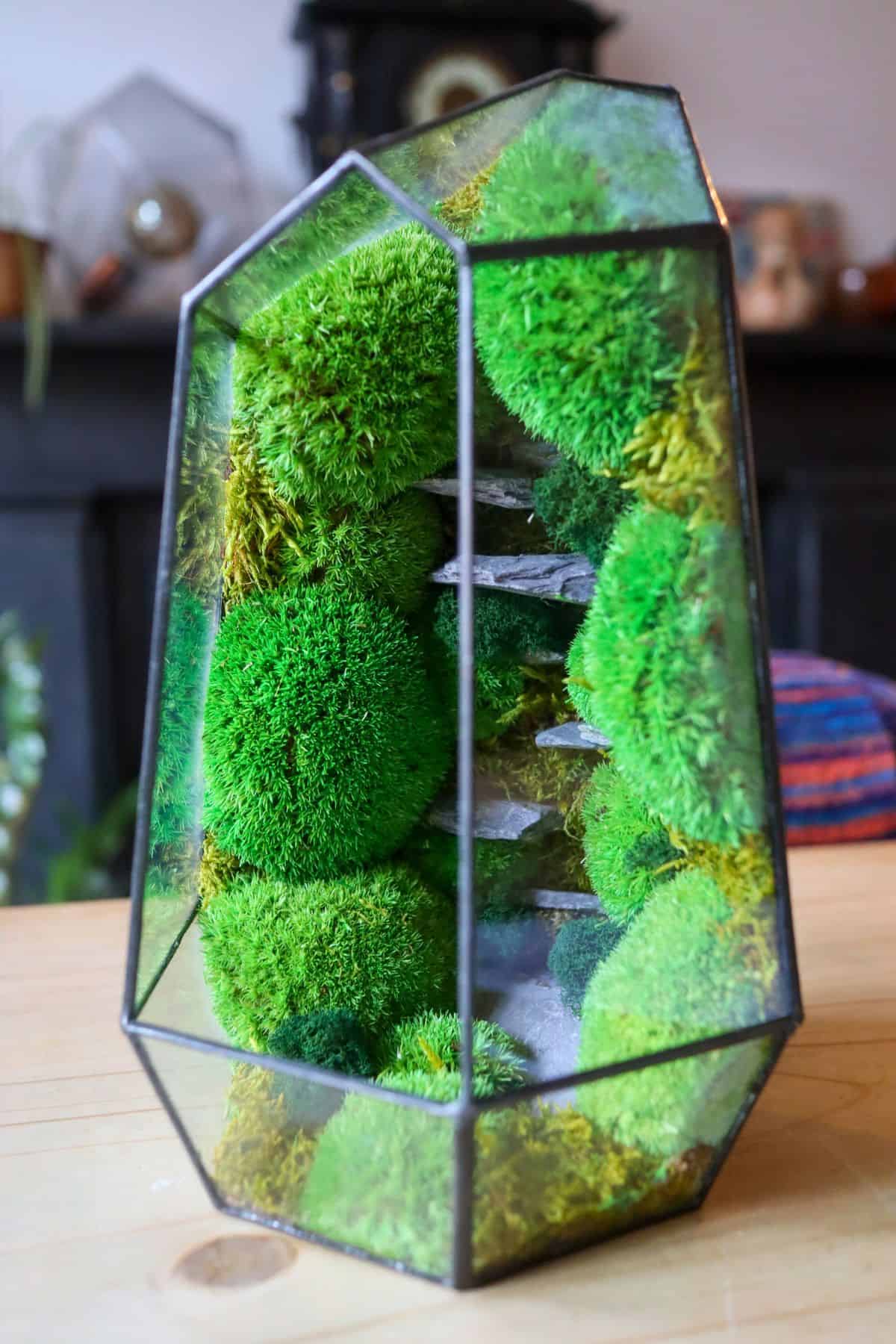
Terrariums offer a controlled environment that’s ideal for maintaining the high humidity levels required for moss to thrive. When cultivating moss in terrariums, it’s essential to understand the specific moisture and light requirements of the species you’re working with, such as sheet moss, cushion moss, and fern moss. These varieties each have unique adaptations to micro-environments that simulate their natural habitats.
To optimize moss health in your terrarium, you’ll need to ensure consistent moisture through regular misting. Moss doesn’t have traditional roots but instead absorbs water and nutrients directly through its leaves, making the ambient humidity crucial. It’s advisable to use a fine mist sprayer to avoid overwatering, which can lead to microbial growth detrimental to moss and other plants in the terrarium.
Furthermore, while moss thrives under indirect light, too much direct sunlight can quickly desiccate and damage it. Position your terrarium in a spot that receives filtered light to mimic the dappled sunlight of a moss’s natural woodland setting.
The lush, green appearance of moss adds an aesthetic of dense foliage, enhancing the visual appeal of terrariums while contributing to the overall health of the micro-ecosystem by maintaining air quality and moisture levels.
Troubleshooting Growth Issues
While maintaining proper conditions in terrariums fosters moss growth, you may still encounter issues such as browning or slow development that require careful troubleshooting.
Here’s how you can address these common challenges to successfully grow moss:
- Adjust Light and Watering:
- Browning or yellowing often indicates either too much direct sunlight or insufficient watering. Moss thrives in indirect light and consistent moisture. Gradually adjust light exposure and increase the frequency of misting, ensuring the substrate remains moist but not waterlogged. Research indicates that mosses are particularly sensitive to abrupt changes, so make adjustments incrementally.
2. Enhance Air Circulation:
- Poor air circulation can lead to mold or algae growth. To combat this, ensure your terrarium has adequate ventilation. This can be achieved by slightly opening the terrarium to allow airflow, which helps maintain optimal humidity levels and prevents the accumulation of excess moisture. Regularly check for signs of mold or algae and remove affected areas promptly to protect the moss’s health.
3. Nutrient Supplementation:
- If growth remains slow, consider a mild nutrient boost. While moss generally requires minimal nutrients, a diluted solution of liquid fertilizer designed for moss can stimulate growth when used sparingly.