
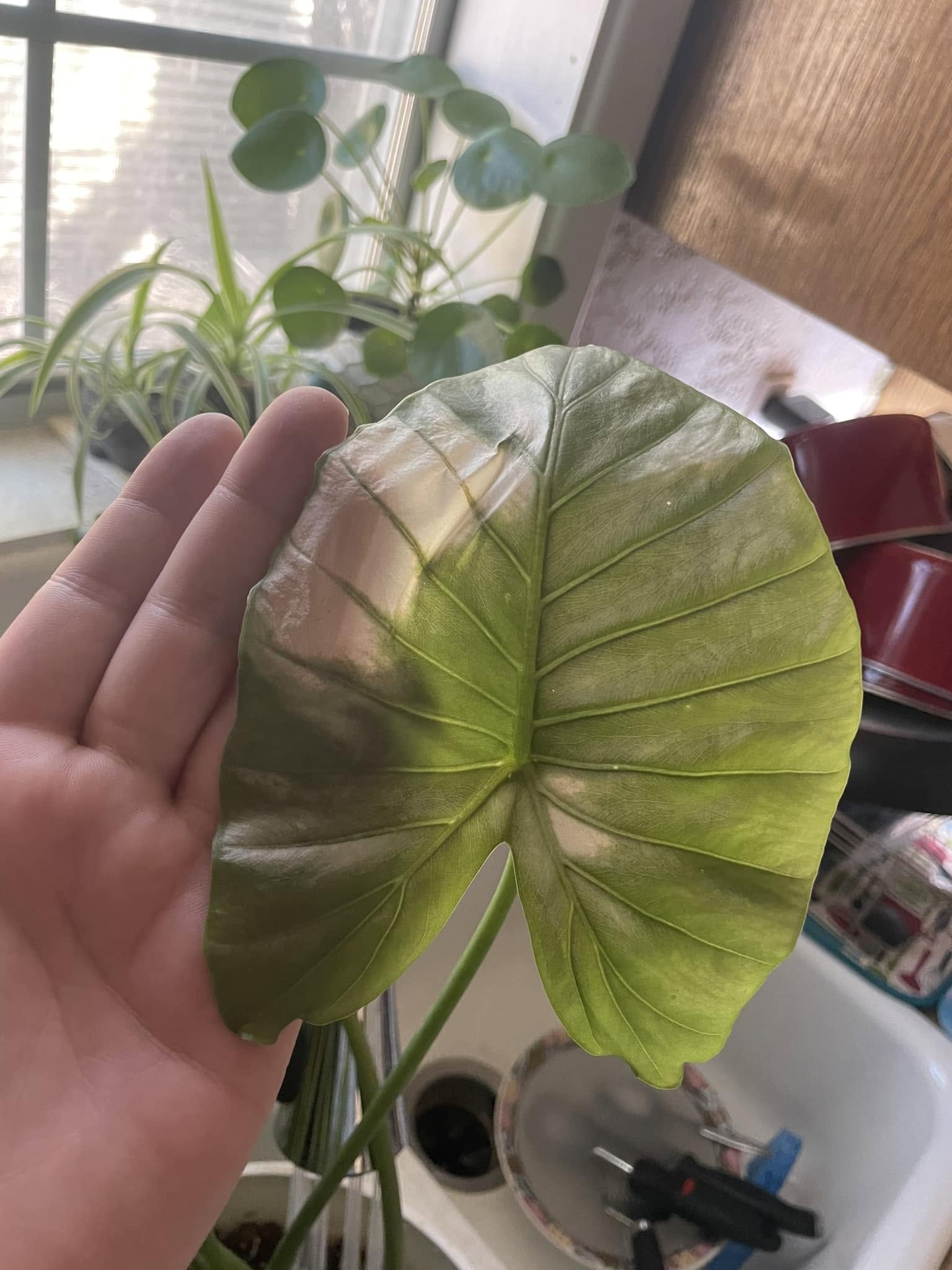
If your plant’s leaves are turning transparent or translucent, you’re facing a range of potential issues. Overwatering can lead to root rot, suffocating roots and impairing their nutrient uptake. Deficiencies in crucial nutrients like calcium and magnesium might render foliage transparent. Fungal infections, often exacerbated by poor air circulation, also impair photosynthesis and leaf structure. Additionally, excessive environmental heat disrupts metabolic processes and increases leaf transparency. Lastly, inadequate ventilation can trigger moisture-related transparency by stifling proper air exchange. Each of these factors contributes uniquely to the issue, and exploring further might offer more targeted solutions.
1. Overwatering and Root Rot

Overwatering frequently leads to root rot, where the roots become waterlogged, suffocate, and impair the plant’s ability to absorb essential nutrients, resulting in translucent or transparent leaves. When you provide excess water, it fills the air spaces in soil, leading to oxygen deprivation at the root level. This lack of oxygen not only hampers root function but also makes them vulnerable to fungal infections that further exacerbate root rot.
The symptoms of root rot, such as translucent or transparent leaves, are indicative of severe plant health deterioration. These changes in leaf texture occur because the damaged roots are unable to transport necessary nutrients and water to the above-ground parts of the plant. Consequently, the leaves start to lose their color and structural integrity, becoming almost see-through.
To mitigate this, proper watering practices are crucial. You should ensure that the soil has adequate drainage and that you’re not watering your plants more frequently than their specific needs demand. By adjusting your watering schedule and monitoring soil moisture levels, you can prevent the accumulation of excess water around the roots, thereby preserving plant health and avoiding further leaf damage due to root rot.
2. Nutrient Deficiency Impact
Why do leaves turn transparent or translucent when plants are deprived of essential nutrients? This phenomenon largely stems from disrupted chlorophyll production, crucial for maintaining the opaque, green color of healthy leaves. When you’re dealing with nutrient deficiencies, several key elements are often lacking, directly affecting plant health and leaf structure.
Here’s a breakdown of how specific deficiencies impact leaf transparency:
- Nitrogen Deficiency: Essential for chlorophyll production, a lack of nitrogen leads to pale, weak, and translucent leaves. This deficiency impedes the plant’s ability to absorb light efficiently, contributing to decreased vigor and growth.
- Calcium Imbalance and Magnesium Deficiency: Both calcium and magnesium are vital for plant cell integrity and chlorophyll synthesis. Insufficient levels result in brittle, transparent foliage where cells lose their robustness, making leaves appear almost see-through.
- Iron, Potassium, and Phosphorus Deficiency: These elements are crucial for maintaining strong cellular functions and energy transfer within the plant. Deficiencies can cause leaves to lose their color and turn translucent due to impaired nutrient transport and reduced photosynthetic activity.
Furthermore, inadequate CO2 levels and lighting conditions also play significant roles. Low CO2 can stifle photosynthesis, while improper lighting disrupts normal growth patterns, exacerbating the transparency in leaves.
3. Fungal Infections
Fungal infections frequently lead to leaves becoming translucent, a result of fungi colonizing the plant’s surface. One notable example, powdery mildew, manifests as a white to gray powder-like substance across the foliage. This ailment not only mars the plant’s appearance but also impairs photosynthetic processes, contributing to the translucent quality of the leaves.
Thriving in humid conditions, fungal infections can spread rapidly without proper intervention. You’ll find that ensuring good air circulation is pivotal. Implementing effective ventilation strategies can significantly mitigate the risk of fungal proliferation. Moreover, spacing plants adequately is crucial to prevent the interplant spread of these infections. Overcrowded gardens restrict airflow and create environments conducive to fungal growth.
To control fungal infections effectively, consider the judicious use of garden sprays formulated to combat these pathogens. These fungicides, when applied at the onset of infection, can curb the spread and minimize damage.
Regular monitoring of your plants for early signs of fungal issues, coupled with immediate response, can save your garden from severe outbreaks. Remember, proactive measures and timely interventions are key to managing the health of your plants and preventing the development of translucent leaves due to fungal infections.

4. Environmental Heat Stress
Experiencing high temperatures can cause your plant’s leaves to turn translucent due to heat stress. This phenomenon occurs when environmental factors, particularly high temperatures, disrupt the normal metabolic processes of your plants. When the heat intensifies, your plant’s ability to manage water effectively is compromised, often leading to a state where the leaves exhibit signs of transparency.
Understanding the mechanisms behind heat stress-induced transparency involves considering several critical aspects:
- Increased Transpiration: High temperatures accelerate the rate of water loss from the leaves, causing them to lose turgor pressure and appear translucent.
- Direct Sunlight Exposure: Prolonged exposure to direct sunlight exacerbates the heat stress by increasing leaf temperature and further disrupting cellular integrity.
- Metabolic Disruption: Heat stress can destabilize essential metabolic pathways, affecting chlorophyll synthesis and function, which directly impacts leaf appearance.
To mitigate these effects, providing adequate shade is crucial. Shade not only reduces leaf temperature but also moderates light exposure, thus preserving leaf integrity and appearance.
While discussing shade is pertinent, it’s also essential to consider other measures like proper ventilation, but that’s a topic for another discussion on managing leaf issues more effectively.
5. Inadequate Ventilation Effects
While shading can mitigate heat stress, addressing inadequate ventilation is also vital as stagnant air around your plants can hinder proper transpiration and exacerbate issues like edema.
Inadequate ventilation creates an environment where air doesn’t circulate freely, leading to pockets of stagnant air. This poor air circulation allows humidity and moisture to accumulate, which, in turn, increases the risk of leaf transparency due to water imbalances within the plant cells.
Moreover, the lack of sufficient airflow restricts the essential exchange of gases, such as oxygen and carbon dioxide, that plants require for photosynthesis and respiration. Such constraints not only impair plant health but also contribute to the manifestation of translucent patches on leaves.
The trapped moisture and limited airflow create a microclimate ideal for fungal growth. These fungi can further exacerbate the transparency of leaves by disrupting the normal structure and function of plant tissues.
To prevent these issues, it’s crucial to ensure that your plants are situated in an area with adequate ventilation. This will help in maintaining a balance in humidity levels and aid in the effective transpiration necessary for maintaining robust plant health.
Regularly checking for signs of poor air circulation and adjusting your plant’s environment can significantly mitigate the risk of leaf transparency.