

Kick off spring with a mower tune-up—change the oil, replace the spark plug, and sharpen the blade to ensure a clean cut. Clear out debris and thatch to let your lawn breathe and absorb nutrients effectively. Test the soil and amend it with lime or aluminum sulfate depending on its pH. Aerate compact areas to improve root penetration and water retention. Apply a pre-emergent weed control and follow up with a high-quality, slow-release fertilizer tailored to your lawn’s needs. Set your mower to the right height, water efficiently, and stay vigilant for pests. There’s more to explore to keep your lawn pristine!
1. Tune Up Your Mower

Before you tackle your lawn this spring, make sure to tune up your mower by changing the oil, spark plug, and air filter for optimal performance. This isn’t just about keeping your lawn mower running; it’s about ensuring it works efficiently every time you start it up.
Let’s break down these steps to keep your mower in top shape.
First, perform an oil change. Old oil can accumulate debris and contaminants that wear down your engine. Drain the old oil, replace it with fresh oil that meets your mower’s specifications, and you’re off to a good start.
Next, swap out the old spark plug. A new spark plug ensures reliable ignition and can significantly improve your mower’s starting mechanism.
Don’t forget the air filter—a clean filter allows your engine to breathe easier, enhancing performance and fuel efficiency. Replace any dirty or worn filters to prevent engine strain.
Now, pour fresh gasoline into your mower. Stale fuel can cause starting difficulties and might harm the engine.
After fueling, move on to the mower blade. Check it for sharpness and balance; a dull blade tears grass, reducing mowing efficiency.
Lastly, clean the underside of your mower deck. This prevents grass build-up which can obstruct movement and decrease mowing efficiency.
2. Clear Debris and Thatch
After tuning up your mower, you’ll want to clear away any debris and thatch to ensure your lawn has the best environment for healthy growth. Start by using a rake to remove fallen leaves, dead grass, and other debris. This not only cleans your lawn but also prevents diseases and pests that thrive in cluttered environments.
Thatch, a layer of dead turfgrass, can seriously hinder your lawn’s health if it’s thicker than 1/2 inch. It blocks nutrient absorption and reduces air circulation, critical for robust growth. Here’s how to tackle it effectively:
- Identify Problem Areas: Look for matted patches that might indicate the presence of snow mold or thick thatch.
- Dethatch Properly: Use a flexible leaf rake or a specialized dethatching tool to remove thatch, ensuring you don’t damage healthy grass.
- Enhance Growth Conditions: Clearing thatch improves sunlight exposure and air circulation, essential for the upcoming growing season.
Regular dethatching helps prevent disease by keeping the soil healthy and breathable. By maintaining these practices, you’re setting the stage for a lush, vibrant lawn that’s not only beautiful but also resilient against common lawn problems.
3. Test and Amend Soil

Understanding your lawn’s soil pH is crucial; if it’s too acidic, you’ll need to add lime, and if it’s too alkaline, aluminum sulfate can help balance it out.
Ensuring the pH is near neutral, where grass thrives best, is key to a robust lawn.
Additionally, based on your soil test results, incorporating the right nutrients can significantly enhance your grass’s health and growth.
Soil Ph Importance
To ensure your lawn reaches its full potential, it’s essential to test and adjust your soil’s pH level. Understanding whether your soil is acidic, neutral, or alkaline sets the stage for optimal grass growth and nutrient absorption.
Here’s how you can keep your lawn’s health at its peak:
- Test Your Soil’s pH: You can use a home testing kit or seek professional testing to determine your soil’s pH. This step is crucial to identify whether your soil is acidic (below 7), neutral (7), or alkaline (above 7).
- Identify Necessary Amendments: If your soil is acidic, sprinkling garden lime can help balance it. Conversely, for alkaline soil, mixing in compost or organic matter can lower the pH to a more desirable level.
- Monitor and Adjust Regularly: Even after initial adjustments, soil pH can shift due to factors like rainfall and fertilizer use. Regular testing and amending, at least annually, ensure ongoing optimal conditions for your lawn.
Adding Essential Nutrients
Once you’ve assessed your soil’s pH, it’s time to focus on replenishing it with the necessary nutrients for a lush, healthy lawn. If you’ve found that your soil is acidic, you’ll need to add lime to raise the pH level, which can significantly enhance grass growth. For alkaline soil, incorporating compost can improve its structure, increase organic matter, and help in retaining essential nutrients.
Based on your soil test results, choose fertilizers that specifically cater to the needs of your soil. Fertilizers are crucial as they provide your lawn with essential nutrients like nitrogen, phosphorus, and potassium, which are vital for robust growth and greenery.
Here’s a handy table to guide you in choosing the right soil amendments:
| Soil Condition | Amendment | Benefit |
|---|---|---|
| Acidic Soil | Lime | Raises pH level, enhances grass growth |
| Alkaline Soil | Compost | Adds organic matter, improves nutrient retention |
| Low Nitrogen | Nitrogen-based Fertilizer | Boosts greenery and growth |
| Low Phosphorus | Phosphorus-based Fertilizer | Enhances root development |
| Low Potassium | Potassium-based Fertilizer | Increases disease resistance |
4. Aerate Your Lawn

Aerating your lawn in spring is essential to break up compacted soil, enhancing air, water, and nutrient flow to your grass’s roots. This annual task is crucial, especially in areas with clay-heavy soil or high foot traffic that can severely impact your lawn’s health and appearance.
By choosing to aerate your lawn, you’re setting the stage for improved grass root health and encouraging new grass growth. A core aerator is your best tool for this job; it mechanically removes small plugs of soil, which helps reduce soil compaction and prevent thatch buildup.
Here’s how you can effectively aerate your lawn:
- Identify the Need: Walk around your lawn and check for hard, compacted areas, especially where there’s heavy foot traffic or clay soil.
- Choose the Right Tool: Rent or purchase a core aerator. This tool is superior for aerating because it extracts soil cores to alleviate compaction.
- Aerate at the Right Time: Aim for a cool, moist day in spring. This makes the soil easier to penetrate and reduces stress on your grass.
5. Apply Pre-emergent Weed Control
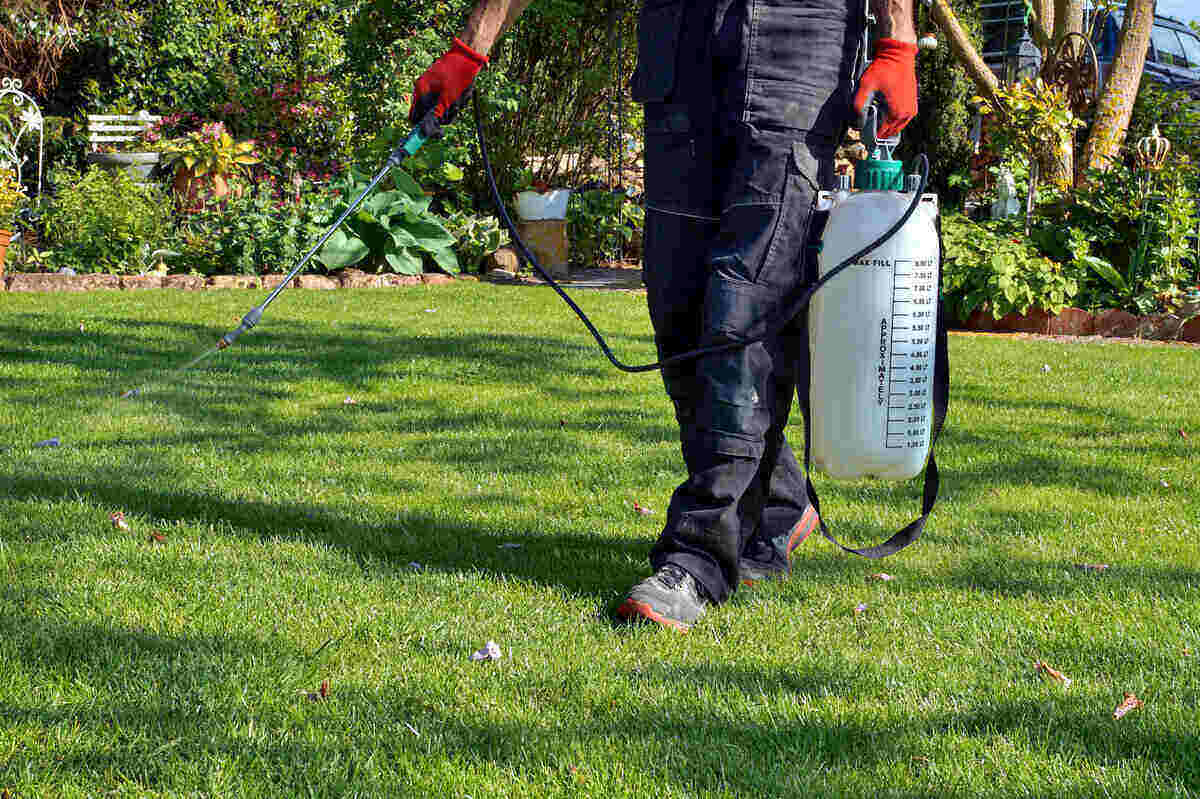
Start applying pre-emergent herbicides in early spring to effectively prevent weed seeds from germinating in your lawn. Timing is crucial; you’ll want to target before soil temperatures consistently hit 55-60 degrees Fahrenheit. This is when weed seeds start sprouting.
By applying at the right time, you create an invisible barrier in the soil that stops these seeds from establishing themselves.
Choosing the right pre-emergent herbicide is key. Look for products specifically labeled for the weeds common to your area. Each product has unique application instructions, so follow them closely to ensure you’re laying down an effective barrier.
This strategic approach not only blocks weed seeds but also significantly reduces your future workload.
6. Overseed Bare Spots
:max_bytes(150000):strip_icc()/repair-bare-patch-on-lawn-2153035-hero-01-a629a49f75964418b9ee88a50a601391.jpg)
First, you’ll need to identify the problem areas in your lawn where grass is sparse or missing. Once you’ve pinpointed these spots, choosing the right seed is crucial; make sure it matches your current lawn’s grass type to ensure it blends in and thrives.
Proper seed selection not only enhances the aesthetic appeal but also strengthens your lawn’s overall health and resilience against pests and diseases.
Identify Problem Areas
To tackle bare spots in your lawn, closely inspect for areas showing thin or no grass growth. Spring is the perfect time to address these issues head-on and restore your lawn’s lush, even appearance.
Here’s how you can effectively overseed those problematic bare spots:
- Identify the Bare Spots: Walk through your lawn and mark areas where grass is sparse or missing. These spots often occur due to high foot traffic, pet damage, or shadow from large trees.
- Prepare the Soil: Before overseeding, it’s crucial to loosen the soil in these bare spots. This can be done using a rake or a hand tiller. Removing any weeds or debris is also essential to ensure that the new seeds have the best environment for growth.
- Overseed and Water: Spread the matching grass seed evenly across the prepared areas. After seeding, water these spots frequently. Keeping the soil consistently moist is key to helping the new seeds germinate and establish well.
Choosing Right Seed
Once you’ve identified and prepared your bare spots, selecting the right seed is your next step to ensure a vibrant, uniform lawn. It’s crucial to choose grass seed that matches your existing lawn type. This will help maintain a seamless look and avoid patches of mismatched grass. Go for high-quality seed blends that are specifically designed for your climate, soil type, and the amount of sun exposure your yard receives. This tailored approach guarantees better growth and resilience against local conditions.
After picking the right seed, it’s time to overseed those bare spots. Sprinkle the seed evenly, ensuring good seed-to-soil contact, which is key for germination. You can improve this contact by lightly raking the area before sowing. Then, cover the seeds with a fine layer of topsoil or compost. This not only protects the seeds but also keeps them in place.
7. Fertilize for Growth
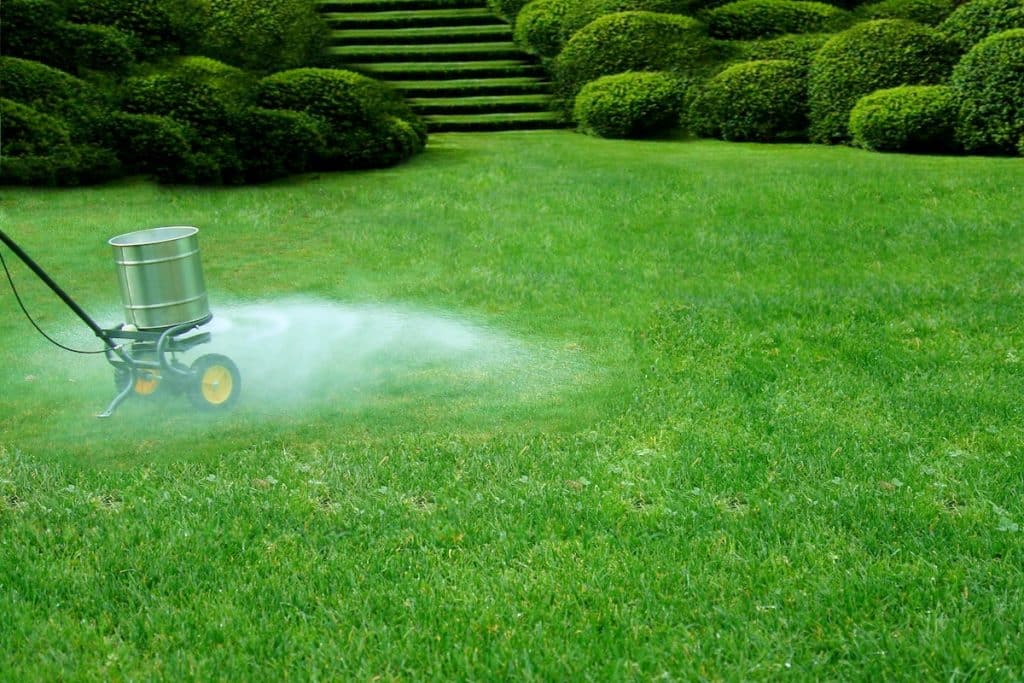
Applying a slow-release fertilizer with a balanced NPK ratio in early spring boosts your lawn’s health by providing essential nutrients. This is a vital step in your spring lawn care tips to ensure lush, vibrant grass growth. The right nitrogen fertilizer not only fuels the green lushness you aspire to but also supports root development which is crucial during the active growing phases of your grass.
Here’s how to optimize your fertilization approach:
- Choose the Right Formulation: Opt for a fertilizer that has a balanced NPK ratio. This means it contains equal parts nitrogen, phosphorus, and potassium, which work together to promote healthy grass growth and root development.
- Time It Right: Apply the fertilizer in early spring. This timing takes advantage of the grass’s natural growth spurt and ensures the nutrients are used effectively rather than being washed away by rain or evaporating.
- Avoid Over-Fertilizing: Stick to the recommended application rates. Over-fertilizing can lead to excessive growth, making your lawn more susceptible to diseases and pests. It also increases the risk of nutrient runoff into nearby waterways, which can be harmful to the environment.
8. Mow at the Right Height
:max_bytes(150000):strip_icc()/spring-lawn-care-2132455-09-df14429ef98948e69439952f6e7287fa.jpg)
Mowing your lawn at the correct height significantly enhances its health and appearance. It’s essential to know your specific grass type, as this determines the optimal mowing height.
For cool-season grasses like Kentucky bluegrass and fescue, maintain a height of 2.5 to 3.5 inches. This taller blade length encourages deep root growth, which helps your turf access water and nutrients more efficiently, and shades out emerging weeds.
Conversely, warm-season grasses such as Bermuda grass and Zoysia thrive best when mowed at a lower height of 1 to 2 inches. This practice helps maintain vigor and prevent thatch buildup, which can choke out healthy grass.
Regardless of the type, never remove more than one-third of the grass blade length in a single mow. Cutting too much at once can stress the grass, making it susceptible to pests and diseases.
Additionally, ensure your mower blades are sharp and set to the correct cutting height for your lawn’s specific needs. Dull blades tear the grass, leading to a ragged appearance and increased susceptibility to diseases.
9. Water Efficiently
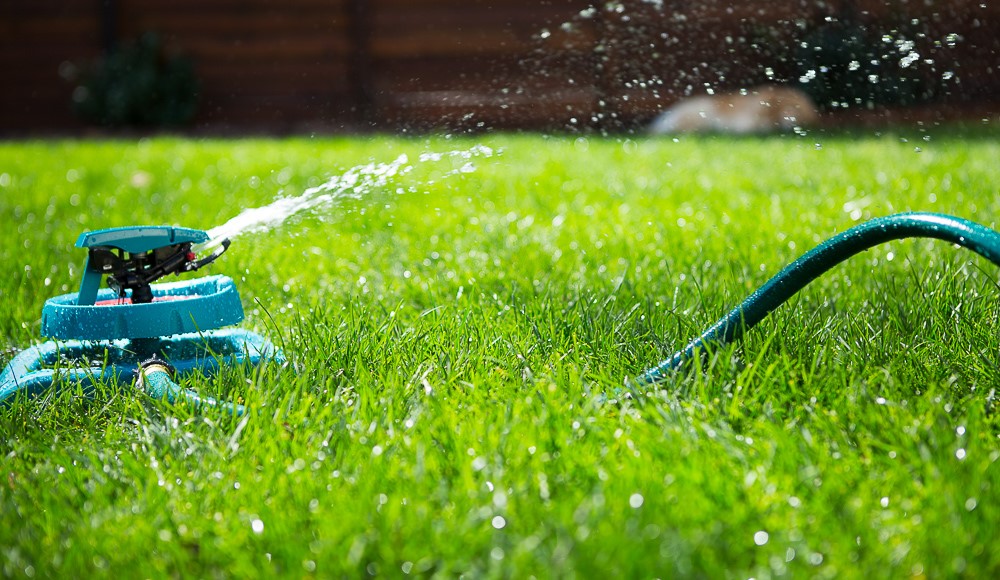
To ensure your lawn thrives, water deeply and infrequently, promoting robust root growth and better drought resistance. This method not only helps develop a resilient lawn but also conserves water and prevents common issues associated with overwatering.
Here are three practical tips to water your lawn efficiently:
- Measure Water Intake: Use a rain gauge to ensure your lawn receives about 1 inch of water per week, including rainfall. This helps prevent overwatering, which can lead to shallow root systems and increases susceptibility to diseases.
- Optimal Watering Time: Water early in the morning to reduce evaporation and allow the grass to dry before nightfall. This timing helps maximize water absorption and prevents fungal growth, keeping your lawn healthy and strong.
- Deep Watering Technique: Aim to water deeply rather than frequently. This encourages deep root growth, enhancing drought resistance. Deep watering means allowing the water to penetrate several inches into the soil, which promotes a healthier and more drought-resistant lawn.
10. Monitor and Control Pests
How can you identify and control common pests that threaten the health of your lawn during spring?
Start by regularly inspecting your lawn for signs of pests. Look for yellowing grass, chewed leaves, or visible insects such as grubs, chinch bugs, and armyworms. Early spring is crucial for implementing preventive measures. Using a soil test can help you understand your lawn’s needs, which is vital for effective pest control.
Integrated pest management (IPM) should be your go-to approach. This means employing a combination of methods like introducing beneficial insects that naturally prey on lawn pests. Organic treatments are also worthwhile options, minimizing harm to the environment while tackling those pesky intruders.
Don’t forget about cultural lawn care tasks. Properly timed activities like overseeding, dethatching, and applying the right type of fertilizer can significantly bolster your lawn’s health, making it less inviting to pests.
A pre-emergent weed preventer early in the season can curb the growth of weeds and crabgrass, reducing competition and stress on your grass, indirectly deterring pests.
If you’re unsure about pest identification or the best treatment, consult with local extension services or a professional in pest control. They can offer tailored recommendations based on your specific lawn conditions.