

I’ve discovered that using sand as mulch offers some compelling benefits, notably in improving moisture management and deterring pests like slugs. Sand helps reduce water evaporation, allowing deeper watering crucial for strong root growth. While it doesn’t boost soil nutrients like organic mulch, mixing it with compost can enhance its efficacy. It’s also aesthetically pleasing, adding a bright, clean look to your garden. However, keep in mind that sand requires regular maintenance to avoid compaction and nutrient leaching. If you’re intrigued by how these features affect diverse gardening environments, I’ve gathered more insights on its optimal use and effects.
Sand vs. Traditional Mulch

When comparing sand to traditional organic mulches, several distinct differences emerge that can affect your gardening decisions.
Sand, primarily a mineral content, drastically reduces evaporation from soil, effectively preserving moisture crucial for seeds. However, unlike organic mulches like bark or straw, which enrich the soil with nutrients as they decompose, sand lacks in providing essential organic matter. This necessitates the periodic addition of nutrients to maintain soil health.
Furthermore, while sand allows water to quickly reach lower soil layers, organic mulches tend to retain moisture at the surface, sometimes leading to waterlogged conditions. Additionally, while sand can deter certain pests such as slugs and snails, it doesn’t attract the beneficial insects and microorganisms that organic mulches do, which are vital for a thriving garden.
For those considering alternatives to organic mulches, using wood ash can offer some nutrient supplementation, particularly in potassium and calcium, which are beneficial for plant health and soil structure.
Soil Quality Comparison
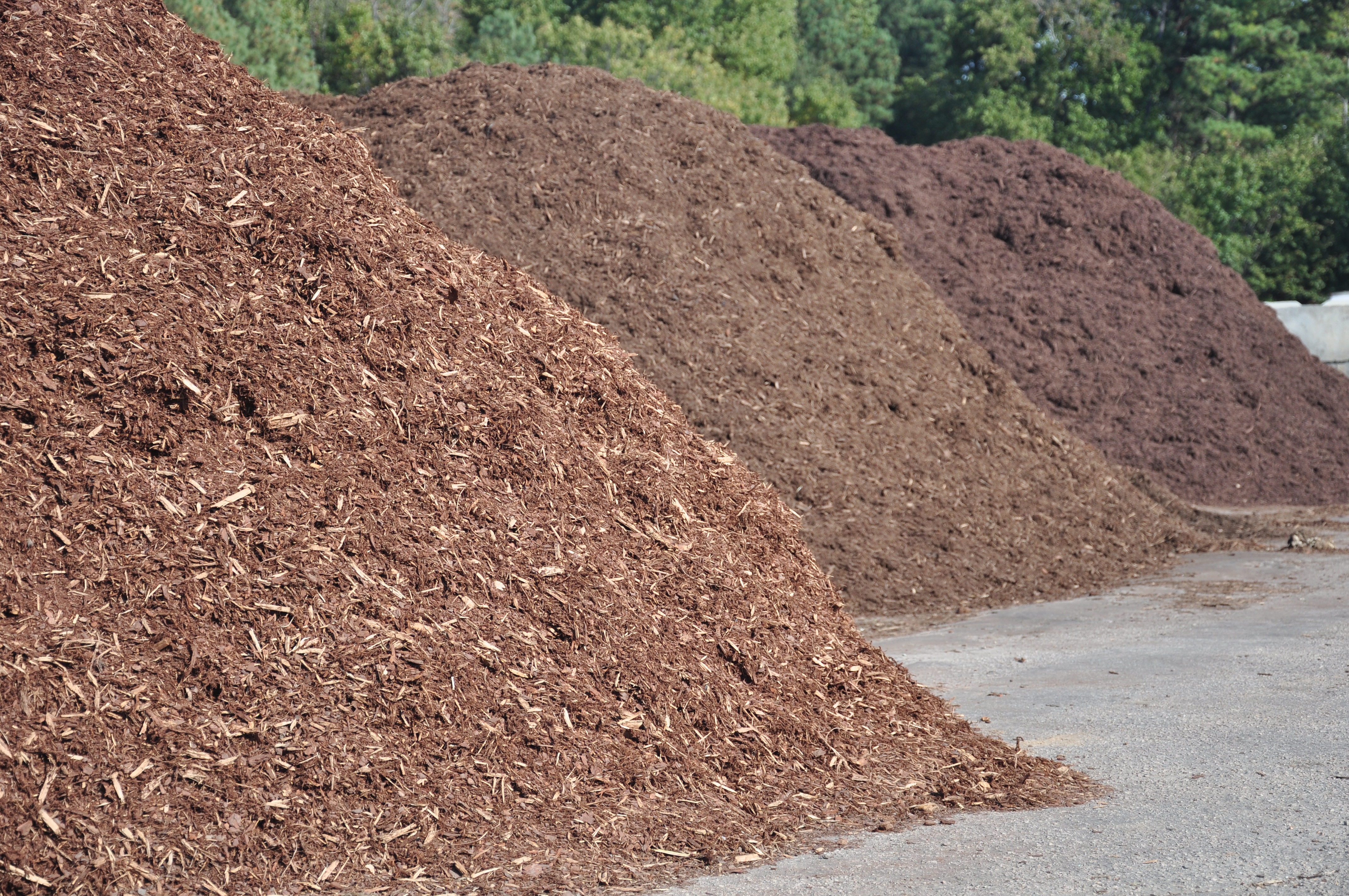
One can quickly notice that using sand as mulch doesn’t enhance soil quality over time. Unlike organic mulches, sand lacks the essential nutrients necessary for healthy plant growth.
It also fails to contribute organic matter, which is crucial for improving soil fertility and fostering beneficial microorganisms. In contrast, worm castings and compost provide rich nutrient content and beneficial microbes that significantly enhance soil health.
Healthy soil relies heavily on its organic content and biodiversity, elements absent in sandy environments. Furthermore, while organic mulches decompose and enrich the soil, sand can create conditions favorable for harmful nematodes, hindering long-term soil productivity.
It’s clear that for anyone aiming to improve their garden’s soil health, opting for organic mulch over sand as mulch is a more effective choice.
Water Management Techniques
While using sand as mulch may not boost soil nutrients, it does offer distinct advantages in water management. Sand’s ability to reduce evaporation helps preserve moisture critical for seed germination.
Yet, it’s crucial to note that dry sand may become water-repellent, potentially restricting water access to plants. By allowing water to penetrate quickly to the lower soil layers, sand supports deeper watering which is vital for robust root development.
Its reflective properties, however, can raise soil temperatures, affecting moisture retention and plant health in warmer climates. To counteract this, mixing sand with compost can enhance water percolation, maintaining the water needs of plants more effectively, especially in diverse conditions like deserts or cooler regions.
Additionally, understanding effective drainage strategies, such as the use of raised garden beds with drilled holes, can inform better sand utilization, preventing waterlogging and promoting healthier plant roots.
Maintenance Needs
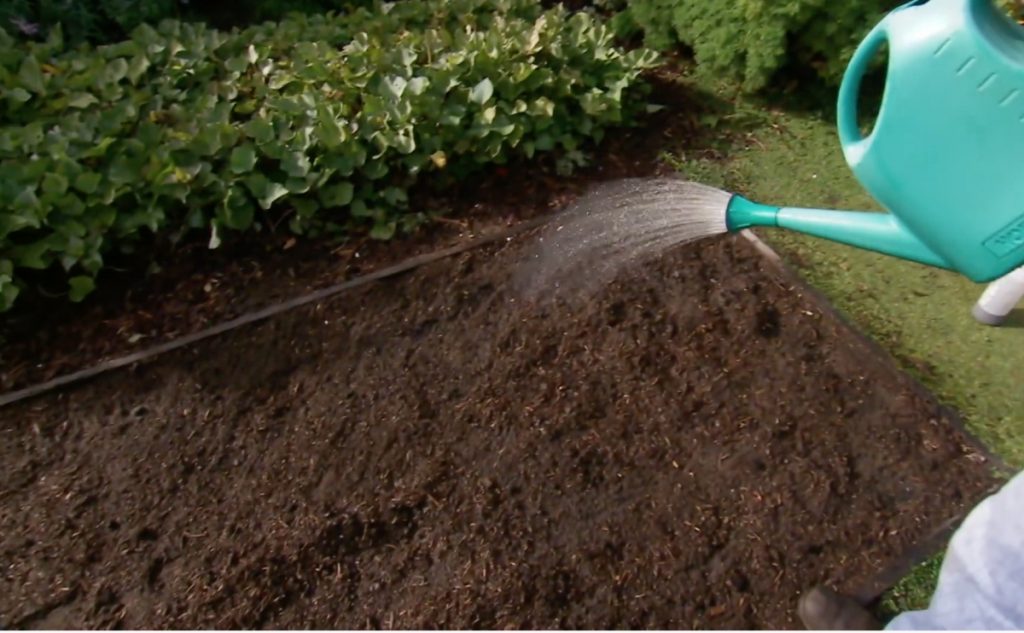
Despite its benefits for water management, sand as mulch demands regular maintenance to preserve its effectiveness and appearance.
You’ll need to clean it often to prevent the accumulation of dirt and organic materials. I’ve found that after storms or windy days, sand tends to scatter, necessitating periodic replenishment to maintain the desired depth and coverage.
Additionally, during rainy seasons, the likelihood of weed growth increases, so you should be prepared for some extra weeding.
To reduce how often you need to add fresh sand, I recommend using a layer of traditional mulch underneath. This strategy also helps retain soil moisture and boosts soil health.
Aesthetic Considerations
Sand not only functions effectively as mulch but also enhances the visual appeal of garden landscapes. Its light hue can transform your garden into a brighter, more open space, reflecting sunlight beautifully.
Imagine walking through a garden that mimics a beach’s aesthetic, with sand pathways providing a clean, modern contrast to the vibrant colors of your plants. You can also choose from various types of sand—colored, decorative—to perfectly align with your landscaping themes.
Moreover, layering sand with decorative rocks or organic mulches can introduce exciting textures and patterns, making your garden not just a place of natural beauty but also a canvas for your artistic expression.
Isn’t it remarkable how sand can so dramatically accentuate your outdoor space?

Soil Composition Insights
Understanding soil composition is crucial for any gardener aiming to optimize plant health and garden productivity. The intricate balance of minerals, organic matter, and textures like sand significantly influences how well your plants will thrive.
Here’s what you should know about soil components:
- Sand’s role: Enhances soil drainage and aeration but needs careful management to prevent nutrient leaching.
- Organic matter: Vital for retaining moisture and nutrients, fostering a thriving micro-ecosystem conducive to plant growth.
- Texture balance: The right mix of sand, silt, and clay is essential for optimal structure, preventing issues like waterlogging or excessive dryness.
Grasping these elements helps you understand the long-term commitment of nurturing soil, given its slow formation and critical role in environmental sustainability.
Impacts on Biodiversity
Mulch plays a pivotal role in maintaining soil health, yet opting for sand can significantly reduce biodiversity beneath the surface.
Sand fails to support the diverse microbial life that enriches healthy soil, crucial for nutrient cycling and strong plant growth. Using sand as mulch tends to favor harmful nematodes while failing to sustain beneficial microorganisms, which can seriously impact plant resilience.
Unlike organic mulches that decompose and enrich soil fertility, sand lacks these capabilities. In areas with sandy soils, adding more sand can worsen water repellency issues, further reducing the habitat for essential soil organisms.
The absence of organic matter in sand leads to lower biodiversity levels, undermining the balanced ecosystem vital for sustainable agricultural productivity.

Regional Mulching Variations
Climate variability plays a crucial role in determining the effectiveness of using sand as mulch across different regions.
Here’s how different climates impact sand’s performance as mulch:
- Humid Subtropical Zones: Increased moisture can lead to weed infestations, and sand mightn’t retain enough moisture, complicating its use.
- Coastal Areas: Sand can support certain plants by preventing salt accumulation, yet it requires careful management to avoid harming plant health.
- Desert Regions: Sand reduces water evaporation effectively but can also reflect intense heat, which might stress plants under extreme temperatures.
Choosing sand for mulching must consider these regional specifics to optimize its benefits while mitigating potential drawbacks.
It’s not just about using sand; it’s about using it wisely depending on your local environment.
Organic Mulch Benefits
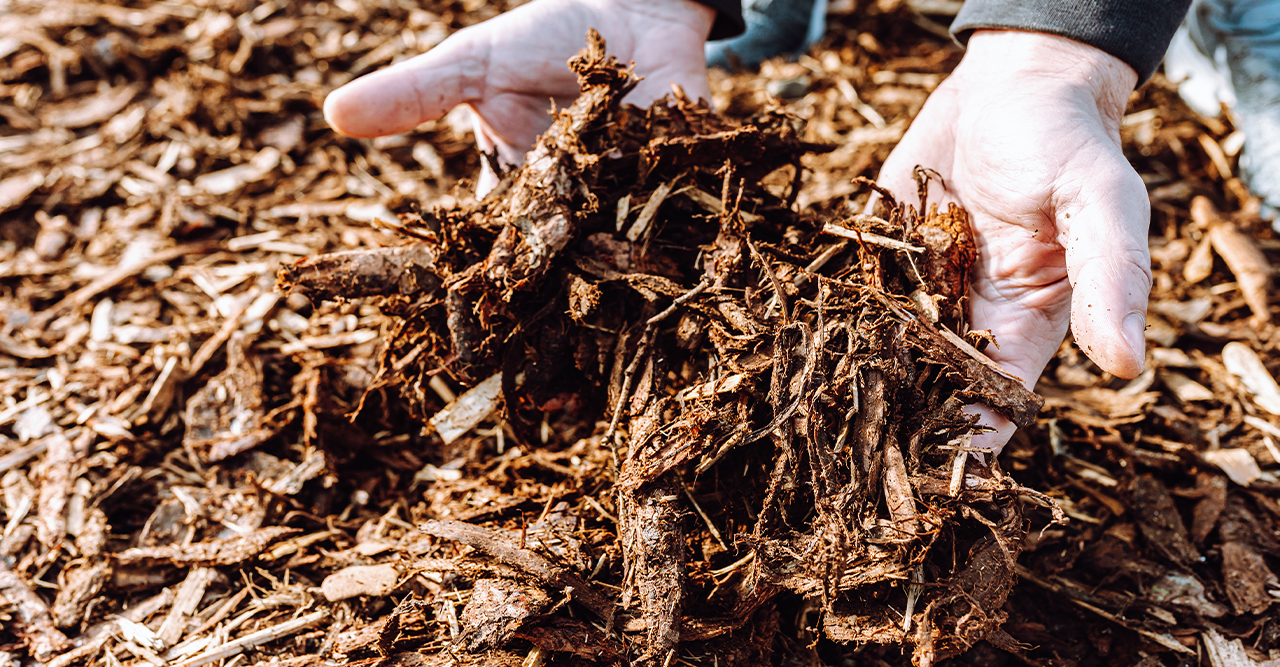
While exploring the regional specificities of using sand as mulch, it’s equally important to appreciate the advantages of organic mulches.
Organic mulch, made from natural materials like leaves and grass clippings, not only enriches the soil structure but also boosts its fertility as it decomposes. This decomposition process releases essential nutrients that are crucial for plant growth.
Moreover, organic mulch retains moisture, stabilizing soil temperatures and reducing the frequency of watering, which is especially beneficial for moisture-loving plants. It also suppresses weed growth by blocking sunlight, which decreases weed germination and makes removal easier.
However, since organic mulch breaks down over time, it requires regular replenishment to maintain its benefits, supporting a sustainable garden ecosystem.
Inorganic Mulch Overview

Inorganic mulches, including materials like sand, rocks, and rubber mats, serve not just aesthetic purposes but also play a practical role in garden management.
Sand, in particular, is favored for certain plants that thrive in well-drained conditions. It’s crucial to use clean, uncontaminated sand to avoid introducing harmful substances to your garden.
Here are a few reasons why you might consider sand as a mulch:
- Improved Drainage: Sand aids in soil aeration, preventing waterlogging and root rot.
- Weed Control: It forms a barrier that can suppress weed growth, keeping your garden neat.
- Stability: Unlike organic mulches, sand doesn’t decompose, which means less frequent replenishment.
Choosing the right type of sand can make a significant difference in your gardening success.
Different Mulch Types

Exploring different mulch types offers a clear pathway to optimizing garden health and aesthetics.
Organic mulches like leaves and grass clippings enrich the soil as they break down, enhancing its structure and fertility while retaining moisture. However, they need regular replenishing.
In contrast, inorganic options such as rock mulch are more durable and require less upkeep but don’t boost soil fertility and are poor at moisture retention.
Interestingly, sand, often categorized under inorganic mulches, can be a practical choice in specific scenarios, providing good drainage and reflecting heat away from plant roots.
Yet, it’s crucial to balance its use to avoid soil compacting and reduced air exchange, aspects I’ll delve deeper into later.
Each mulch type has its unique set of benefits and limitations, tailored to different gardening needs.
Understanding Soil and Sand
Delving into the core differences between soil and sand, it’s crucial to recognize that soil, a vital component for plant growth, is a rich blend of minerals, organic matter, and living microorganisms.
Sand, consisting mainly of small rock particles, lacks the nutrients essential for plants.
Here are a few key points to remember:
- Texture and Drainage: Sand particles are larger, enhancing soil drainage, while clay particles are smaller and retain moisture.
- Soil Health: A mix of sand, silt, and clay optimizes soil texture and functionality. Pure sand doesn’t support plant health effectively.
- Usage in Gardening: Adding sand to soil can be tricky. It’s important to use clean, appropriate types of sand to avoid creating compact layers that hinder growth.
Future Gardening Trends
As we look toward the future, sustainable gardening practices are becoming increasingly important. The use of sand as mulch isn’t just a trend but a practical solution for healthier gardens.
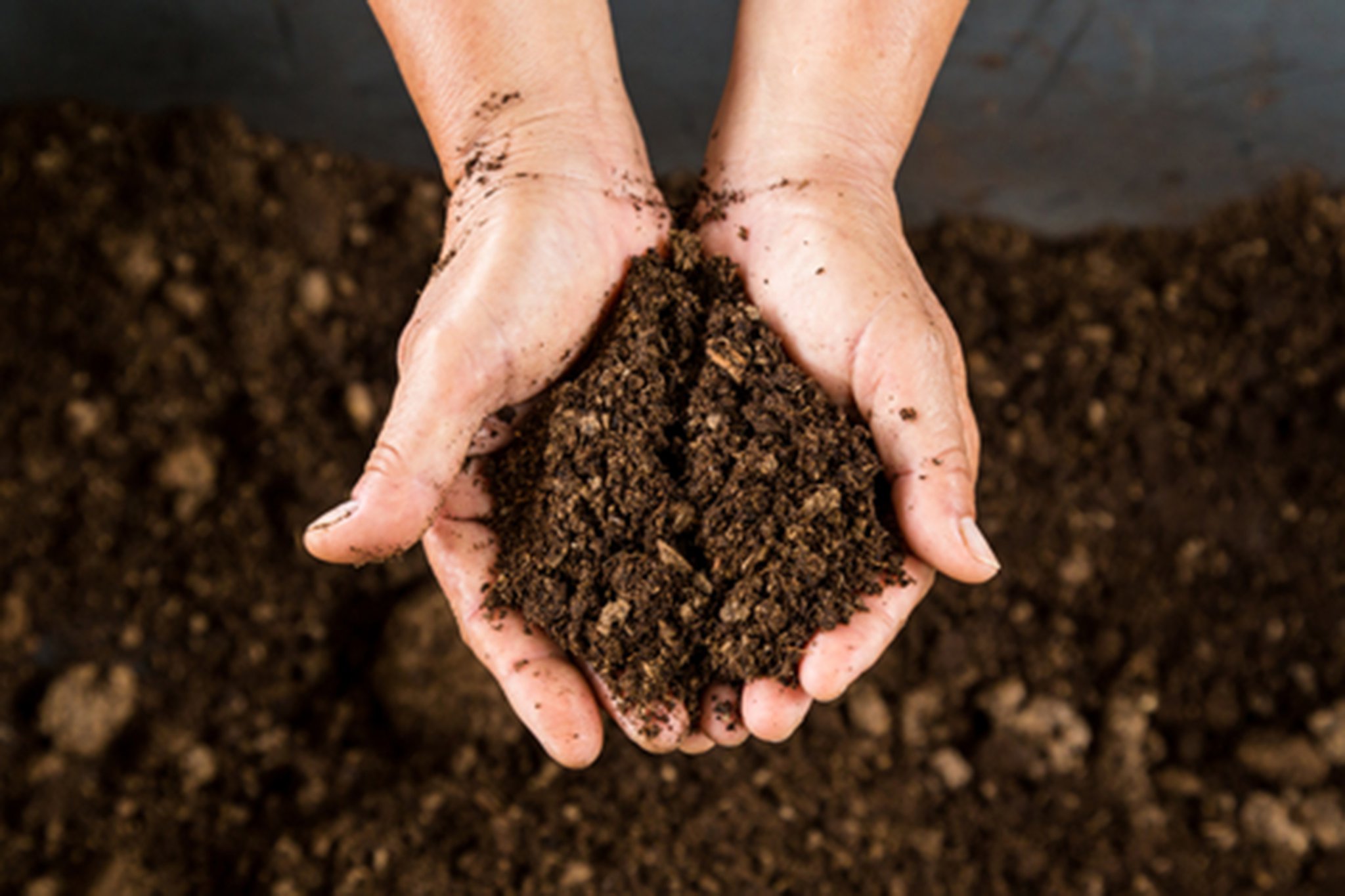
Mixing sand with organic amendments is proving beneficial for soil health and moisture retention. This technique enhances drainage and aeration, especially in regions with heavy rainfall, allowing specific plants to thrive by preventing waterlogged roots.
Moreover, sand’s ability to reduce evaporation is integral in drought-resistant gardening. It supports deeper root systems, crucial for plant resilience.
Community gardens are exploring the perfect sand-to-compost ratios, sharing insights that help us all grow. Research into sand’s impact on soil temperature offers exciting possibilities for climate-responsive gardening, making our green spaces more sustainable and efficient.