

I’ve found that using crushed concrete as mulch can be quite effective, especially if you’re eco-conscious and budget-wise. It’s cheaper than many alternatives and terrific for drainage and weed suppression. But let’s not overlook the downsides; it doesn’t offer any nutrients to your soil and can even lead to compaction, which might harm plant roots over time. Plus, if not sourced carefully, there’s a risk it could leach harmful chemicals into your soil. It’s clear that while it supports waste reduction by reusing materials, its environmental impact isn’t purely positive. I think you’ll find there’s more to consider about how it affects plant health and soil quality.
Benefits of Crushed Concrete
Crushed concrete mulch offers a smart, eco-friendly alternative to traditional garden mulches. One of the key benefits of using crushed concrete is its cost-effectiveness, primarily because it’s often sourced from recycled materials. This not only saves you money but also reduces landfill waste.
When it comes to plant growth, the porous nature of crushed concrete improves drainage and prevents water pooling, which is crucial for healthy root development. Additionally, it enhances soil moisture retention, which means you’ll need to water your plants less frequently.
This mulch also suppresses weed growth effectively and is fireproof, adding an extra layer of safety in areas prone to wildfires. Given its robust structure, crushed concrete may offer some resilience against invasive species like Japanese Knotweed, although it’s not a definitive solution for such aggressive plants.
All in all, crushed concrete is a practical choice for eco-conscious gardeners.

Drawbacks of Crushed Concrete
Despite its many benefits, incorporating crushed concrete as mulch presents several significant drawbacks.
One major issue is the compaction of soil beneath the dense material, which impedes water absorption and root growth. This is especially problematic in planting beds where healthy root development is crucial.
Additionally, unlike organic options such as grass clippings, crushed concrete doesn’t enrich the soil with nutrients, potentially degrading soil health over time.
Its high density can also trap debris, complicating cleanup and inadvertently fostering weed growth.
Moreover, removing this type of mulch proves labor-intensive due to its weight and tendency to integrate with the soil, posing a challenge for gardeners.
Lastly, it may not suppress weeds as effectively as organic options, limiting its utility in landscaping.
Applications of Crushed Concrete
While many focus on its drawbacks, crushed concrete has numerous practical applications that contribute positively to both construction projects and environmental sustainability.
It’s often used as a base material for roads and driveways, not only because it’s durable but also due to its cost-effectiveness, typically being 20-30% cheaper than new concrete.
In landscaping, it doubles as decorative gravel and aids in erosion control by providing a stable surface, similar to stones acting as natural barriers against soil erosion.
Additionally, as a fill material, it can stabilize uneven ground and fill voids.
For commercial uses, it’s ideal for parking lots and roads, thanks to its excellent drainage properties and low maintenance requirements.
When used as a pavement subbase, it ensures a strong foundation, enhancing the structural integrity of asphalt and concrete pavements.

Environmental Impact
The environmental benefits of using crushed concrete as mulch are significant, particularly in terms of waste reduction. By repurposing debris from demolished structures, we’re not only clearing landfill space but also significantly cutting down on the energy and resources typically consumed in producing new concrete. This practice supports a more sustainable construction cycle, minimizing our ecological footprint.
Moreover, crushed concrete can enhance soil health by improving drainage and aeration, fostering better plant growth.
However, there are drawbacks. Its overuse can exacerbate urban heat islands, affecting local biodiversity and raising temperatures in city environments.
It’s also vital to ensure the crushed concrete is sourced from reputable providers to avoid chemical leaching into the soil, which can harm the ecosystem.
Benefits and Aesthetic Value
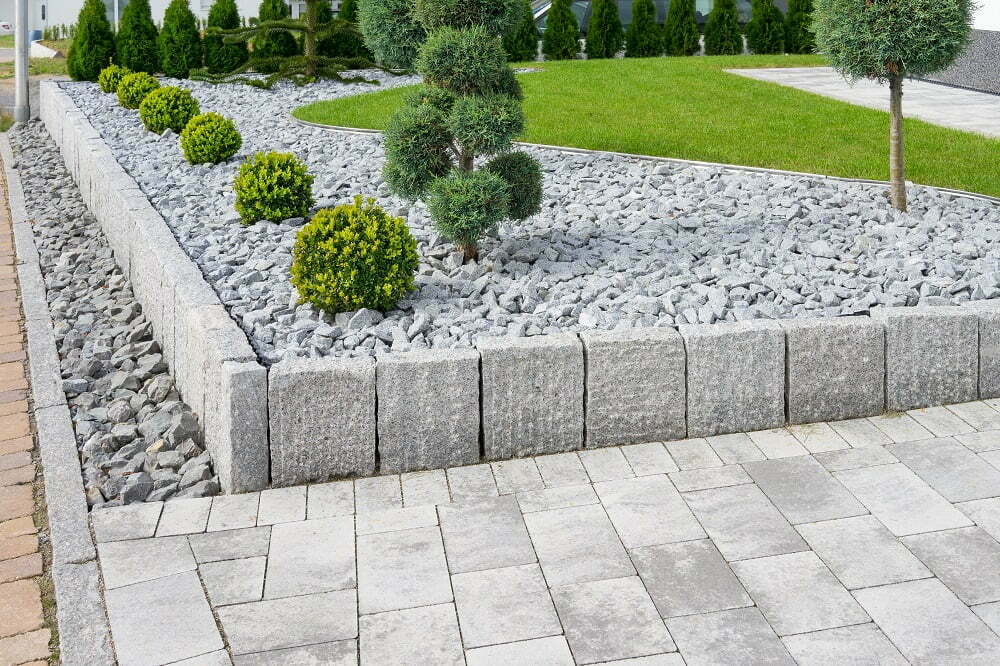
Beyond the environmental impact, crushed concrete also offers tangible benefits and aesthetic appeal when used as mulch. Its uniform appearance enhances landscaping, contributing to a pleasing visual harmony that could boost your property’s value.
This mulch not only suppresses weed growth effectively but also fosters a more nutrient-rich environment for your plants by reducing competition. Importantly, its fire-resistant quality adds a layer of safety around buildings, an invaluable benefit in fire-prone areas.
Opting for crushed concrete is a cost-effective choice, significantly trimming down landscaping expenses. By choosing this recycled material, you’re not just beautifying your space; you’re also making a sustainable choice that benefits both your wallet and the planet.
Moisture Retention and Management
Crushed concrete mulch effectively retains moisture, a critical factor in maintaining healthy soil conditions and promoting robust plant growth.
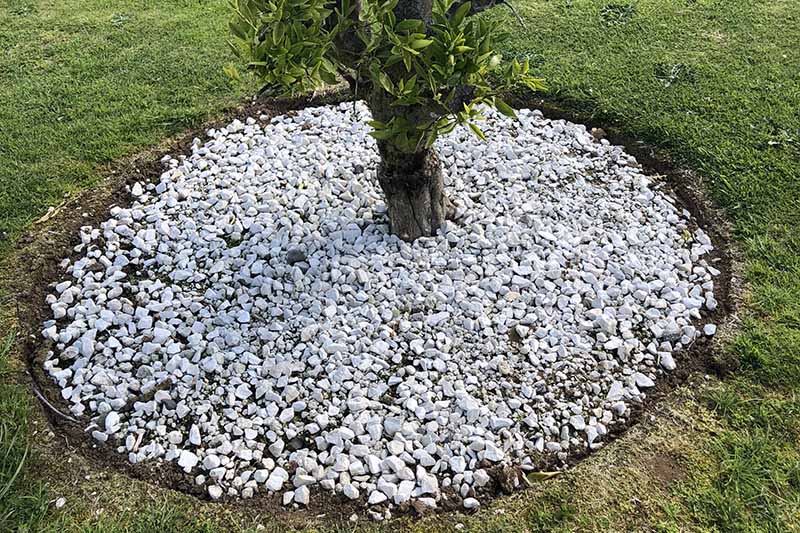
Its reflective white hue plays a significant role during warmer months, keeping the soil cool and minimizing evaporation. This feature is especially beneficial in preventing the soil from becoming hydrophobic, which can severely impact plant health.
Additionally, during colder seasons, crushed concrete acts as an insulator, protecting roots from frost and maintaining optimal conditions for growth.
The recommended application depth varies, enhancing water absorption and aiding in better root development by providing a stable temperature and improved moisture conditions.
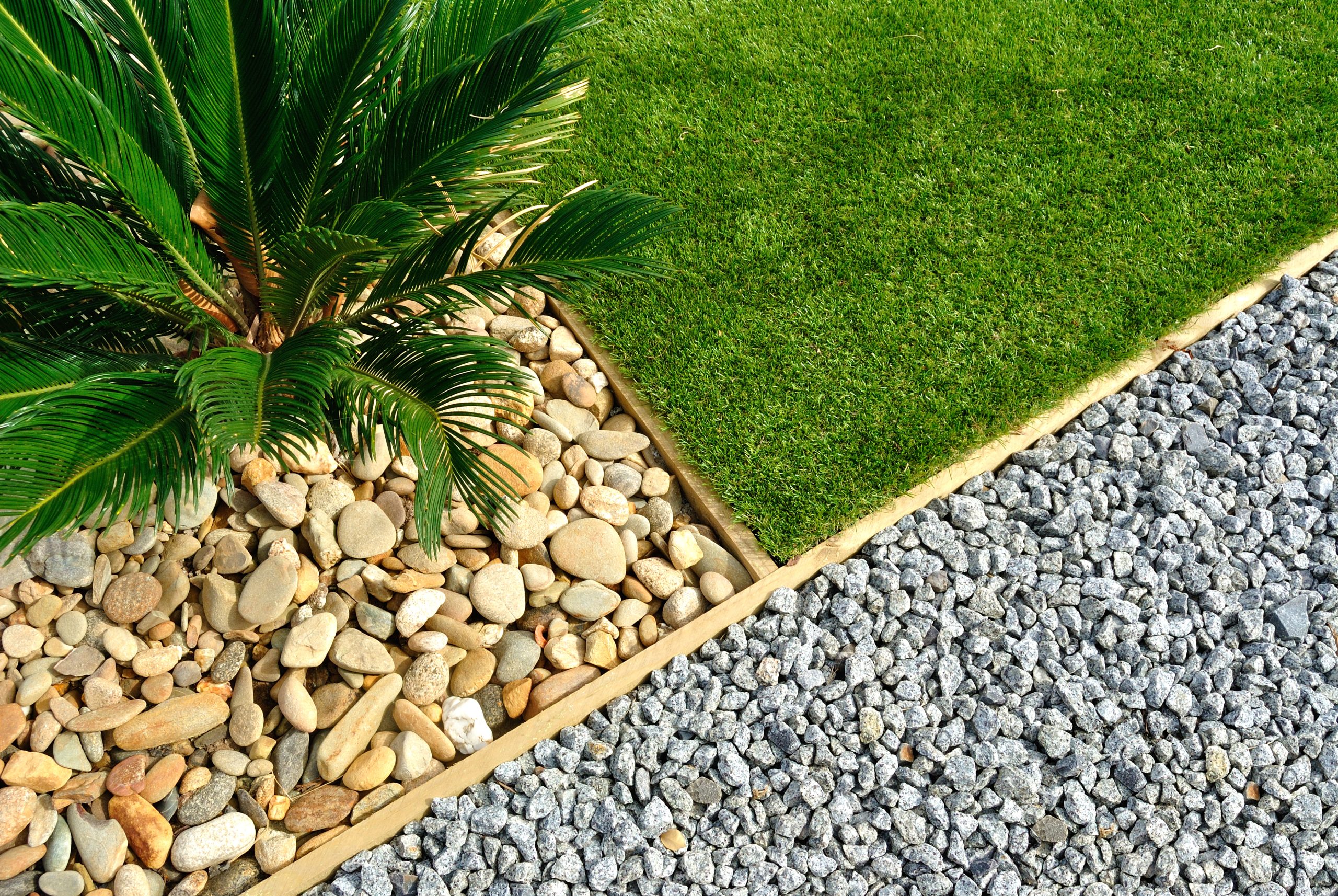
Disadvantages and Soil Quality
While crushed concrete offers benefits like moisture retention, it’s important to consider its impact on soil quality. The dense weight of this material can lead to soil compaction, which significantly hinders water absorption and restricts healthy root development in plants.
Unlike organic mulches, crushed concrete doesn’t contribute nutrients to the soil, failing to enrich it over time. This lack of nutrient contribution, combined with its high density, can compress the soil beneath, reducing porosity and degrading air absorption capacity. This potentially diminishes soil health.
Furthermore, crushed concrete can trap unwanted debris, complicating its removal and possibly promoting weed growth rather than suppressing it, challenging the maintenance of healthy soil conditions.
Application Guidelines and Maintenance
To ensure optimal performance and environmental sustainability when using crushed concrete as mulch, it’s crucial to follow specific application guidelines and maintain it properly.
Apply the mulch at a depth of 1-2 inches for smaller pieces and up to 3 inches for larger fragments to prevent soil compaction and ensure proper drainage. It’s vital to regularly check this depth and adjust it to maintain these benefits.
Ensure complete coverage to hide any landscape fabric, which enhances the mulch’s effectiveness.
Combining crushed concrete with organic mulches can improve aesthetic appeal and soil health.
Routinely relieve any compaction around plants to support robust root growth and overall plant health, keeping your garden thriving and sustainable.
Environmental Considerations
The environmental impact of utilizing crushed concrete as mulch merits serious consideration. When you opt for this material, you’re initially helping by reducing landfill waste.
However, it’s not all green and rosy. If we’re not careful about where it’s sourced, crushed concrete may contain harmful contaminants that leach into the soil, jeopardizing water quality and plant life.
Moreover, using it can contribute to urban heat islands, exacerbating local temperature rises and negatively affecting nearby biodiversity.
It’s also worth noting that crushed concrete can compact soil, impairing its health by reducing porosity and aeration—key aspects that support plant growth.
As we look at these factors, it’s clear that while it offers some environmental benefits, they come with significant caveats.
Alternative Mulching Options

Exploring alternative mulching options is crucial for those seeking environmentally friendly and sustainable gardening practices.
Let’s delve into why organic mulches, such as wood chips and straw, are superior choices. These materials naturally decompose, enriching the soil with essential nutrients and fostering healthier plant growth, unlike inert crushed concrete. They also play a significant role in temperature regulation, insulating the soil against extreme heat and cold, which can be a challenge with crushed concrete due to its tendency to compact and reduce soil porosity.
Moreover, organic mulches support biodiversity, enhancing soil structure and water retention, while suppressing weeds—all contributing to a reduced need for chemical fertilizers.
In contrast, crushed concrete might contribute to urban heat islands and potential chemical leaching, making organic options a more cost-effective and ecologically sound choice.
Crushed Concrete in Landscaping
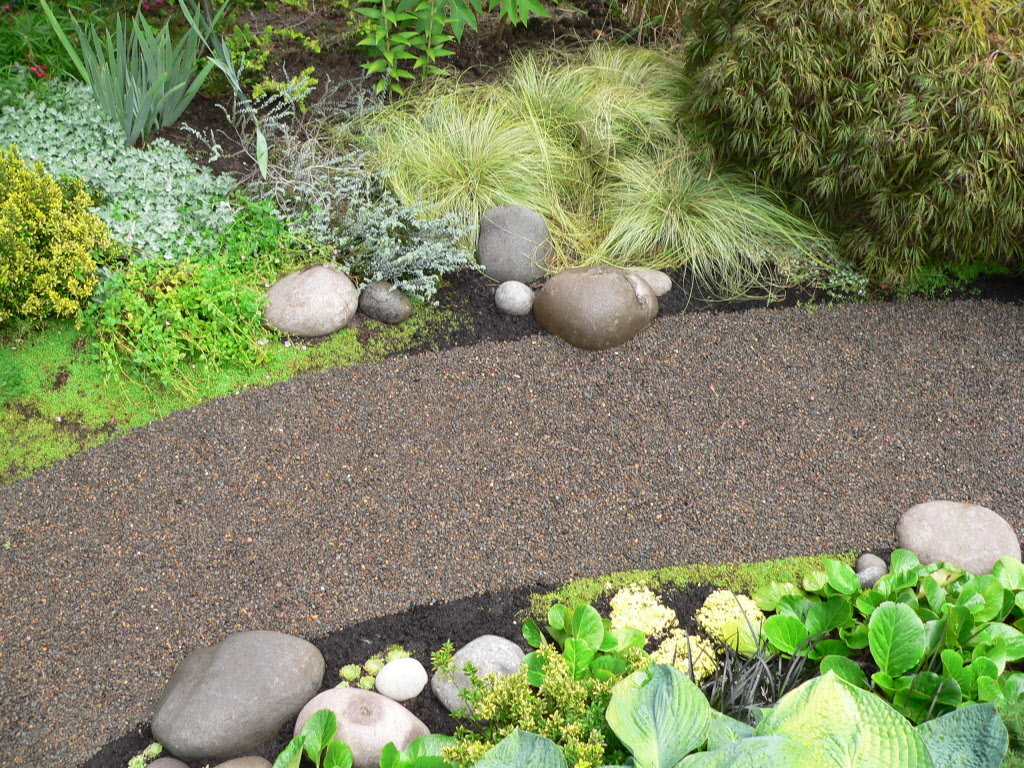
Crushed concrete, often overlooked, serves as an innovative solution in landscaping by enhancing drainage and reducing weed growth.
It’s a standout choice for keeping your garden beds less waterlogged, which promotes healthier root systems. The compact nature of crushed concrete also means weeds struggle to make a breakthrough, slashing your time spent on weeding and the need for harmful herbicides.
What’s more, using this material is an eco-friendly practice. It repurposes debris from demolished constructions, integrating sustainability into your garden design.
Not only does it maintain a neat, uniform look as ground cover, but it’s also cost-effective. Its durability ensures it remains effective without frequent replenishing, making it a practical, low-maintenance option for any eco-conscious gardener.
Driveway Applications

I’ve found that using crushed concrete for driveway applications isn’t just a practical choice; it’s also an economically and environmentally sound decision.
Here’s why:
- Cost-Effectiveness: Crushed concrete is typically 20-30% cheaper than new concrete materials. This makes it an attractive option for budget-conscious homeowners looking to enhance their driveways without breaking the bank.
- Drainage Benefits: Its composition allows for excellent drainage, preventing water pooling which is crucial in areas prone to heavy rainfall. This attribute helps maintain the integrity of your driveway over time.
- Durability and Maintenance: This material withstands the weight of vehicles admirably and requires minimal upkeep, even under harsh weather conditions, ensuring a long-lasting, sturdy driveway with minimal fuss.
Commercial Uses

Many businesses opt for crushed concrete in high-traffic settings like parking lots and roadways, not only for its cost-effectiveness but also for its durability.
Its excellent drainage properties prevent water pooling and erosion, enhancing safety for both vehicles and pedestrians. Additionally, its low-maintenance nature appeals to commercial property owners, as it saves time and reduces labor costs.
Crushed concrete stands up to heavy loads, proving ideal in warehouses and distribution centers where heavy machinery is common.